Carbs You Should Be Buying for Insulin Resistance
Discover the best carbohydrates to manage insulin resistance and improve blood sugar control effectively.
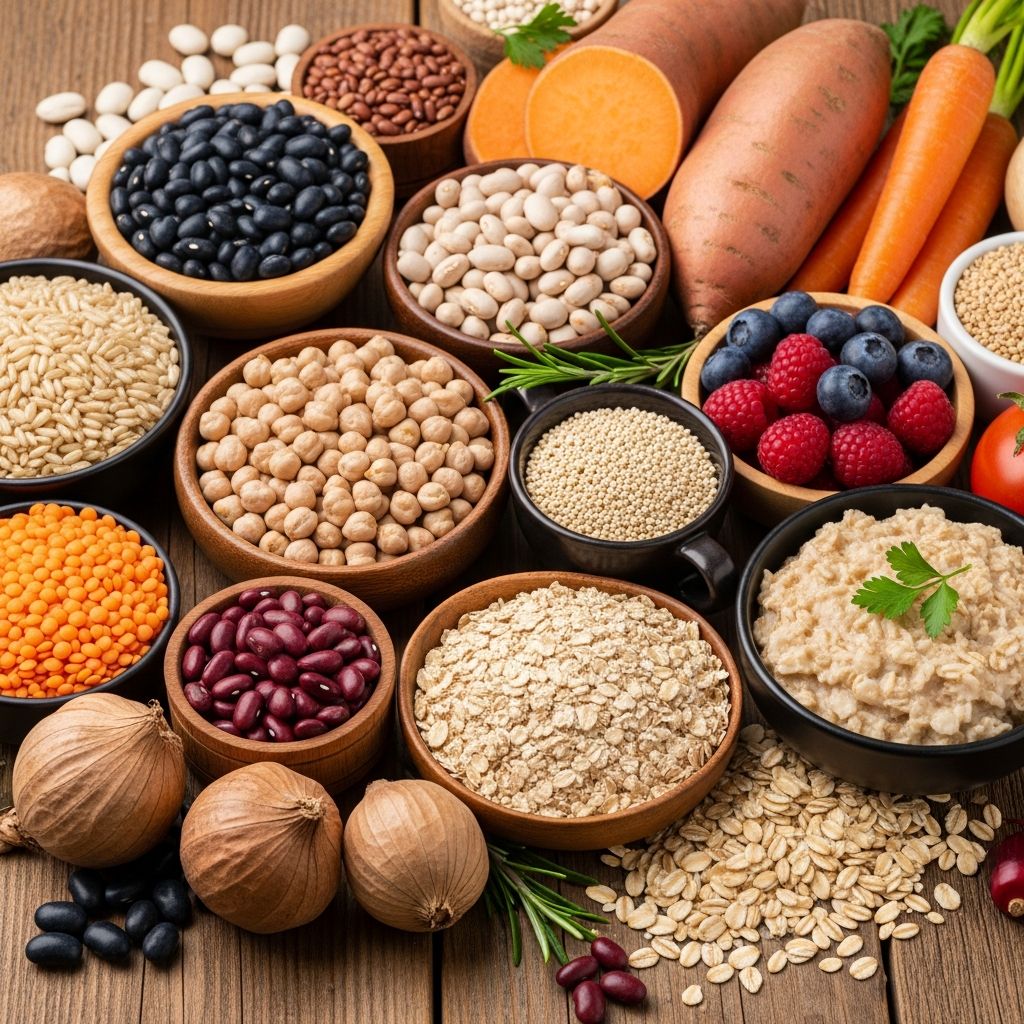
Insulin resistance occurs when cells in your body don’t respond well to insulin, a hormone that regulates blood sugar. This can lead to elevated blood glucose levels and increase the risk of type 2 diabetes. Contrary to common myths, not all carbohydrates are harmful; choosing the right ones can actually improve insulin sensitivity and metabolic health. Nutrient-dense, high-fiber carbs help slow glucose absorption, preventing spikes that stress the pancreas.
Research shows that diets emphasizing complex carbohydrates over refined ones support better insulin function. For instance, low-carbohydrate approaches have demonstrated improvements in insulin resistance markers, lipid profiles, and even type 2 diabetes remission rates. Pairing carbs with proteins and healthy fats further stabilizes blood sugar.
What Is Insulin Resistance?
Insulin resistance is a condition where muscle, fat, and liver cells do not respond properly to insulin, forcing the pancreas to produce more to manage blood sugar. Over time, this can progress to prediabetes or type 2 diabetes. Factors like excess body fat, inactivity, and poor diet contribute, but lifestyle changes, particularly carb quality, can reverse it.
High-glycemic foods cause rapid blood sugar rises, exacerbating resistance. The glycemic index (GI) measures this effect, ranking carbs from 0 to 100. Low-GI choices promote steadier energy and insulin levels. Studies confirm that complex carb-based meals improve insulin sensitivity in type 2 diabetes patients.
Why Choose the Right Carbs?
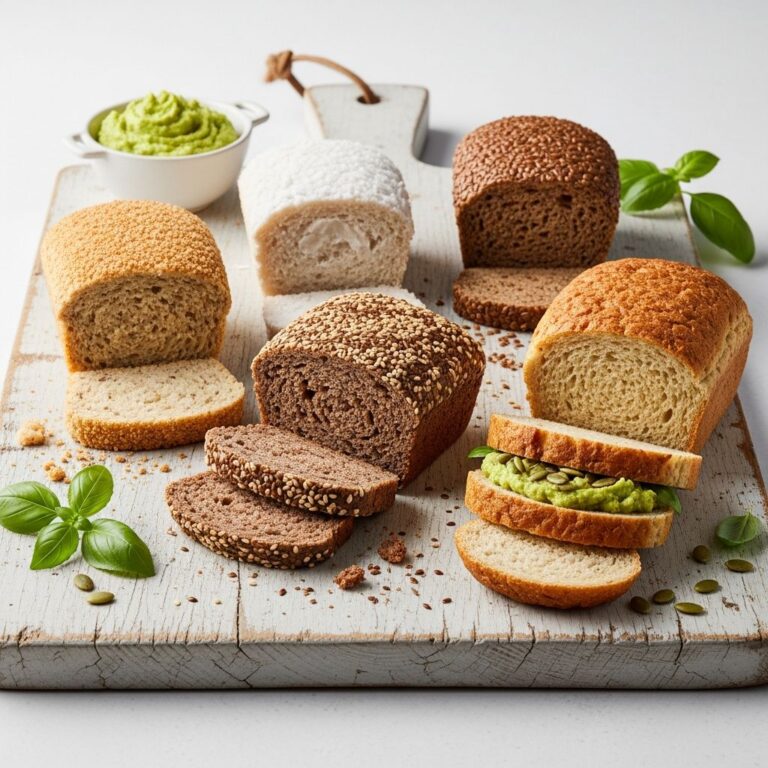
Not all carbs are equal. Refined carbs like white bread spike blood sugar, worsening resistance, while whole, fiber-rich options like oats sustain energy and enhance insulin response. A balanced approach with complex carbs, lean proteins, fruits, vegetables, and healthy fats is key.
Low-carb diets (<130g>
1. Oats
**Oats** are a powerhouse for insulin resistance due to their soluble fiber, beta-glucan, which slows digestion and glucose release. A half-cup of rolled oats provides 4g fiber and a low GI, making them ideal for stable blood sugar.
- Nutritional Benefits: Rich in magnesium, which aids insulin function; antioxidants reduce inflammation linked to resistance.
- How to Use: Overnight oats with berries and nuts, or savory oatmeal with veggies and eggs.
- Evidence: Studies link oat consumption to improved insulin sensitivity and reduced post-meal glucose spikes.
Start your day with oats to set a steady metabolic tone. Combine with protein for enhanced effects.
2. Quinoa
**Quinoa**, a complete protein grain, offers 5g fiber per cooked cup and a low GI. Its balanced amino acids support muscle health, crucial for glucose uptake.
- Key Nutrients: High in magnesium and iron; gluten-free for broader appeal.
- Recipe Ideas: Quinoa salads with leafy greens, chickpeas, and olive oil; quinoa porridge.
- Research Support: Complex carbs like quinoa improve insulin scores more than simple carbs in metabolic studies.
Unlike refined grains, quinoa prevents blood sugar crashes, promoting sustained energy.
3. Sweet Potatoes
**Sweet potatoes** provide complex carbs with 4g fiber per medium potato, plus vitamins A and C. Their low GI (around 50-60) makes them superior to white potatoes for blood sugar control.
- Health Perks: Antioxidants combat oxidative stress in insulin resistance; potassium supports heart health.
- Preparation Tips: Baked, mashed with Greek yogurt, or in stir-fries.
- Scientific Backing: Fiber-rich veggies like sweet potatoes slow carb digestion, aiding insulin sensitivity.
Opt for baked over fried to maximize benefits.
4. Lentils and Beans
**Lentils and beans** (black, kidney, chickpeas) are fiber stars at 15g per cup cooked, with protein that blunts glucose rises. Low GI ensures gradual energy release.
- Benefits: Prebiotic fiber feeds gut bacteria, linked to better insulin response; plant protein reduces saturated fat intake.
- Versatile Uses: Soups, salads, veggie burgers.
- Studies: Legumes improve lipid profiles and intrahepatic fat in insulin-resistant individuals.
Incorporate weekly for gut-metabolism synergy.
5. Berries
**Berries** (strawberries, blueberries, raspberries) offer low-sugar carbs with 8g fiber per cup. Polyphenols enhance insulin signaling.
- Advantages: Lower carb than bananas; high antioxidants lower inflammation.
- Serving Suggestions: Smoothies, yogurt toppers, fresh snacks.
- Evidence: Fruits like berries pair well with fats/proteins for optimal blood sugar control.
A cup of berries equals half a banana in carbs but with more nutrients.
6. Brown Rice
**Brown rice** retains bran for 3.5g fiber per cup, unlike white rice. Medium GI supports steady glucose.
- Nutrients: Manganese aids carb metabolism.
- Ideas: Stir-fries, bowls with lean protein.
- Support: Whole grains like brown rice are recommended for insulin health.
7. Barley
**Barley**’s beta-glucan fiber excels at lowering GI responses. One cup cooked has 6g fiber.
- Perks: Improves cholesterol, linked to metabolic syndrome.
- Uses: Soups, pilafs.
- Research: Effective in NAFLD reduction via IR improvement.
Other Beneficial Carbs
- Bulgur Wheat: Quick-cook, high fiber.
- Farro: Chewy texture, nutrient-dense.
- Chia Seeds: Gel-forming fiber for smoothies.
How to Incorporate These Carbs
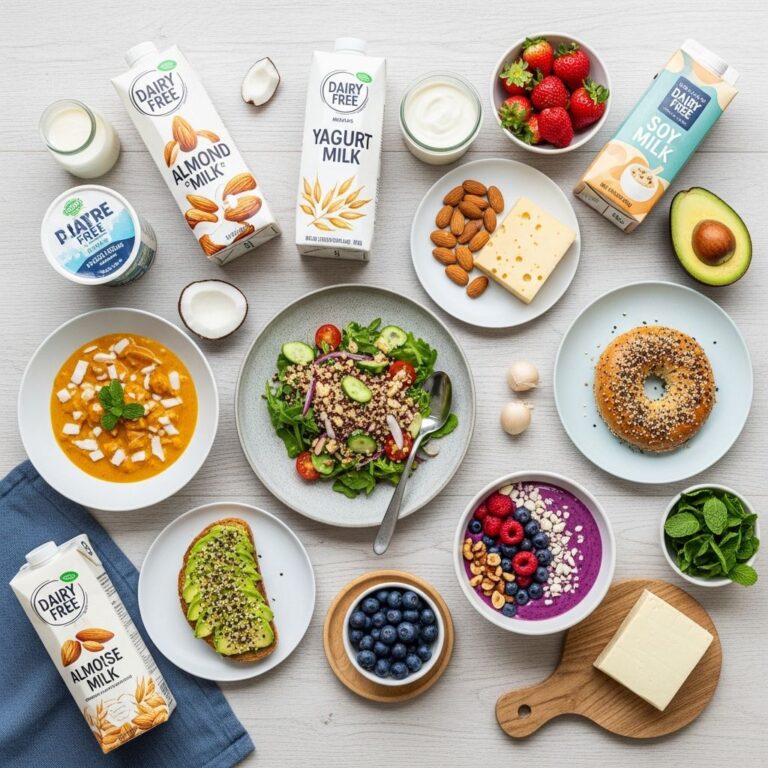
Balance plates: ¼ carbs, ¼ protein, ½ veggies. Pair carbs with fats/proteins, e.g., quinoa with salmon. Aim for 45-65g carbs/meal, focusing on low GI (<55).
| Meal | Carb Choice | Pairing |
|---|---|---|
| Breakfast | Oats | Berries + nuts |
| Lunch | Quinoa salad | Chickpeas + greens |
| Dinner | Sweet potato | Grilled chicken + broccoli |
Foods to Limit
- Sugary drinks, white bread, pastries.
- Fried foods, processed snacks.
- High-saturated fats like butter.
Sample Meal Plan
Day 1: Breakfast: Oatmeal with berries. Lunch: Lentil soup. Dinner: Brown rice stir-fry.
Day 2: Quinoa bowl, sweet potato bake.
Customize for 1,500-2,000 calories, emphasizing whole foods.
Frequently Asked Questions (FAQs)
Can carbs help with insulin resistance?
Yes, complex, high-fiber carbs improve insulin sensitivity by slowing glucose absorption, unlike refined carbs.
How much fiber daily?
Aim for 25-30g; sources like oats and beans help achieve this for better control.
Best carb for beginners?
Oats: Easy, versatile, proven benefits.
Do low-carb diets reverse IR?
They can lead to remission in some, but quality carbs are sustainable long-term.
Pairing tips?
Always add protein/fat, e.g., apple with peanut butter.
Lifestyle factors like exercise amplify carb benefits. Consult professionals for personalized advice. These choices promote sustainable health.
References
- Effect of low carbohydrate diets on insulin resistance and the metabolic syndrome: A review — Unwin D, et al. Current Opinion in Endocrinology, Diabetes and Obesity. 2021-09-01. https://pmc.ncbi.nlm.nih.gov/articles/PMC8500369/
- 5 best foods to improve insulin resistance — Nebraska Medicine. Accessed 2026. https://www.nebraskamed.com/health/conditions-and-services/diabetes/5-best-foods-to-improve-insulin-resistance
- Carbohydrates and Blood Sugar — Harvard T.H. Chan School of Public Health. Accessed 2026. https://nutritionsource.hsph.harvard.edu/carbohydrates/carbohydrates-and-blood-sugar/
- Improving insulin through diet: calories vs. carbs — Levels Health. Accessed 2026. https://www.levels.com/blog/improving-insulin-through-diet-calories-vs-carbs
- How to Reverse Insulin Resistance — Yale School of Medicine. Accessed 2026. https://medicine.yale.edu/news-article/how-to-reverse-insulin-resistance/
- Mixed Meals Containing Complex Carbohydrates Improves Insulin Sensitivity — Diabetes Journals. 2024. https://diabetesjournals.org/diabetes/article/74/Supplement_1/360-OR/158993/360-OR-Mixed-Meals-Containing-Complex
Similar Articles








Read full bio of Sneha Tete