Carbs You Should Be Buying to Lower Cholesterol
Discover the best carbohydrates that can help lower your cholesterol levels and support heart health through smart dietary choices.
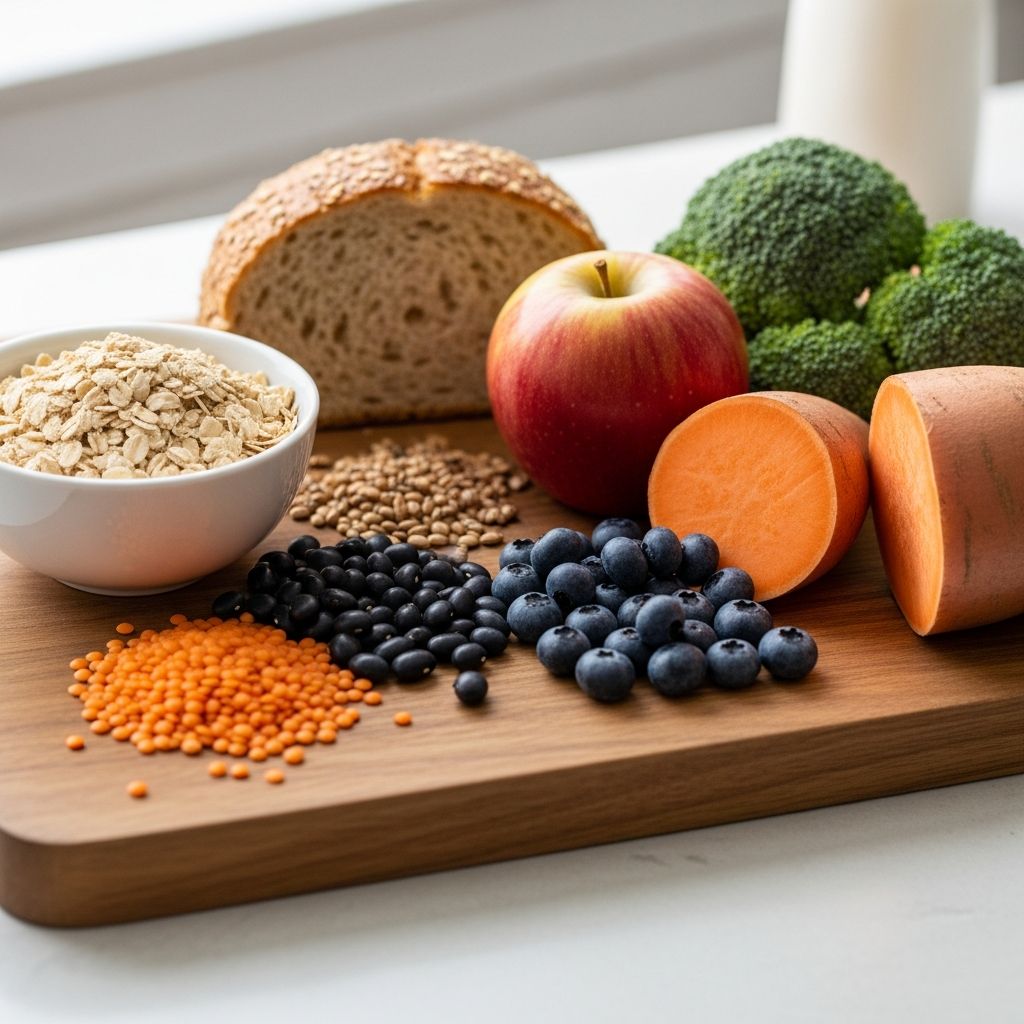
Not all carbohydrates are created equal when it comes to managing cholesterol levels. While refined carbs like white bread and sugary snacks can spike blood sugar and contribute to higher LDL cholesterol, certain high-fiber carbohydrates actively work to lower it by binding to cholesterol in the digestive system and promoting its excretion. These
cholesterol-lowering carbs
include oats, barley, beans, lentils, fruits, vegetables, and whole grains, which are rich in soluble fiber such as beta-glucan and pectin. Research from Harvard’s Nutrition Source shows that diets emphasizing vegetable-based low-carb patterns reduce heart disease risk by up to 30% compared to high-carb, low-fat diets high in animal fats. Incorporating these foods can improve HDL, lower triglycerides, and support overall cardiovascular health without extreme dieting.How Carbs Can Help Lower Cholesterol
Cholesterol management often focuses on fats, but
soluble fiber
from specific carbs plays a crucial role. Soluble fiber forms a gel-like substance in the gut that traps bile acids—made from cholesterol in the liver—and prevents their reabsorption, forcing the body to use more cholesterol to produce new bile, thus lowering circulating LDL levels. The OmniHeart trial demonstrated that replacing some carbs with healthy proteins or fats in a high-fiber context better lowers LDL and blood pressure than high-carb diets.Unlike processed carbs that cause blood sugar roller-coaches, leading to inflammation and elevated free fatty acids that damage vessels and raise cholesterol, minimally processed carbs like steel-cut oats maintain stable levels. A Nurses’ Health Study of 82,802 women found low-carb diets high in vegetable sources lowered heart disease risk by 30% and diabetes by 20%, highlighting the importance of fiber-rich plant carbs. Aim for 5-10 grams of soluble fiber daily from these sources to see measurable reductions in LDL, often within weeks.
1. Oats and Oat Bran
**Oats** top the list of cholesterol-busting carbs due to their high beta-glucan content, a soluble fiber proven to reduce LDL by 5-10% with just 3 grams daily (about 1/2 cup cooked oats). The FDA allows health claims for oats based on extensive trials showing they lower blood cholesterol by binding bile acids.
- Steel-cut or rolled oats: Less processed, higher fiber (4g per 1/2 cup dry). Use in oatmeal, overnight oats, or baking.
- Oat bran: Concentrated beta-glucan (up to 15g fiber per 1/3 cup). Sprinkle on yogurt or smoothies.
- Recipes: Savory oat bowls with veggies or oat-based energy bars.
Harvard research confirms oats in low-carb contexts boost HDL and cut triglycerides more effectively than low-fat diets. Start your day with oats for sustained energy and heart benefits.
2. Barley
Like oats,
barley
is rich in beta-glucan, with studies showing 3-10g daily lowers total and LDL cholesterol by binding bile in the intestines. Whole or hulled barley retains more fiber than pearled varieties.- Pearled barley: Softer texture for soups and risottos (3g fiber per 1/4 cup dry).
- Hulled barley: Chewier, nutrient-dense (6g fiber per 1/4 cup).
- Quick barley: For salads or pilafs.
Incorporate barley into grain bowls or stews. The DIRECT study found Mediterranean-style diets with barley-like grains improved heart markers over low-fat options.
3. Beans and Lentils
**Legumes** such as beans, lentils, chickpeas, and edamame are powerhouse carbs packed with soluble fiber (7-8g per 1/2 cup cooked), preventing cholesterol absorption. They also provide plant protein, reducing reliance on animal sources that lack these benefits.
Related Stories



- Black beans, kidney beans: Versatile for salads, tacos (8g fiber per 1/2 cup).
- Lentils: Quick-cooking, ideal for soups (8g fiber per 1/2 cup).
- Chickpeas: Roast for snacks or hummus.
Legume-rich diets mimic the EcoAtkins trial’s success, improving lipids and blood pressure. NIH studies warn against low-fiber high-fat diets that raise LDL, underscoring legumes’ protective role.
4. Fruits High in Pectin
Pectin-rich fruits like apples, pears, citrus, and berries lower LDL by forming fiber gels in the gut. Whole fruits beat juices, as fiber signals fullness and blocks cholesterol uptake.
- Apples and pears: Eat with skin (4-5g fiber each).
- Berries (strawberries, blueberries): Antioxidants plus fiber (3-4g per cup).
- Citrus (oranges, grapefruit): Pectin in pulp and membranes.
Mass General Brigham recommends berries for zero cholesterol and high fiber, cautioning against juicing which strips benefits.
5. Vegetables
Non-starchy veggies like
broccoli, Brussels sprouts, carrots, and sweet potatoes
provide soluble fiber alongside vitamins. They add bulk without calories, aiding weight control key to cholesterol management.- Cruciferous veggies: Broccoli, Brussels (5g fiber per cup cooked).
- Root veggies: Sweet potatoes, carrots (4g per medium).
These align with vegetable-focused low-carb benefits, reducing CVD risk.
6. Whole Grains Beyond Oats and Barley
Quinoa, brown rice, farro, and whole wheat offer 3-6g fiber per serving, preventing fat absorption. Choose intact grains over refined.
- Quinoa: Complete protein, gluten-free.
- Brown rice: For stir-fries.
- Whole wheat pasta or bread: Check for ‘whole’ as first ingredient.
Whole grains zero out cholesterol intake while blocking absorption.
7. Psyllium Husk
A concentrated soluble fiber supplement (5-10g daily), psyllium lowers LDL by 5-15% per meta-analyses. Mix into water or foods, always with plenty of liquid.
Practical Tips for Incorporating These Carbs
Build meals around these: Start with oats, add beans to lunches, snack on fruit/veggies, and use barley in dinners. Aim for 25-30g total fiber daily. Combine with unsaturated fats (avocados, nuts) for amplified effects. Avoid excess even healthy carbs to prevent weight gain. Track progress with lipid panels after 4-6 weeks.
| Carb Source | Soluble Fiber (per serving) | LDL Reduction Potential |
|---|---|---|
| Oats (1/2 cup) | 2-4g | 5-10% |
| Beans (1/2 cup) | 3-5g | 5-8% |
| Apple (1 medium) | 1-2g | 3-5% |
| Barley (1/4 cup) | 2-3g | 5-10% |
Frequently Asked Questions (FAQs)
Can carbs really lower cholesterol?
Yes, soluble fiber-rich carbs like oats and beans bind cholesterol for excretion, reducing LDL as shown in Harvard and clinical trials.
How much soluble fiber do I need daily?
5-10g from food sources; combine with lifestyle changes for best results.
Are all whole grains equal for cholesterol?
No, beta-glucan sources like oats and barley are most effective.
Do low-carb diets help or hurt cholesterol?
Plant-based low-carb diets lower risk; animal-fat heavy ones do not, and keto high-SFA versions may raise LDL.
Can I eat fruit if watching carbs?
Yes, whole low-sugar fruits like berries provide fiber without spikes.
References
- Low-Carbohydrate Diets — Harvard T.H. Chan School of Public Health. 2023. https://nutritionsource.hsph.harvard.edu/carbohydrates/low-carbohydrate-diets/
- A Ketogenic Low-Carbohydrate High-Fat Diet Increases LDL Cholesterol… — National Institutes of Health (PMC). 2021-03-18. https://pmc.ncbi.nlm.nih.gov/articles/PMC8001988/
- EatingWell: New Discoveries About Cholesterol Hold Surprises — Chicago Health Online. 2023. https://chicagohealthonline.com/eatingwell-new-discoveries-about-cholesterol-hold-surprises/
- 10 Foods to Lower Cholesterol — Mass General Brigham. 2024. https://www.massgeneralbrigham.org/en/about/newsroom/articles/10-foods-to-lower-cholesterol
Similar Articles








Read full bio of Sneha Tete