Carbuncle: Symptoms, Causes, and Treatment
Understand carbuncles: painful skin infections from clustered boils, their causes, symptoms, treatments, and prevention strategies for better skin health.
A
carbuncle
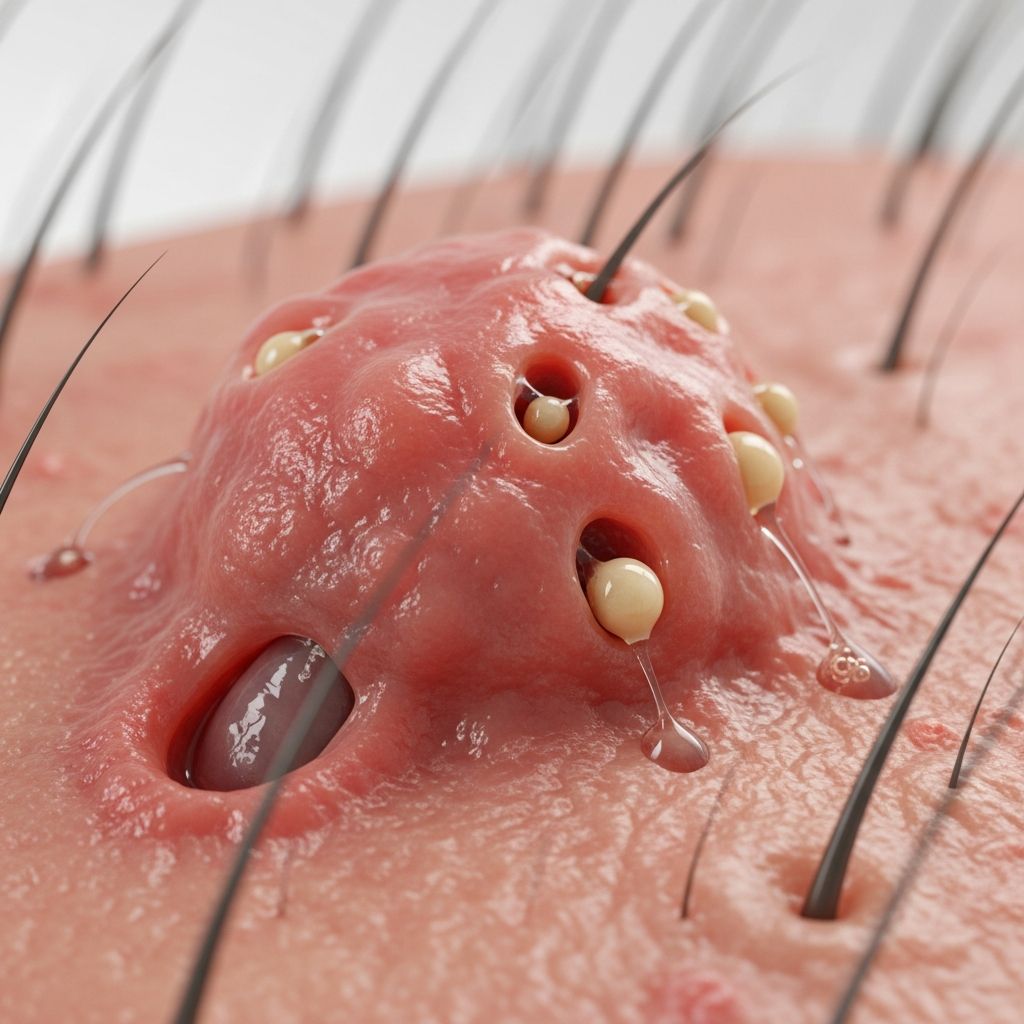
is a severe skin infection characterized by a cluster of boils (furuncles) that form a painful, swollen lump under the skin, often filled with pus. Unlike a single boil, carbuncles involve multiple hair follicles and can lead to systemic symptoms if untreated. They typically develop on the back, neck, thighs, or buttocks and require prompt medical attention to prevent complications like scarring or sepsis.What Is a Carbuncle?
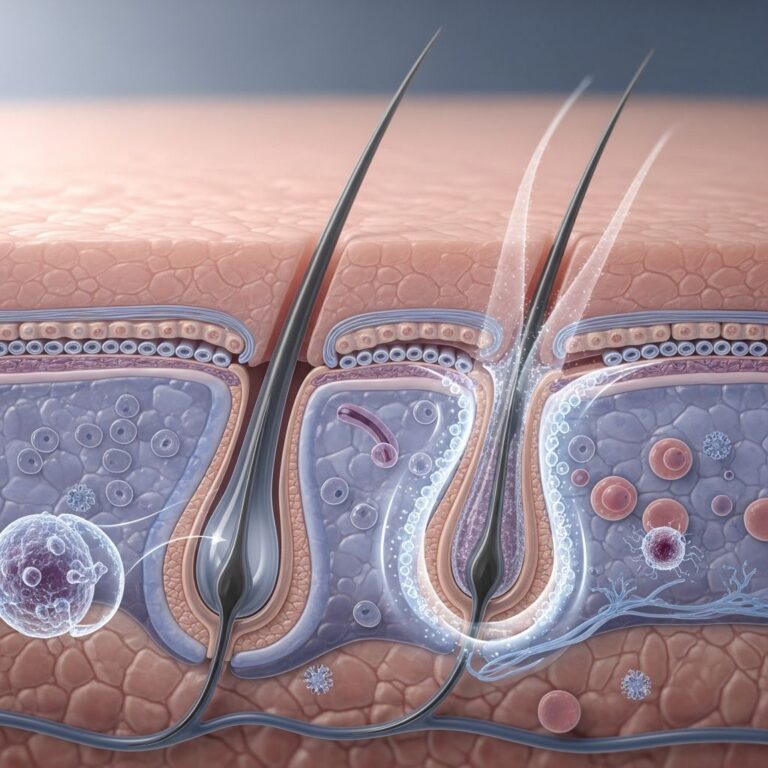
A carbuncle represents an advanced stage of folliculitis, where bacterial infection spreads from one or more hair follicles into surrounding subcutaneous tissue, creating interconnected pus-filled pockets with multiple drainage points. It appears as an erythematous (red), tender, fluctuant nodule measuring 3-10 cm in diameter, often with white or yellow pustules on the surface. Carbuncles form over several days, drain serosanguinous fluid after about a week, and heal over weeks, usually leaving a scar.
Distinguishing it from a furuncle (single boil), a carbuncle’s multi-headed nature makes it deeper and more destructive. It draws white blood cells to fight infection, but unresolved pockets of bacteria, dead tissue, and fluid exacerbate the condition. Though contagious via contact with pus, good hygiene limits spread.
Carbuncle Symptoms
Symptoms emerge gradually and can range from localized pain to systemic illness. Common signs include:
- A bulging, red lump up to several centimeters, painful and tender to touch
- White or yellow pus-filled centers (pustules) that may ooze, crust, or leak fluid
- Itching, severe discomfort, or throbbing pain
- Fever (100.4°F/38°C or higher), chills, fatigue, weakness, or exhaustion
- Swollen lymph nodes (regional lymphadenopathy)
- Spread to nearby skin areas
Serious symptoms warranting immediate care:
- Carbuncle on the face (especially midline), spine, or near eyes—risk of cavernous sinus thrombophlebitis
- Large (>5 cm), deep, or extremely painful lesions
- Persistent beyond 2 weeks, recurrent infections, or accompanied by high fever
- Signs of deeper infection like cellulitis (spreading redness) or systemic spread
Carbuncle Causes
**Staphylococcus aureus** (staph) bacteria cause most carbuncles, entering hair follicles through breaks in the skin from cuts, abrasions, or friction. Staph resides harmlessly on skin (groin, axilla, nares) but proliferates when barriers fail, leading to folliculitis, furuncle, then carbuncle. Methicillin-resistant S. aureus (MRSA) is increasingly common, complicating treatment.
Rarely, anaerobic bacteria or fungi contribute, especially in recurrent anogenital cases. Immune response fails to contain the infection, forming abscesses. Contagion occurs via shared towels or poor hygiene, but person-to-person spread requires direct pus contact.
Risk Factors for Carbuncles
Not everyone exposed develops carbuncles; vulnerabilities include:
- **Diabetes**: Impairs immune function and healing; poor glycemic control heightens risk
- Immunosuppression (chemotherapy, HIV, steroids)
- Poor hygiene or obesity, trapping bacteria
- Skin conditions: acne, eczema, dermatomyositis
- Close quarters (prisons, sports teams) aiding staph transmission
- Nasal carriage of staph (up to 30% population)
| Risk Factor | Impact |
|---|---|
| Diabetes | High blood sugar weakens immunity, promotes bacterial growth |
| Obesity/Poor Hygiene | Skin folds harbor bacteria; friction causes micro-tears |
| Immunocompromise | Reduced white cell response fails to clear infection |
How Is a Carbuncle Diagnosed?
Diagnosis is clinical: visual exam reveals characteristic multi-pustule nodule. Doctors assess size, location, systemic signs, and risk factors. Swab of pus confirms staph/MRSA via culture, guiding antibiotics. Rarely, blood tests check for sepsis or biopsy rules out malignancy. Ultrasound evaluates depth in spine/face cases.
Related Stories



Carbuncle Treatment
Treatment escalates with severity:
- Home Care (Mild): Warm compresses (15-20 min, 4x/day) promote drainage; avoid squeezing to prevent spread. Over-the-counter pain relievers.
- Medical: Antibiotics—oral (dicloxacillin, cephalexin) or IV for MRSA (clindamycin, vancomycin). Topical mupirocin for nares decolonization (twice daily, 5-10 days).
- Surgical: Incision and drainage (I&D) for large carbuncles under local anesthesia; packing aids healing. Repeat if needed.
Hospitalization for systemic symptoms, facial/spinal location, or immunocompromised patients. Full course antibiotics prevent recurrence.
Carbuncle Complications
Untreated carbuncles risk:
- Scarring or keloids
- Cellulitis or deeper abscesses
- Sepsis/blood poisoning (septicemia)
- Rare: Cavernous sinus thrombosis (face), osteomyelitis (spine), diabetic ketoacidosis
Prognosis excellent with treatment; heals in weeks with cosmetic scar.
Prevention of Carbuncles
Minimize risk via:
- Daily showers with antibacterial soap; loose clothing
- Handwashing; no pus-sharing items
- Diabetes control, healthy diet, exercise boosting immunity
- Nares decolonization with mupirocin for carriers
- Avoid nose-picking; treat skin breaks promptly
When to See a Doctor for a Carbuncle
Seek care if: lump >2 weeks, recurrent, facial/spinal, feverish, >5cm, or diabetic. Early intervention averts complications.
Frequently Asked Questions (FAQs)
What is the difference between a boil and a carbuncle?
A boil (furuncle) is a single infected follicle; a carbuncle is multiple interconnected boils forming a larger abscess.
Can carbuncles go away on their own?
Small ones may drain naturally, but medical evaluation is advised to prevent spread, especially if symptomatic.
Are carbuncles contagious?
Yes, via pus contact; practice hygiene to avoid spreading staph.
How long does a carbuncle take to heal?
1-3 weeks with treatment; longer untreated, risking scars.
Can diabetes cause carbuncles?
Diabetes increases risk by impairing immunity and healing.
References
- Carbuncle – Symptoms, Causes, Treatments — Healthgrades. 2023. https://resources.healthgrades.com/right-care/skin-hair-and-nails/carbuncle
- Carbuncle: Symptoms, causes, treatment, and more — Medical News Today. 2023-05-30. https://www.medicalnewstoday.com/articles/185421
- Carbuncle – StatPearls — NCBI Bookshelf / NIH. 2023-07-17. https://www.ncbi.nlm.nih.gov/books/NBK554459/
- Diagnosis, Causes, and Treatments of Carbuncles — Healthline. 2023. https://www.healthline.com/health/carbuncle
- Carbuncle: MedlinePlus Medical Encyclopedia — MedlinePlus / NIH. 2023-10-01. https://medlineplus.gov/ency/article/000825.htm
Similar Articles








Read full bio of medha deb