Carbuncle: Symptoms, Causes, Treatment Complete Guide
Understand carbuncles: painful skin infections from clustered boils, their causes, symptoms, treatments, and prevention strategies for better skin health.
A
carbuncle
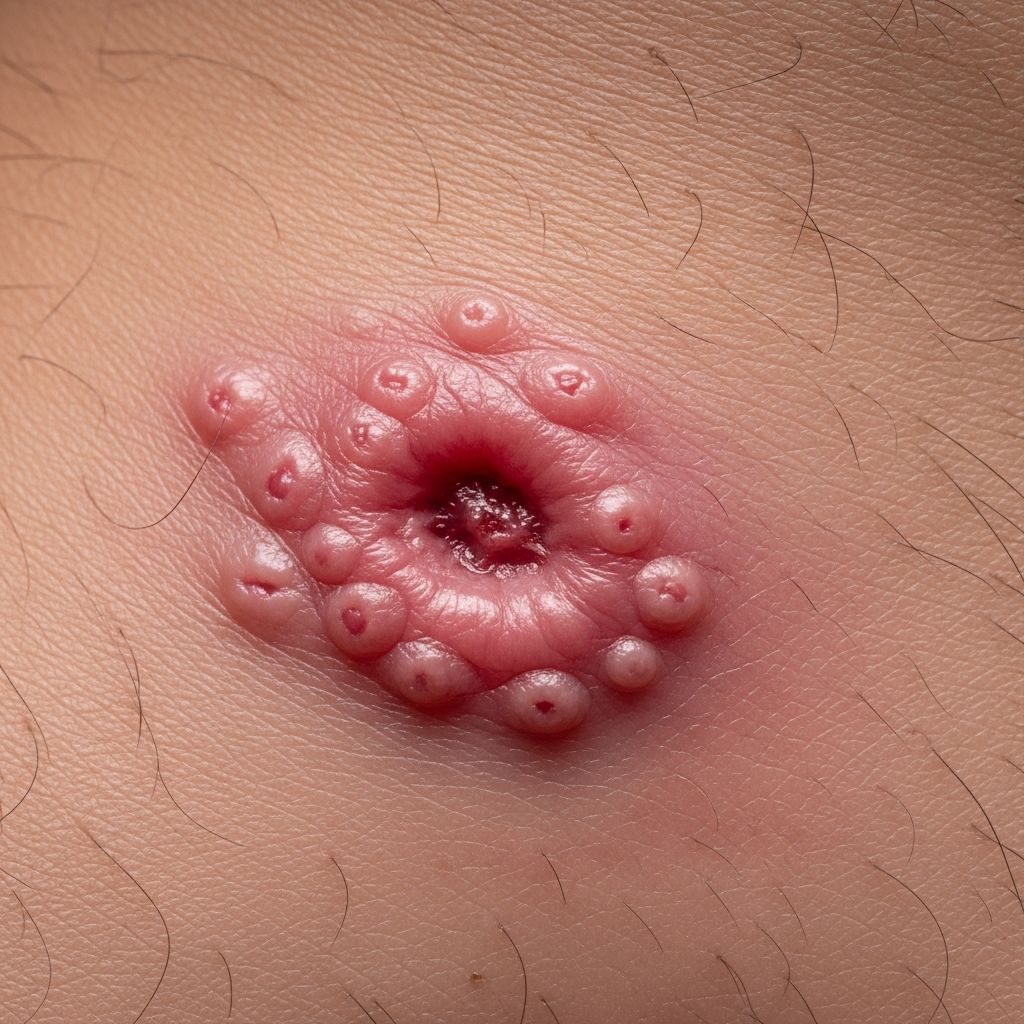
is a painful cluster of boils (furuncles) that forms a swollen, pus-filled lump under the skin, typically due to bacterial infection of multiple hair follicles. Unlike a single boil, a carbuncle involves deeper tissue and multiple drainage points, often requiring medical intervention to prevent complications like scarring or systemic infection.What Is a Carbuncle?
A carbuncle represents an advanced skin infection where several adjacent hair follicles become infected, leading to a contiguous collection of furuncles. It presents as an erythematous (red), tender, inflamed nodule measuring 3-10 cm in diameter, with multiple pustules or sinus tracts draining pus. This condition extends into subcutaneous tissue, distinguishing it from superficial folliculitis or isolated boils. Carbuncles commonly occur on the back, neck, thighs, or buttocks but can appear anywhere with hair follicles.
The infection typically evolves over days to weeks: starting as painful red nodules, progressing to fluctuant swellings with white or yellow pus-filled centers, and eventually draining serosanguinous fluid before healing with scarring. While most resolve with treatment, untreated cases risk severe outcomes like sepsis, especially in vulnerable individuals.
Symptoms of a Carbuncle
Carbuncles cause significant discomfort and visible changes. Key symptoms include:
- **Painful, swollen lump**: Red, bulging mass up to several centimeters, tender to touch.
- **Pus drainage**: Multiple white/yellow pustules or sinus tracts leaking fluid that crusts over.
- **Itching and inflammation**: Surrounding skin may be warm, red, and itchy.
- **Systemic signs**: Fever above 100.4°F (38°C), fatigue, weakness, exhaustion, or feeling unwell.
- **Lymphadenopathy**: Swollen nearby lymph nodes.
Symptoms develop gradually over a few days. The lump grows, becomes increasingly painful, and may spread infection to adjacent areas.
When to Seek Immediate Medical Care
Certain symptoms signal urgency:
- Carbuncle on the face (especially midline), spine, or near eyes.
- Large (>5 cm), deep, or extremely painful lesions.
- Persistent beyond 2 weeks or recurrent infections.
- Fever, chills, or rapid worsening.
- Accompanying diabetes, immunosuppression, or poor healing.
Prompt evaluation prevents complications like cellulitis or bloodstream infection.
Carbuncle vs. Boil vs. Abscess
| Condition | Description | Size/Depth | Drainage | Common Sites |
|---|---|---|---|---|
| Boil (Furuncle) | Single infected hair follicle | Small, superficial | Single head | Face, neck, armpits |
| Carbuncle | Cluster of interconnected boils | 3-10 cm, deep subcutaneous | Multiple sinus tracts | Back, neck, thighs |
| Abscess | Pus pocket, not always follicular | Variable, walled-off | Single or none until drained | Any skin area |
This comparison highlights carbuncles’ multi-focal, deeper nature.
Causes of Carbuncles
Carbuncles result from bacterial invasion of hair follicles, most commonly
Staphylococcus aureus
(staph), including methicillin-resistant strains (MRSA). These bacteria colonize skin (groin, axillae, nares) and enter via minor trauma like cuts, abrasions, or blocked follicles. Immune response draws white cells, but unresolved infection forms pus pockets interconnecting follicles.Rarely, anaerobes cause recurrent anogenital carbuncles. Fungal or other bacteria are uncommon.
Risk Factors for Carbuncles
Factors impairing skin integrity or immunity increase susceptibility:
- **Chronic conditions**: Diabetes (poor sugar control weakens immunity).
- **Immunosuppression**: Chemotherapy, HIV, steroids.
- **Skin issues**: Eczema, acne, dermatitis, poor hygiene.
- **Lifestyle**: Obesity, tight clothing causing friction.
- **Other**: Dermatomyositis, overall poor health.
Related Stories



Not all at-risk individuals develop carbuncles; genetics and bacterial exposure play roles.
Diagnosis
Diagnosis is clinical: visual inspection reveals characteristic multi-headed, fluctuant nodule. Doctors assess size, location, tenderness, and systemic signs. Swab culture confirms pathogen (e.g., MRSA), guiding antibiotics. Blood tests check for diabetes or infection spread if fever present. Imaging (ultrasound) rarely used unless deep extension suspected.
Treatment for Carbuncles
Treatment depends on size, location, and patient health. Goals: drain pus, eradicate bacteria, prevent recurrence.
Home Care (Small, Early Lesions)
- Warm compresses 3-4x daily (15-20 min) to promote drainage.
- Keep clean; avoid squeezing to prevent spread.
- Over-the-counter pain relievers (ibuprofen).
Medical Treatments
- **Incision and drainage (I&D)**: Outpatient procedure for large carbuncles; local anesthesia, pus evacuated, packed for healing.
- **Antibiotics**: Oral (e.g., dicloxacillin, cephalexin) or IV for systemic involvement; MRSA coverage (clindamycin, TMP-SMX) if suspected.
- **Topical**: Mupirocin ointment for nares decolonization.
- **Supportive**: Manage underlying conditions (e.g., diabetes control).
Healing takes 1-3 weeks, leaving scars.
Complications
Possible issues include:
- Scarring or keloids.
- Cellulitis (deeper skin infection).
- Septicemia (blood poisoning) or sepsis.
- Rare: Cavernous sinus thrombosis (facial carbuncles).
- Recurrence if underlying risks unaddressed.
Prevention of Carbuncles
Minimize risks through:
- **Hygiene**: Daily showers, antibacterial soap, clean nails.
- **Skin care**: Moisturize, avoid sharing razors/towels.
- **Health management**: Control diabetes, maintain nutrition, exercise.
- **Decolonization**: Mupirocin nasal for carriers (5-10 days).
- **Clothing**: Loose, breathable fabrics.
Frequently Asked Questions (FAQs)
What is the difference between a boil and a carbuncle?
A boil is a single infected follicle; a carbuncle is multiple interconnected boils forming a larger, multi-draining lesion.
Are carbuncles contagious?
Yes, via direct contact or shared items; practice hygiene to avoid spread.
How long does a carbuncle take to heal?
1-3 weeks with treatment; longer untreated.
Can I pop a carbuncle at home?
No; risking deeper infection or scarring. Seek professional drainage.
Do carbuncles always require antibiotics?
Not always; small ones may resolve with drainage, but systemic signs or MRSA warrant them.
References
- Carbuncle – Symptoms, Causes, Treatments — Healthgrades. 2023. https://resources.healthgrades.com/right-care/skin-hair-and-nails/carbuncle
- Carbuncle: Symptoms, causes, treatment, and more — Medical News Today. 2023-05-30. https://www.medicalnewstoday.com/articles/185421
- Carbuncle – StatPearls — NCBI Bookshelf / NIH. 2023-07-17. https://www.ncbi.nlm.nih.gov/books/NBK554459/
- Diagnosis, Causes, and Treatments of Carbuncles — Healthline. 2023. https://www.healthline.com/health/carbuncle
- Carbuncle — MedlinePlus Medical Encyclopedia / NIH. 2023-11-01. https://medlineplus.gov/ency/article/000825.htm
- Boils and carbuncles – Diagnosis & treatment — Mayo Clinic. 2023. https://www.mayoclinic.org/diseases-conditions/boils-and-carbuncles/diagnosis-treatment/drc-20353776
Similar Articles








Read full bio of Sneha Tete