Carcinoid Tumors: Symptoms, Diagnosis & Treatment
Comprehensive guide to understanding carcinoid tumors, their symptoms, diagnosis methods, and treatment options.
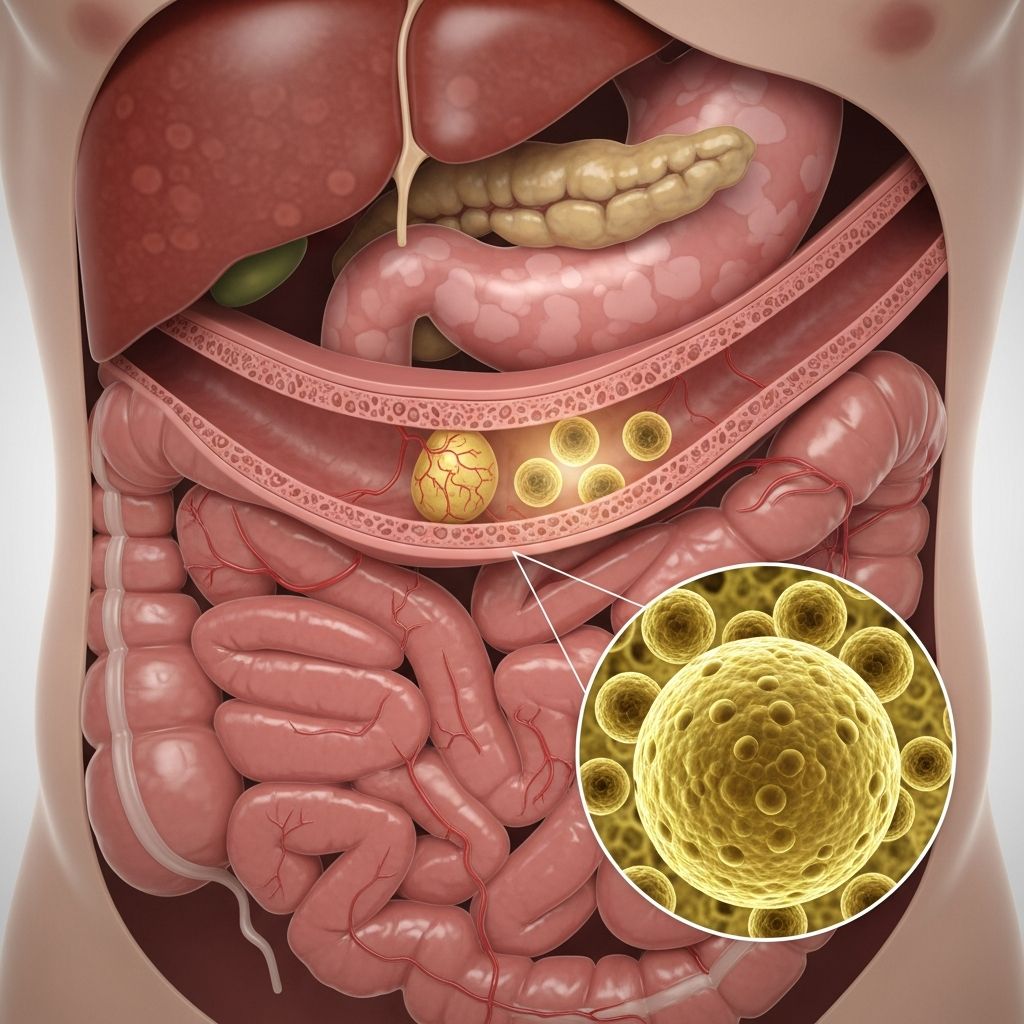
What Are Carcinoid Tumors?
Carcinoid tumors are rare, slow-growing neuroendocrine tumors that arise from specialized cells found throughout the body. These tumors develop from neuroendocrine cells, which are responsible for producing hormones and neurotransmitters that regulate various body functions. Carcinoid tumors most commonly originate in the gastrointestinal tract, including the appendix, small intestine, and rectum, though they can also develop in the lungs and other organs. Unlike many other cancers, carcinoid tumors typically grow slowly, and some patients may not experience symptoms for years after the tumor begins developing.
The term “carcinoid” refers to the tumor’s appearance under a microscope and its neuroendocrine origin. These tumors can be classified as either functional, meaning they produce hormones that cause symptoms, or non-functional, meaning they do not produce sufficient hormones to cause noticeable effects. Understanding the nature and location of a carcinoid tumor is crucial for determining the appropriate treatment strategy and predicting patient outcomes.
Classification and Types
Carcinoid tumors are classified based on their histopathological characteristics, mitotic activity, and presence of necrosis. The World Health Organization and International Association for the Study of Lung Cancer (WHO/IASLC) classification system categorizes pulmonary neuroendocrine tumors into several grades:
| Grade | Nomenclature | Characteristics |
|---|---|---|
| Low | Typical Carcinoid | Carcinoid morphology with fewer than two mitoses per 10 high power fields, no necrosis, greater than 0.5 cm diameter |
| Intermediate | Atypical Carcinoid | Carcinoid morphology with two to ten mitoses per 10 high power fields or foci of necrosis |
| High | Large-Cell Neuroendocrine Carcinoma | Neuroendocrine structure with greater than ten mitoses per 10 high power fields, extensive necrosis, cytology resembling non-small-cell lung cancer |
| High | Small-Cell Carcinoma | Small cell size with scant cytoplasm, nuclei with finely granular chromatin, greater than eleven mitoses per 10 high power fields, extensive necrosis |
Pulmonary carcinoid tumors represent approximately one to two percent of all lung malignancies, and roughly twenty-five percent of all carcinoid tumors originate in the lung. Typical carcinoid tumors generally have a more favorable prognosis compared to atypical carcinoid tumors, which represent a more aggressive phenotype with frequent recurrences being reported.
Symptoms and Clinical Presentation
Many patients with carcinoid tumors may not experience symptoms in the early stages, as these tumors typically grow slowly. However, when symptoms do occur, they depend largely on the location of the tumor and whether it produces hormones. Patients with functional carcinoid tumors may experience symptoms related to hormone excess, while those with non-functional tumors may have symptoms related to tumor size or metastatic disease.
Common symptoms include:
- Abdominal pain or cramping
- Diarrhea or changes in bowel habits
- Flushing of the skin, particularly on the face and upper body
- Shortness of breath or wheezing
- Heart palpitations or abnormal heart rhythm
- Unintentional weight loss
- Fatigue and weakness
- Nausea and vomiting
Carcinoid syndrome, a particular group of symptoms occurring in some patients with advanced carcinoid tumors, results from hormone secretion and includes flushing, diarrhea, and cardiac manifestations. This syndrome typically develops when carcinoid tumors metastasize to the liver, allowing hormones to enter the systemic circulation without first-pass hepatic metabolism.
Risk Factors and Causes
The exact cause of carcinoid tumors remains unclear, though certain factors may increase the risk of developing these tumors. Some carcinoid tumors run in families, particularly those associated with multiple endocrine neoplasia type 1 (MEN-1) syndrome or familial carcinoid syndrome. These hereditary forms account for a small percentage of all carcinoid tumors, but individuals with a family history should discuss screening options with their healthcare providers.
Related Stories



Most carcinoid tumors occur sporadically without a clear hereditary pattern. Age may also be a contributing factor, as carcinoid tumors are more commonly diagnosed in middle-aged and older adults. Additionally, certain underlying conditions, such as chronic atrophic gastritis or pernicious anemia, may increase the risk of developing gastric carcinoid tumors through mechanisms involving chronic hypergastrinemia.
Diagnosis and Imaging
Diagnosing carcinoid tumors often requires a combination of clinical evaluation, laboratory testing, and imaging studies. A computed tomography (CT) scan is frequently used to evaluate the primary tumor location and assess for metastatic spread to other organs. The imaging appearance of carcinoid tumors can be distinctive, though other entities may mimic their appearance, emphasizing the importance of radiological expertise in interpretation.
Endoscopic ultrasound (EUS) may be employed to evaluate carcinoid tumors of the gastrointestinal tract, providing detailed visualization of the tumor and surrounding tissues. For pancreatic neuroendocrine tumors, interventional radiology techniques may be used to sample blood from specific locations around the pancreas to determine hormone-secreting status.
Laboratory tests may include:
- 24-hour urine 5-hydroxyindoleacetic acid (5-HIAA) measurement for carcinoid syndrome assessment
- Serum chromogranin A levels, a tumor marker for neuroendocrine tumors
- Blood glucose and insulin levels for functional pancreatic tumors
- Liver function tests to assess hepatic involvement
Biopsy confirmation is essential for definitive diagnosis. Histopathological examination allows pathologists to determine tumor grade using Ki-67 staining and mitotic counting, both critical for establishing prognosis and guiding treatment decisions. Accurate grading is particularly important, as it represents the most significant predictor of long-term outcome for patients with neuroendocrine tumors.
Treatment Options
Treatment of carcinoid tumors depends on several factors, including tumor location, grade, stage, and whether the tumor is functional or non-functional. A multidisciplinary team approach, incorporating surgeons, medical oncologists, radiation oncologists, and other specialists, is essential for optimal patient management.
Surgical Management
Surgery remains the primary treatment modality for most carcinoid tumors when the tumor is resectable. For small, well-differentiated pancreatic neuroendocrine tumors less than two centimeters, surgical resection typically results in cure for virtually all patients. The extent of surgery depends on tumor location and size; for example, small appendiceal carcinoid tumors may require simple appendectomy, while larger tumors may necessitate more extensive resection with regional lymph node removal.
For advanced or metastatic disease, surgical cytoreduction may be considered to reduce tumor burden and alleviate symptoms, even when complete resection is not possible. Median time to recurrence following surgical resection for pulmonary carcinoid tumors is approximately 2.5 years for atypical carcinoid and 6.3 years for typical carcinoid, though these differences may not reach statistical significance in smaller patient populations.
Systemic Therapy
For advanced carcinoid tumors that cannot be completely resected, systemic therapies may be recommended. Platinum-based chemotherapy with etoposide has demonstrated moderate effectiveness for both typical and atypical carcinoid tumors, with radiological response rates around 23.5 percent. However, carcinoid tumors are generally less chemotherapy-responsive compared to small-cell lung cancer.
Somatostatin analogs represent another treatment option for carcinoid tumors. While these agents have limited activity in terms of tumor radiological response, several patients maintain prolonged stable disease with this treatment approach. Median overall survival from the time of advanced disease diagnosis is approximately 7.1 years, ranging from four years for atypical carcinoid patients to more than ten years for typical carcinoid patients.
Management of Carcinoid Syndrome
For patients experiencing carcinoid syndrome symptoms, treatment focuses on symptom management and hormone suppression. Somatostatin analogs are the primary pharmacological agents used, effectively controlling flushing and diarrhea in most patients. Dietary modifications, including avoidance of foods that trigger flushing, may provide additional symptomatic relief.
Metastatic Disease and Long-Term Outcomes
Carcinoid tumors, particularly those originating in the gastrointestinal tract, can metastasize to the liver, affecting treatment decisions and prognosis. Liver metastases are present in approximately twenty to thirty percent of patients at diagnosis and may develop later in the disease course even after apparently successful primary tumor resection.
The prognosis for carcinoid tumors varies considerably based on histological grade. Patients with advanced atypical carcinoid tumors have significantly poorer prognosis compared to those with advanced typical carcinoid tumors. However, the long natural history of this disease means that some patients maintain stable disease for extended periods even with metastatic involvement.
Multidisciplinary Care Approach
Managing carcinoid tumors effectively requires expertise from multiple medical specialties. Centers of excellence like Johns Hopkins employ multidisciplinary teams including experienced surgeons, radiologists, interventional radiologists, pathologists, medical oncologists, radiation oncologists, gastroenterologists, and geneticists, supported by nurses, nurse practitioners, and physician assistants. This collaborative approach recognizes that no two patients with a carcinoid tumor are identical and ensures that treatment plans are individualized based on specific patient and tumor characteristics.
Frequently Asked Questions
Q: How common are carcinoid tumors?
A: Carcinoid tumors are rare neuroendocrine tumors. Pulmonary carcinoid tumors represent approximately one to two percent of all lung malignancies, with about twenty-five percent of carcinoid tumors originating in the lung.
Q: Are carcinoid tumors always cancerous?
A: While carcinoid tumors are classified as neuroendocrine tumors and can be malignant, they typically grow slowly compared to other cancers. Classification depends on histological grade, with typical carcinoid tumors having a generally more favorable prognosis than atypical carcinoid tumors.
Q: Can carcinoid tumors run in families?
A: Yes, some carcinoid tumors are hereditary and associated with conditions like multiple endocrine neoplasia type 1 (MEN-1) syndrome. Individuals with a family history of carcinoid tumors should discuss genetic counseling and screening with their healthcare providers.
Q: What is carcinoid syndrome?
A: Carcinoid syndrome develops in some patients with advanced carcinoid tumors that have metastasized to the liver. It results from hormone secretion and includes symptoms such as flushing, diarrhea, heart palpitations, and shortness of breath.
Q: What is the survival rate for carcinoid tumors?
A: Survival varies based on tumor type and stage. Median survival from the time of advanced disease diagnosis is approximately 7.1 years, ranging from four years for atypical carcinoid to more than ten years for typical carcinoid tumors.
Q: How are carcinoid tumors treated?
A: Treatment depends on tumor location, grade, and stage. Surgery is the primary treatment for resectable tumors, while systemic therapies like platinum-based chemotherapy and somatostatin analogs are used for advanced disease. A multidisciplinary team approach ensures individualized, optimal care.
References
- Systemic Therapy, Clinical Outcomes, and Overall Survival in Patients with Advanced Pulmonary Carcinoid Tumors — National Center for Biotechnology Information (NCBI), National Library of Medicine. 2014. https://pmc.ncbi.nlm.nih.gov/articles/PMC4322909/
- Neuroendocrine Tumors – Pancreatic Cancer — Johns Hopkins Pathology. Accessed 2025. https://pathology.jhu.edu/pancreas/neuroendocrine
- Syndromic Neuroendocrine Tumors — Johns Hopkins Pathology. Accessed 2025. https://pathology.jhu.edu/pancreas/neuroendocrine/syndromic-vs-non-syndromic
- Neuroendocrine/Carcinoid Tumors: Clinical Features and Management — Johns Hopkins University Medical School. 2024. https://www.asurgery.gr/wp-content/uploads/2024/04/@Johns-Hopkins-Liver-Tumor-Center_-Neuroendocrine_Carcinoid-Tumors.pdf
Similar Articles








Read full bio of Sneha Tete