Carcinoma In Situ Of Oral Cavity: Diagnosis & Treatment
Understanding carcinoma in situ of the oral cavity: early detection, risk factors, diagnosis, and effective treatment strategies for optimal outcomes.
Author: Dr. Reviewed by: Adapted and synthesized from authoritative medical sources
What is carcinoma in situ of oral cavity?
Carcinoma in situ (CIS) of the oral cavity is the earliest form of squamous cell carcinoma, classified as stage 0 oral cancer. It involves full-thickness dysplasia confined to the epithelium without invasion through the basement membrane into underlying connective tissue. This precancerous condition affects the mucosal lining of the mouth, including lips, tongue, floor of mouth, buccal mucosa, gingiva, and hard palate. CIS has significant potential to progress to invasive carcinoma if untreated, but early detection allows for cure rates approaching 100% with appropriate intervention.
The oral cavity comprises lips, buccal mucosa (inner cheeks), gums (gingiva), anterior two-thirds of tongue, floor of mouth, hard palate, and retromolar trigone (area behind wisdom teeth). Most CIS arises from squamous epithelium, the flat cells lining these surfaces. Abnormal cellular changes begin in the basal layer and extend suprabasally, replacing normal architecture while remaining non-invasive.
Who gets carcinoma in situ of oral cavity?
CIS predominantly affects adults over age 40, with peak incidence in the 6th-7th decades, though younger patients with heavy risk factor exposure may develop it. Men are affected 2-4 times more frequently than women, largely due to higher tobacco and alcohol use prevalence. High-risk populations include chronic tobacco users (smoking or smokeless), heavy alcohol consumers, betel nut chewers (especially in South Asia), and those with human papillomavirus (HPV) infection, particularly HPV-16.
- Tobacco: Primary risk factor; risk increases with pack-years and smokeless forms like snuff
- Alcohol: Synergistic with tobacco; >30g/day doubles risk
- Betel quid/areca nut: Common in Asia; 8-fold risk increase
- HPV: Oropharyngeal link stronger, but oral HPV increases CIS risk
- Other: Poor oral hygiene, chronic irritation (dentures, sharp teeth), immunosuppression, prior radiation, genetic syndromes (e.g., Fanconi anaemia)
Geographic variation is notable: highest incidence in India, Taiwan, Papua New Guinea due to betel chewing; lower in Western countries but rising with HPV.
What causes carcinoma in situ of oral cavity?
Carcinogenesis follows a multistep process from normal mucosa → hyperplasia → dysplasia → CIS → invasive carcinoma. Key aetiological agents induce genetic mutations in oncogenes (e.g., TP53, RAS) and tumour suppressors, with field cancerisation explaining multifocal lesions.
| Risk Factor | Mechanism | Relative Risk |
|---|---|---|
| Tobacco | Carcinogens (nitrosamines, PAH) cause DNA adducts | 5-15x |
| Alcohol | Solvent for carcinogens; folate deficiency; direct mucosal damage | 2-5x |
| Tobacco + Alcohol | Synergistic | 30-150x |
| Betel/Areca | Alkaloids generate reactive oxygen species | 8x |
| HPV-16/18 | Viral oncoproteins E6/E7 inactivate p53/Rb | 2-4x |
Chronic inflammation from candidiasis or mechanical irritation promotes progression. Immunosuppression (HIV, transplant patients) accelerates field changes.
What are the clinical features of carcinoma in situ of oral cavity?
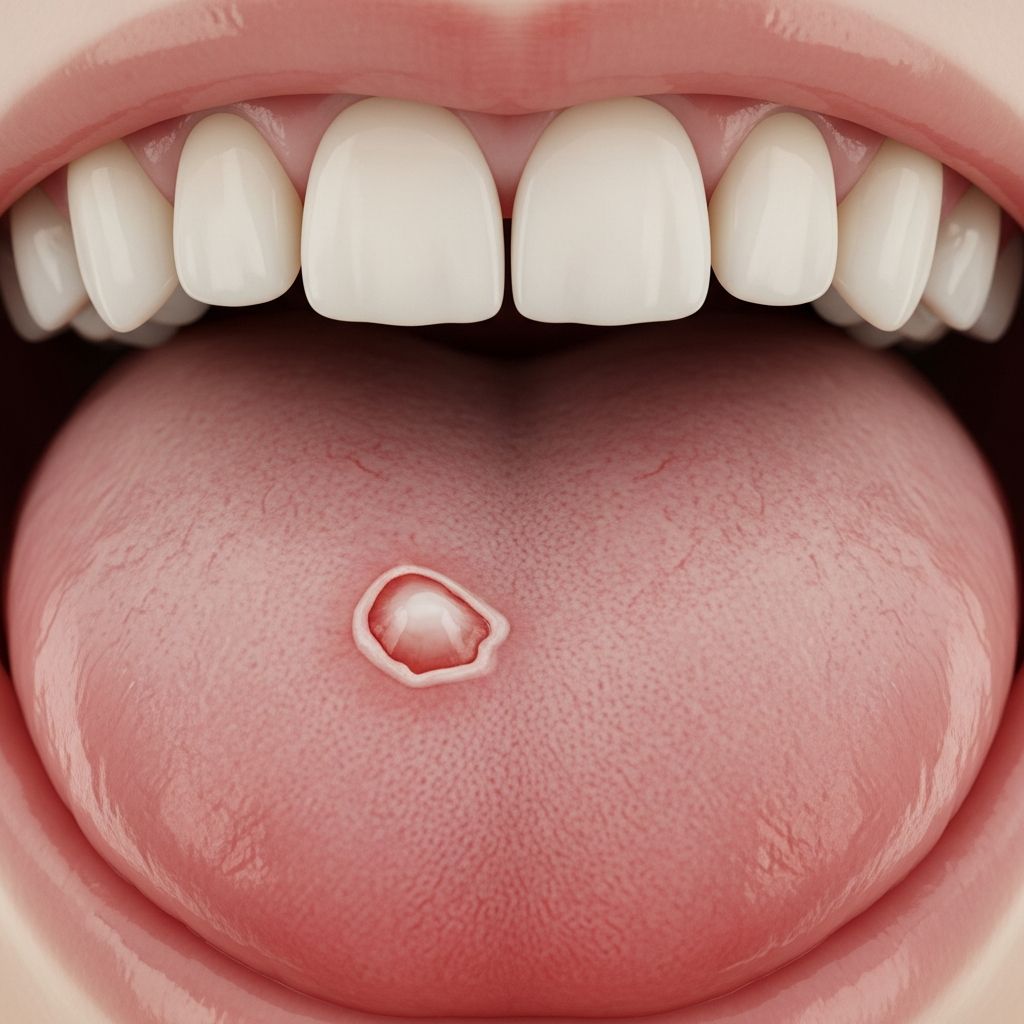
CIS appears as asymptomatic or mildly symptomatic mucosal alterations persisting >2 weeks. Common presentations include:
- Leukoplakia: Homogeneous white patch (70% CIS risk if non-homogeneous/speckled)
- Erythroplakia: Red velvety patch (90% contain dysplasia/CIS)
- Erythroleukoplakia: Mixed red/white speckled (highest malignant potential)
- Proliferative verrucous leukoplakia: Multifocal, progressive white plaques (70-100% CIS/invasive)
Related Stories



Sites of predilection: floor of mouth (35%), ventrolateral tongue (30%), soft palate/uvula (20%), lower lip vermilion. Lesions measure 0.5-2cm, irregular borders, may be indurated or ulcerated. Symptoms if present: soreness, burning, restricted tongue movement, referred otalgia.
How is carcinoma in situ of oral cavity diagnosed?
Diagnosis requires clinicopathologic correlation.
Clinical assessment
Complete head/neck exam, vital staining (toluidine blue/Lugol’s iodine), lesion photography. High-risk features prompt biopsy.
Histopathology (gold standard)
Incisional biopsy with 3-5mm margins. Features:
- Full-thickness atypia: loss of polarity/stratification/cohesion
- Cytology: enlarged hyperchromatic nuclei, increased N:C ratio, mitoses
- Basement membrane intact (vs invasive)
Severe dysplasia = CIS. HPV testing (p16 IHC, PCR) for oropharyngeal association.
Adjuncts
ViziLite, Microlux DL, VELscope autofluorescence, OCT for margins.
What is the treatment for carcinoma in situ of oral cavity?
Treatment aims for complete excision with negative margins (<1mm close), addressing risk factors.
Surgical excision (first-line)
CO2 laser ablation or scalpel excision to basement membrane + 3-5mm margins. Recurrence 10-20% if incomplete.
Other modalities
- Photodynamic therapy (PDT): Effective for multifocal; 80-90% response
- Cryotherapy: Small lesions
- Imiquimod topical: 50-70% clearance
- Observation: Selected low-risk after risk factor cessation
Follow-up: q3 months x2y, q6 months x3y, annual. 5-year recurrence-free survival >90%.
What is the outcome for carcinoma in situ of oral cavity?
Excellent prognosis when treated early. Progression risk 10-30% if untreated; post-treatment recurrence 5-15%, second primary risk 10%/year. Mortality negligible if non-invasive confirmed. Factors predicting progression: size>200mm², high-risk site, moderate-severe dysplasia, DNA aneuploidy.
How can carcinoma in situ of oral cavity be prevented?
Primary prevention targets modifiable risks:
- Tobacco cessation (reduces risk 50% in 5y)
- Alcohol moderation (<14 units/wk)
- Avoid betel products
- HPV vaccination (Gardasil9)
- Regular dental exams (annual screening)
Secondary: Early biopsy suspicious lesions, chemoprevention (retioids, COX-2 inhibitors) in high-risk.
FAQ
Is carcinoma in situ of oral cavity cancer?
CIS is stage 0 cancer – precancerous but with high progression potential. Treated as cancer to prevent invasion.
Does oral CIS always progress to invasive cancer?
No, 10-30% untreated progression rate; complete excision curative.
How is CIS distinguished from leukoplakia?
Leukoplakia clinical; CIS histopathologic diagnosis. 5-25% leukoplakia contain CIS.
Can CIS be cured?
Yes, >95% cure rate with adequate excision.
What follow-up after CIS treatment?
Lifelong q3-6 months initially due to field effect/second primary risk.
References
- Oral Cavity (Mouth) Cancer Signs and Symptoms — Moffitt Cancer Center. 2023. https://www.moffitt.org/cancers/oral-cavity-mouth-cancer/symptoms/
- Understanding the Stages, Treatment, and Symptoms of Oral Cancer — Claybrooke Dental. 2024. https://www.claybrookedental.com/blog/understanding-the-stages-treatment-and-symptoms-oral-cancer/
- Oral cancer symptoms, diagnosis and treatment — UCHealth. 2024. https://www.uchealth.org/diseases-conditions/oral-cancer/
- Mouth cancer – Symptoms and causes — Mayo Clinic. 2025-01-15. https://www.mayoclinic.org/diseases-conditions/mouth-cancer/symptoms-causes/syc-20350997
- Early Signs Of Oral Cancer — The Grove Family Smiles. 2023. https://www.thegrovefamilysmiles.com/articles/early-signs-of-oral-cancer
- Mouth Cancer Stages 0, 1, 2, 3, 4 — Memorial Sloan Kettering Cancer Center. 2024. https://www.mskcc.org/cancer-care/types/mouth/mouth-cancer-diagnosis/mouth-cancer-stages
- What Are Oral Cavity and Oropharyngeal Cancers? — American Cancer Society. 2025. https://www.cancer.org/cancer/types/oral-cavity-and-oropharyngeal-cancer/about/what-is-oral-cavity-cancer.html
Similar Articles








Read full bio of Sneha Tete