Carcinoma: Types, Causes, Treatment & Prognosis
Complete guide to carcinoma: understanding epithelial tissue cancers, diagnosis, and treatment options.
What Is Carcinoma?
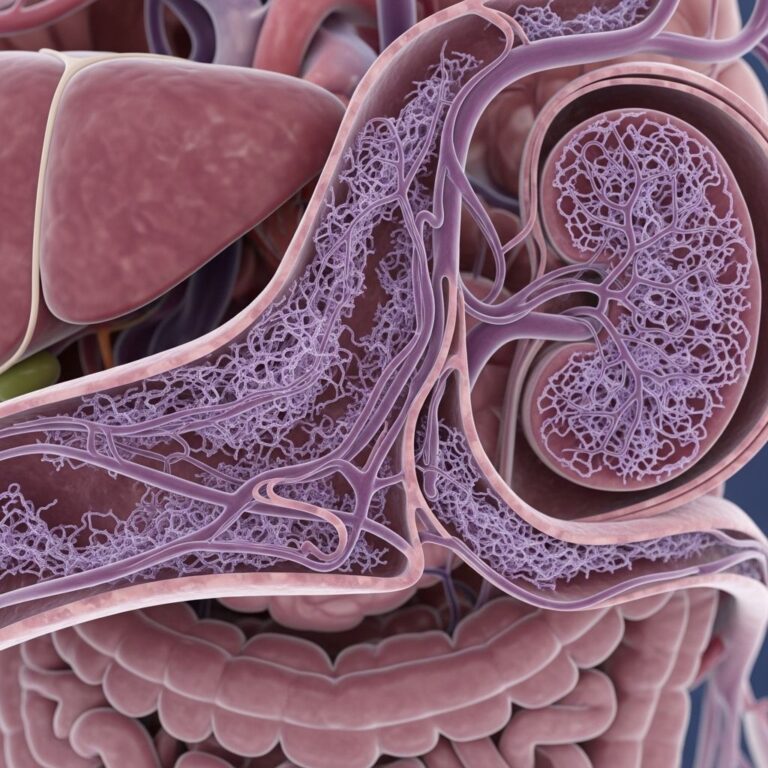
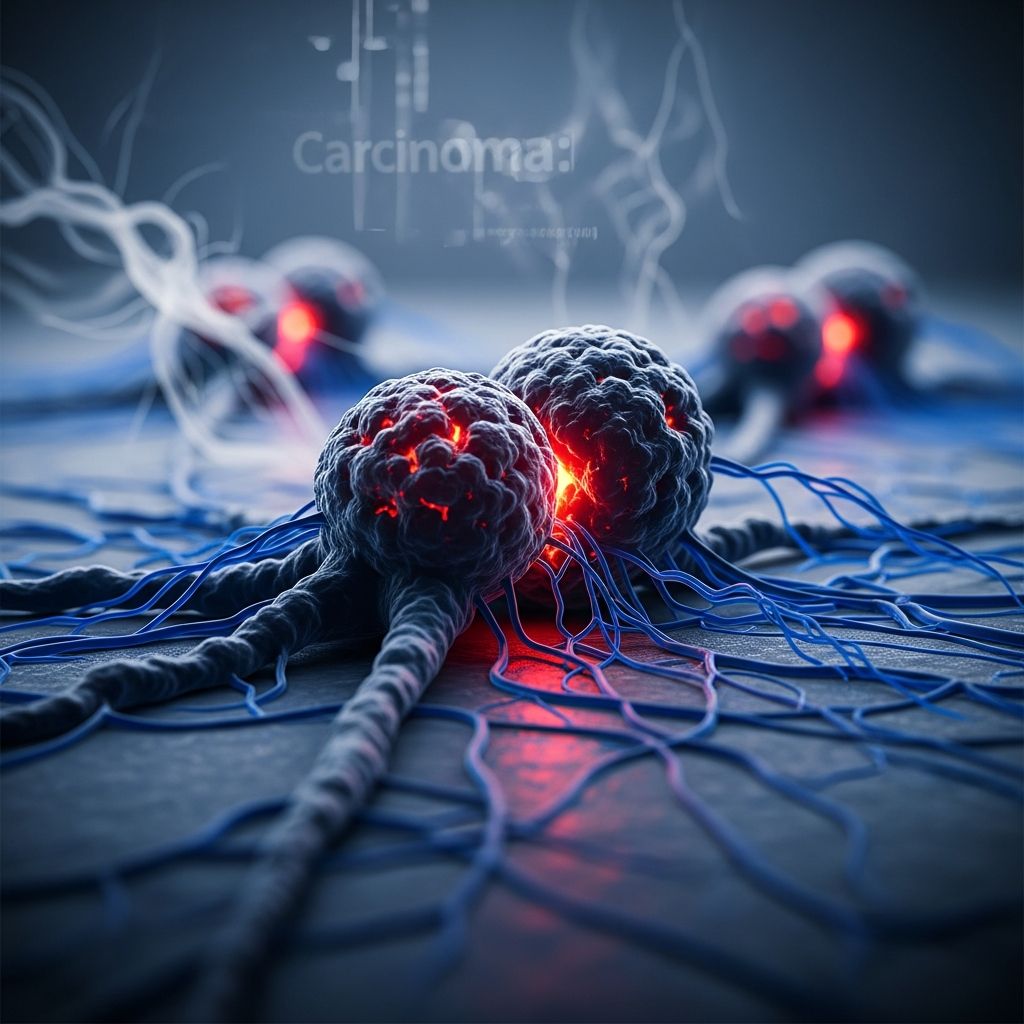
Carcinoma is a type of cancer that originates in epithelial tissue, which lines most of your organs, internal passageways in your body (such as your esophagus), and your skin. Epithelial tissue serves as a protective barrier and is found throughout the body in various organs and structures. When cells in this tissue begin to grow abnormally and multiply uncontrollably, carcinoma develops. This makes carcinoma the most frequently diagnosed form of cancer, accounting for the majority of cancer diagnoses worldwide. The majority of cancers affecting your skin, breasts, kidney, liver, lungs, pancreas, prostate gland, head and neck are classified as carcinomas.
As carcinoma cells grow and multiply, they form solid masses called tumors. These tumors can remain localized or become dangerous when cancer cells break away from the original tumor and spread to other parts of your body, a process known as metastasis. Understanding the nature of carcinoma is essential for both prevention and early detection, as prompt identification and treatment significantly improve outcomes.
Types of Carcinoma
There are multiple cancers classified as carcinomas, each with distinct characteristics and treatment approaches. The most common carcinoma types include the following:
Basal Cell Carcinoma
Basal cell carcinoma (BCC) is the most common type of skin cancer, originating in the basal cells of the epidermis. It typically grows slowly and rarely spreads to other parts of the body. BCC usually appears as a pearly or waxy bump on sun-exposed areas of the skin, particularly the face, ears, and hands. Despite being the most common form of carcinoma, it has an excellent prognosis when detected early.
Squamous Cell Carcinoma
Squamous cell carcinoma develops in the squamous cells, which are flat cells found on the outer layer of the skin and lining of various body cavities. This type of carcinoma is also primarily associated with sun exposure and typically affects the skin. It grows more quickly than basal cell carcinoma but still has a favorable prognosis when caught early and treated appropriately.
Merkel Cell Carcinoma
Merkel cell carcinoma is a rare but aggressive form of skin cancer that develops in the Merkel cells, which are responsible for touch sensation in the skin. Unlike basal cell and squamous cell carcinomas, Merkel cell carcinoma tends to grow and spread rapidly, making early detection and aggressive treatment critical for positive outcomes.
Adenocarcinoma
Adenocarcinoma is a type of carcinoma that develops in glandular epithelial cells, which produce mucus or other secretions. These cancers can occur in various organs, including the lungs, colon, stomach, pancreas, and breast. Adenocarcinomas of the lung are particularly common in non-smokers, while colorectal adenocarcinomas remain a leading cause of cancer-related deaths.
Breast Carcinoma
Breast carcinoma includes ductal carcinoma (developing in the ducts that carry milk) and lobular carcinoma (developing in the glands that produce milk). These are among the most common carcinomas in women, though men can also develop breast cancer. Early detection through screening mammography significantly improves treatment outcomes.
Related Stories



Other Common Carcinomas
Additional common carcinomas include renal cell carcinoma (kidney cancer), hepatocellular carcinoma (liver cancer), and pancreatic carcinoma. Each of these types has specific risk factors, presentation patterns, and treatment considerations that your healthcare provider will discuss with you.
Risk Factors and Prevention
Understanding potential risk factors for carcinoma can help you take preventive measures and communicate effectively with your healthcare provider. Your provider will conduct a thorough medical history and review your family medical history to identify factors that may increase your carcinoma risk. Key risk factors include:
- Tobacco and alcohol use
- Prolonged sun exposure
- Family history of cancer
- Certain viral infections (such as human papillomavirus)
- Chronic inflammatory conditions
- Occupational exposures to carcinogens
- Obesity and unhealthy lifestyle factors
- Hormonal factors and estrogen exposure
For example, if a close family member had breast cancer, your provider may recommend early screenings or more frequent breast exams. They may also recommend genetic testing to determine if you have gene mutations that indicate a greater risk of carcinoma. Knowing your family history and communicating it to your healthcare provider enables personalized risk assessment and screening recommendations.
Diagnosis and Screening
Early diagnosis of carcinoma significantly improves treatment outcomes and survival rates. Your provider will conduct a comprehensive evaluation if they suspect you have carcinoma. They will ask you about your symptoms, conduct a thorough physical examination, and review your medical and family history. Your provider may recommend any of the following tests or procedures:
- Imaging studies (CT scans, MRI, ultrasound, X-rays)
- Biopsy (removal of tissue sample for pathological examination)
- Blood tests and tumor markers
- Endoscopy (visualization of internal organs)
- Mammography or other specialized screening
- Genetic testing for hereditary cancer syndromes
A biopsy is often the definitive diagnostic test, as it allows pathologists to examine cells microscopically and confirm the presence of cancer. The pathology report provides critical information about the cancer type, grade, and specific characteristics that influence treatment decisions.
Cancer Staging
An essential part of diagnosis involves staging cancer. Staging allows your provider to document a tumor’s size, lymph node spread or spread to other parts of your body. It also provides important information about its spread and helps guide treatment planning and prognosis discussion. The TNM staging system is commonly used, where:
- T represents the tumor size and depth of invasion
- N indicates involvement of regional lymph nodes
- M denotes presence or absence of distant metastases
Carcinomas are classified into several stages:
- Carcinoma in situ: Cancer cells are present only in the epithelial layer and have not invaded deeper tissues
- Stage I: Small tumor without lymph node involvement or distant spread
- Stage II: Larger tumor or with limited lymph node involvement
- Stage III: Significant lymph node involvement
- Stage IV: Distant metastases present (metastatic carcinoma)
Stage and grade information helps your oncologist determine the most appropriate treatment approach for your specific situation.
Treatment Options
Carcinoma treatment depends on various factors, including your overall health, stage of the tumor, details of the biopsy report such as pathology, your age and what you want out of treatment. Your provider will discuss a care plan with you that matches your unique situation. Depending on your diagnosis, treatment may be curative, palliative or both.
Curative and Palliative Care
The goal of curative treatment is remission. Complete cancer remission means that the signs and symptoms of the cancer are no longer present. Palliative care can help you manage cancer symptoms and also empower you to feel more comfortable and confident with care decisions as you navigate life with a cancer diagnosis. Many patients benefit from combining curative and palliative approaches, addressing both disease control and quality of life.
Common Treatment Modalities
Treatment options for carcinoma typically include:
- Surgery: Removal of the tumor and surrounding tissue, often the primary treatment for localized carcinoma
- Chemotherapy: Systemic medication that can be used before surgery to shrink tumors, after surgery to eliminate remaining cancer cells, or as primary treatment for advanced disease
- Radiation Therapy: High-energy beams directed at cancerous tissue to destroy cancer cells
- Targeted Therapy: Medications designed to attack specific molecular characteristics of cancer cells
- Immunotherapy: Treatment that enhances the body’s immune response to recognize and destroy cancer cells
- Hormone Therapy: Used for hormone-sensitive carcinomas such as some breast and prostate cancers
Treatment plans are individualized based on cancer characteristics, patient health status, and personal preferences regarding treatment aggressiveness and potential side effects.
Prognosis and Survival Rates
Carcinoma’s seriousness depends on the type of carcinoma, where it’s located, when you were diagnosed, and how much it’s spread, among other factors. Generally, metastatic carcinoma is more serious than carcinoma in situ. Slow-growing carcinoma like basal cell carcinoma tends to be less serious than fast-growing cancers, like Merkel cell carcinoma.
Some forms of carcinoma can be cured with early detection and early treatment. For instance, basal cell carcinoma (BCC) has a 100% five-year survival rate. This means that people with BCC are just as likely to be alive five years after diagnosis as someone without a BCC diagnosis. Squamous cell carcinoma has a similar five-year survival rate of 95%. These excellent survival rates underscore the importance of early detection and prompt treatment for skin carcinomas.
Your outlook depends on specific factors that only you and your provider know. Ask your provider about what your diagnosis and health mean for your prognosis. Factors influencing prognosis include tumor grade, stage at diagnosis, patient age, overall health status, and response to initial treatment.
Is Carcinoma Serious?
Many people who learn they have carcinoma rightfully wonder, is it serious? The honest answer can feel frustrating. It depends. Having carcinoma means that cancer has formed in a specific type of tissue. Other factors, like the size of the tumor, where it’s located in your body, whether it’s spread, etc., may provide better information about what’s involved in your treatment plan. These details also inform the likelihood of getting rid of cancer over the long term.
Carcinoma is different from other cancers that aren’t often associated with tumors, like leukemia. Carcinoma cells can be treated early before multiplying and becoming a mass (tumor). Untreated, however, carcinoma usually forms a tumor. This distinction is important because early intervention during the pre-tumor stage can often prevent progression to invasive disease.
Early Detection and Prevention
First, it helps to know potential risk factors and communicate them with your provider. Regular screening for those at high risk, awareness of warning signs, and prompt evaluation of suspicious symptoms are essential components of carcinoma prevention and early detection. Risk factors vary by carcinoma type, so personalized screening recommendations should be discussed with your healthcare provider based on your individual risk profile and family history.
Living with Carcinoma
A cancer diagnosis requires ongoing collaboration between you and your healthcare team. Ask your provider about how the characteristics of your carcinoma and your health influence your chance of remission. Regular follow-up appointments, imaging studies, and laboratory tests help monitor for recurrence or progression. Support groups, counseling services, and educational resources can help you navigate the emotional and practical challenges of living with a cancer diagnosis.
Frequently Asked Questions
Q: What is the difference between carcinoma and other types of cancer?
A: Carcinoma is a cancer that develops in epithelial tissue lining organs, skin, and internal passageways. Other cancer types include sarcomas (in connective tissue), leukemias (in blood cells), and lymphomas (in lymphoid tissue). Carcinoma accounts for the majority of all cancer diagnoses.
Q: Can carcinoma be cured?
A: Some forms of carcinoma, particularly when detected early, can be cured or result in long-term remission. For example, basal cell carcinoma has a 100% five-year survival rate with appropriate treatment. However, curability depends on the specific type, stage, location, and individual patient factors.
Q: What are the warning signs of carcinoma?
A: Warning signs vary by carcinoma type and location but may include unusual growths or lesions, persistent pain, changes in skin appearance, unexplained weight loss, persistent cough, or changes in bowel or bladder habits. Any concerning symptoms should be evaluated by a healthcare provider.
Q: How is carcinoma staged?
A: Carcinoma is typically staged using the TNM system (Tumor size, Nodal involvement, and Metastases), resulting in stage classifications from I to IV. Staging determines cancer extent and guides treatment planning. Your provider will discuss your specific stage and what it means for your treatment.
Q: What should I do if I have a family history of carcinoma?
A: Discuss your family history with your healthcare provider. They may recommend earlier or more frequent screening, genetic testing for hereditary cancer syndromes, and counseling about risk reduction strategies specific to your family’s cancer history.
Q: Are all carcinomas life-threatening?
A: Not all carcinomas are equally serious. Slow-growing carcinomas like basal cell carcinoma have excellent prognosis, while aggressive types like Merkel cell carcinoma require more intensive treatment. Prognosis depends on type, stage, location, and other individual factors.
References
- Carcinoma: Types, Treatment & What it Is — Cleveland Clinic. 2022-05-31. https://my.clevelandclinic.org/health/diseases/23180-carcinoma
- Cancer Overview: What Is Cancer? — National Cancer Institute, U.S. National Institutes of Health. Updated 2024. https://www.cancer.gov/about-cancer/understanding/what-is-cancer
- TNM Classification of Malignant Tumors — American Joint Committee on Cancer (AJCC). 8th Edition. https://www.facs.org/quality-programs/cancer/ajcc
- Skin Cancer Screening and Prevention — Centers for Disease Control and Prevention (CDC). Updated 2024. https://www.cdc.gov/cancer/skin/index.htm
- Principles of Cancer Treatment — American Cancer Society. Updated 2024. https://www.cancer.org/treatment/understanding-your-diagnosis.html
Similar Articles








Read full bio of Sneha Tete