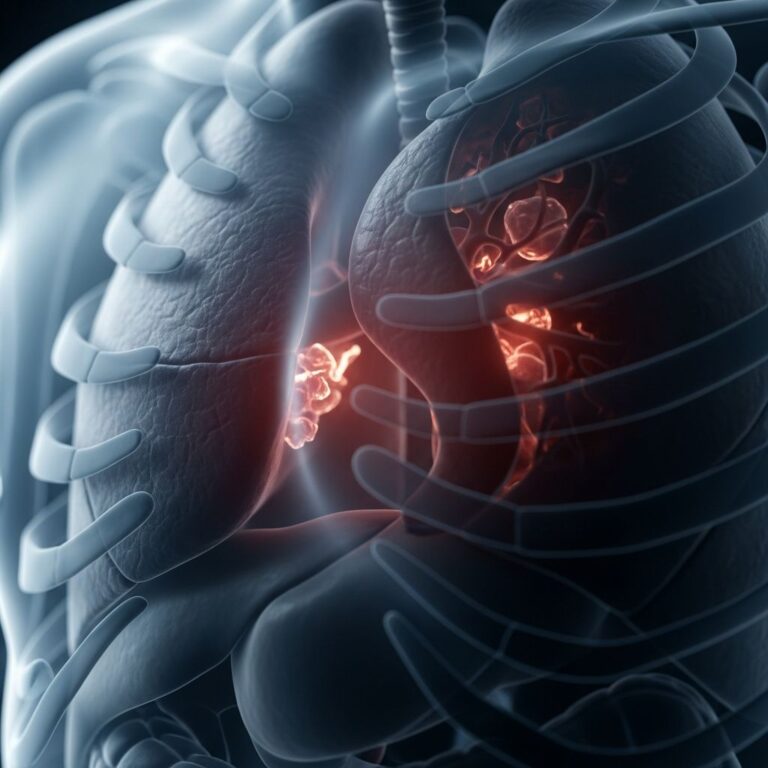
Cardiac Amyloidosis: Causes, Symptoms, and Treatment
Understanding cardiac amyloidosis: A comprehensive guide to diagnosis and management.
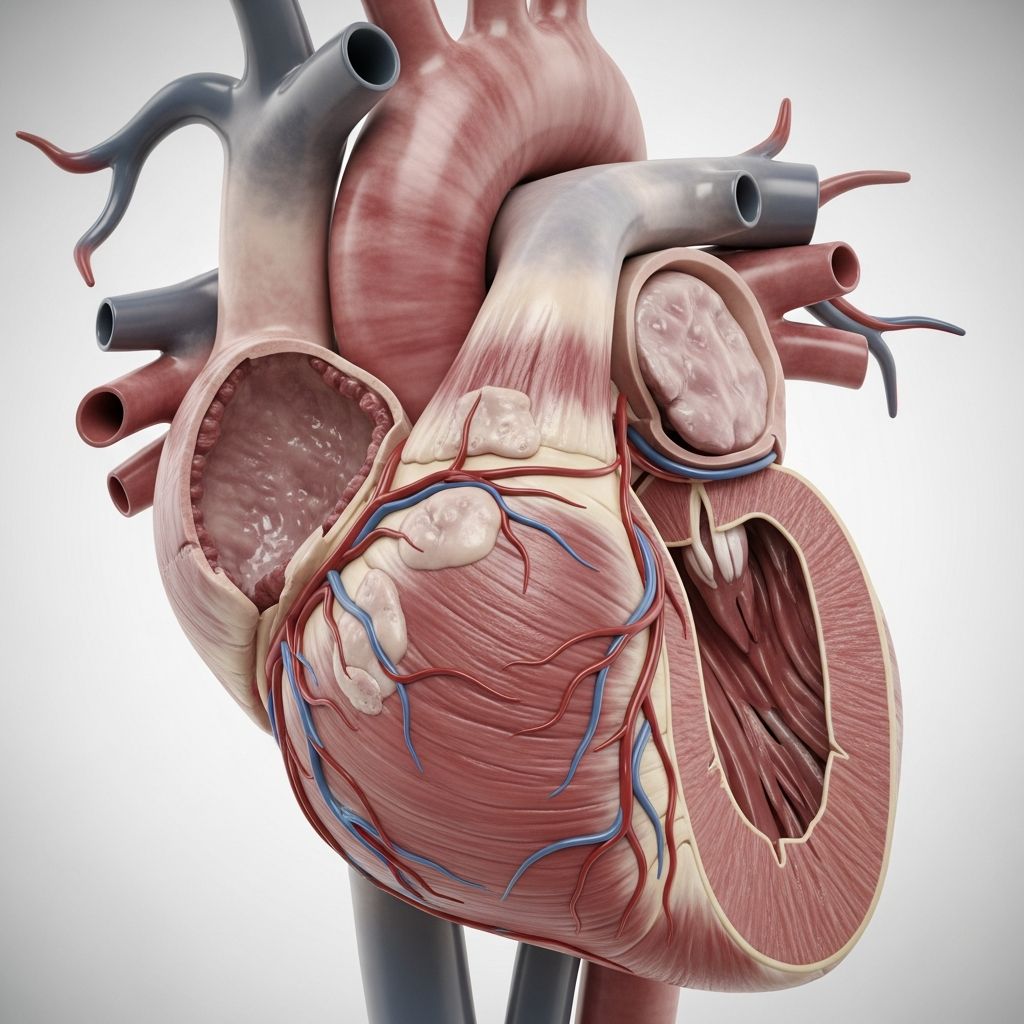
Cardiac Amyloidosis: Understanding This Infiltrative Heart Disease
Cardiac amyloidosis is a serious condition characterized by the accumulation of abnormal protein deposits in the heart muscle, known as amyloid fibrils. This infiltrative cardiomyopathy develops when these insoluble proteins replace normal heart tissue, leading to abnormal cardiac function and progressive heart failure. Often referred to as ”stiff heart syndrome,” cardiac amyloidosis represents the most typical form of restrictive cardiomyopathy, where the heart becomes stiff and cannot relax properly to fill with blood between beats. Understanding this condition is crucial for early detection and timely intervention, as advances in diagnostic techniques and treatment options have significantly improved the prognosis for patients diagnosed with this once-fatal disease.
What Is Cardiac Amyloidosis?
Cardiac amyloidosis occurs when amyloid proteins accumulate in the myocardium—the muscular layer of the heart. These proteins are misfolded and aggregate to form fibrils that deposit within the heart tissue. Over time, this abnormal protein accumulation interferes with the heart’s ability to pump blood effectively and can disrupt the heart’s electrical conduction system. The condition is part of a broader group of amyloidosis diseases, where various organs throughout the body can be affected by similar protein deposits. When the heart is the primary target organ, the consequences can be particularly serious, as the heart’s function is essential for survival.
Types of Cardiac Amyloidosis
There are several types of cardiac amyloidosis, each with distinct characteristics and progression patterns:
Light-Chain Amyloidosis (AL)
AL amyloidosis occurs when misfolded immunoglobulin light chains produced by malignant plasma cells aggregate and deposit in the heart. This form accounts for a significant portion of diagnosed cardiac amyloid cases. AL amyloidosis typically develops more rapidly and can be more aggressive than other forms. The abnormal light chains can also affect other organs, including the kidneys and liver, making it a systemic disease that requires comprehensive management.
Transthyretin Amyloidosis (ATTR)
ATTR amyloidosis results from deposits of transthyretin, a protein produced primarily by the liver. This type is further subdivided into two categories: hereditary ATTR (hATTR) and wild-type ATTR (wtATTR). Hereditary ATTR develops when individuals inherit mutations in the transthyretin gene, while wild-type ATTR occurs spontaneously without a genetic mutation and is more common in older men. The progression and severity of ATTR amyloidosis can vary significantly depending on which subtype a patient has.
Causes and Risk Factors
The development of cardiac amyloidosis involves complex pathophysiological mechanisms. The formation of amyloid fibrils results from misfolding and aggregation of specific proteins. Several factors influence an individual’s risk of developing cardiac amyloidosis:
Genetic Factors
For hereditary amyloidosis, genetic mutations in the transthyretin gene or other protein-encoding genes significantly increase risk. Individuals with a family history of amyloidosis should be aware of their increased susceptibility and consider genetic testing and screening.
Age and Demographics
Wild-type ATTR amyloidosis predominantly affects older men, typically those over 60 years of age. AL amyloidosis can develop in individuals of any age but is more common in middle-aged and elderly patients. Certain ethnic populations may have higher prevalence rates of specific amyloidosis types.
Underlying Conditions
Chronic inflammation, long-term dialysis, and underlying plasma cell disorders increase the risk of amyloidosis development. Patients with these conditions should be monitored more closely for signs of cardiac involvement.
Related Stories



Symptoms and Clinical Presentation
The symptoms of cardiac amyloidosis can vary widely depending on the stage of disease and the extent of cardiac involvement. Patients may experience progressive symptoms as the condition advances:
Common Symptoms
Early symptoms may be subtle and easily attributed to other conditions. Progressive shortness of breath, particularly with exertion or when lying flat, is common as the heart becomes stiffer and less efficient at pumping blood to the lungs. Patients often experience fatigue and weakness, even with minimal physical activity. Swelling in the legs, ankles, and feet—known as edema—occurs as the heart fails to pump blood efficiently back from the body. Irregular heartbeat or palpitations may be noticed, and some patients experience chest discomfort or pressure.
Advanced Symptoms
As cardiac amyloidosis progresses, patients may develop severe limitations in physical activity, syncope (fainting), and signs of severe heart failure. Low blood pressure and poor circulation can develop, and some patients experience carpal tunnel syndrome or other manifestations related to amyloid deposition in other tissues.
Diagnosis of Cardiac Amyloidosis
Accurate diagnosis of cardiac amyloidosis requires a comprehensive approach combining clinical evaluation with multiple diagnostic modalities. The diagnosis is often challenging due to its diverse symptoms and related comorbidities, making it essential to utilize multiple diagnostic techniques for confirmation.
Initial Evaluation
Diagnosis typically begins with a thorough medical history and physical examination, followed by electrocardiogram (ECG) and echocardiography. These initial tests can suggest the possibility of cardiac amyloidosis, particularly in individuals with characteristic findings on ECG or distinctive echocardiographic patterns.
Echocardiography
Echocardiography is typically the first imaging technique to suggest the possibility of cardiac amyloidosis. The test may reveal left ventricular hypertrophy with a granular or sparkling appearance, restrictive physiology with impaired diastolic function, and biatrial enlargement. These characteristic echocardiographic features help clinicians identify patients with restrictive cardiac physiology and myocardial wall thickening, prompting further diagnostic testing.
Cardiac Magnetic Resonance (CMR) Imaging
CMR plays a pivotal role in the non-invasive diagnosis of cardiac amyloidosis. This imaging modality is especially useful when echocardiography results are inconclusive or for differentiating cardiac amyloidosis from other conditions like hypertrophic cardiomyopathy. CMR provides comprehensive evaluation of morphological and functional abnormalities through late gadolinium enhancement (LGE), which demonstrates the accumulation of amyloid fibrils and expansion of the extracellular space. Advanced CMR techniques such as T1 mapping and extracellular volume quantification offer diagnostic and prognostic information, allowing clinicians to assess disease severity and predict outcomes.
Nuclear Medicine Imaging
Nuclear medicine bone-seeking agents, particularly pyrophosphate (PYP) scans, are useful for diagnosing the transthyretin (ATTR) amyloidosis subtype. These radionuclide imaging techniques have proven particularly valuable for ATTR amyloidosis detection and can quantify disease prognosis and treatment response.
Tissue Biopsy
Although endomyocardial biopsy is considered the gold standard for diagnosis, it is not always necessary given the sensitivity of modern non-invasive diagnostic techniques. When performed, tissue samples stained with Congo Red show characteristic apple-green birefringence under polarized light, confirming amyloid deposition. Biopsies of subcutaneous fat pads, rectal mucosa, or bone marrow can also provide diagnostic confirmation without requiring direct heart tissue sampling.
Blood and Laboratory Tests
Blood and urine protein tests, cardiac biomarker measurements, and free light chain blood tests help confirm the diagnosis and determine the amyloidosis type. These tests are essential components of the complete diagnostic approach.
Treatment Options for Cardiac Amyloidosis
The treatment approach for cardiac amyloidosis has evolved dramatically, with newer disease-modifying therapies offering hope for disease halting and potential reversal. The goal of current therapies is to reverse or arrest adverse cardiac remodeling, thereby improving patient outcomes and survival.
Symptomatic Management
Traditional heart failure medications must be used cautiously in cardiac amyloidosis patients. Beta blockers, ACE inhibitors, and angiotensin receptor antagonists, which are standard heart failure treatments, can worsen symptoms in some amyloidosis patients due to their effects on blood pressure and cardiac contractility. These medications require careful consideration and frequent de-escalation when patients experience hypotension.
Disease-Modifying Therapies
Modern disease-modifying therapies represent a significant advance in amyloidosis treatment:
Protein Stabilizers
Tafamidis is currently the first and only FDA-approved medication specifically for transthyretin-related heart failure. This stabilizer medication binds to the stable, healthy form of transthyretin, preventing its breakdown into amyloidogenic fragments. Tafamidis received expedited FDA approval following the ATTR-ACT trial, which demonstrated significant reductions in death and heart failure hospitalization, with beneficial effects observed through 30 months and beyond in long-term extension studies.
Gene Silencers
Gene silencer medications aim to shut down the production of the amyloid protein at its source, reducing the amount of abnormal protein available for fibril formation and deposition.
Anti-Amyloid Therapies
These newer medications, also called depleters, aim to remove amyloid fibrils that have already deposited in the heart, potentially allowing for disease reversal and restoration of cardiac function.
Cardiac Device Therapy
Patients with cardiac amyloidosis may require implantable devices for electrical conduction problems. An implantable cardioverter-defibrillator (AICD) may be recommended for patients at high risk of sudden cardiac death due to dangerous arrhythmias. A pacemaker may be necessary for patients with problems in heart signal conduction.
Advanced Interventions
For patients with specific types of amyloidosis and very poor heart function despite medical therapy, a heart transplant may be considered. Additionally, people with hereditary amyloidosis may benefit from liver transplantation, as the liver is the primary source of transthyretin protein. These advanced interventions are reserved for carefully selected patients with end-stage disease.
Prognosis and Long-Term Outlook
The prognosis for cardiac amyloidosis has transformed dramatically over recent decades. In the past, cardiac amyloidosis was considered an untreatable and rapidly fatal disease with a poor prognosis. However, the field is changing rapidly with new diagnostic capabilities and therapeutic options. Today, many patients can expect to survive and experience a good quality of life for several years after diagnosis, particularly with early detection and appropriate treatment. The extent of cardiac disease independently predicts mortality, making accurate staging and assessment crucial for determining individual prognosis and guiding treatment decisions.
Living with Cardiac Amyloidosis
Patients diagnosed with cardiac amyloidosis benefit from a comprehensive, multidisciplinary approach to care. Regular monitoring with imaging studies, cardiac biomarkers, and clinical assessment helps track disease progression and treatment response. Close collaboration with a cardiologist experienced in amyloidosis management is essential for optimizing outcomes. Patients should maintain awareness of their symptoms, adhere to prescribed medications, and attend all scheduled follow-up appointments. Genetic counseling and testing may be appropriate for patients with hereditary forms of amyloidosis and their family members.
Frequently Asked Questions
Q: What is the difference between AL and ATTR amyloidosis?
A: AL amyloidosis results from misfolded immunoglobulin light chains produced by plasma cells, while ATTR amyloidosis involves transthyretin protein deposits. ATTR can be inherited (hereditary) or spontaneous (wild-type), whereas AL is typically acquired.
Q: Can cardiac amyloidosis be cured?
A: While not currently curable, new disease-modifying therapies can halt disease progression and, in some cases, may allow for reversal of cardiac damage. Liver transplantation may provide cure for hereditary ATTR amyloidosis in selected patients.
Q: How is cardiac amyloidosis diagnosed without a heart biopsy?
A: Advanced imaging techniques including cardiac MRI and nuclear medicine PYP scans, combined with clinical findings and biomarkers, can diagnose cardiac amyloidosis without requiring heart tissue biopsy in many cases.
Q: What is the life expectancy for someone with cardiac amyloidosis?
A: Life expectancy varies depending on amyloidosis type, stage at diagnosis, and treatment response. With modern treatments, many patients survive several years with good quality of life, a significant improvement from historical outcomes.
Q: Is cardiac amyloidosis hereditary?
A: Hereditary ATTR amyloidosis is caused by genetic mutations and can be inherited. However, AL amyloidosis and wild-type ATTR amyloidosis are typically not hereditary, though genetic predisposition may play a role.
References
- Cardiac Amyloidosis: A Comprehensive Review of Imaging Findings — PubMed Central/National Center for Biotechnology Information. 2025-01-15. https://pubmed.ncbi.nlm.nih.gov/39893144/
- Cardiac amyloidosis — MedlinePlus Medical Encyclopedia. 2024-12-01. https://medlineplus.gov/ency/article/000193.htm
- Unfolding cardiac amyloidosis – from pathophysiology to cure — Johns Hopkins University. 2024-12-01. https://pure.johnshopkins.edu/en/publications/unfolding-cardiac-amyloidosis-from-pathophysiology-to-cure/
- Amyloidosis — EBSCO Research Starters. 2024-01-01. https://www.ebsco.com/research-starters/health-and-medicine/amyloidosis
- Investigating Cardiac Amyloidosis: A Primer for Clinicians — Rhode Island Medical Journal. 2025-02-01. http://www.rimed.org/rimedicaljournal/2025/02/2025-02-49-cardiac-bukhari.pdf
- Cardiac Amyloidosis: The Heart of the Matter — Heart Failure Society of America. 2024-12-01. https://www.youtube.com/watch?v=tXBrTyDmaAc
Similar Articles








Read full bio of Sneha Tete