Cardiac Arrest: Understanding Symptoms, Causes, and Emergency Response
Learn about cardiac arrest: what it is, its causes, warning signs, and how to respond in an emergency.
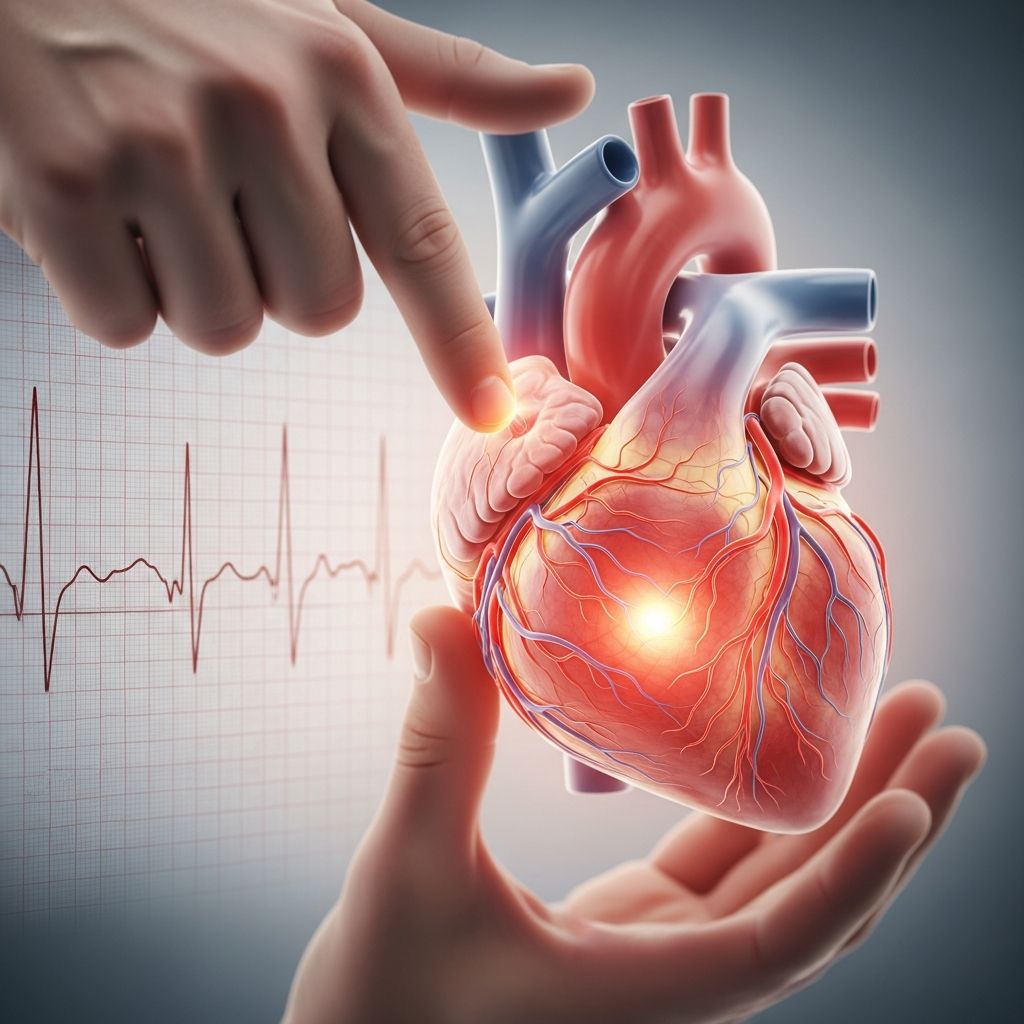
Cardiac arrest is a life-threatening medical emergency that occurs when the heart suddenly and unexpectedly stops beating effectively. When cardiac arrest happens, blood flow to the brain and the rest of the body stops immediately, making it one of the most critical health emergencies requiring immediate intervention. Understanding cardiac arrest, its causes, symptoms, and proper emergency response can mean the difference between life and death. More than 356,000 people experience out-of-hospital cardiac arrest in the United States every year, making it a leading cause of death.
What is Cardiac Arrest?
Cardiac arrest occurs when the heart’s pumping action is suddenly disrupted due to an electrical malfunction in the heart. During cardiac arrest, the heart either stops beating or beats too ineffectively to circulate blood to vital organs. This is fundamentally different from a heart attack, which is a common misconception. While a heart attack occurs when a blocked artery stops the flow of blood to the heart muscle (medically known as myocardial infarction), a heart attack does not necessarily cause cardiac arrest. However, a heart attack can sometimes trigger cardiac arrest in certain individuals.
Cardiac arrest is a medical emergency that demands immediate treatment. If left untreated within a few minutes, cardiac arrest most often causes death. The condition requires prompt intervention, including cardiopulmonary resuscitation (CPR) and defibrillation, to restore the heart’s normal rhythm and prevent fatal outcomes.
Signs and Symptoms of Cardiac Arrest
Most people do not experience any warning signs before cardiac arrest occurs, which is what makes it so dangerous. However, recognizing the immediate signs of cardiac arrest is crucial for bystanders who may need to provide life-saving assistance:
- Sudden loss of consciousness and collapse to the floor or slumping if seated
- Absence of a pulse
- No breathing or gasping for air
- Unresponsiveness to shouting or shaking
In some cases, individuals may experience warning symptoms approximately one hour before cardiac arrest occurs. These preceding signs may include:
- Racing heart or palpitations
- Dizziness or lightheadedness
- Shortness of breath
- Nausea or vomiting
- Chest pain or discomfort
If you notice any of these warning signs in yourself or others, seek immediate medical attention and call 9-1-1 without delay.
Causes and Risk Factors of Cardiac Arrest
Cardiac arrest can result from various cardiac and non-cardiac causes. While approximately 70-80% of out-of-hospital cardiac arrests are cardiac in nature, the remaining cases may stem from trauma, drowning, overdose, asphyxia, electrocution, or primary respiratory problems.
Cardiac Causes of Arrest
Several heart conditions can lead to cardiac arrest. Understanding these risk factors is essential for prevention:
- Coronary heart disease (CHD): The most common cause of cardiac arrest, CHD occurs when arteries become clogged, restricting blood flow to the heart. Over time, this condition strains the heart muscle and its electrical system.
- Cardiomyopathy: This condition occurs when the heart muscle becomes enlarged or stiff, leading to abnormal heart contractions.
- Heart valve disease: Damage or disease to the heart’s valves can disrupt normal blood flow and contribute to cardiac arrest.
- Arrhythmias: Abnormal heart rhythms, including ventricular fibrillation (VF) where lower heart chambers quiver instead of beating regularly, are major causes of cardiac arrest.
- Heart block: This occurs when the electrical signal is slowed or stopped as it moves through the heart.
- Congenital heart disease: Birth defects affecting heart structure can increase cardiac arrest risk.
- Prior heart attack: A previous heart attack can create scar tissue that increases the risk of ventricular fibrillation and cardiac arrest.
Related Stories



Non-Cardiac Risk Factors
Beyond heart-related conditions, several other factors can trigger cardiac arrest:
- Abnormal mineral levels: Abnormally high or low levels of potassium or magnesium can disrupt the heart’s electrical system and cause cardiac arrest.
- Severe physical stress: Extreme stress on the body from trauma, electrical shock, or major blood loss can trigger cardiac arrest.
- Genetic factors: Some individuals have genetic predispositions to dangerous arrhythmias that cause cardiac arrest.
Understanding Cardiac Arrest Rhythms
The presenting rhythms in cardiac arrest are categorized into two broad categories: tachyarrhythmic and nontachyarrhythmic patterns. This distinction is important because different rhythms have significantly different survival rates and may require different treatment approaches.
Ventricular fibrillation (VF) is the most common initial rhythm in witnessed cardiac arrests and has better survival outcomes when treated promptly with defibrillation. Pulseless electrical activity (PEA) and asystole represent nontachyarrhythmic patterns that generally have poorer prognoses. Research shows that survival rates for out-of-hospital cardiac arrest can exceed 60% for patients treated within the early electric phase (approximately 5 minutes after onset), emphasizing the critical importance of rapid defibrillation.
What Happens After Cardiac Arrest
Although many cardiac arrest patients die during the acute event, a substantial proportion of deaths occur after successful initial resuscitation, a condition known as post-cardiac arrest syndrome. This complex condition involves multiple pathophysiological processes:
- Brain injury: The brain is particularly vulnerable to damage from the lack of oxygen during cardiac arrest. Survivors may experience cognitive impairment, seizures, and long-term neurological effects.
- Myocardial depression: The heart muscle may be weakened after arrest and resuscitation.
- Systemic ischemia/reperfusion injury: Damage occurs when blood flow is restored after a period without circulation.
Survivors of cardiac arrest may experience various complications, including brain injury, injury to internal organs, and psychological distress such as anxiety, post-traumatic stress disorder (PTSD), and depression.
Diagnosis of Cardiac Arrest
Once a person is stabilized after cardiac arrest, medical professionals use several diagnostic tests to evaluate heart damage and identify underlying causes:
- Echocardiogram: Uses ultrasound to show if the heart has been damaged and identifies other heart problems such as muscle or valve issues.
- Cardiac MRI: Provides detailed pictures of the heart and blood vessels to assess structural damage.
- Intracardiac electrophysiology study (EPS): Evaluates how well the heart’s electrical signals are working and checks for abnormal heartbeats or rhythms.
- Cardiac catheterization: Allows providers to see if arteries are narrowed or blocked.
Emergency Treatment for Cardiac Arrest
Cardiac arrest requires immediate emergency treatment to restore the heart’s normal function. Two primary interventions are critical:
Cardiopulmonary Resuscitation (CPR)
CPR is often the first type of treatment for cardiac arrest and can be performed by anyone who has received proper training. CPR involves chest compressions and rescue breathing that help maintain oxygen flow to the body until emergency medical services arrive. Current guidelines recommend chest compressions at a rate of 100-120 compressions per minute in adults. CPR is vital because it can keep oxygen flowing in the body during the critical moments before professional medical help arrives.
Defibrillation
Defibrillation is the most important treatment for cardiac arrest. This treatment uses a medical device that delivers an electrical shock to the heart to restore normal rhythm. Automated external defibrillators (AEDs) are portable defibrillators often available in public areas for emergency use by trained individuals. Defibrillation works best when administered within a few minutes of cardiac arrest onset. The combination of rapid CPR and swift defibrillation significantly improves survival rates.
What to Do During a Cardiac Arrest Emergency
If you encounter someone experiencing cardiac arrest, immediate action is essential:
- Call 9-1-1 immediately without delay
- Look for and retrieve an automated external defibrillator (AED) if one is available nearby
- Begin CPR right away if you are trained, maintaining compressions at a rate of 100-120 per minute
- If an AED is available, use it as directed while continuing CPR
- Continue CPR and AED use until emergency medical professionals arrive and take over
- Never delay calling emergency services while searching for an AED
Prevention and Risk Reduction
While not all cardiac arrests can be prevented, managing known risk factors can reduce your risk. Individuals with risk factors for cardiac arrest should work with their healthcare providers to manage coronary heart disease, control blood pressure, maintain healthy cholesterol levels, avoid smoking, exercise regularly, maintain a healthy weight, and manage stress. Those with known heart conditions may benefit from implantable cardioverter-defibrillators (ICDs) or other preventive devices and medications recommended by their cardiologist.
Frequently Asked Questions
Q: Is cardiac arrest the same as a heart attack?
A: No. A heart attack occurs when a blocked artery stops blood flow to the heart muscle. While a heart attack can sometimes trigger cardiac arrest, they are different conditions. A heart attack doesn’t always cause cardiac arrest, but cardiac arrest is always life-threatening.
Q: How long can someone survive cardiac arrest without treatment?
A: Brain damage can begin within minutes of cardiac arrest if blood flow is not restored. Without treatment, cardiac arrest most often causes death within minutes. This is why immediate CPR and defibrillation are critical.
Q: Can I perform CPR if I haven’t been formally trained?
A: Yes, hands-only CPR (chest compressions without rescue breathing) can be performed by untrained bystanders and may improve survival rates. However, formal CPR training is recommended and widely available through organizations like the American Heart Association.
Q: What are the survival rates for cardiac arrest?
A: Survival rates vary based on the initial heart rhythm, time to treatment, and quality of CPR. Survival rates for out-of-hospital cardiac arrest can exceed 60% for patients treated within the early electric phase (approximately 5 minutes), but decrease significantly as time passes.
Q: Are there long-term effects of surviving cardiac arrest?
A: Yes, survivors may experience brain injury, organ damage, and psychological effects including PTSD, anxiety, and depression. Comprehensive rehabilitation and psychological support are often necessary for recovery.
References
- About Cardiac Arrest | Heart Disease — Centers for Disease Control and Prevention (CDC). 2024. https://www.cdc.gov/heart-disease/about/cardiac-arrest.html
- Cardiac arrest: MedlinePlus Medical Encyclopedia — U.S. National Library of Medicine. 2024. https://medlineplus.gov/ency/article/007640.htm
- Cardiac Arrest — Circulation Research, American Heart Association Journals. 2016. https://www.ahajournals.org/doi/10.1161/circresaha.116.304495
- Out of Hospital Cardiac Arrest: A Current Review of the Literature — National Center for Biotechnology Information (NCBI). 2018. https://pmc.ncbi.nlm.nih.gov/articles/PMC6159945/
- Cardiac Arrest – Causes and Risk Factors — National Heart, Lung, and Blood Institute (NHLBI), National Institutes of Health. 2024. https://www.nhlbi.nih.gov/health/cardiac-arrest/causes
Similar Articles








Read full bio of Sneha Tete