Cardiac Catheterization: Procedure, Purpose, and Recovery
Complete guide to cardiac catheterization: understanding the procedure, preparation, and what to expect.
Understanding Cardiac Catheterization
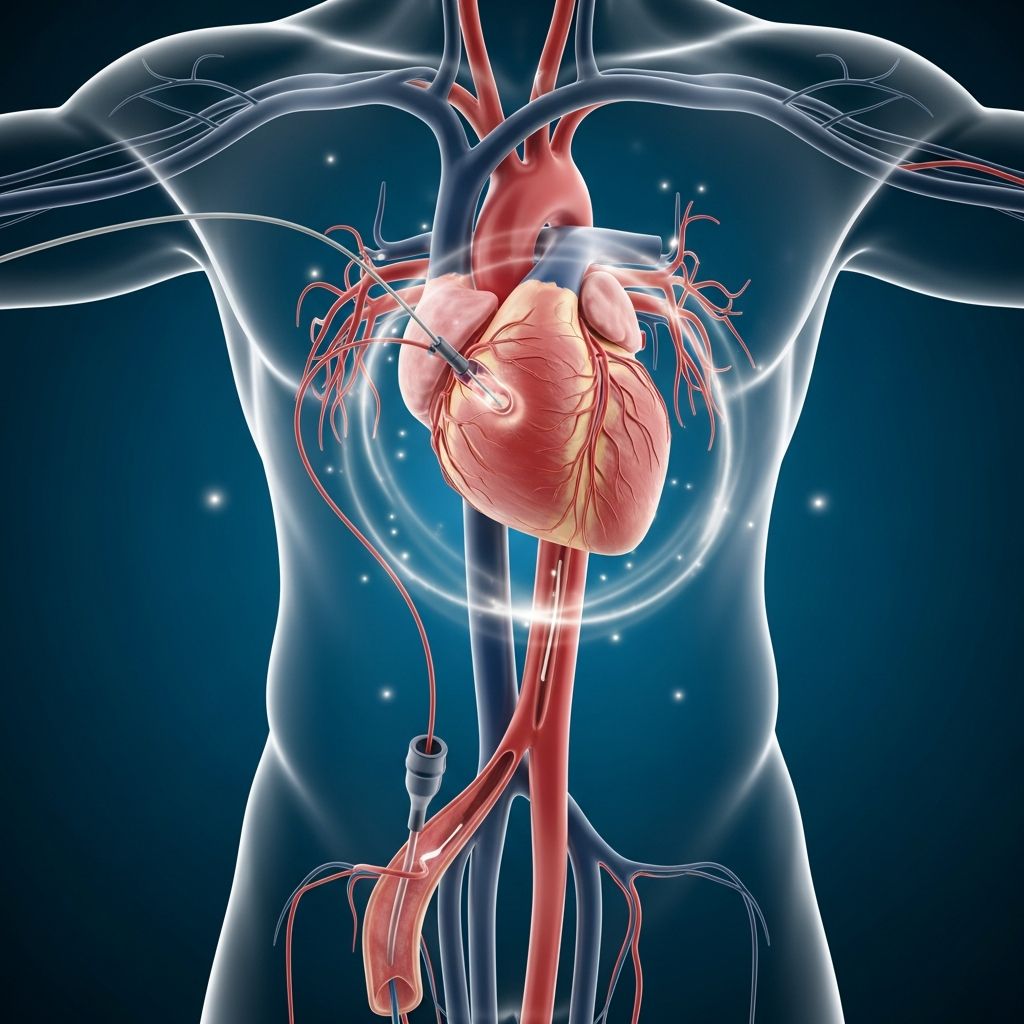
Cardiac catheterization, commonly referred to as cardiac cath or heart cath, is a minimally invasive diagnostic and therapeutic procedure that allows cardiologists to visualize the heart’s internal structures, blood vessels, and function with remarkable precision. During this procedure, a long, thin, flexible tube called a catheter is carefully inserted into a blood vessel and guided to the heart using advanced imaging technology. This groundbreaking technique has become one of the most important tools in modern cardiology, enabling physicians to diagnose heart conditions, evaluate heart function, and perform life-saving interventions without requiring open-heart surgery.
The procedure serves multiple critical functions in cardiac care. Physicians use cardiac catheterization to examine the coronary arteries for blockages that may restrict blood flow to the heart muscle, evaluate how well the heart pumps blood, assess heart valve function, and identify structural abnormalities. Additionally, cardiac catheterization can be used therapeutically to clear blocked arteries, place stents to restore blood flow, repair heart valve problems, and treat certain arrhythmias. The versatility and effectiveness of this procedure have made it an indispensable component of modern cardiac diagnosis and treatment.
Types of Cardiac Catheterization
There are two main categories of cardiac catheterization procedures, each serving distinct diagnostic and therapeutic purposes:
Diagnostic Catheterization
Diagnostic cardiac catheterization is performed to examine the heart’s structure and function without performing any therapeutic interventions. During a diagnostic catheterization, the cardiologist records blood pressure measurements in different heart chambers and blood vessels, evaluates the oxygen content in each chamber, and performs an angiogram using X-ray imaging to visualize the heart and its blood vessels. This comprehensive assessment provides crucial information about how the heart is functioning and whether any blockages or abnormalities are present.
Interventional Catheterization
Interventional catheterization combines diagnostic evaluation with therapeutic treatment in a single procedure. Common interventional catheterization procedures include coronary angioplasty and stent placement, where a balloon-tipped catheter is used to open narrowed arteries and deploy stents to maintain arterial patency; arrhythmia ablation, which uses catheter-based energy to eliminate tissue causing irregular heartbeats; septal closures for closing holes in the heart wall; and heart valve placement using minimally invasive catheter techniques.
Purpose and Benefits of Cardiac Catheterization
Cardiac catheterization serves numerous diagnostic and therapeutic purposes in cardiac care. The procedure allows cardiologists to evaluate how well the heart functions, determine if coronary arteries are narrowed or blocked, assess heart valve function, diagnose structural heart defects, and identify abnormal heart rhythms. Additionally, the procedure can be used to treat various heart conditions directly. Using the catheter and specialized instruments, physicians can inject contrast dye to visualize blood flow patterns, examine the interior of blood vessels, collect tissue samples for laboratory analysis, clear blocked arteries, open partially blocked heart valves, and perform various other therapeutic interventions.
The benefits of cardiac catheterization extend beyond its diagnostic and therapeutic capabilities. As a minimally invasive procedure, it requires only a small puncture or incision rather than surgical opening of the chest. Patients remain awake during the procedure, which allows them to communicate with the medical team. The procedure typically takes approximately one hour, and most patients can return home the same day. The precision and safety of modern cardiac catheterization have made it the gold standard for evaluating and treating many cardiac conditions.
Preparation for Cardiac Catheterization
Proper preparation is essential for ensuring the procedure runs smoothly and safely. Patients should arrange for a trusted caregiver to accompany them to the hospital and remain available throughout the procedure, as patients cannot drive immediately after catheterization due to the sedative medications administered. It is important that caregivers keep their schedule clear, as the procedure may require several hours or an entire day at the hospital facility.
Related Stories



Pre-Procedure Instructions
Patients should follow specific instructions provided by their healthcare team before arriving at the hospital. These typically include fasting for a certain period before the procedure, continuing or temporarily discontinuing certain medications as directed by the cardiologist, arranging transportation home with a responsible adult, and informing the medical team about any allergies, previous adverse reactions to contrast dye, or bleeding disorders.
Day of the Procedure
Upon arrival at the hospital, staff members will guide patients and their caregivers to a patient preparation room. Patients will change into a hospital gown and undergo a comprehensive assessment that includes reviewing medical history, checking vital signs, and placing small electrode discs on the upper body to monitor heart activity via an electrocardiogram (EKG) machine. A nurse will review all medications, allergies, and medical conditions to ensure patient safety throughout the procedure.
The Cardiac Catheterization Procedure
Accessing the Heart
The cardiac catheterization procedure begins with the selection of an appropriate access site, typically the groin area where the femoral artery or vein is located, though alternative sites include the wrist (radial artery) or neck. Once the access site is selected, the area is thoroughly cleaned and draped with sterile materials to maintain a sterile environment. A local anesthetic is administered to numb the puncture site, ensuring patient comfort.
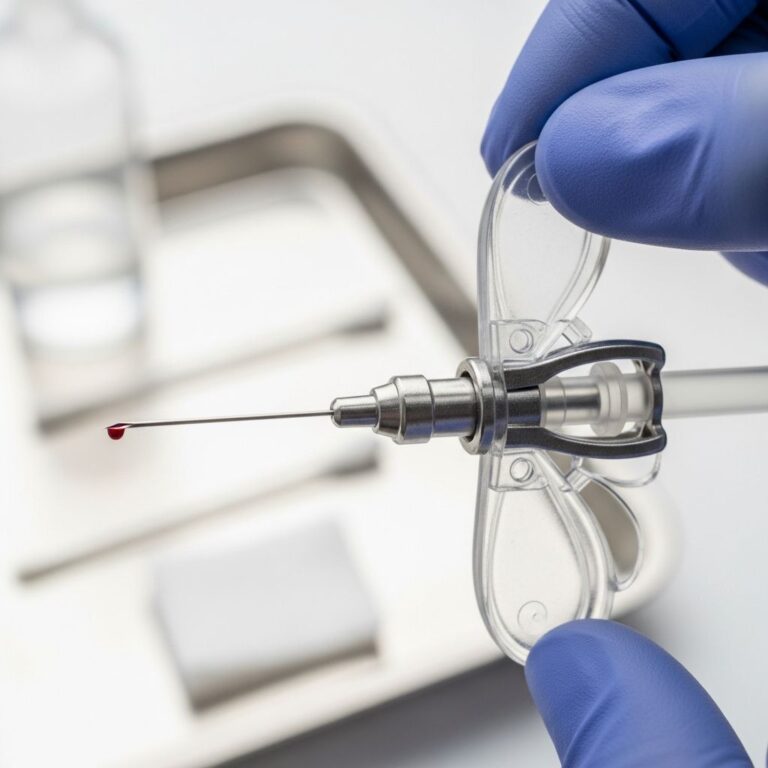
The cardiologist makes a small needle puncture through the skin and into the selected blood vessel. A small straw-sized sheath, which is a hollow plastic tube, is then placed into the vessel to serve as a guide for the catheter. Modern techniques often employ ultrasound imaging to ensure accurate placement of the sheath. Once the sheath is in position, the flexible catheter is carefully threaded through it and advanced toward the heart under continuous visualization using live X-ray imaging, also called fluoroscopy.
Diagnostic Phase
As the catheter progresses through the blood vessels toward the heart, the cardiologist visualizes its position on a video screen. Patients may feel pressure at the procedure site but should not experience pain. Once the catheter reaches the appropriate location, the physician records blood pressure measurements in different heart chambers, collects blood samples to assess oxygen content, and prepares to perform coronary angiography.
Angiography and Imaging
During angiography, a contrast dye (also called contrast medium) is injected through the catheter into the coronary arteries or heart chambers. As the dye flows through the heart’s blood vessels, rapid X-ray images are captured, creating a detailed visualization of blood flow patterns and revealing any blockages, narrowing, or other abnormalities. Patients may experience a warm, flushed sensation or slight tingling when the dye is injected, but these sensations are temporary. The cardiologist may perform multiple angiographic runs from different angles to obtain comprehensive visualization of all coronary arteries and chambers.
Therapeutic Interventions (if needed)
If the diagnostic evaluation reveals blockages or other problems requiring immediate treatment, the cardiologist may perform interventional procedures during the same catheterization session. If coronary artery stenosis is identified, balloon angioplasty may be performed to open the narrowed artery, often followed by stent placement. A stent is a small metallic wire tube, similar to the spring mechanism in a ballpoint pen, that functions like scaffolding to maintain arterial patency after the balloon is deflated and removed. Stent placement may extend the procedure time beyond the typical one hour.
Procedure Completion
Once all diagnostic and therapeutic components are completed, the catheter and sheath are carefully removed from the blood vessel. Pressure is applied to the puncture site to prevent bleeding. Sometimes a special closure device may be used to seal the arterial puncture. The medical team will provide specific instructions regarding activity restrictions and wound care as the puncture site heals.
Risks and Complications
While cardiac catheterization is generally a safe procedure, as with any medical intervention, there are potential risks and complications that patients should understand. These may include bleeding or bruising at the puncture site, infection, allergic reaction to the contrast dye, kidney damage (particularly in patients with pre-existing kidney disease), damage to blood vessels, arrhythmias, heart attack, stroke, or in rare cases, death. The risk of serious complications is relatively low, particularly at experienced medical centers, but patients should discuss individual risk factors with their cardiologist before the procedure.
Recovery and Aftercare
Immediate Post-Procedure Period
After the catheterization is complete, patients are transferred to a recovery area where medical staff monitor vital signs and overall condition. The cardiologist will meet with the patient and family to discuss findings and results, explaining whether additional testing, surgery, stent placement, or medication therapy is needed. Most patients can be discharged the same day; however, some patients may require overnight observation for additional monitoring, a decision the care team will communicate clearly.
Activity Restrictions
Due to the sedative medications administered during the procedure, patients are not permitted to drive for at least 24 hours and must arrange for reliable transportation home with a responsible adult. Patients should limit physical activity for several days following the procedure and should not engage in strenuous exercise or heavy lifting as directed by their healthcare provider. Most patients can resume normal activities within a few days.
Wound Care
The puncture site should be kept clean and dry. Patients should watch for signs of infection such as increased redness, swelling, warmth, drainage, or fever. Minor bruising and discomfort at the puncture site are normal and typically resolve within one to two weeks.
Follow-Up Care
Patients should follow all post-procedure instructions provided by their healthcare team, take medications as prescribed, and attend all scheduled follow-up appointments. If therapeutic interventions such as stent placement were performed, patients will typically need to take antiplatelet medications (such as aspirin and clopidogrel) for a specified period to prevent stent thrombosis.
What to Expect During the Procedure
Patients should understand that they will remain awake during cardiac catheterization. The medical team will administer medications through an intravenous line to help patients relax and ensure comfort, though patients will maintain consciousness and be able to communicate with the team. The procedural team, typically consisting of a cardiologist, nurse, nurse specialist, and cardiovascular technician, will continuously explain what is happening and what the patient may experience.
During the procedure, patients may notice the overhead X-ray lights turning on and off several times as images are acquired. They may also experience various sensations as the catheter is advanced through blood vessels, though with proper anesthesia and sedation, pain should be minimal. The cardiologist and nursing staff will be present throughout, monitoring the patient’s condition and responding to any concerns or discomfort.
Frequently Asked Questions
Q: How long does cardiac catheterization take?
A: The typical cardiac catheterization procedure takes approximately one hour, though it may be longer if therapeutic interventions such as stent placement are performed.
Q: Will I feel pain during the procedure?
A: No, a local anesthetic numbs the puncture site, and sedative medications help patients relax and remain comfortable. While patients may feel pressure or sensation at the procedure site, they should not experience significant pain.
Q: Can I go home the same day?
A: Most patients can return home the same day after cardiac catheterization; however, some patients may require overnight hospital observation depending on their condition and the complexity of the procedure.
Q: When can I return to normal activities?
A: Most patients can resume normal activities within a few days, though they should avoid strenuous exercise or heavy lifting for several days as directed by their healthcare provider.
Q: What is the difference between right and left heart catheterization?
A: Right heart catheterization involves advancing the catheter through veins into the right side of the heart, while left heart catheterization uses arteries to access the left side of the heart and coronary arteries. The choice depends on what the cardiologist needs to evaluate.
Q: Is cardiac catheterization safe?
A: Yes, cardiac catheterization is generally a safe procedure at experienced medical centers, though like any medical procedure, it carries some risks that should be discussed with your cardiologist.
References
- Cardiac Catheterization: What to Expect — Ohio State University Wexner Medical Center. 2022-02-25. https://www.osumc.edu/
- Cardiac Catheterization Procedure — Children’s Hospital Colorado. 2024. https://www.childrenscolorado.org/
- Cardiac Catheterization — American Heart Association. 2024. https://www.heart.org/
- Explaining the Procedure: Left and Right Heart Catheterization — Cardiovascular Education Resource. 2024. https://www.youtube.com/
- Cardiac Catheterization: Uses, Procedure, and Risks — Healthline Media. 2024. https://www.healthline.com/
- Cardiac Catheterization — MedlinePlus Medical Encyclopedia. U.S. National Library of Medicine. 2024. https://medlineplus.gov/
- Cardiac Catheterization: Procedure & Recovery — Cleveland Clinic. 2024. https://my.clevelandclinic.org/
- What Is Cardiac Catheterization — National Heart, Lung, and Blood Institute (NHLBI). 2024. https://www.nhlbi.nih.gov/
- Cardiac Catheterization — Mayo Clinic. 2024. https://www.mayoclinic.org/
Similar Articles








Read full bio of Sneha Tete