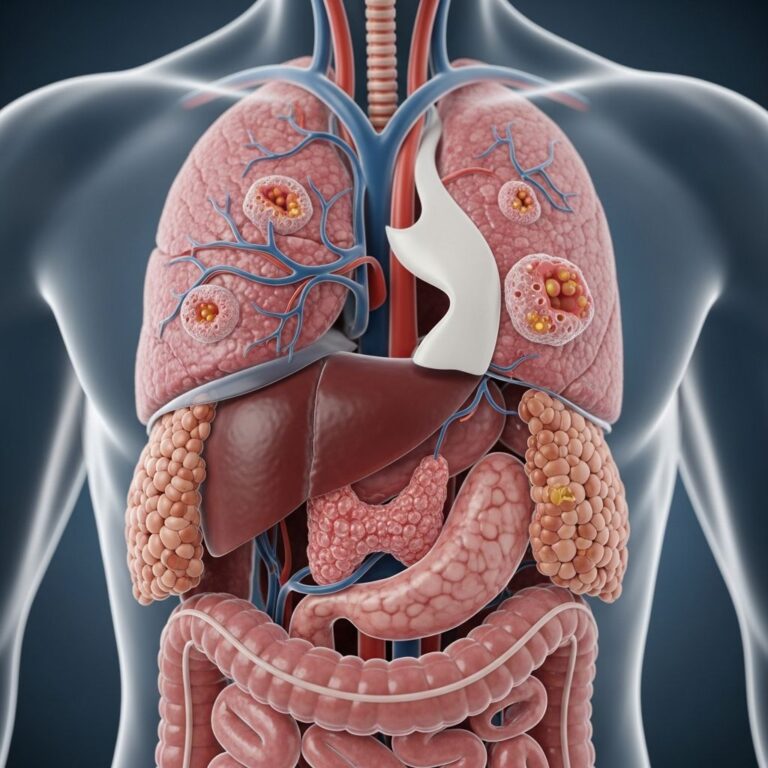
Cardiac Enzymes & Biomarkers: Types and Function
Understanding cardiac biomarkers: How enzyme tests detect heart damage and disease.
Cardiac Enzymes and Biomarkers: Types and What They Do
Your heart releases cardiac enzymes, also known as cardiac biomarkers, when it experiences damage, stress, or inflammation. These powerful biological markers serve as critical indicators that help healthcare providers identify and diagnose various heart conditions. Elevated levels of cardiac enzymes in your blood can signal a heart attack, acute coronary syndrome, myocardial ischemia, or other serious cardiovascular problems. Understanding what these enzymes are and how they function is essential for recognizing potential heart health issues and seeking timely medical intervention.
What Are Cardiac Enzymes?
Cardiac enzymes are proteins and enzymes released into the bloodstream when heart muscle cells are damaged or stressed due to inadequate oxygen supply or injury. These biomarkers act as the heart’s alarm system, alerting healthcare providers to the presence and extent of cardiac tissue damage. When your heart experiences trauma or insufficient blood flow, it releases these markers as part of the cellular damage response.
The specific cardiac enzymes and biomarkers that healthcare providers measure include troponins, creatinine kinase (CK) and its subtypes, myoglobin, and lactate dehydrogenase (LDH). Each of these markers provides different information about the type and timing of heart damage, allowing clinicians to piece together a comprehensive picture of cardiac health.
Types of Cardiac Biomarkers
There are several different types of cardiac biomarkers, all of which are enzymes or proteins. Healthcare providers select specific biomarkers based on the clinical situation and the timing of symptoms. Understanding the different types helps explain why your doctor may order multiple tests over several hours or days.
Troponin: The Gold Standard
Troponin stands as the most widely used and sensitive cardiac biomarker in modern medicine, earning its designation as the gold standard for diagnosing myocardial infarction and acute coronary syndrome. The heart is the only organ that contains specific troponin enzymes unique to cardiac muscle, making troponin measurements highly specific for heart damage. There are two primary forms of cardiac troponin that may be measured: troponin I (cTnI) and troponin T (cTnT). Both forms are cardiac-specific and provide reliable indicators of heart muscle injury.
Troponin levels typically rise within two to three hours after a heart attack occurs. The timing is crucial because it takes time for damaged heart cells to release their contents into the bloodstream. While troponin levels can rise for up to 12 hours after a heart attack, they remain elevated for up to two weeks, far longer than other cardiac biomarkers. Blood levels of troponin are normally very low, typically around 0.02 nanograms per milliliter (ng/mL). Elevated troponin levels indicate cardiac damage, with higher numbers suggesting more severe heart muscle injury. High-sensitivity troponin tests can detect circulating troponin in the blood of most healthy individuals and offer improved detection capabilities.
Creatinine Kinase (CK) and CK-MB
Creatinine kinase is another important cardiac enzyme that healthcare providers measure to assess heart damage. The muscles throughout your body, including heart muscle, brain, and lungs, release CK isoenzymes when tissue damage occurs from disease or injury. Isoenzymes are specific forms of enzymes that are unique to particular organs or tissues, allowing for targeted diagnostic assessment.
The form of CK specific to heart muscle is known as CK-MB, while CK-MM is specific to skeletal muscle. CK levels can be measured several times over a 24-hour period and typically at least double this timeframe after a heart attack. However, CK has lower specificity than troponins, as elevated CK levels can result from many conditions beyond cardiac events. CK-MB, being more sensitive for detecting heart damage from heart attacks than total CK, rises four to six hours after a heart attack but generally returns to normal in a day or two—much sooner than troponins. This faster resolution of CK-MB levels means that troponin measurements are now preferred as the primary diagnostic marker for myocardial infarction.
Related Stories



Myoglobin
Myoglobin is another cardiac biomarker that healthcare providers may measure. This protein is released from damaged muscle tissue, though it is not as specific for cardiac tissue as troponin. Myoglobin can rise earlier than other cardiac markers but returns to normal levels more quickly as well.
Inflammatory Markers
Beyond direct markers of cardiac tissue damage, healthcare providers also measure inflammatory markers that indicate cardiovascular risk and systemic inflammation. High-sensitivity C-reactive protein (hs-CRP) indicates low-grade inflammation and cardiovascular risk, and can be used to predict incident myocardial infarction, stroke, and peripheral arterial disease. Interleukin-6 (IL-6) reflects systemic inflammation and is linked to atherosclerosis, hypertension, aortic dissection, cardiac fibrosis, and cardiomyopathy.
How Enzyme Marker Tests Work
An enzyme marker test is a straightforward blood test designed to measure specific biological markers in your blood. Healthcare providers typically order these tests when patients present with symptoms suggestive of heart problems, such as chest pain, shortness of breath, or other concerning cardiac symptoms.
The Testing Process
The testing process involves drawing a blood sample, which is then sent to a laboratory for analysis. Laboratory technicians measure the levels of specific enzymes in the blood and compare results to established reference ranges to determine whether heart damage has occurred. Timing is crucial in cardiac enzyme testing because enzyme levels do not rise immediately after a heart event and peak at different times depending on the specific biomarker. For this reason, your healthcare provider may order multiple cardiac enzyme tests spaced several hours or even days apart to accurately measure these biomarkers and track changes over time.
Why Multiple Tests Matter
Multiple tests provide a more accurate assessment of heart muscle damage than a single test. Since different cardiac enzymes rise and fall at different rates, sequential testing helps clinicians determine the timing and extent of cardiac injury. This pattern of enzyme elevation and resolution helps confirm diagnoses and guide treatment decisions.
What Elevated Cardiac Enzymes Indicate
Elevated levels of cardiac enzymes in your blood can signal several serious cardiac conditions. High levels of cardiac enzymes are most commonly associated with a heart attack, but they can also indicate acute coronary syndrome (ACS), myocardial ischemia, or injury to the heart muscle from other causes. It is important to note that while troponin is highly specific for cardiac tissue, elevated troponin concentrations can result from numerous ischemic, noncoronary cardiac, and noncardiac causes of cardiomyocyte injury. Therefore, interpretation of cardiac enzyme results requires integration with all clinical information, including symptoms, electrocardiogram (ECG) findings, imaging studies, and patient history.
Conditions Associated with Elevated Cardiac Enzymes
Healthcare providers may observe elevated cardiac enzymes in the following situations:
- Acute myocardial infarction (heart attack)
- Acute coronary syndrome
- Myocardial ischemia
- Heart failure
- Cardiac trauma or injury
- Myocarditis (inflammation of the heart muscle)
- Sepsis
- Renal failure
- Pulmonary embolism
- Stroke
Biomarker Guidelines and Recommendations
Major healthcare organizations worldwide have established guidelines for cardiac biomarker use. Cardiac troponins (troponin I and troponin T) in the heart are structurally different from those found in skeletal muscle, making them specific and sensitive biomarkers of cardiac myocyte injury. Troponins are recommended as biomarkers for cardiovascular disease by multiple organizations, including the European Society of Cardiology, the American College of Cardiology, and the American Heart Association. These organizations emphasize that the preferred biomarker to detect or exclude myocardial injury is cardiac troponin because of its high sensitivity and specificity for myocardial tissue.
Clinical Significance of Results
A higher number of elevated cardiac enzymes generally indicates more severe heart damage. Normal blood levels of troponin are typically low—around 0.02 nanograms per milliliter (ng/mL). Any significant elevation above this baseline suggests cardiac injury. The degree of elevation correlates with the extent of myocardial damage, though the relationship is not always linear.
When to Seek Testing
Your healthcare provider may order a cardiac enzyme test if you experience symptoms of a heart problem, including chest pain or discomfort, shortness of breath, irregular heartbeat, excessive sweating, nausea or vomiting, or other concerning symptoms. Prompt testing can lead to early diagnosis and intervention, significantly improving outcomes.
Interpreting Your Cardiac Enzyme Results
Healthcare providers interpret cardiac enzyme results in the context of your complete clinical picture. A single elevated enzyme level may not definitively diagnose a heart attack, which is why sequential testing is often performed. The pattern of enzyme elevation, the rate of change, and the presence or absence of other markers all contribute to clinical decision-making. Additionally, your symptoms, medical history, and other test results, such as ECG findings and imaging studies, help providers reach accurate diagnoses.
Frequently Asked Questions
Q: How long does it take for cardiac enzymes to rise after a heart attack?
A: Troponin levels typically rise within two to three hours after a heart attack, with some elevation occurring within 12 hours. Other enzymes like CK-MB rise slightly later, within four to six hours. This is why multiple tests spaced several hours apart help confirm diagnosis.
Q: How long do elevated cardiac enzymes stay in your bloodstream?
A: Troponin levels stay elevated for up to two weeks after a heart attack. CK-MB returns to normal within a day or two, and myoglobin returns to normal even more quickly. The prolonged elevation of troponin makes it excellent for diagnosing heart attacks even days after they occur.
Q: What is the normal range for cardiac troponin?
A: Normal blood levels of troponin are typically low—around 0.02 nanograms per milliliter (ng/mL). However, normal ranges may vary slightly depending on the laboratory and the specific troponin test used.
Q: Can conditions other than heart attacks cause elevated cardiac enzymes?
A: Yes, elevated troponin can result from numerous ischemic, noncoronary cardiac, and noncardiac causes of cardiomyocyte injury. These include myocarditis, sepsis, renal failure, pulmonary embolism, and stroke. This is why healthcare providers interpret results alongside other clinical information.
Q: Why is troponin considered the gold standard for heart attack diagnosis?
A: Troponin is considered the gold standard because it is cardiac-specific, highly sensitive, and remains elevated for extended periods. The heart is the only organ that contains specific troponin enzymes, making measurements highly specific for cardiac tissue.
Q: How often might I need cardiac enzyme testing?
A: You may receive multiple cardiac enzyme tests spaced several hours or days apart to measure these biomarkers accurately. Your healthcare provider determines the testing schedule based on your symptoms and clinical situation.
References
- Cardiac Enzymes (Biomarkers): Types & What They Do — Cleveland Clinic. 2024. https://my.clevelandclinic.org/health/articles/22115-cardiac-enzymes-cardiac-biomarkers
- Cardiac Marker Testing: Navigating Biomarker Selection and Interpretation — Medix Biochemica. 2024. https://articles.medixbiochemica.com/cardiac-marker-testing-navigating-the-landscape-of-biomarker-selection-and-interpretation
- Enzyme Markers: Purpose, Procedure & Results — Cleveland Clinic. 2024. https://my.clevelandclinic.org/health/diagnostics/22174-enzyme-markers
- Elevated Cardiac Enzymes Explained: What it Means for Your Heart Health — Rupa Health. 2024. https://www.rupahealth.com/post/elevated-cardiac-enzymes-explained-what-it-means-for-your-hearth-health
- Cardiac Enzyme Testing — Elite Hospital Kingwood. 2024. https://elitekingwood.com/emergency-services/laboratory-services/cardiac-enzyme-testing/
- Cardiac Biomarkers (Blood) — University of Rochester Medical Center. 2024. https://www.urmc.rochester.edu/encyclopedia/content?contenttypeid=167&contentid=cardiac_biomarkers
- Troponin Test: What it Is and Normal Range — Cleveland Clinic. 2024. https://my.clevelandclinic.org/health/diagnostics/22770-troponin-test
Similar Articles








Read full bio of medha deb