Cardiac Event Monitor: What You Need to Know
Learn how a cardiac event monitor helps diagnose heart rhythm issues and what to expect during monitoring.
What Is a Cardiac Event Monitor?
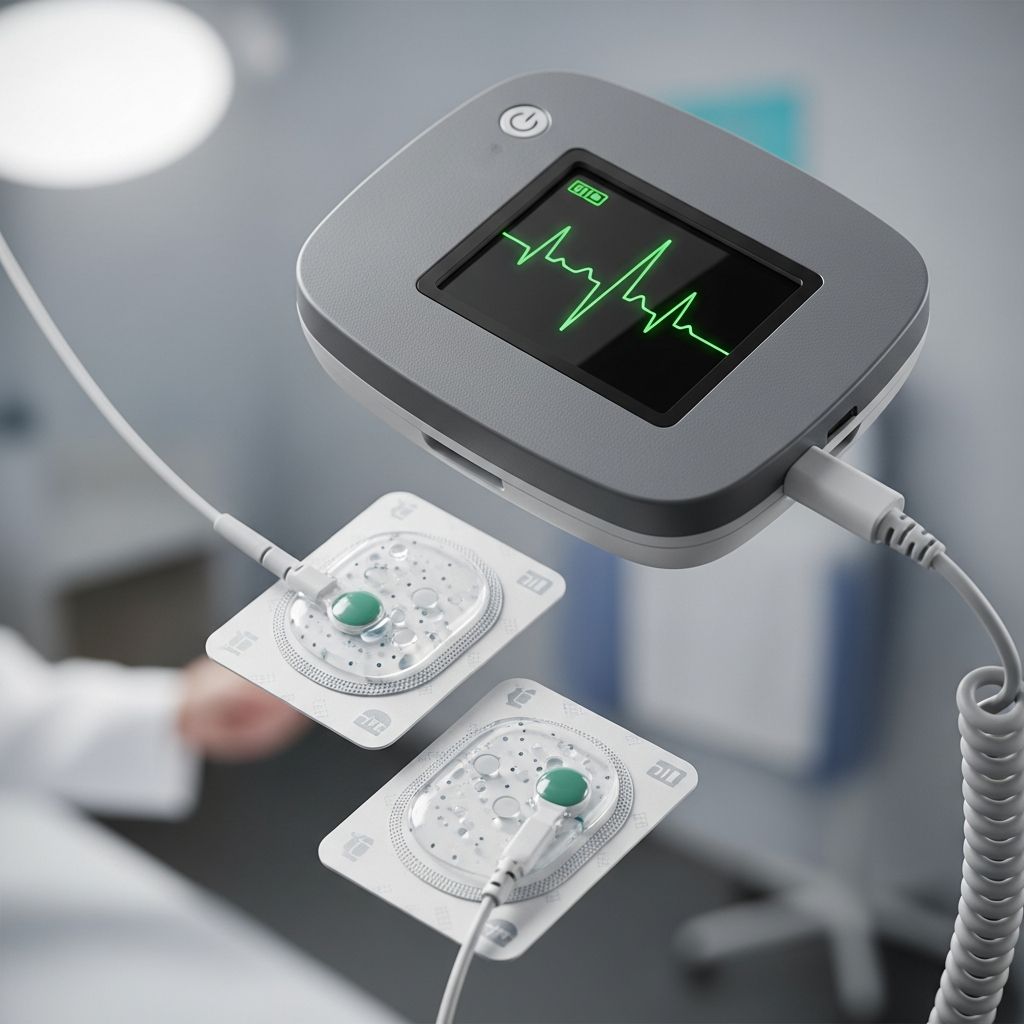
A cardiac event monitor is a portable device that records the electrical activity of your heart when you experience symptoms such as palpitations, chest pain, or dizziness. Unlike a standard electrocardiogram (EKG), which captures a brief snapshot of your heart’s activity, a cardiac event monitor can record your heart’s rhythm over several days or even weeks. This extended monitoring period increases the chances of capturing infrequent or unpredictable heart rhythm abnormalities that might be missed during a routine office visit.
How Does a Cardiac Event Monitor Work?
The cardiac event monitor is a small, battery-powered device that you wear or carry with you. It connects to sensors placed on your chest, which detect your heart’s electrical signals. When you feel symptoms, you activate the device to record your heart’s activity. Some models automatically record when they detect an abnormal rhythm.
- You press a button to start recording when you feel symptoms.
- The device records your heart’s electrical activity for a few minutes before and after the event.
- Some monitors send the data directly to your healthcare provider via phone or internet.
- You may be asked to keep a written diary of your symptoms, including when they occurred and what you were doing.
Who Might Need a Cardiac Event Monitor?
Your doctor may recommend a cardiac event monitor if:
- You have suspected abnormal heart rhythms that occur infrequently and temporarily, which could be missed by a standard EKG.
- You are already being treated for an abnormal heart rhythm, such as atrial fibrillation, and your provider wants to assess how well your treatment is working.
- You experience frequent dizziness or fainting episodes.
Types of Cardiac Event Monitors
There are several types of cardiac event monitors, each with its own features and benefits:
| Type | Description | Monitoring Duration |
|---|---|---|
| Symptom Event Monitor | You apply sensors to the skin and turn on the device when you have symptoms. | Up to 30 days |
| Patch Recorder | A patch attached to the chest provides continuous monitoring for up to two weeks. | Up to 14 days |
| Loop Memory Monitor | Sensors are attached to the chest in advance; the device is turned on when you experience symptoms. Records a minute or two before and after symptoms begin. | Up to 30 days |
| Implanted Loop Recorder | A device implanted under the skin can provide years of heart monitoring. | Years |
How to Use a Cardiac Event Monitor
Using a cardiac event monitor is generally straightforward, but it’s important to follow your healthcare provider’s instructions carefully:
- Apply the sensors to your chest as directed.
- Press the button to start recording when you feel symptoms.
- Stop moving to help the device capture a quality recording.
- Most event monitors will record for several minutes.
- For some types of event monitors, you’ll need to send the recordings to your healthcare provider over the phone or using the internet.
- Keep a written diary of your heart rhythm events, including your symptoms, when they occurred, and what you were doing at the time.
Related Stories



What to Expect During Monitoring
While you’re using an event monitor, you’ll need to follow your provider’s instructions about exercise to avoid the sensors detaching. You may also need to avoid or keep your monitor a safe distance from certain items and devices, including:
- Magnets
- Cell phones
- Electric blankets, toothbrushes, and razors
- Microwave ovens
- Computer tablets
- Metal detectors
Interpreting the Results
After the monitoring period is over, the data is analyzed by a trained technician or your healthcare provider. The results can help diagnose abnormal heart rhythms and other related medical conditions. If your cardiac monitor results are abnormal, your provider may want to do more testing or move forward with treatment.
When Is a Cardiac Event Monitor Used?
A cardiac event monitor is typically used when:
- You have symptoms that don’t happen every day.
- You’ve tried a Holter monitor, but it hasn’t provided enough information for a diagnosis.
- You need long-term monitoring to capture infrequent or unpredictable heart rhythm abnormalities.
Cardiac Event Monitor vs. Holter Monitor
While both devices record your heart’s electrical activity, there are key differences:
| Feature | Cardiac Event Monitor | Holter Monitor |
|---|---|---|
| Monitoring Duration | Up to 30 days | 24 to 48 hours |
| Recording Type | Records when symptoms occur | Records continuously |
| Activation | Manual or automatic | Automatic |
| Data Transmission | Often sent to provider | Returned to provider |
Frequently Asked Questions (FAQs)
Q: How long do I need to wear a cardiac event monitor?
A: Most cardiac event monitors are worn for up to 30 days, but the exact duration depends on your symptoms and your healthcare provider’s recommendations.
Q: Can I shower or bathe while wearing a cardiac event monitor?
A: Most event monitors are not waterproof, so you should avoid getting them wet. Your provider will give you specific instructions on how to care for the device.
Q: What should I do if I experience symptoms but the monitor isn’t recording?
A: If you experience symptoms and the monitor isn’t recording, make a note in your symptom diary and contact your healthcare provider for advice.
Q: Can a cardiac event monitor detect all heart problems?
A: A cardiac event monitor is designed to detect abnormal heart rhythms, but it may not catch every type of heart problem. Your provider may recommend additional tests if needed.
Q: Is a cardiac event monitor safe?
A: Yes, a cardiac event monitor is safe and non-invasive. It does not offer real-time monitoring or protection, but it is a valuable tool for diagnosing heart rhythm issues.
Conclusion
A cardiac event monitor is a valuable tool for diagnosing infrequent or unpredictable heart rhythm abnormalities. By recording your heart’s electrical activity when symptoms occur, it provides your healthcare provider with the information needed to make an accurate diagnosis and recommend appropriate treatment. If you have symptoms that don’t happen every day, a cardiac event monitor may be the best option for you.
References
- Cardiac Event Monitors — University Hospitals. 2023. https://www.uhhospitals.org/services/heart-and-vascular-services/conditions-and-treatments/heart-rhythm-disorders/cardiac-device-clinics/cardiac-event-monitors
- Cardiac Event Monitor (Heart Monitor) — Cleveland Clinic. 2023. https://my.clevelandclinic.org/health/diagnostics/23272-cardiac-event-monitor
- Holter Monitor: Purpose, Results & How It Works — Cleveland Clinic. 2023. https://my.clevelandclinic.org/health/diagnostics/21491-holter-monitor
Similar Articles








Read full bio of Sneha Tete