Cardiac Resynchronization Therapy: Treatment for Heart Failure
Understanding CRT: How biventricular pacing restores heart rhythm and improves quality of life.
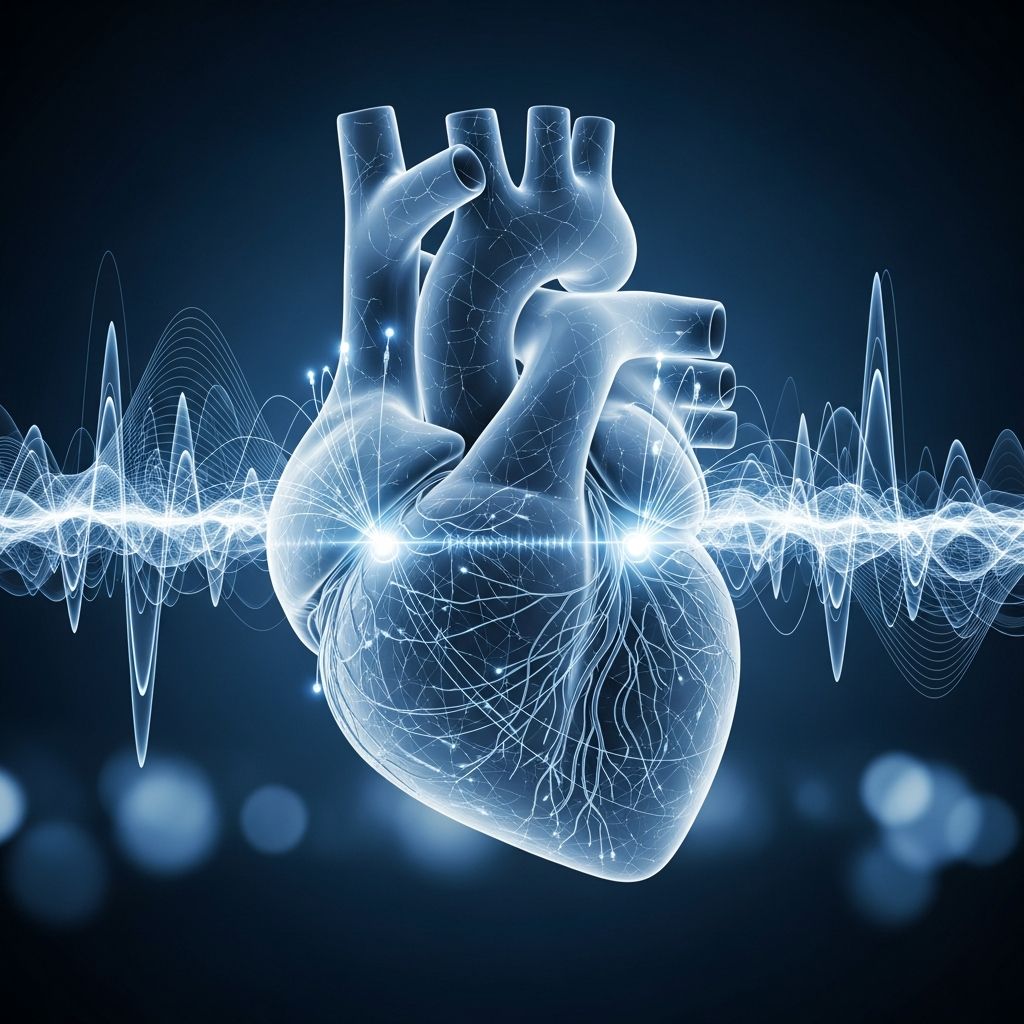
Understanding Cardiac Resynchronization Therapy
Cardiac resynchronization therapy (CRT), also known as biventricular pacing, is an advanced medical procedure designed to treat patients with heart failure who experience abnormal electrical conduction patterns in their hearts. This innovative treatment addresses a condition known as cardiac dyssynchrony, where the heart’s lower chambers (ventricles) do not contract in a coordinated manner. By restoring synchronized contractions between the ventricles, CRT helps the heart pump blood more efficiently, significantly improving symptoms and quality of life for eligible patients.
Heart failure affects millions of people worldwide, and for many patients, traditional medications alone are insufficient. CRT represents a significant advancement in heart failure management, offering hope to patients with moderate to severe symptoms who have not responded adequately to pharmacological treatments. This comprehensive guide explores the fundamentals of cardiac resynchronization therapy, how it works, who benefits most from the procedure, and what to expect during and after treatment.
What is Cardiac Dyssynchrony?
Cardiac dyssynchrony is a condition affecting approximately one-third of patients with advanced systolic heart failure. In a healthy heart, electrical signals travel through the heart tissue in a precisely coordinated manner, causing the ventricles to contract simultaneously and efficiently pump blood throughout the body. However, in patients with dyssynchrony, these electrical signals become delayed or irregular, causing the ventricles to contract at different times rather than together.
This lack of coordination significantly reduces the heart’s pumping efficiency, forcing the organ to work harder to circulate blood. Patients with cardiac dyssynchrony often experience debilitating symptoms including severe shortness of breath, fatigue, exercise intolerance, and frequent hospitalizations. The condition is frequently identified through electrocardiogram (ECG) findings, particularly left bundle branch block patterns, and can be confirmed using advanced echocardiography techniques.
How Cardiac Resynchronization Therapy Works
CRT operates through a sophisticated device-based system that restores normal timing to heart contractions. The procedure involves implanting a specialized biventricular pacemaker beneath the skin, typically just below the collarbone. This device is connected to three thin wires called leads that are positioned strategically within the heart.
The CRT Device Components
The biventricular pacemaker system includes three essential leads:
– A right atrial lead that monitors and paces the upper right heart chamber- A right ventricular lead that paces the lower right chamber- A left ventricular lead that paces the lower left chamber
These leads deliver synchronized electrical signals that coordinate the contraction of both ventricles, ensuring they work together to pump blood efficiently. The device continuously monitors heart activity and adjusts its output as needed, functioning similarly to a sophisticated coordinator that ensures all heart chambers perform in perfect harmony.
Mechanical Advantages
When activated, CRT provides immediate mechanical benefits by coordinating ventricular contractions. This synchronized action increases cardiac output and improves blood circulation throughout the body. The therapy also increases diastolic filling time, allowing the heart chambers to fill more completely with blood before contracting, further enhancing the heart’s pumping efficiency. Beyond these immediate hemodynamic improvements, CRT initiates long-term structural changes in the heart known as reverse remodeling.
Types of CRT Devices
Two primary types of cardiac resynchronization devices are available, each designed to meet different patient needs:
CRT-P (CRT with Pacemaker)
This device functions solely as a biventricular pacemaker, delivering electrical signals to synchronize heart contractions. CRT-P is appropriate for patients with heart failure and conduction abnormalities who do not require defibrillation therapy. It is typically recommended for patients with NYHA class II, III, or IV heart failure symptoms and specific electrical conduction parameters.
Related Stories



CRT-D (CRT with Defibrillator)
This combination device integrates both pacemaker and defibrillator functions. The defibrillator component can detect dangerous heart rhythms and deliver therapeutic shocks to restore normal rhythm. CRT-D is recommended for patients with heart failure who face an elevated risk of sudden cardiac death due to dangerous ventricular arrhythmias. This dual functionality provides comprehensive heart rhythm management and protection against life-threatening arrhythmias.
Physiological Benefits of CRT
Research has demonstrated that cardiac resynchronization therapy produces both immediate and long-term physiological improvements in heart structure and function.
Immediate Hemodynamic Effects
Upon activation, CRT immediately coordinates ventricular contractions, providing the heart with a mechanical advantage that substantially increases cardiac output. This coordinated contraction restores efficient blood circulation and reduces the workload on the failing heart. Patients often notice symptomatic improvements within weeks of device activation.
Reverse Remodeling
Over months of therapy, the heart undergoes significant structural improvements through a process called reverse remodeling. The heart chambers decrease in size, the left ventricular ejection fraction improves, and the geometric shape of the ventricles normalizes. These changes are comparable to improvements seen with proven heart failure medications such as angiotensin-converting enzyme inhibitors and beta-blockers. The degree of reverse remodeling correlates with improved clinical outcomes and reduced mortality rates.
Cellular Level Improvements
At the cellular level, CRT enhances sarcomere function and increases peak calcium levels, improving cardiac contractility. The therapy also upregulates beta-adrenergic receptors on myocardial cell surfaces, enhancing the heart’s responsiveness to catecholamines. This restoration of beta-receptor responsiveness is particularly important because failing hearts typically exhibit reduced adrenergic responsiveness, leading to compensatory elevation of circulating catecholamine levels that can accelerate heart failure progression.
Who Benefits from CRT?
Cardiac resynchronization therapy is most effective for specific patient populations with well-defined clinical characteristics. Ideal candidates typically have moderate to severe heart failure symptoms despite optimal medical therapy.
Selection Criteria
Optimal CRT candidates generally meet the following criteria:
– New York Heart Association (NYHA) class II, III, or IV heart failure symptoms- Reduced left ventricular ejection fraction (LVEF ≤35-40%)- QRS duration ≥120 milliseconds (indicating ventricular conduction delay)- Left bundle branch block pattern on electrocardiogram- Sinus rhythm or paroxysmal atrial fibrillation- Optimal medical therapy for heart failure
Limited Effectiveness Cases
CRT provides minimal to no benefit in certain patient populations, including those with permanent atrial fibrillation, right bundle branch block, nonspecific intraventricular conduction delays, or only mild QRS prolongation (<150 milliseconds). Additionally, patients with only mild heart failure symptoms typically do not benefit from CRT.
Major Clinical Trials Supporting CRT
Numerous landmark clinical trials have established the efficacy and safety of cardiac resynchronization therapy in treating heart failure.
MIRACLE Trial (2002)
The Multicenter InSync Randomized Clinical Evaluation trial enrolled 453 patients with NYHA class III-IV heart failure and LVEF ≤35%. During six-month follow-up, CRT significantly decreased hospitalizations for heart failure, improved six-minute walk distance, enhanced NYHA functional class, and improved quality of life scores. Notably, improvements in walking distance appeared within three months of therapy initiation.
MADIT-CRT Trial
This study demonstrated that CRT produced a 29% reduction in the primary combined endpoint of heart failure events requiring intravenous diuretics and mortality. Importantly, MADIT-CRT expanded CRT indications by showing that even mildly symptomatic heart failure patients may benefit from resynchronization therapy.
RAFT Trial
The most recent large randomized trial, Resynchronization-Defibrillation for Ambulatory Heart Failure (RAFT), enrolled 1,798 patients with NYHA class II-III heart failure and LVEF ≤30%. The study demonstrated that CRT produced a 7% reduction in death from any cause or hospitalization for heart failure, confirming the mortality benefits of CRT independent of defibrillator therapy.
The CRT Implantation Procedure
CRT implantation is a minimally invasive surgical procedure typically performed under conscious sedation or general anesthesia. The procedure usually takes several hours and is performed in an electrophysiology laboratory or operating room.
Procedure Steps
The implantation procedure involves creating a small incision below the collarbone, where the pacemaker generator is positioned beneath the skin. Three thin leads are then threaded through blood vessels into the appropriate heart chambers. The right atrial lead is positioned in the right atrium, the right ventricular lead in the right ventricle, and the left ventricular lead is typically advanced through the coronary sinus to achieve left ventricular pacing. Once positioned, each lead is secured and tested to ensure proper function. The pacemaker generator is then connected to the leads, sealed in a pocket beneath the skin, and programmed to deliver synchronized electrical therapy.
Procedural Success
The success rate for CRT implantation itself is high, with technical success exceeding 95% in experienced centers. However, approximately 20-30% of implanted patients may not respond optimally to CRT, emphasizing the importance of careful patient selection and appropriate programming.
Expected Outcomes and Benefits
Patients undergoing CRT implantation can expect significant improvements in symptoms and quality of life. Common benefits include:
– Substantial reduction in shortness of breath- Improved exercise tolerance and physical activity- Decreased fatigue and improved energy levels- Reduced hospitalizations for heart failure- Enhanced overall quality of life- For many patients, improved survival rates
Most patients notice symptomatic improvements within weeks to months of device activation. The degree of clinical benefit correlates with the extent of reverse remodeling and may take several months to fully manifest.
Living with a CRT Device
After CRT implantation, patients require regular follow-up care to monitor device function and adjust settings as needed. Remote monitoring technology allows healthcare providers to assess device performance without requiring office visits. Patients should avoid placing heavy objects over the implant site and may have restrictions on certain activities. Most patients can resume normal activities and exercise within a few weeks, with specific guidelines provided by their healthcare team.
Frequently Asked Questions
Q: Who is a good candidate for cardiac resynchronization therapy?
A: Ideal candidates are patients with moderate to severe heart failure symptoms (NYHA class II-IV), reduced ejection fraction (≤35-40%), and conduction delays (QRS ≥120 ms) who remain symptomatic despite optimal medical therapy.
Q: How long does the CRT implantation procedure take?
A: The procedure typically takes several hours. Most patients go home the following day after an overnight observation period.
Q: What is the difference between CRT-P and CRT-D?
A: CRT-P is a pacemaker alone that synchronizes heart contractions. CRT-D combines pacemaker and defibrillator functions for patients at risk of dangerous heart rhythms.
Q: How effective is cardiac resynchronization therapy?
A: CRT is highly effective in appropriately selected patients, reducing hospitalizations and improving symptoms in the majority of cases. However, approximately 20-30% of patients may not respond optimally.
Q: Can patients with atrial fibrillation receive CRT?
A: CRT provides minimal benefit in patients with permanent atrial fibrillation, though those with paroxysmal atrial fibrillation may benefit from the therapy.
Q: How often do patients need follow-up appointments?
A: Patients typically require follow-up appointments every 1-3 months initially, with spacing increasing as device function stabilizes. Remote monitoring reduces the frequency of in-person visits.
References
- Cardiac Resynchronization Therapy: History, Present Status, and Future Directions — National Center for Biotechnology Information (NCBI). 2015. https://pmc.ncbi.nlm.nih.gov/articles/PMC4295737/
- Cardiac Resynchronization Therapy (CRT) — Merck Manuals Professional Edition. 2024. https://www.merckmanuals.com/professional/cardiovascular-disorders/overview-of-arrhythmias-and-conduction-disorders/cardiac-resynchronization-therapy-crt
- Cardiac Resynchronization Therapy (CRT) — Cleveland Clinic. 2024. https://my.clevelandclinic.org/health/treatments/22936-cardiac-resynchronization-therapy
- Cardiac Resynchronization Therapy — Mayo Clinic. 2024. https://www.mayoclinic.org/tests-procedures/cardiac-resynchronization-therapy/pyc-20385014
- Cardiac Resynchronization Therapy (CRT) — American Heart Association. 2024. https://www.heart.org/en/health-topics/heart-failure/treatment-options-for-heart-failure/cardiac-resynchronization-therapy-crt
- Cardiac Resynchronization Therapy — StatPearls, National Center for Biotechnology Information (NCBI). 2024. https://www.ncbi.nlm.nih.gov/books/NBK567773/
- Cardiac Resynchronization Therapy: New Perspectives — Circulation, American Heart Association. 2024. https://www.ahajournals.org/doi/10.1161/CIRCULATIONAHA.124.070105
Similar Articles








Read full bio of Sneha Tete