Cardiac Tamponade: Causes, Symptoms, Diagnosis & Treatment
Learn about cardiac tamponade: a life-threatening condition requiring immediate medical intervention and emergency care.
What is Cardiac Tamponade?
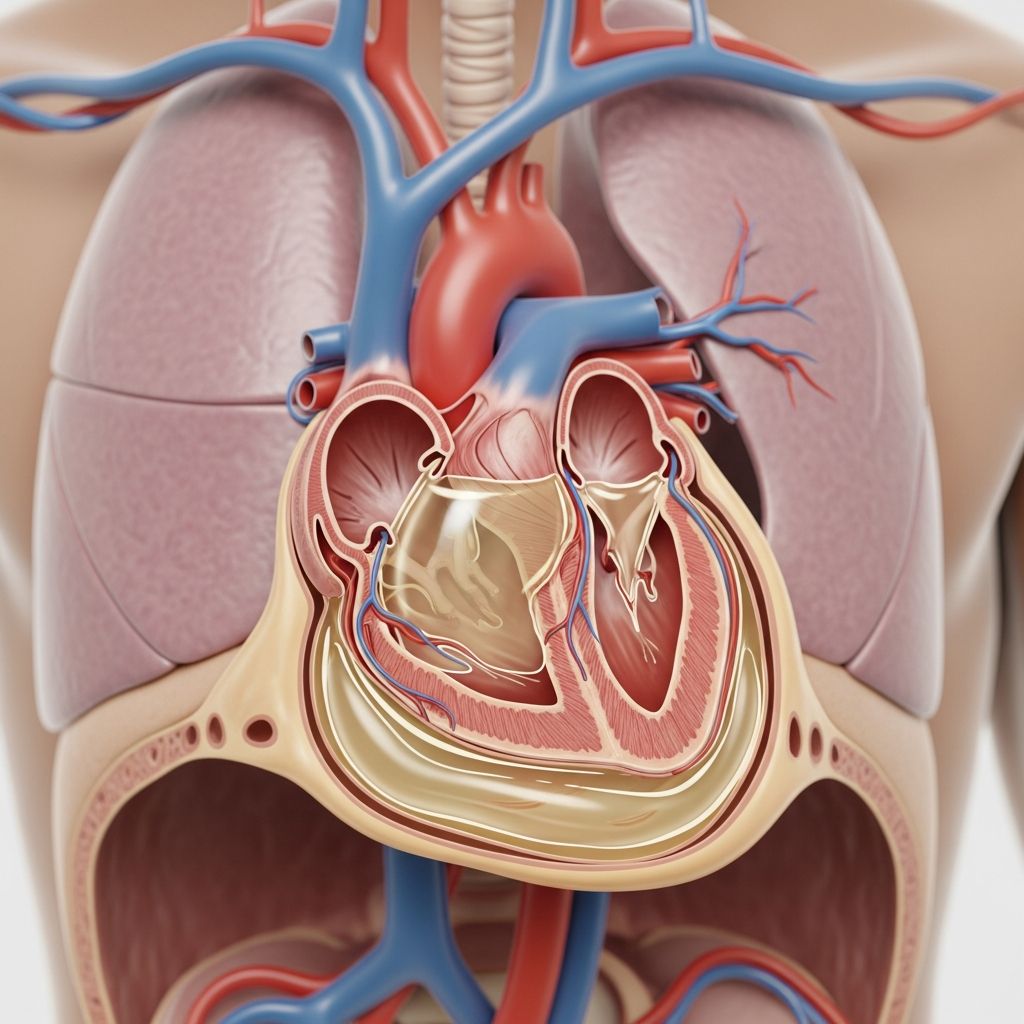
Cardiac tamponade is a life-threatening medical emergency that occurs when excess fluid accumulates in the pericardial sac surrounding the heart, preventing the heart from expanding and filling with blood properly. Under normal circumstances, the pericardium contains a thin layer of protective fluid—typically between 15 and 50 milliliters—that cushions and protects your heart from outside forces, similar to bubble wrap around a fragile item in a shipping box. However, when fluid accumulates excessively, it creates pressure that restricts the heart’s ability to function effectively.
When cardiac tamponade develops, the increasing pressure within the pericardial space causes pressure equalization across all cardiac chambers, which disrupts normal venous return and reduces stroke volume. This leads to obstructive shock, a critical condition where the heart cannot pump sufficient blood to maintain circulation and vital organ function. Without prompt medical intervention, cardiac tamponade can be fatal within minutes to hours.
Understanding the Pathophysiology
The heart operates within a double-walled sac called the pericardium. The normal small amount of fluid in this space allows the heart to beat smoothly without friction. When excessive fluid accumulates, it creates elevated intrapericardial pressure that significantly reduces cardiac output. This pressure prevents proper diastolic filling—the phase when the heart relaxes and fills with blood—leading to decreased pumping efficiency and circulatory compromise.
As the heart attempts to compensate for reduced pumping ability, it accelerates to increase heart rate. However, over time, the heart cannot sustain this compensatory mechanism and may progress into cardiogenic shock. This occurs when the heart fails to pump enough blood to maintain adequate circulation to vital organs including the brain, kidneys, and other essential tissues.
Causes of Cardiac Tamponade
Cardiac tamponade can develop from various underlying conditions and circumstances. The most common causes include:
- Malignancy: Cancer, particularly lung cancer, breast cancer, and lymphoma, represents one of the most frequent causes of pericardial effusion and tamponade.
- Trauma: Chest injuries from accidents, penetrating wounds, or cardiac procedures can cause bleeding into the pericardial space.
- Infection: Bacterial, viral, or fungal infections affecting the pericardium can lead to inflammatory fluid accumulation.
- Kidney disease: Chronic kidney disease and uremia are associated with pericardial effusion development.
- Autoimmune diseases: Conditions like systemic lupus erythematosus and rheumatoid arthritis can cause pericardial inflammation and fluid buildup.
- Medications: Certain pharmaceutical agents, including minoxidil used for hypertension treatment, have been documented as rare causes of pericardial effusion and tamponade.
- Radiation therapy: Cancer treatment involving chest radiation can damage the pericardium.
- Pericarditis: Inflammation of the pericardium can progress to effusion and tamponade.
Symptoms of Cardiac Tamponade
The symptoms of cardiac tamponade vary depending on the speed of fluid accumulation and the volume of fluid involved. Acute accumulation of even modest amounts of fluid can cause severe symptoms, while slow accumulation may allow the pericardium to stretch gradually, potentially delaying symptom onset.
Common symptoms include:
- Shortness of breath or dyspnea, especially during activity or when lying flat
- Chest pain or pressure, often worse with deep breathing
- Weakness and fatigue
- Dizziness or lightheadedness
- Rapid or irregular heartbeat (tachycardia or palpitations)
- Anxiety or feeling of impending doom
- Neck vein distension (jugular venous distension)
- Lower extremity swelling or edema
- Loss of consciousness or syncope in severe cases
Related Stories



If a pericardial effusion is large enough, it may press on surrounding tissues or nerves, causing additional symptoms. The severity of symptoms does not always correlate with the size of the effusion; rather, it depends on how quickly the fluid accumulates and how much pressure it creates within the pericardial space.
When to Seek Emergency Care
You should proceed to the hospital emergency room immediately if you experience any of the following warning signs of cardiac tamponade:
- Severe difficulty breathing or severe shortness of breath
- Chest pain accompanied by shortness of breath
- Fainting or loss of consciousness
- Severe dizziness or lightheadedness
- Rapid pulse that does not slow down
- Bluish discoloration of skin or lips
- Extreme weakness or inability to perform normal activities
Diagnosis of Cardiac Tamponade
Diagnosing cardiac tamponade requires a combination of clinical evaluation, imaging studies, and sometimes physical examination findings. Physicians must consider the patient’s medical history, vital signs, and symptoms alongside diagnostic testing.
Physical Examination Findings
During physical examination, healthcare providers may observe Beck’s triad, which includes elevated jugular venous pressure, muffled heart sounds, and hypotension. However, not all patients with tamponade present with all three findings. Tachycardia is nearly universal, as the heart attempts to compensate for reduced cardiac output.
Echocardiography
Transthoracic echocardiography is the primary diagnostic tool for identifying pericardial effusion and confirming cardiac tamponade. Key echocardiographic findings include:
- Circumferential pericardial effusion visible in multiple echocardiographic views
- Right ventricular diastolic collapse, where the right ventricle appears to collapse inward during diastole
- Right atrial diastolic collapse
- Abnormal mitral valve flow patterns with greater than 30% variation in early filling wave amplitude during respiration
- Abnormal tricuspid valve flow patterns with greater than 60% variation
Point-of-care ultrasound (POCUS) has proven particularly effective in emergency department settings, allowing rapid bedside assessment and immediate identification of tamponade, which can expedite life-saving intervention.
Other Diagnostic Tests
Additional diagnostic studies may include:
- Chest X-ray: May show an enlarged cardiac silhouette or pericardial effusion
- Computed tomography (CT) scan: Provides detailed imaging to assess effusion size and characteristics
- Electrocardiogram (ECG): May show nonspecific changes or signs of pericardial disease
- Inferior vena cava assessment: Ultrasound evaluation of the IVC for plethora (engorgement) and minimal respiratory variation, which is the most sensitive sign of cardiac tamponade
Distinguishing Pericardial Effusion from Cardiac Tamponade
It is important to understand that having a pericardial effusion does not automatically mean a patient has cardiac tamponade. An effusion can range from small and clinically insignificant to large and hemodynamically compromising. The size of the effusion, while useful information, does not determine whether tamponade is present. Instead, physicians must evaluate the patient’s hemodynamic status, clinical symptoms, and echocardiographic evidence of cardiac chamber collapse and abnormal filling patterns.
Generally, larger effusions suggest more chronic etiologies such as malignant involvement or uremia, as the pericardial sac has time to gradually distend as fluid accumulates slowly over weeks or months. In contrast, acute traumatic causes may cause severe hemodynamic compromise with relatively smaller fluid volumes because the pericardium has not had time to stretch and accommodate the increased volume.
Treatment and Management
The primary treatment for cardiac tamponade is urgent drainage of excess fluid from the pericardial space through a procedure called pericardiocentesis. This procedure involves inserting a needle under imaging guidance (typically ultrasound or fluoroscopy) through the chest wall into the pericardial space to remove the accumulated fluid.
Emergency Pericardiocentesis
In emergency situations, pericardiocentesis provides rapid relief of pericardial pressure and restoration of normal cardiac function. The procedure typically involves:
- Patient positioning to optimize needle access
- Ultrasound or fluoroscopic guidance to visualize needle placement
- Local anesthesia administration
- Needle insertion into the pericardial space
- Fluid drainage and collection for analysis
- Catheter placement for continued drainage if necessary
In acute traumatic situations with massive hemorrhage, emergency surgical intervention may be necessary alongside or instead of pericardiocentesis.
Identifying Underlying Causes
After addressing the acute emergency, physicians must investigate and treat the underlying cause of the effusion. Fluid analysis may reveal malignant cells, infection, or other diagnostic information. Additional workup may include imaging studies, laboratory tests, and specialist consultations depending on the suspected etiology.
Follow-up Care
After successful treatment of acute tamponade, healthcare providers will schedule follow-up visits to monitor the patient’s condition and ensure no fluid reaccumulation occurs. Patients receive guidance on managing symptoms and understanding when to seek additional medical attention. Long-term management depends on the underlying cause and may involve ongoing treatment for malignancy, infection, kidney disease, or autoimmune conditions.
Complications Without Treatment
Without prompt treatment, cardiac tamponade leads to progressive hemodynamic deterioration and cardiogenic shock. As the heart pumps less blood, vital organs receive insufficient oxygen and nutrients. This triggers a cascade of physiologic derangements affecting kidney function, brain perfusion, and metabolic function. Untreated tamponade is fatal, typically progressing to cardiovascular collapse and death within minutes to hours.
Frequently Asked Questions
Q: How quickly does cardiac tamponade develop?
A: The speed of development varies significantly. Acute trauma may cause tamponade within minutes to hours. Malignant effusions typically develop over days to weeks, while inflammatory or infectious causes may take weeks to months. The rate of fluid accumulation greatly influences symptom severity and urgency of treatment.
Q: Can cardiac tamponade be prevented?
A: Prevention depends on addressing underlying risk factors. This includes appropriate cancer treatment and monitoring, managing kidney disease, controlling inflammatory conditions, and monitoring medication side effects. Early detection and treatment of pericardial disease can prevent progression to tamponade.
Q: What is the survival rate for cardiac tamponade?
A: Survival depends on how quickly tamponade is recognized and treated. With prompt recognition and emergency pericardiocentesis, survival rates are significantly higher. However, delayed diagnosis or untreated tamponade has very poor outcomes. The underlying cause of the effusion also influences long-term prognosis.
Q: Can fluid reaccumulate after pericardiocentesis?
A: Yes, depending on the underlying cause. Malignant effusions frequently recur, sometimes within days or weeks. Treatment of the underlying cause helps prevent reaccumulation. Some patients may require repeat procedures or surgical interventions like pericardiectomy for chronic recurrent effusions.
Q: Is cardiac tamponade always an emergency?
A: Yes, cardiac tamponade is always a medical emergency requiring immediate hospital evaluation and intervention. Even if symptoms seem mild, the condition can rapidly deteriorate to life-threatening status. Any suspicion of tamponade warrants emergency evaluation.
References
- Cardiac Tamponade — American College of Emergency Physicians, EM Ultrasound Section. 2024-05. https://www.acep.org/emultrasound/newsroom/may-2024/cardiac-tamponade
- Pericardial Effusion: Symptoms & Causes — Cleveland Clinic. 2024. https://my.clevelandclinic.org/health/diseases/17351-pericardial-effusion
- Cardiac Tamponade Due to Minoxidil Use — European Journal of Case Reports in Internal Medicine. 2024. https://www.ejcrim.com/index.php/EJCRIM/article/view/5379
- Cardiac Tamponade: 12 Pearls in Diagnosis and Management — Cleveland Clinic Journal of Medicine, PubMed. https://pubmed.ncbi.nlm.nih.gov/23376916/
- Pericarditis: Symptoms, Causes and Treatment — Cleveland Clinic. 2024. https://my.clevelandclinic.org/health/diseases/17353-pericarditis
Similar Articles








Read full bio of medha deb