Cardiovascular Disease: Types, Causes & Symptoms
Understanding cardiovascular disease: Comprehensive guide to types, causes, symptoms, and management strategies.
Understanding Cardiovascular Disease: A Comprehensive Guide
Cardiovascular disease (CVD) represents a broad category of conditions that affect your heart and blood vessels, making it one of the most significant health challenges globally. Nearly half of all adults in the United States have at least one form of heart disease, and cardiovascular disease remains the leading cause of death worldwide. In 2019 alone, CVD was responsible for approximately 1 in 3 global deaths—nearly 18 million people. Despite these sobering statistics, the good news is that early detection and proper management can significantly improve outcomes and quality of life. Understanding the different types of cardiovascular disease, recognizing symptoms, and learning about prevention and treatment options are crucial steps in maintaining heart health.
What Is Cardiovascular Disease?
Cardiovascular disease encompasses any condition that affects the structure or function of your heart and blood vessels. These diseases develop over time as various risk factors combine to damage the cardiovascular system. The condition can range from minor blockages to complete arterial occlusion, and symptoms may develop gradually or appear suddenly. Many people live with cardiovascular disease for years without experiencing noticeable symptoms, which is why CVD is often referred to as a “silent killer.” This silent nature makes regular health screenings and awareness of risk factors essential for early detection and intervention.
Types of Cardiovascular Disease
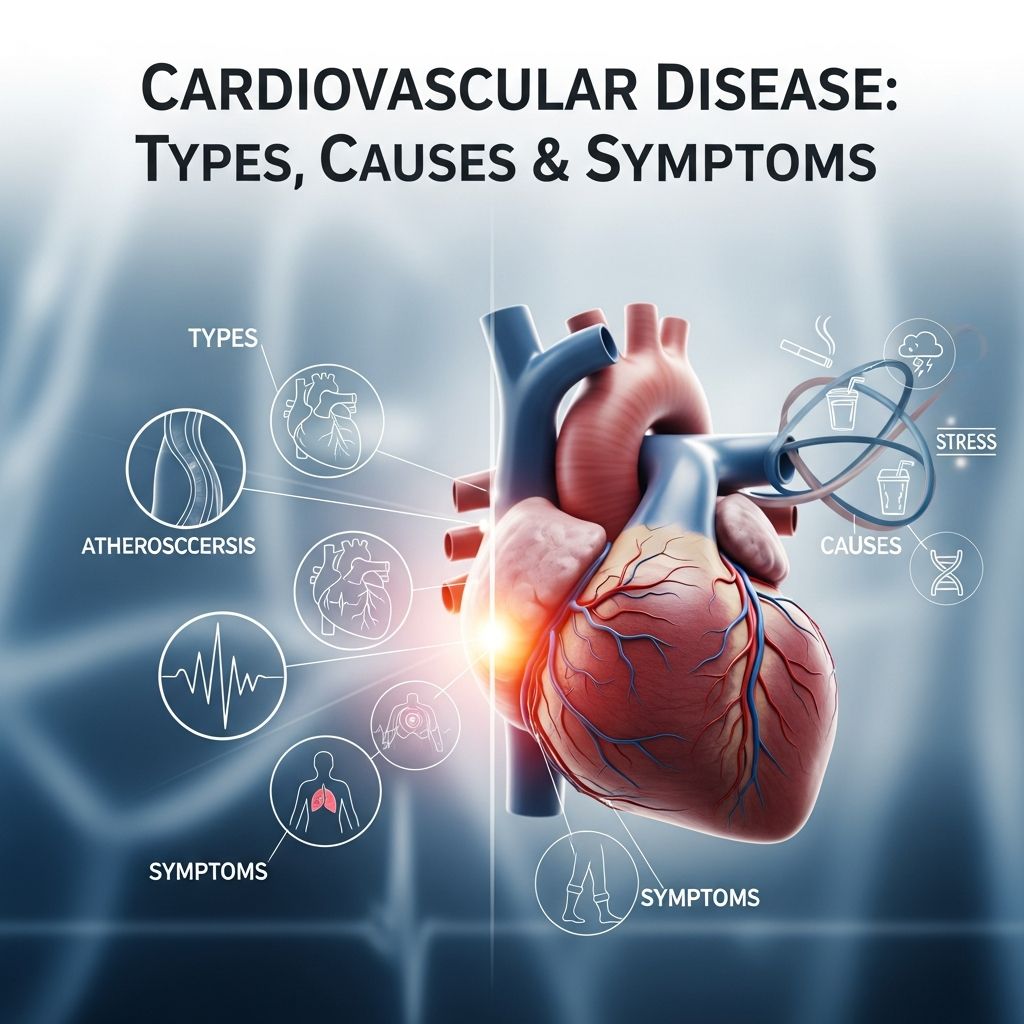
Cardiovascular disease encompasses several distinct conditions, each affecting different components of the cardiovascular system:
- Coronary Artery Disease (CAD): The narrowing or blockage of coronary arteries due to plaque buildup, limiting oxygen-rich blood flow to the heart muscle. This is the most common type of heart disease.
- Heart Attack (Myocardial Infarction): A medical emergency occurring when the heart muscle begins to die due to insufficient blood flow, requiring immediate medical attention.
- Arrhythmias: Abnormal heart rhythms where the heart beats irregularly, too fast, or too slowly, affecting the heart’s ability to pump blood efficiently.
- Heart Failure: A condition where the heart cannot pump enough blood to meet the body’s needs, resulting in fluid accumulation and reduced circulation.
- Valve Disease: Problems with heart valves that prevent proper blood flow through the heart chambers.
- Peripheral Artery Disease (PAD): Narrowing of arteries in the limbs, reducing blood flow to the legs and feet.
- Carotid Artery Disease: Plaque buildup in neck arteries that supply blood to the brain, increasing stroke risk.
- Stroke: Interrupted blood flow to the brain caused by blocked or burst blood vessels.
Understanding the Causes of Cardiovascular Disease
The development of cardiovascular disease typically involves multiple factors working together over time. The primary underlying cause is atherosclerosis, which is the gradual buildup of plaque in arteries throughout your body. Plaque consists of cholesterol, waste products, calcium, and fibrin—a substance that helps blood clot. As this plaque accumulates along artery walls, the arteries become progressively narrower and stiffer, restricting blood flow.
Different types of cardiovascular disease have specific causative factors. For example, atherosclerosis directly causes coronary artery disease and peripheral artery disease by restricting blood flow through these vessels. Arrhythmias can result from coronary artery disease, scarring of heart muscle tissue, genetic abnormalities, or certain medications. Valve diseases often develop due to aging, infections, or rheumatic disease affecting heart valve function.
Risk Factors for Cardiovascular Disease
Understanding your risk factors is essential for prevention and early intervention. While some risk factors cannot be changed, many can be modified through lifestyle changes or medications:
Non-Modifiable Risk Factors
- Family history of heart disease
- Age (increasing risk with advancing years)
- Genetic predispositions
- Male gender (though women’s risk increases after menopause)
Modifiable Risk Factors
- High cholesterol levels
- High blood pressure (hypertension)
- Diabetes and metabolic disorders
- Obesity and excess weight
- Sedentary lifestyle and lack of physical activity
- Unhealthy diet high in saturated fats and sodium
- Tobacco use and smoking
- Excessive alcohol consumption
- Chronic stress and poor mental health
Related Stories



The positive aspect of modifiable risk factors is that you have direct control over many of them. By making conscious lifestyle choices and working with healthcare providers to manage medical conditions, you can significantly reduce your cardiovascular disease risk.
Recognizing Symptoms of Cardiovascular Disease
Symptoms of cardiovascular disease vary depending on the specific type and severity of the condition. Some people may experience no symptoms for years, while others notice clear warning signs:
Common Cardiovascular Disease Symptoms
- Chest pain or discomfort: A squeezing, pressure, or tightness sensation in the chest, particularly during physical exertion
- Shortness of breath: Difficulty breathing or feeling breathless during normal activities
- Exhaustion and fatigue: Unusual tiredness even after adequate rest
- Dizziness or lightheadedness: Feeling faint or dizzy, particularly upon standing
- Irregular heartbeat: Palpitations or awareness of an irregular pulse
- Swelling in legs, ankles, or feet: Fluid retention indicating reduced circulation or heart function
- Pain in the neck, jaw, or shoulders: Referred pain that may accompany chest discomfort
It is important to note that sometimes the first sign of coronary artery disease is a heart attack itself. This underscores the importance of regular health screenings and maintaining awareness of your risk factors, even if you feel completely healthy.
Diagnosis of Cardiovascular Disease
Healthcare providers employ various methods to diagnose cardiovascular disease accurately:
Physical Examination
Your provider will conduct a thorough physical examination that includes reviewing your medical and family history, discussing your symptoms and lifestyle, assessing blood pressure, listening to your heart and lungs with a stethoscope, and checking for signs of fluid retention or poor circulation.
Diagnostic Testing
Various tests can assess heart function and diagnose specific types of cardiovascular disease:
- Electrocardiogram (ECG): Records electrical activity of the heart to detect arrhythmias or damage
- Echocardiogram: Ultrasound imaging that shows heart structure and function
- Stress Tests: Evaluate heart response during physical exertion
- Cardiac Catheterization: Minimally invasive procedure allowing direct visualization of coronary arteries
- Coronary Angiography: X-ray imaging with contrast dye to visualize blood vessel blockages
- Blood Tests: Measure cholesterol, troponin, and other cardiac markers
- CT or MRI Imaging: Advanced imaging to visualize heart and vessel structure
- Holter Monitor: Portable device recording heart rhythm over 24-48 hours
Treatment Options for Cardiovascular Disease
Treatment approaches for cardiovascular disease depend on the specific diagnosis, severity, and individual patient factors. Most treatment plans combine lifestyle modifications with medical interventions:
Lifestyle Modifications
Lifestyle changes form the foundation of cardiovascular disease management. These include eating heart-healthy foods rich in fruits, vegetables, whole grains, and lean proteins while reducing saturated fats and sodium intake. Regular physical activity—at least 150 minutes of moderate-intensity aerobic exercise weekly—strengthens the heart and improves circulation. Avoiding tobacco in all forms is crucial, as smoking significantly increases cardiovascular risk. Managing stress through relaxation techniques, meditation, or counseling helps reduce strain on the heart. Maintaining a healthy weight and limiting alcohol consumption further reduce disease progression and complications.
Medications
Various medications help manage cardiovascular disease by addressing underlying causes and symptoms. Statins reduce cholesterol levels, ACE inhibitors and beta-blockers control blood pressure and reduce heart workload, antiplatelet agents like aspirin prevent blood clots, and diuretics help manage fluid retention. SGLT2 inhibitors and GLP-1 receptor agonists offer additional benefits for patients with diabetes and cardiovascular disease. Your healthcare provider will recommend specific medications based on your diagnosis and individual needs.
Procedural Interventions
For more advanced cases, procedural interventions may be necessary. Percutaneous coronary intervention (PCI) with stent placement restores blood flow through blocked arteries. Coronary artery bypass grafting (CABG) creates new pathways for blood flow around blockages. Transcatheter aortic valve replacement (TAVR) provides minimally invasive valve treatment. Implantable cardioverter-defibrillators (ICDs) manage dangerous arrhythmias, while pacemakers regulate abnormal heart rhythms.
Prevention Strategies for Cardiovascular Disease
Prevention is more effective than treatment when it comes to cardiovascular disease. Primary prevention focuses on preventing disease development in people without CVD, while secondary prevention aims to prevent disease progression and complications in those already diagnosed. Both involve similar strategies: maintaining optimal cholesterol levels through diet and medications when necessary, controlling blood pressure to recommended levels, managing diabetes effectively, maintaining healthy weight, engaging in regular physical activity, avoiding tobacco completely, limiting alcohol consumption, eating a heart-healthy diet, managing stress effectively, and getting adequate sleep. Regular health screenings allow early detection of risk factors before disease develops.
Complications of Cardiovascular Disease
Without proper management, cardiovascular disease can lead to serious complications. The primary complication of coronary artery disease is heart attack, a medical emergency that can be fatal if blood flow to the heart is not restored promptly. Over time, CVD can weaken the heart muscle and lead to heart failure, where the heart cannot pump blood effectively. Arrhythmias from CVD can cause cardiac arrest—a complete cessation of heartbeat requiring emergency intervention. CVD affecting blood vessels in the brain can cause stroke, resulting in brain damage or death. Damage to kidney blood vessels can impair kidney function, leading to kidney disease. Peripheral artery disease can cause tissue damage and amputation if left untreated. Early detection and aggressive management help prevent these serious complications.
Living with Cardiovascular Disease
Managing cardiovascular disease is a lifelong journey requiring commitment and collaboration with healthcare providers. Work with your provider to adopt manageable lifestyle changes tailored to your circumstances. Learn about available treatment options and how each medication or procedure supports your heart health. Share your health goals with family and friends, allowing them to support your efforts. Regular follow-up appointments ensure your treatment plan remains effective and adjusted as needed. Support groups and cardiac rehabilitation programs provide education and encouragement from others managing similar conditions. Remember that you are not alone in this journey—healthcare providers, family, and community resources are available to support your recovery and long-term heart health.
When to Seek Emergency Care
Certain cardiovascular symptoms require immediate emergency attention. Seek emergency care if you experience chest pain or pressure lasting more than a few minutes, sudden severe shortness of breath, loss of consciousness, confusion or altered mental status, or signs of stroke such as facial drooping, arm weakness, or speech difficulty. Call emergency services immediately rather than attempting to drive yourself to the hospital. Quick action can mean the difference between life and death in cardiovascular emergencies.
Frequently Asked Questions About Cardiovascular Disease
Q: Can cardiovascular disease be reversed?
A: While established cardiovascular disease cannot be completely reversed, progression can be stopped or slowed significantly through aggressive lifestyle modifications, medications, and medical procedures. Some aspects of plaque buildup may improve with comprehensive management, and heart function can be strengthened through cardiac rehabilitation and proper treatment.
Q: How often should I have heart screenings if I have risk factors?
A: The frequency of screenings depends on your specific risk factors and existing conditions. Generally, adults should have their blood pressure and cholesterol checked regularly, at least every four to six years if normal. Those with risk factors or existing disease may need more frequent monitoring. Discuss appropriate screening intervals with your healthcare provider.
Q: Is cardiovascular disease preventable?
A: While genetic and age-related factors cannot be changed, most cardiovascular disease is preventable through lifestyle modifications and management of modifiable risk factors. Maintaining healthy weight, exercising regularly, eating nutritious foods, avoiding tobacco, managing stress, and controlling chronic conditions like diabetes and hypertension significantly reduce CVD risk.
Q: Can younger people develop cardiovascular disease?
A: Yes, cardiovascular disease can develop at any age, though it becomes more common with advancing years. Younger individuals with multiple risk factors, family history, or unhealthy lifestyles can develop CVD. Early prevention through healthy habits is particularly important for younger people to establish patterns that protect long-term heart health.
Q: What is the difference between a heart attack and heart disease?
A: Heart disease is the broader category encompassing various conditions affecting the heart and blood vessels. A heart attack is a specific acute emergency that occurs when blood flow to part of the heart muscle is blocked, causing tissue death. Heart disease may exist for years without a heart attack, but unmanaged heart disease significantly increases heart attack risk.
References
- Cardiovascular Disease: Types, Causes & Symptoms — Cleveland Clinic. Accessed December 2025. https://my.clevelandclinic.org/health/diseases/21493-cardiovascular-disease
- Coronary Artery Disease (CAD): Symptoms & Treatment — Cleveland Clinic. Accessed December 2025. https://my.clevelandclinic.org/health/diseases/16898-coronary-artery-disease
- Heart Disease in Women: Risk Factors, Symptoms & Prevention — Cleveland Clinic. Accessed December 2025. https://my.clevelandclinic.org/health/diseases/17645-women–cardiovascular-disease
- How To Prevent Heart Disease — Cleveland Clinic. Accessed December 2025. https://my.clevelandclinic.org/health/articles/17385-heart-disease-prevention-and-reversal
- Heart Disease: Symptoms, Causes & Treatment — Cleveland Clinic. Accessed December 2025. https://my.clevelandclinic.org/health/diseases/24129-heart-disease
- Heart Attack: Symptoms & Treatment — Cleveland Clinic. Accessed December 2025. https://my.clevelandclinic.org/health/diseases/16818-heart-attack-myocardial-infarction
Similar Articles








Read full bio of Sneha Tete