Cardiovascular Surgery: Treatment Options and Procedures
Comprehensive guide to cardiovascular surgery procedures, benefits, and recovery.
Cardiovascular Surgery: Comprehensive Treatment for Heart Disease
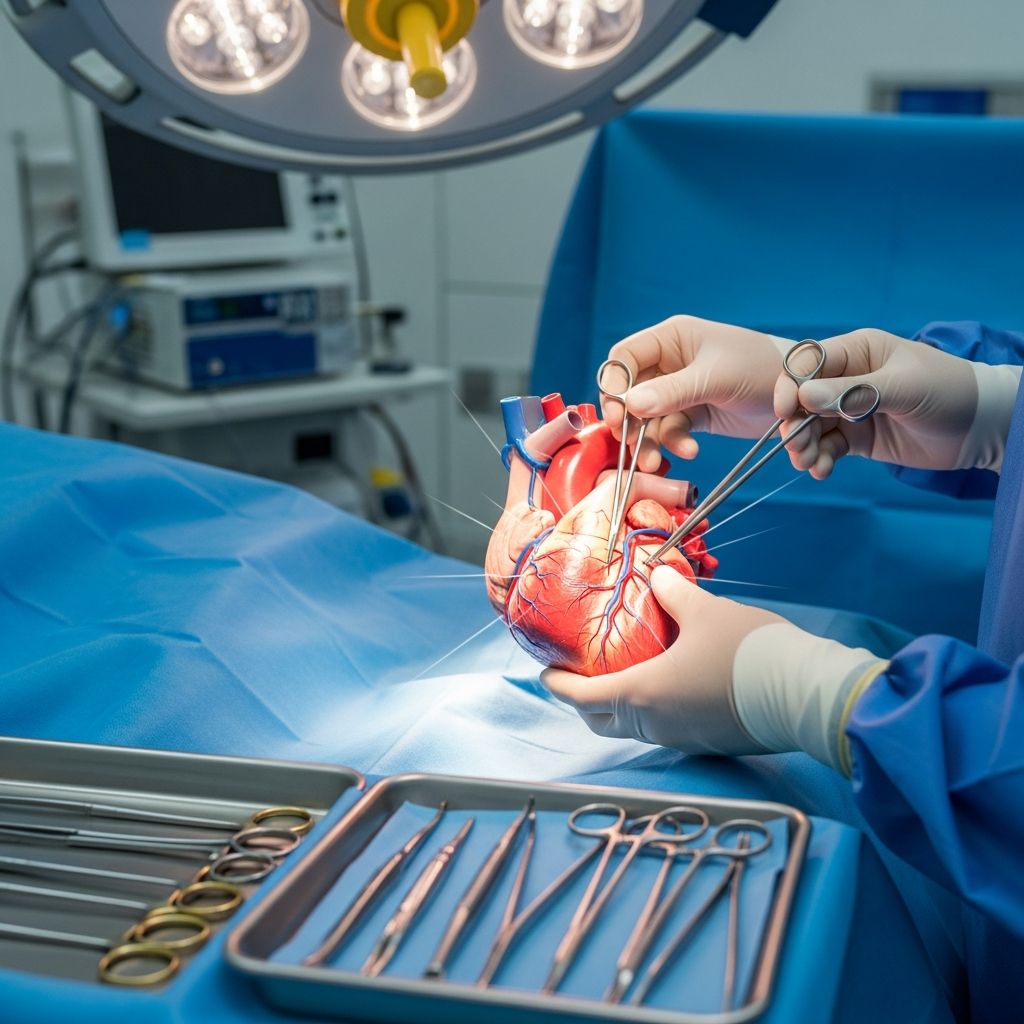
Cardiovascular surgery represents a critical intervention for patients with severe heart disease that cannot be managed through medication or less invasive procedures. Whether you’re facing coronary artery disease, valve disorders, or other cardiac conditions, understanding your surgical options and what to expect can help you make informed decisions about your care. Johns Hopkins Heart and Vascular Institute offers comprehensive cardiovascular surgical services designed to address the full spectrum of heart conditions with cutting-edge techniques and expert care.
What is Cardiovascular Surgery?
Cardiovascular surgery encompasses a range of surgical procedures designed to treat diseases of the heart and blood vessels. These procedures address conditions such as coronary artery disease, where blockages in coronary arteries restrict blood flow to the heart muscle, leading to angina or heart attacks. Risk factors including high blood pressure, elevated cholesterol, obesity, diabetes, and smoking can all contribute to the narrowing or complete blockage of coronary arteries. Additionally, cardiovascular surgeons treat various valve disorders, including mitral valve disease and tricuspid valve problems, as well as structural heart abnormalities. The goal of cardiovascular surgery is to restore proper blood flow, improve cardiac function, and ultimately enhance quality of life and longevity for patients with serious heart conditions.
Common Cardiovascular Surgery Procedures
Coronary Artery Bypass Grafting (CABG)
Coronary artery bypass grafting is one of the most frequently performed cardiovascular surgeries. During this procedure, a healthy blood vessel from another part of the body is grafted to bypass a blocked coronary artery, restoring blood flow to the heart muscle. This procedure is particularly beneficial for patients with multiple coronary artery blockages or those who cannot undergo angioplasty.
Heart Valve Repair and Replacement
Heart valve disorders can significantly impact cardiac function. Johns Hopkins maintains a robust structural heart program, particularly excelling in mitral and tricuspid valve repair procedures. The advantage of valve repair over replacement includes lower operative mortality and morbidity rates, elimination of the need for long-term anticoagulation therapy, and preservation of the patient’s native valve and ventricular function. This approach not only offers superior hemodynamic outcomes but also provides physiological benefits that extend far beyond the immediate postoperative period.
Heart Transplantation
For patients with end-stage heart disease unresponsive to other treatments, heart transplantation offers hope. Johns Hopkins has pioneered innovative approaches to expand the donor pool and improve transplant outcomes, including specialized protocols for donor selection and recipient management.
Left Ventricular Assist Device (LVAD) Placement
Mechanical circulatory support through LVAD placement has revolutionized treatment for advanced heart failure. These devices can serve as a bridge to transplantation, destination therapy, or recovery support, dramatically improving patient outcomes and quality of life.
Advanced Diagnostic and Surgical Technologies
Modern cardiovascular surgery relies on sophisticated diagnostic tools and surgical technologies. Echocardiography provides functional assessment of the heart and major blood vessels, allowing surgeons to precisely evaluate cardiac anatomy and function before surgery. Advanced imaging techniques, including four-dimensional echocardiography, enable three-dimensional visualization of cardiac structures and function over time without requiring geometric assumptions.
Pressure-volume loop analysis using miniature conductance catheters provides detailed hemodynamic assessment, measuring intraventricular pressures, systolic and diastolic function, and contractility. These advanced diagnostic capabilities allow for precise surgical planning and optimization of patient selection.
Before Your Cardiovascular Surgery
Referral and Initial Consultation
Cardiovascular surgery services typically require a referral from your primary care physician or a specialist such as your cardiologist or thoracic surgeon. When you arrive at the Cardiovascular Surgery Clinic, you’ll undergo an initial clinical screening within five minutes of check-in. Your appointment typically lasts 20 to 30 minutes, with average wait times of 15 to 20 minutes.
Pre-Operative Evaluation
During your initial consultation, your surgeon will thoroughly review your symptoms and medical history, performing a comprehensive physical examination to assess your overall health status. You will typically be scheduled for a pre-operative assessment clinic two to three weeks before your planned surgery. This visit ensures you are medically optimized for the anesthetic and surgical procedure.
Related Stories



Standard pre-operative testing includes:
- Chest X-ray to evaluate lung status
- Blood and urine tests to assess organ function and detect abnormalities
- Nasal swab to screen for infections
- Electrocardiogram (EKG) to record the electrical activity of your heart
- Additional cardiac testing as clinically indicated
During Your Cardiovascular Surgery
On the morning of surgery, surgical site preparation includes shaving of the chest, legs, and groin area. You will receive anesthesia to induce sleep and provide pain relief throughout the procedure. The specific surgical approach depends on the type of procedure being performed.
For coronary artery bypass grafting and other open-heart procedures, the surgeon makes an incision down the center of the breastbone, providing full access to the heart and major vessels. Once the surgical correction is completed, the breastbone is wired shut, and the skin incision is closed with stitches or staples.
You may have pacing wires placed on your chest to help control your heartbeat during the immediate postoperative period. Chest tubes are also placed to drain extra air and blood that accumulates around the heart and lungs. These temporary interventions are essential components of the surgical procedure.
After Your Cardiovascular Surgery
Immediate Postoperative Period
Following surgery, you will be transported to the Cardiac Surgery Intensive Care Unit (ICU) for close monitoring. When you regain consciousness, the breathing tube placed during surgery will be removed. Initially, you’ll receive oxygen through a face mask, which will transition to a small oxygen tube as your breathing improves.
Deep breathing and coughing exercises are critical during your recovery to prevent fluid accumulation in your lungs. Perform these exercises 10 to 20 times per hour. An incentive spirometer, a simple device that measures your breathing depth, will help you monitor your progress and ensure adequate ventilation.
Early Mobilization and Progressive Recovery
The day after surgery, you should be able to walk with assistance. If your bypass vessel was harvested from your leg, you may experience some swelling in that area. Elevate your legs above your heart level when sitting, and avoid crossing your legs to promote healthy circulation.
After one to two days in the ICU, you will typically move to the Cardiac Progressive Care Unit, where you’ll remain for three to five days before discharge. During this period, medical staff closely monitor your heart rhythm, oxygen levels, and other vital parameters. Anemia, characterized by low red blood cell counts, is common after surgery but will be assessed and managed appropriately.
Drainage Tubes and Pacing Wires
Chest tubes that drain excess air and blood will be removed approximately one day after surgery. Similarly, pacing wires placed on your chest during the operation will be removed before you are discharged home. These temporary interventions are removed as soon as they are no longer clinically necessary.
Recovery and Rehabilitation
Full recovery from cardiovascular surgery is a gradual process that typically spans several weeks to months. Most patients can return to light activities within a few weeks and resume normal activities within 6 to 12 weeks, depending on the specific procedure and individual healing capacity.
Your surgical team will provide detailed discharge instructions covering activity restrictions, wound care, medication management, and follow-up appointments. Cardiac rehabilitation programs, combining supervised exercise with education about heart disease prevention, can significantly enhance recovery outcomes and long-term cardiac health.
Specialized Programs at Johns Hopkins
Structural Heart Program
Johns Hopkins maintains a high-volume structural heart program specializing in mitral and tricuspid valve repair. The institute’s expertise in valve-preserving surgery has earned international recognition, with outcomes significantly exceeding national averages.
Heart Failure and Transplant Program
The institute’s cardiac failure and heart transplant program has successfully supported over 30 patients in the past year, many of whom have returned to their normal lives thanks to innovative strategies and advanced devices. This comprehensive program combines medical management, mechanical circulatory support, and transplantation to offer patients the complete spectrum of heart failure treatment options.
Research and Innovation
Johns Hopkins continues to pioneer research in cardiovascular surgery, including investigations into novel pharmacological agents and surgical techniques. The institute’s focus on adenosine triphosphate-sensitive potassium channel openers represents ongoing commitment to innovation in cardiac care. These research initiatives are advancing the field and shaping the future of cardiovascular surgery, ensuring that patients benefit from the latest medical discoveries.
Why Choose Johns Hopkins for Cardiovascular Surgery
Johns Hopkins Heart and Vascular Institute represents the forefront of cardiac care, combining superlative patient care with groundbreaking discovery and education. The institute’s multidisciplinary team of cardiovascular surgeons, cardiologists, perfusionists, nurses, and allied health professionals collaborates seamlessly to ensure each patient receives the most comprehensive care possible. High-volume surgical experience, proven outcomes, cutting-edge technology, and commitment to research and innovation distinguish Johns Hopkins as a premier destination for patients requiring cardiovascular surgery.
Frequently Asked Questions
Q: How long does recovery from cardiovascular surgery typically take?
A: Recovery timelines vary depending on the specific procedure and individual factors. Most patients can resume light activities within 3-4 weeks and return to normal activities within 6-12 weeks. Full healing of the breastbone may take 8-12 weeks.
Q: Will I need to take medications after cardiovascular surgery?
A: Yes, most patients require long-term medications after cardiovascular surgery. These typically include blood thinners, beta-blockers, ACE inhibitors, and statins. Your cardiologist will determine your specific medication regimen based on your condition and surgical procedure.
Q: Can I resume normal activities after cardiovascular surgery?
A: Most patients can return to normal activities including work, driving, and recreational activities within 6-12 weeks. However, you should avoid heavy lifting and strenuous exercise initially. Always follow your surgeon’s specific recommendations.
Q: What are the risks associated with cardiovascular surgery?
A: Like any major surgery, cardiovascular surgery carries risks including bleeding, infection, arrhythmias, and stroke. However, at high-volume centers like Johns Hopkins, complication rates are significantly lower than the national average, particularly for valve repair procedures.
Q: Is cardiac rehabilitation necessary after surgery?
A: Cardiac rehabilitation is highly recommended and can significantly improve recovery outcomes. These programs combine supervised exercise with education about heart disease prevention and lifestyle modification.
Q: How do I prepare for my cardiovascular surgery?
A: Follow all pre-operative instructions from your surgical team. This typically includes completing all required testing, adjusting medications as directed, stopping certain supplements, and fasting the night before surgery. Attend your pre-operative assessment clinic approximately 2-3 weeks before surgery.
References
- The Cardiovascular Physiology and Surgery Core — Johns Hopkins iLab Organizer. Accessed December 2025. https://johnshopkins.ilab.agilent.com/service_center/show_external/4132
- Heart Surgery | Johns Hopkins Aramco Healthcare — Johns Hopkins Aramco Healthcare. Accessed December 2025. https://www.jhah.com/en/care-services/specialty-care/heart-vascular/cardiothoracic-surgery/
- Revolutionizing Cardiothoracic Surgery & Heart Transplantation at Johns Hopkins — Johns Hopkins Heart and Vascular Institute. January 25, 2025. https://www.youtube.com/watch?v=wAUQ19Hw3iI
Similar Articles








Read full bio of medha deb