Care of the Uncircumcised Penis: A Complete Guide
Essential hygiene and health care tips for uncircumcised boys and men.
Understanding the Uncircumcised Penis
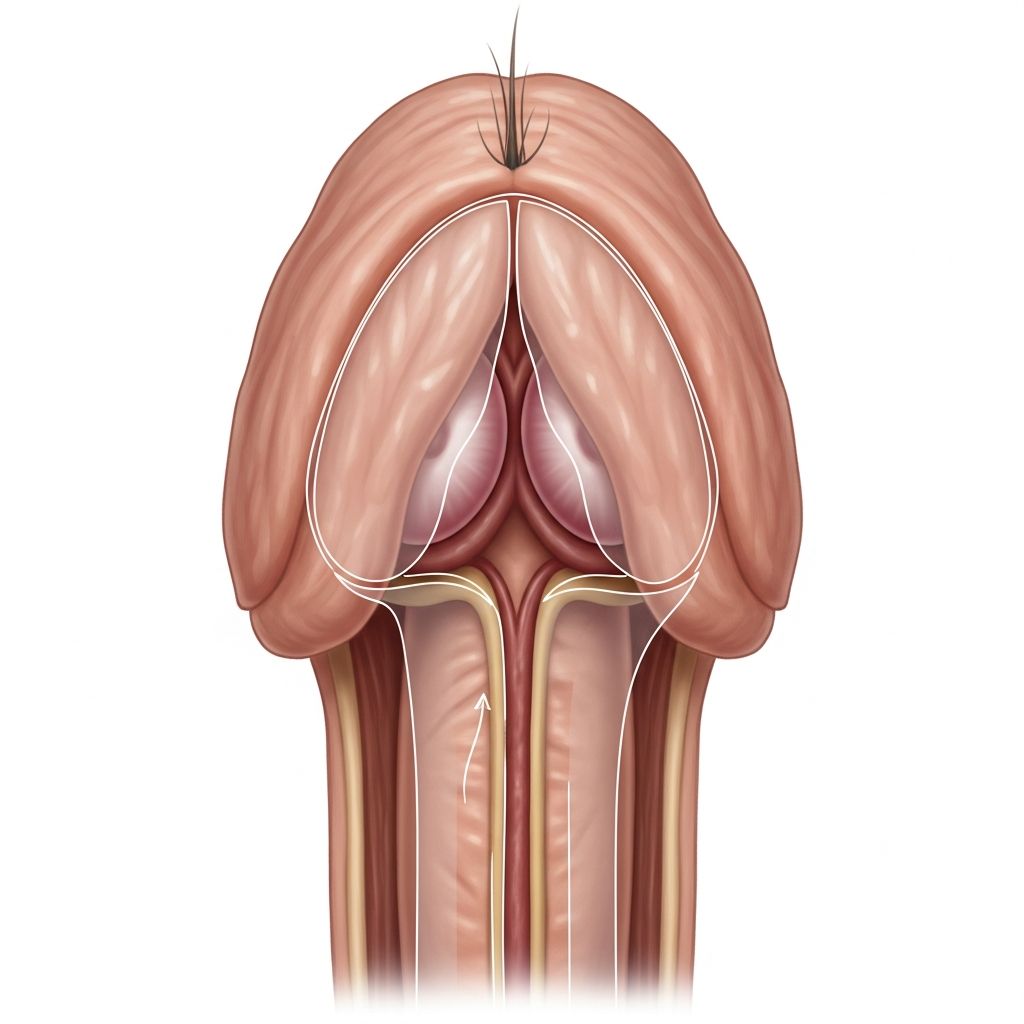
The penis is the external reproductive organ of males, consisting of two primary parts: the shaft and the head, commonly referred to as the glans. All male infants are born with a foreskin, which is a protective layer of skin that covers both the shaft and the glans. While some boys undergo circumcision—a surgical procedure that removes this skin covering—other boys retain their foreskin, remaining uncircumcised. Understanding the anatomy and natural development of the uncircumcised penis is essential for parents and caregivers to provide appropriate hygiene and health management throughout childhood and into adulthood.
What is the Foreskin?
The foreskin serves as a natural protective covering for the sensitive glans of the penis. In newborns, the foreskin is typically fused to the glans and does not retract. This is a completely normal physiological state and requires no intervention. The foreskin will gradually begin to separate from the glans naturally over time as the child grows, though this process varies significantly among individuals.
Natural Foreskin Separation and Retraction
One of the most important aspects of understanding uncircumcised penis care is recognizing that foreskin retraction is a natural developmental process that should never be forced. In uncircumcised boys, the foreskin will gradually begin to separate from the glans of the penis. As this occurs, parents and caregivers may notice the appearance of a white, cheesy material called smegma, which consists of shed skin cells that accumulate throughout life. Additionally, small white “pearls” may develop under the fused layers of the foreskin and glans. These are completely harmless and represent normal physiological changes, not signs of infection or cysts.
Timeline of Retraction
The timing of foreskin retraction varies considerably among boys. Some children can retract their foreskin as early as age five, while others may not achieve full retraction until their teenage years. This natural variation is completely normal and should not cause concern. Forcing retraction of the foreskin prematurely can cause significant problems, including pain, bleeding, scarring, and adhesions where skin becomes stuck to skin. Parents should allow the foreskin to retract naturally at its own pace and never attempt to force the process.
Infant and Toddler Care (Birth to Age 3)
Caring for an uncircumcised newborn is straightforward and requires minimal special intervention. The focus during infancy is on gentle, external cleaning only.
Bathing and Cleaning Newborns
Before your baby reaches one year of age, simply wash the penis with warm water during each bath. You may use a mild soap that does not irritate the skin, though this is optional. It is crucial to treat the baby’s foreskin gently while washing and to only clean the outside of the foreskin at this stage. There is no need to use cotton swabs or special cleansers, as these can cause irritation and potential injury. Do not attempt to retract the foreskin for cleaning purposes, as this can injure the delicate tissue and cause scarring that may lead to difficulties with retraction later in life.
Related Stories



Early Signs of Separation
Between ages one and three, the foreskin may begin to separate gradually from the glans. Around this time, your child’s healthcare professional may inform you that it is appropriate to begin cleaning underneath the foreskin if it has started to retract naturally. If your child’s foreskin has begun to separate on its own, follow these gentle steps during bathing:
Step-by-Step Cleaning Process:
Gently pull back only the loose part of the foreskin, and stop immediately if pulling causes pain or distress to your child. Rinse the area beneath the foreskin with warm water only, avoiding the use of soap or soapy water, as this can irritate the sensitive tissue. Use a washcloth and water to gently wipe away any white or yellowish material (smegma) that you find under the foreskin. After cleaning, dry the head of the penis and gently pull the foreskin back over the glans. It is essential to always reposition the foreskin after cleaning to prevent complications.
Care for School-Age Children (Ages 5 to 10)
As children enter school age and develop greater independence, establishing a routine for genital hygiene becomes important. By ages five or six, you should begin teaching your child to practice foreskin cleaning once a week during bathing. This helps the child develop awareness of proper hygiene while allowing the foreskin to continue its natural separation process at its own pace.
Teaching Independence
During toilet training, teach your son how to retract his foreskin so he becomes accustomed to this necessary step during urination. Eventually, the foreskin should retract far enough during urination to see the meatus, which is the opening where urine emerges. This prevents urine from accumulating beneath the foreskin, which could potentially cause an infection. Supervise your child’s efforts initially to ensure proper technique and to provide guidance on appropriate hygiene practices.
Hygiene Guidelines for School-Age Boys
As your child gets older and the foreskin has completely separated and retracts easily, teach him to clean underneath the foreskin as part of his regular bathing routine. Emphasize the importance of retracting the foreskin over the glans after washing, as leaving the foreskin retracted behind the glans for extended periods can lead to a serious condition called paraphimosis.
Adolescent and Adult Care
By the time boys reach puberty, they should be taught the importance of daily hygiene as part of their personal care routine. This is when establishing long-term habits becomes critical for maintaining genital health.
Daily Hygiene Practices
At puberty, your son should be taught to clean beneath the foreskin as part of his daily hygiene routine. The process remains consistent with earlier techniques: gently retract the foreskin, rinse with warm water, wipe away any smegma with a washcloth, dry the glans, and reposition the foreskin over the glans. This daily practice helps prevent the accumulation of smegma and reduces the risk of infections or other complications.
Understanding Smegma
Smegma is a normal and natural secretion consisting of oils, skin cells, and other fluids that accumulate under the foreskin. While it may appear as a white or yellowish material and can have an odor, it is not a sign of poor hygiene or infection. Regular cleaning with water helps manage smegma buildup and maintains genital cleanliness.
Important Precautions and When to Seek Medical Care
While most care for an uncircumcised penis is straightforward, there are situations where medical attention is necessary. Parents and caregivers should be alert to warning signs that indicate a potential problem.
Warning Signs Requiring Medical Attention
Contact your child’s doctor if any of the following occurs:
Foreskin Inflammation or Infection: If the foreskin becomes red, inflamed, or painful, this may indicate an infection or other medical condition requiring treatment.
Urinary Changes: If the hole where urine exits (the meatus) appears to be narrowing, or if the foreskin balloons or fills with urine during urination, notify your healthcare provider immediately.
Discomfort During Urination: If your child complains of pain or discomfort while urinating, or if urine only trickles out slowly, seek medical evaluation.
Paraphimosis: If your child has retracted foreskin that becomes trapped behind the glans and cannot be returned to its normal position, this is a medical emergency requiring immediate care. This condition causes serious pain and swelling and can lead to other health complications if not treated promptly.
Common Concerns and Misconceptions
Many parents have questions and concerns about caring for an uncircumcised penis. Understanding common myths can help alleviate worry and ensure appropriate care.
Is Special Care Really Needed?
Contrary to popular belief, an uncircumcised penis does not require special or complicated care. Normal bathing with warm water is sufficient for infants. As the child grows and the foreskin naturally separates, gentle cleaning becomes part of the regular bathing routine. The key is to avoid forcing any aspect of the process and to allow natural development to proceed without intervention.
What About Smegma?
Parents often worry that the white material under the foreskin indicates a problem. Smegma is entirely normal and harmless. It consists of shed skin cells and natural oils and is easily removed with gentle washing using water. The presence of smegma does not indicate poor hygiene or infection.
Can I Retract the Foreskin for Cleaning?
No. In infants and young children with a foreskin that has not naturally begun to separate, attempting to retract the foreskin for cleaning can cause injury, scarring, and adhesions. This may lead to difficulties or pain with retraction later in life. Always wait for natural separation and only clean externally until the foreskin begins to separate on its own.
Frequently Asked Questions
Q: At what age should I start cleaning under my son’s foreskin?
A: Only clean under the foreskin once it has naturally begun to separate, typically between ages one and three. Your child’s healthcare provider can advise when this has begun. Never force retraction in younger children.
Q: Is it normal for the foreskin not to retract by age five?
A: Yes. While some boys can retract their foreskin by age five, others may not achieve full retraction until their teenage years. This variation is completely normal and requires no intervention.
Q: What should I use to clean the foreskin?
A: Use only warm water. Avoid soap directly under the foreskin, as it can irritate the sensitive tissue. A washcloth with warm water is sufficient to gently wipe away smegma.
Q: What is paraphimosis and why is it dangerous?
A: Paraphimosis occurs when the retracted foreskin becomes trapped behind the glans and cannot be returned to its normal position. This is a medical emergency causing serious pain and swelling and requiring immediate professional treatment.
Q: Should my son’s foreskin be fully retractable by a certain age?
A: There is no specific age when full retraction must occur. The process is gradual and varies among individuals. Full retraction may not occur until the teenage years, which is normal.
Q: Can I use soap to clean an uncircumcised penis?
A: For infants and very young children, use only warm water. Once the foreskin begins to retract, you may use mild soap on the external area but avoid using soap directly under the foreskin, as it can cause irritation.
References
- Care of the Uncircumcised Penis — Children’s Hospital of Philadelphia. 2024. https://www.chop.edu/conditions-diseases/care-uncircumcised-penis
- Uncircumcised Penis: Is Special Care Needed? — Mayo Clinic. January 29, 2025. https://www.mayoclinic.org/healthy-lifestyle/infant-and-toddler-health/expert-answers/uncircumcised-penis/faq-20058327
- Penis Care (Uncircumcised): MedlinePlus Medical Encyclopedia — National Library of Medicine. July 1, 2023. https://medlineplus.gov/ency/article/001917.htm
- Rosen’s Emergency Medicine: Concepts and Clinical Practice — Boswell B, Thomas AA. 10th ed. Elsevier; 2023.
- Nelson Textbook of Pediatrics — Elder JS. 21st ed. Elsevier; 2020.
Similar Articles








Read full bio of Sneha Tete