Carmellose Sodium Eye Drops: Complete Guide For Dry Eye Relief
Effective artificial tears for soothing dry, irritated eyes: usage, benefits, and safety guidelines.
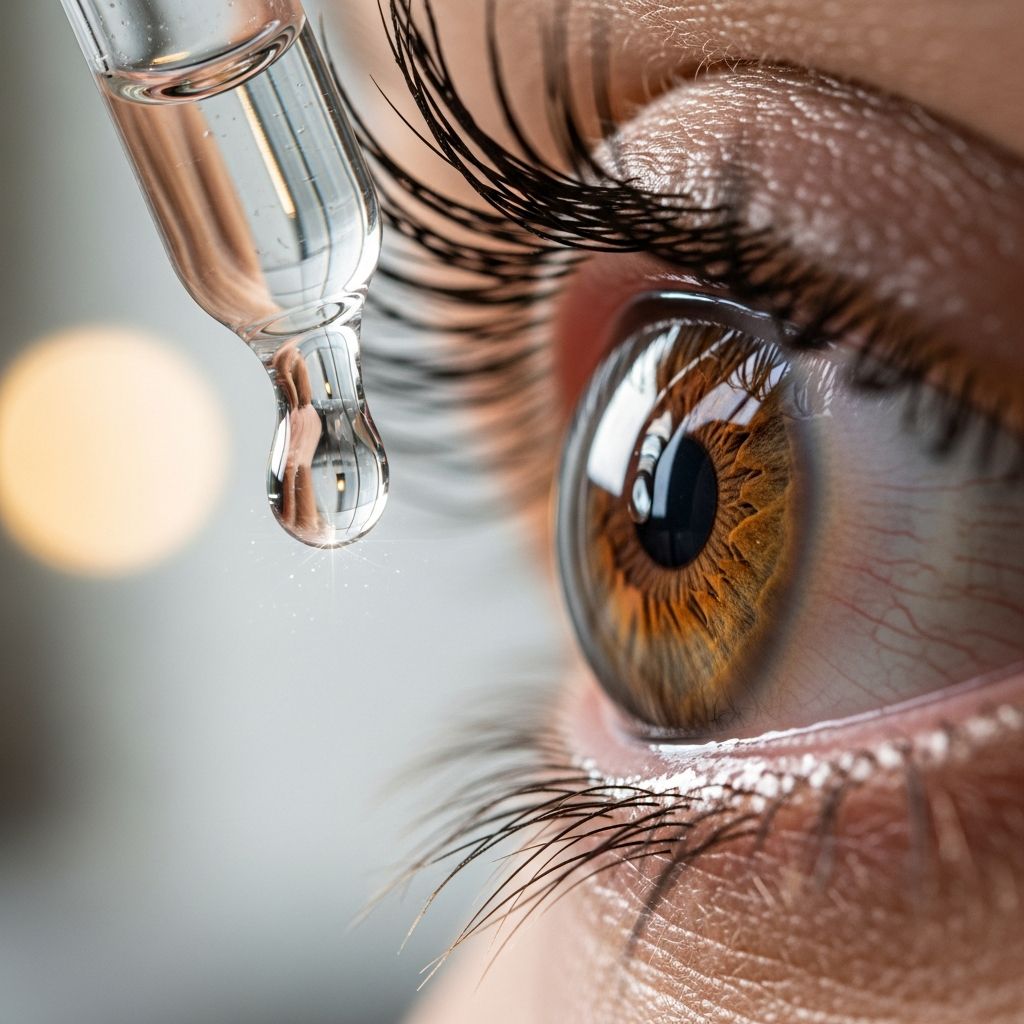
Carmellose sodium eye drops serve as artificial tears, providing relief from dry eye discomfort by lubricating and moisturizing the ocular surface.Apply 3-4 times daily or as needed, but avoid driving if vision blurs temporarily after use.
About carmellose sodium
| Type of medicine | Eye lubricant |
|---|---|
| Used for | Dry eyes |
| Also called | AaqEye Carmellose®, Aqualube®, Carmize®, Cellusan®, Celluvisc®, Evolve Carmellose®, Eyeaze Carmellose®, Lumecare®, Optive®, Optho-Lique® |
| Available as | Eye drops and single-use units |
Carmellose sodium, also known as carboxymethylcellulose sodium, functions as an artificial tear substitute. It relieves dryness, soreness, and irritation by forming a protective, moisturizing layer on the eye surface, mimicking natural tears. This lubrication soothes burning, itching, and discomfort caused by environmental factors like wind, sun, or screen use, or underlying conditions such as blepharitis, Sjögren’s syndrome, or rheumatoid arthritis.
Available over-the-counter or by prescription, these drops come in multi-dose bottles (often preserved) or preservative-free single-use vials, ideal for sensitive eyes or contact lens wearers. Strengths typically range from 0.25% to 1%, with higher concentrations like 1% in products such as Refresh Celluvisc providing thicker gel-like relief. The NHS endorses carmellose sodium for its efficacy in lubricating dry eyes, available with or without preservatives to suit allergy-prone users.
Dry eye disease affects millions, with symptoms worsening in low-humidity environments or prolonged visual tasks. Carmellose sodium addresses mild cases by supplementing tear film stability, often containing electrolytes like sodium, potassium, and bicarbonate to match natural tear pH.
Before using carmellose sodium
Consult a healthcare professional before starting to ensure suitability. Inform your doctor or pharmacist if:
- You wear soft contact lenses (use preservative-free versions to avoid damage).
- You have a history of allergic reactions to preservatives like benzalkonium chloride in eye drops.
- You are pregnant, breastfeeding, or have eye infections/surgery.
- You use other eye medications or have conditions like glaucoma.
Preservatives in bottled drops can discolor soft lenses; single-use units are safer. Stop use if allergic reactions (redness, swelling) occur and seek medical advice.
How to use carmellose sodium eye drops
- Wash hands thoroughly with soap and water to prevent contamination.
- Remove cap from bottle or single-use unit without touching the tip.
- Tilt head back slightly; pull down lower eyelid to create a pocket.
- Hold container upside down near eye, avoiding contact with eye, lashes, or fingers.
- Instill 1 drop into the pocket; use a second only if missed.
- Close eye for 1-2 minutes; gently press nasolacrimal duct (inner eye corner) to minimize drainage.
- Repeat for other eye if needed; recap bottle tightly.
For single-use units like Celluvisc®, discard immediately after use—no preservative means risk of bacterial growth. This method maximizes retention and efficacy.
Getting the most from your treatment
Read the patient information leaflet for brand-specific details and full side-effect lists. Key tips include:
- Dosage: 1 drop per eye, 3-4 times daily or more for severe dryness; follow prescriber instructions.
- Blurred vision: Temporary post-instillation; wait until clear before driving or operating machinery.
- Other eye products: Space 10-15 minutes apart; apply carmellose last for prolonged lubrication.
- Contact lenses: Remove before use if preserved drops; wait 15 minutes before reinserting. Prefer preservative-free for soft/hybrid lenses.
- Hygiene: Avoid touching tip; replace bottles per expiry (usually 28 days post-opening).
- If no improvement in 2-3 days, consult a doctor—may indicate severe dry eye needing further management like anti-inflammatories.
Related Stories



Combine with lifestyle measures: blink often, use humidifiers, take screen breaks (20-20-20 rule).
Can carmellose sodium eye drops cause problems?
Generally well-tolerated, but possible issues include:
- Mild irritation/stinging: Short-lived; resolves quickly.
- Blurred vision: Transient due to viscosity.
- Rare allergic reactions: Itching, redness, swelling—discontinue and seek advice.
- Infection risk: If contaminated; vision changes, pain, or worsening symptoms warrant immediate medical attention.
Side effects are minimal compared to benefits; report persistent issues. No systemic absorption concerns for pregnancy/breastfeeding, but consult providers.
How to store carmellose sodium eye drops
Store at room temperature (below 25°C), away from children, heat, and moisture. Do not freeze.
- Multi-dose bottles: Use within 28 days of opening; discard if discolored/changed.
- Single-use units (e.g., Celluvisc®): Use immediately; discard open units.
- Carmize®: Resealable up to 12 hours post-opening.
Check expiry; proper storage maintains sterility.
Important information about all medicines
Never share eye drops. If surgery planned, inform anesthetist. For overdoses (unlikely), contact poisons info (UK: 111). Keep leaflets; report yellow card reactions.
Frequently Asked Questions
Who can use carmellose sodium eye drops?
Most adults/children with dry eyes; not for allergies to ingredients. Safe for contact lens users with preservative-free options.
How often can I use them?
3-4 times daily or more as needed; no strict limit for OTC use.
Are they safe with contact lenses?
Yes, preservative-free vials; remove lenses for preserved drops, wait 15 mins.
What if symptoms persist?
See doctor; may need prescription like ciclosporin for inflammatory dry eye.
Can I use with other drops?
Yes, space 10 mins; carmellose last.
References
- Carmellose sodium for dry eyes (Celluvisc, Optive) — Patient.info. 2023. https://patient.info/medicine/carmellose-sodium-for-dry-eyes-celluvisc-optive-optho-lique
- Carmellose sodium eye drops — NHS.uk. 2024-05-14. https://www.nhs.uk/medicines/carmellose-sodium/
- Carboxymethylcellulose Sodium Ophthalmic — WebMD. 2025. https://www.webmd.com/drugs/2/drug-18521/carboxymethylcellulose-sodium-ophthalmic-eye/details
- Dry eye disease: when to treat and when to refer — PMC/NIH. 2018-10-01. https://pmc.ncbi.nlm.nih.gov/articles/PMC6202299/
- What Are the Best Eye Drops for Dry Eyes — Eye and Dental Clinic. 2024. https://eyeanddentalclinic.com/blog/what-are-the-best-eye-drops-for-dry-eyes/
Similar Articles








Read full bio of Sneha Tete