Carotid Artery Disease: Causes, Symptoms, and Treatment
Understanding carotid artery disease: comprehensive guide to prevention, diagnosis, and management strategies.
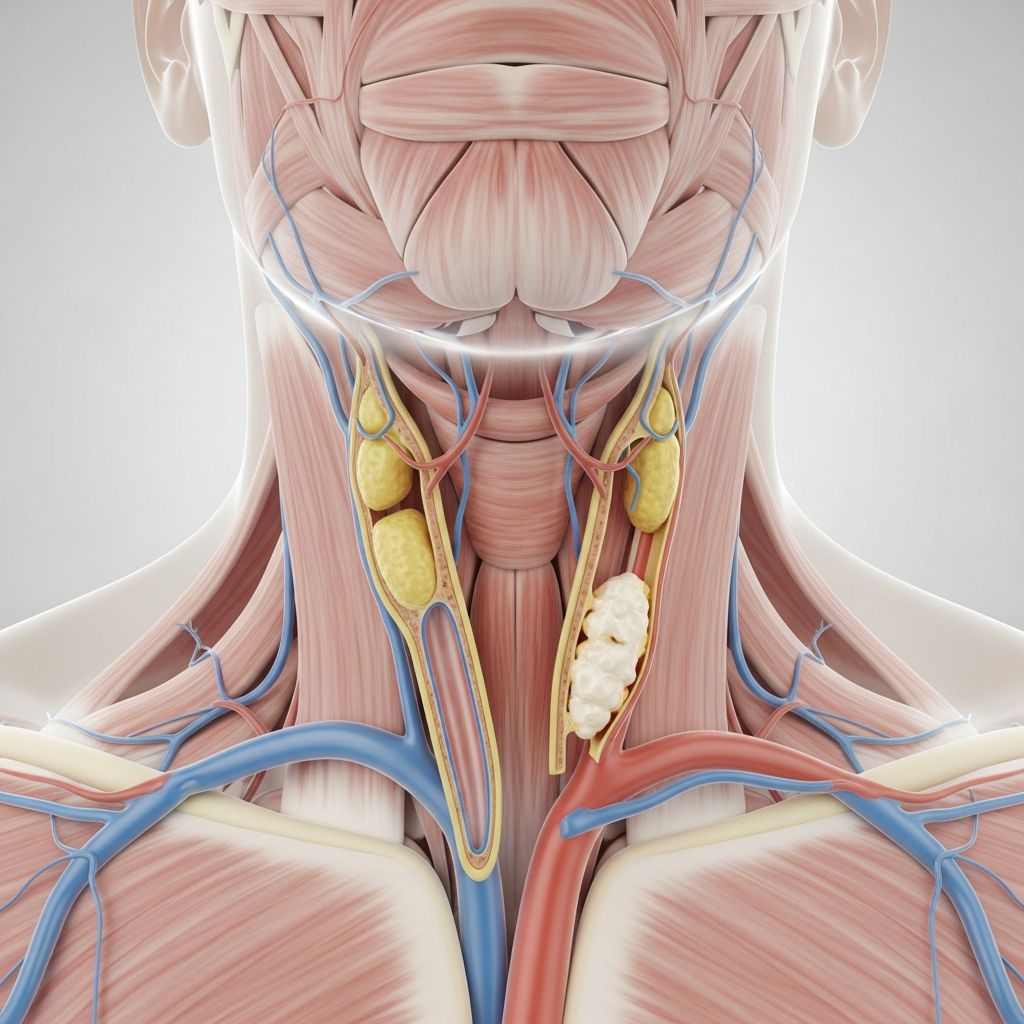
Understanding Carotid Artery Disease
Carotid artery disease is a serious medical condition that occurs when the carotid arteries—the major blood vessels in the neck that supply oxygen-rich blood to the brain—become narrowed or blocked. This narrowing, medically known as carotid artery stenosis, significantly increases the risk of stroke and other cerebrovascular complications. The carotid arteries are critical for maintaining adequate blood flow to the brain, and any obstruction can have life-threatening consequences. Understanding this condition is essential for early detection and effective management to prevent stroke, which remains a leading cause of death and disability in the United States.
Carotid artery disease affects a substantial portion of the aging population, with up to 3% of individuals older than 65 having some degree of the condition. However, many people remain unaware they have carotid artery disease until they experience a stroke or transient ischemic attack (TIA). This asymptomatic nature in early stages makes awareness and regular screening particularly important for those at high risk.
What Causes Carotid Artery Disease?
Carotid artery disease develops through a process called atherosclerosis, which involves the accumulation of fatty deposits known as plaques within the arterial walls. These plaques are composed of cholesterol, fat, inflammatory cells, and other substances that gradually accumulate over time. As plaque builds up, the inner diameter of the carotid artery decreases, restricting blood flow to the brain and increasing the risk of serious cardiovascular events.
Several key factors contribute to the development and progression of carotid artery disease:
Primary Risk Factors
- Smoking: One of the most significant modifiable risk factors. Smoking damages the inner lining of arteries and accelerates plaque formation, making smokers substantially more susceptible to carotid artery disease.
- High cholesterol levels: Elevated levels of certain fats and cholesterol in the blood directly contribute to plaque accumulation within the carotid arteries.
- High blood pressure: Hypertension damages the inner layers of blood vessels, making them more susceptible to plaque deposition and narrowing.
- Diabetes and insulin resistance: High blood sugar levels and insulin resistance accelerate atherosclerotic changes and arterial damage.
- Age: The risk of carotid artery disease increases significantly with age, particularly after age 65.
- Obesity: Excess body weight increases the likelihood of high blood pressure, atherosclerosis, and diabetes—all contributing factors to carotid artery disease.
- Physical inactivity: Lack of regular exercise contributes to conditions that damage arteries, including hypertension, diabetes, and obesity.
- Sleep apnea: Pauses in breathing during sleep may increase the risk of stroke and carotid artery complications.
- Personal or family history: Having previously experienced a stroke or having close relatives with cardiovascular disease increases individual risk.
Symptoms and Warning Signs
In its early stages, carotid artery disease often develops silently without producing noticeable symptoms. The condition may remain undetected until it becomes severe enough to significantly reduce blood flow to the brain, potentially triggering a stroke or transient ischemic attack. This asymptomatic characteristic underscores the importance of screening for high-risk individuals.
When symptoms do occur, they typically relate to inadequate blood supply to the brain. Warning signs include:
- Sudden numbness or weakness in the face or limbs, often affecting one side of the body
- Sudden difficulty speaking or understanding speech
- Sudden vision problems in one or both eyes, including blurred vision or complete vision loss
- Sudden dizziness or loss of balance
- Sudden severe headache without an apparent cause
- Confusion or difficulty concentrating
- Memory loss or cognitive changes
Related Stories



These symptoms may indicate a transient ischemic attack (TIA), sometimes called a “mini-stroke,” which involves temporary reduction in blood flow without permanent brain damage. However, TIAs should never be ignored, as they often precede more serious strokes. Any sudden neurological symptoms warrant immediate medical evaluation and emergency care.
How Carotid Artery Disease Develops
The progression of carotid artery disease involves several pathological processes. Initially, damage occurs to the inner layers of the carotid arteries due to prolonged exposure to risk factors such as hypertension, elevated cholesterol, and smoking. This damage triggers an inflammatory response and allows fatty substances to accumulate within the arterial wall.
As plaque builds up, it can gradually narrow the arterial lumen, restricting blood flow to the brain. In some cases, the surface of a plaque can rupture, causing a blood clot to form at that location. Additionally, small fragments of plaque or thrombi may break loose and travel downstream, potentially lodging in smaller cerebral arteries and completely blocking blood flow to portions of the brain, resulting in an acute ischemic stroke.
Diagnosis of Carotid Artery Disease
Diagnosis of carotid artery disease typically involves a combination of clinical evaluation and advanced imaging techniques. During the initial assessment, a healthcare provider will review your medical history, risk factors, and symptoms, and perform a physical examination that may include listening to the carotid arteries with a stethoscope to detect abnormal sounds called bruits.
Imaging tests confirm the presence and severity of carotid artery stenosis. Common diagnostic tests include:
- Carotid ultrasound (duplex ultrasound): The first-line imaging modality that uses sound waves to visualize the carotid arteries and measure the degree of narrowing
- CT angiography: Provides detailed cross-sectional images of the carotid arteries after injection of contrast material
- Magnetic resonance angiography (MRA): Uses magnetic fields to create detailed images without ionizing radiation
- Carotid artery angiography: An invasive procedure that provides the most detailed visualization but is typically reserved for when other tests are inconclusive or before intervention
Treatment Options for Carotid Artery Disease
Treatment of carotid artery disease aims to halt disease progression and prevent stroke. The approach depends on disease severity, your age, overall health status, and whether you have symptoms. Treatment typically involves a combination of lifestyle modifications, pharmacological therapy, and in some cases, surgical or endovascular intervention.
Lifestyle Modifications
Lifestyle changes form the foundation of carotid artery disease management and should be implemented regardless of whether medication or surgery is needed:
- Quit smoking: Smoking cessation is critically important and can significantly slow disease progression and reduce stroke risk
- Follow a healthy diet: Adopt a diet low in saturated fats, trans fats, and cholesterol while rich in fruits, vegetables, and whole grains
- Exercise regularly: Aim for at least 150 minutes of moderate-intensity aerobic activity weekly to improve cardiovascular health and manage weight
- Maintain healthy weight: Obesity management reduces strain on the cardiovascular system and improves other risk factors
- Manage stress: Chronic stress can elevate blood pressure, so stress-reduction techniques are beneficial
- Limit alcohol: Excessive alcohol consumption can increase blood pressure and contribute to cardiovascular disease
Medications
Pharmacological therapy is central to managing carotid artery disease and preventing stroke. The medications prescribed target different aspects of the disease process:
Antiplatelet agents: These medications prevent blood clots from forming and are the mainstay of medical treatment. Common options include aspirin and clopidogrel, which reduce platelet aggregation and significantly lower stroke risk in patients with carotid artery disease.
Statins: These cholesterol-lowering medications are frequently prescribed for patients with carotid artery disease, particularly those with elevated LDL cholesterol, diabetes, heart disease, or previous stroke. By reducing blood cholesterol levels, statins decrease the risk of heart attack and stroke.
Antihypertensive medications: Blood pressure-lowering drugs are essential for managing hypertension, a major contributor to carotid artery disease progression. Various classes may be used, including ACE inhibitors, beta-blockers, and others tailored to individual patient needs.
Additional medications: Depending on individual circumstances, doctors may prescribe additional medications to treat underlying conditions like diabetes or heart disease that accelerate carotid artery disease.
Surgical and Endovascular Interventions
When carotid artery narrowing exceeds 60%, particularly in symptomatic patients, or in specific asymptomatic cases, surgical or endovascular intervention may be recommended in addition to medical management.
Carotid endarterectomy (CEA): This traditional surgical procedure involves opening the carotid artery and removing the plaque that narrows it. The vessel is then closed, restoring normal blood flow. This procedure is particularly effective for symptomatic patients with significant narrowing.
Carotid artery stenting (CAS): A less invasive alternative to surgery, this procedure involves placing a small mesh tube (stent) within the narrowed artery to hold it open and restore blood flow. Transcarotid artery revascularization (TCAR) is a specialized stenting technique where the artery is accessed at the neck base and blood flow is temporarily reversed during the procedure to protect the brain from plaque fragments.
Both surgical and endovascular procedures typically require overnight hospitalization but are generally well-tolerated with minimal downtime. Your physician will determine the most appropriate intervention based on the degree of narrowing, your symptoms, age, overall health, and surgical risk factors.
Prevention Strategies
Preventing carotid artery disease or slowing its progression involves aggressive management of modifiable risk factors. Regular screening is recommended for individuals at high risk, including those with family history of early cardiovascular disease, smokers, patients with diabetes or hypertension, and those over 65 years old. Working closely with healthcare providers to monitor and control blood pressure, cholesterol, blood sugar, and weight significantly reduces the likelihood of developing symptomatic carotid artery disease.
Living with Carotid Artery Disease
Successfully managing carotid artery disease requires ongoing commitment to lifestyle modifications and medication adherence. Regular follow-up appointments with your healthcare provider allow for monitoring of disease progression through imaging studies and adjustment of treatment as needed. Many patients with well-managed carotid artery disease live normal, active lives while significantly reducing their stroke risk.
Frequently Asked Questions
Q: Is carotid artery disease curable?
A: While carotid artery disease cannot be completely cured, it can be effectively managed through lifestyle modifications, medications, and in some cases, surgical intervention. The goal is to halt disease progression and prevent stroke rather than achieve complete cure.
Q: How is carotid artery disease different from coronary artery disease?
A: While both involve atherosclerotic plaque buildup in arteries, carotid artery disease affects arteries supplying blood to the brain and increases stroke risk, whereas coronary artery disease affects arteries supplying the heart and increases heart attack risk.
Q: Can carotid artery disease go away on its own?
A: No, carotid artery disease typically progresses without treatment. However, aggressive management of risk factors and medical therapy can slow or stabilize the disease and significantly reduce stroke risk.
Q: What should I do if I experience stroke symptoms?
A: Seek immediate emergency medical care by calling emergency services. Stroke is a medical emergency requiring prompt evaluation and treatment to minimize brain damage.
Q: How often should I be screened for carotid artery disease?
A: Screening frequency depends on your risk factors and previous findings. Those with significant risk factors may benefit from screening every few years, while others may need less frequent evaluation. Discuss appropriate screening intervals with your healthcare provider.
References
- Carotid Artery Disease — Mayo Clinic. 2024. https://www.mayoclinic.org/diseases-conditions/carotid-artery-disease/symptoms-causes/syc-20360519
- Carotid Artery Stenosis: Causes, Symptoms and Treatment — Cleveland Clinic. 2024. https://my.clevelandclinic.org/health/diseases/16845-carotid-artery-disease-carotid-artery-stenosis
- Carotid Artery Disease — MedlinePlus, National Library of Medicine. 2024. https://medlineplus.gov/carotidarterydisease.html
- Carotid Artery Disease: Causes, Symptoms, Diagnosis, Treatment — UChicago Medicine. 2024. https://www.uchicagomedicine.org/conditions-services/heart-vascular/vascular-disease/carotid-artery-disease
- Carotid Artery Disease — Society for Vascular Surgery. 2024. https://vascular.org/your-vascular-health/vascular-conditions/common-conditions/carotid-artery-disease
- Carotid Artery Disease – Symptoms and Causes — Penn Medicine, University of Pennsylvania. 2024. https://www.pennmedicine.org/conditions/carotid-artery-disease
Similar Articles








Read full bio of Sneha Tete