Carotid Artery Disease: Symptoms, Risks, And What To Know
Discover how carotid artery disease silently threatens brain and eye health, leading to strokes and vision loss—learn prevention and treatment options.
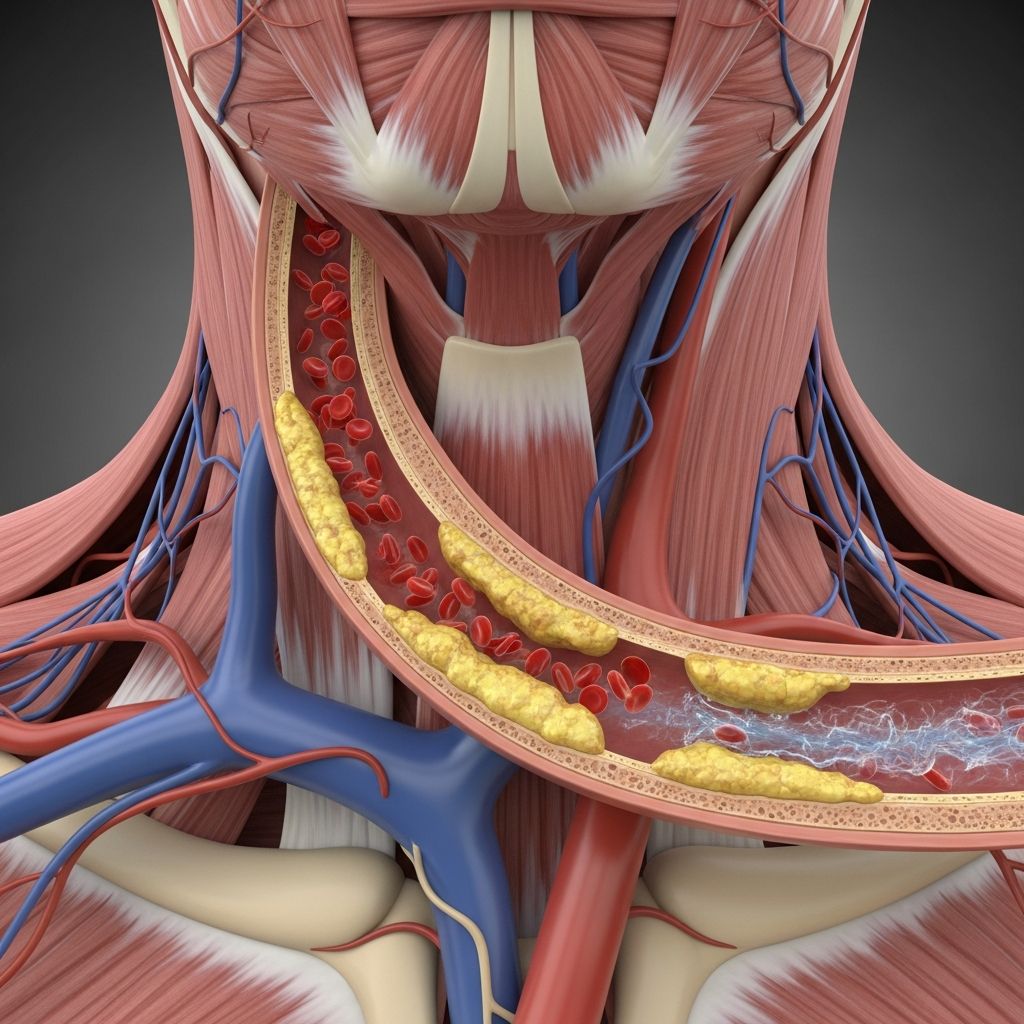
Carotid artery disease develops when plaque accumulates inside the carotid arteries, the major blood vessels in the neck that supply oxygen-rich blood to the brain. This condition, also known as carotid stenosis, can restrict blood flow and dislodge particles that block smaller vessels, potentially causing strokes or transient ischemic attacks (TIAs).
The Critical Role of Carotid Arteries in Circulation
Positioned on both sides of the neck, the carotid arteries branch from the aorta and deliver essential blood to the brain, eyes, and face. Each artery divides into internal and external branches: the internal carotid feeds the brain and optic structures, while the external supplies the scalp and face. Healthy arteries have flexible, smooth inner linings that allow unimpeded flow. Over time, however, damage to this endothelium triggers plaque formation, hardening arteries and narrowing their lumens—a process called atherosclerosis.
When plaque builds up, it not only reduces blood volume but also creates rough surfaces where clots form. A fragment breaking off can travel to the brain, causing ischemia, or to the eyes, leading to sudden vision impairment. This makes carotid disease a silent predator, often asymptomatic until advanced stages.
Primary Causes and Risk Factors
Atherosclerosis drives most cases, starting with endothelial injury from various stressors. Key contributors include:
- High blood pressure: Forces damage vessel walls, promoting plaque adhesion.
- Elevated cholesterol: LDL particles infiltrate and oxidize, forming fatty streaks.
- Diabetes: High glucose levels impair healing and accelerate plaque growth.
- Smoking: Toxins inflame endothelium and reduce oxygen delivery.
- Age and genetics: Risk escalates after 65, with family history amplifying susceptibility.
Other factors like obesity, sedentary lifestyle, and insulin resistance compound these risks. Up to 3% of those over 65 are affected, accounting for one-third of strokes.
Recognizing Symptoms: From Subtle Signs to Emergencies
Early carotid stenosis is typically silent, detected incidentally. Progression may manifest as:
- Sudden vision loss, blurring, or amaurosis fugax (temporary blackout in one eye).
- Weakness, numbness, or tingling on one body side.
- Dizziness, balance loss, or coordination problems.
- Speech difficulties, confusion, or severe headaches signaling TIA or stroke.
TIAs, or ‘mini-strokes,’ resolve within hours but warn of imminent major events. Eye symptoms arise when emboli occlude retinal arteries, underscoring the vascular link between neck arteries and vision.
Diagnostic Approaches: Pinpointing the Blockage
Diagnosis combines clinical evaluation with imaging. Initial steps include:
- Physical exam: Listening for bruits (whooshing sounds) over the carotid with a stethoscope.
- Ultrasound: Non-invasive Doppler assesses stenosis degree, measuring flow velocity.
- CT/MRI angiography: Visualizes plaque and brain impacts.
- Cerebral angiography: Gold standard for precise mapping, though invasive.
Stenosis severity guides intervention: mild (<50%) monitored, moderate (50-70%) medically managed, severe (>70%) often surgical.
Comprehensive Treatment Strategies
Treatment tiers from conservative to invasive, aiming to stabilize plaque, restore flow, and avert strokes. Personalization considers stenosis degree, symptoms, and comorbidities.
Lifestyle Modifications: The Foundation
Core changes include:
- Smoking cessation to halt endothelial damage.
- Heart-healthy diet low in saturated fats, high in fruits/vegetables.
- Regular aerobic exercise (150 minutes/week).
- Weight management and diabetes control.
Related Stories



Pharmacological Interventions
Medications target clot prevention and risk factors:
| Medication Class | Examples | Purpose |
|---|---|---|
| Antiplatelets | Aspirin, Clopidogrel | Prevent clot formation on plaque. |
| Statins | Atorvastatin | Lower LDL, stabilize plaque. |
| Antihypertensives | ACE inhibitors | Control BP, reduce wall stress. |
| Antiglycemics | Metformin | Manage blood sugar. |
Surgical and Endovascular Options
For high-risk cases:
- Carotid endarterectomy (CEA): Surgical plaque excision via neck incision, ideal for 50-99% stenosis. Reduces stroke risk by 65% in symptomatic patients.
- Carotid artery stenting (CAS): Minimally invasive; catheter-delivered stent props open artery. Suited for high-surgical-risk anatomies.
CEA suits most; CAS for frail patients or difficult necks. Post-procedure, dual antiplatelets prevent restenosis.
Preventing Progression and Complications
Proactive management slashes stroke odds. Annual screening for at-risk groups (e.g., hypertensives over 65) enables early detection. Adhering to therapy curbs 80% of events. Multidisciplinary care involving vascular surgeons, neurologists, and ophthalmologists optimizes outcomes, especially for vision threats.
Monitor with serial ultrasounds; escalate if progression noted. Emerging therapies like anti-inflammatory drugs show promise but remain investigational.
Impact on Eye Health and Vision
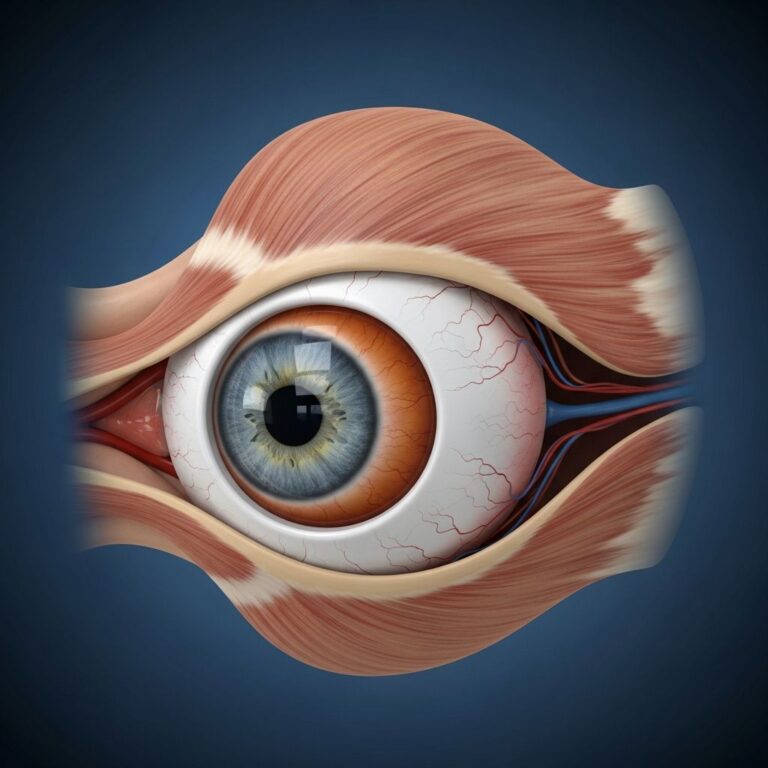
Carotid disease threatens eyes via emboli to retinal/optic arteries, causing Hollenhorst plaques or branch retinal artery occlusion. Symptoms mimic stroke: unilateral vision loss. Ophthalmologists detect via fundoscopy; urgent carotid evaluation follows. Untreated, it risks permanent deficits. Integrated vascular-ophthalmic care is vital.
Frequently Asked Questions (FAQs)
What is the main cause of carotid artery disease?
Atherosclerosis from plaque buildup due to high cholesterol, hypertension, smoking, and diabetes.
Can carotid disease cause vision problems?
Yes, emboli can block eye arteries, leading to sudden blurring or loss.
Is surgery always needed?
No, mild cases use meds/lifestyle; severe require CEA or stenting.
How do I lower my risk?
Quit smoking, eat healthy, exercise, control BP/cholesterol/diabetes.
What happens during a TIA?
Temporary blockage causes stroke-like symptoms resolving quickly—seek immediate care.
Carotid artery disease demands vigilance. Early intervention transforms a potential killer into a manageable condition, safeguarding brain and eye health for years.
References
- Carotid Artery Disease – UCSF General Surgery — University of California San Francisco. 2023. https://generalsurgery.ucsf.edu/condition/carotid-artery-disease
- Carotid Artery Disease: Causes, Symptoms, Diagnosis, Treatment — University of Chicago Medicine. 2024. https://www.uchicagomedicine.org/conditions-services/heart-vascular/vascular-disease/carotid-artery-disease
- Carotid Artery Disease: Causes, Symptoms, Tests, and Treatment — WebMD. 2024. https://www.webmd.com/heart-disease/carotid-artery-disease-causes-symptoms-tests-and-treatment
- Carotid Artery Stenosis: Causes, Symptoms and Treatment — Cleveland Clinic. 2024. https://my.clevelandclinic.org/health/diseases/16845-carotid-artery-disease-carotid-artery-stenosis
- Carotid Artery Disease — MedlinePlus (NIH). 2025. https://medlineplus.gov/carotidarterydisease.html
- Guide to Carotid Artery Disease — Columbia Surgery. 2024. https://columbiasurgery.org/conditions-and-treatments/carotid-artery-disease
- Carotid Artery Disease — Society for Vascular Surgery. 2024. https://vascular.org/your-vascular-health/vascular-conditions/common-conditions/carotid-artery-disease
Similar Articles








Read full bio of Sneha Tete