Carpal Tunnel Syndrome Symptoms: 5 Key Warning Signs
Recognize the early warning signs of carpal tunnel syndrome, from tingling and numbness to weakness, and learn when to seek medical help.
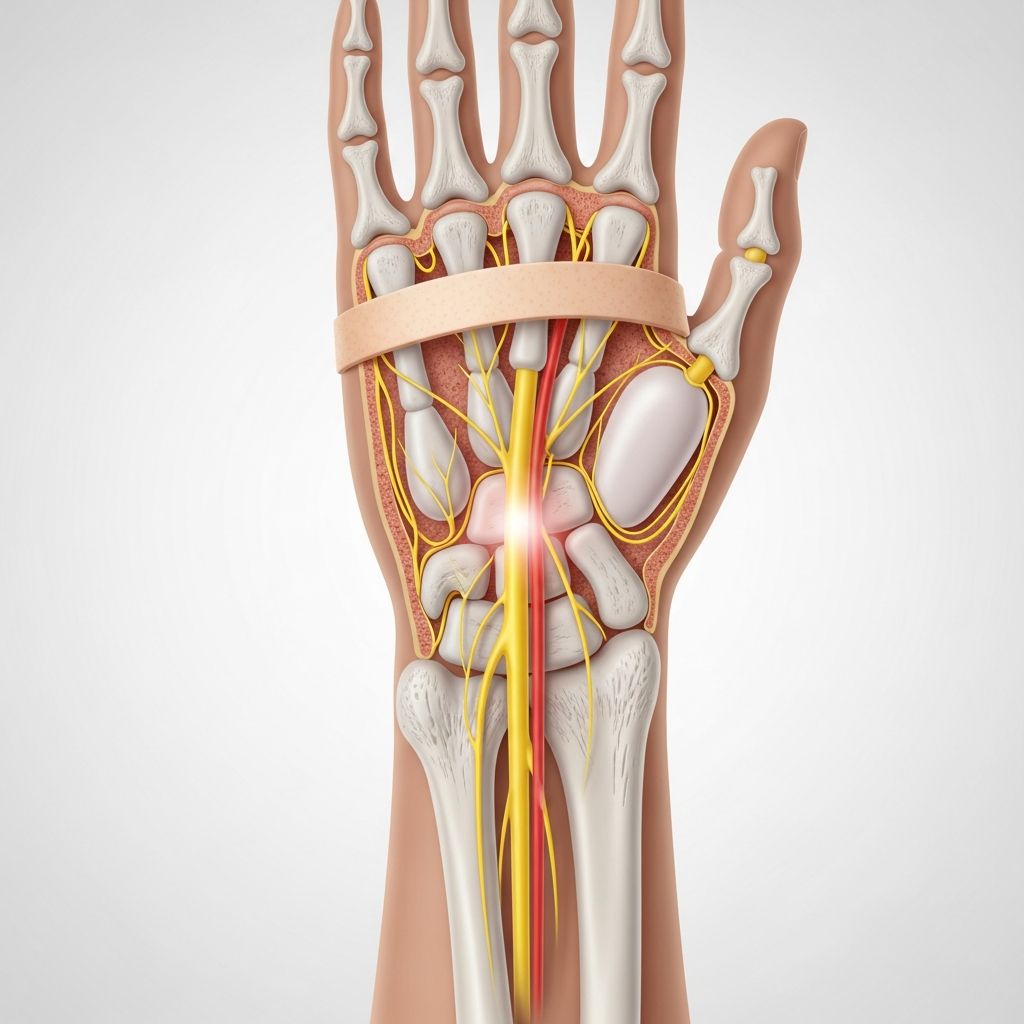
Carpal tunnel syndrome (CTS) develops when the median nerve in the wrist’s carpal tunnel is compressed, leading to symptoms like tingling, numbness, pain, and weakness primarily in the thumb, index, middle, and part of the ring finger.
What Is Carpal Tunnel Syndrome?
The carpal tunnel is a narrow passageway on the palm side of the wrist, formed by bones and ligaments, through which the median nerve and flexor tendons pass. This nerve controls sensation and movement in the thumb and first three fingers (excluding the pinky). Compression occurs when swelling or inflammation narrows the tunnel, irritating the nerve and causing CTS, a common condition affecting hand function.
CTS is progressive; early intervention can relieve symptoms and restore function, but untreated cases risk permanent nerve and muscle damage.
Carpal Tunnel Syndrome Symptoms
Symptoms typically start gradually and worsen over time, often first noticed at night. They include:
- Tingling, numbness, or burning pain in the thumb, index, middle, and ring fingers (sparing the pinky). Symptoms intensify at night or during activities like gripping a steering wheel, phone, or newspaper.
- Shock-like sensations resembling electric shocks traveling from the wrist to fingers, triggered by holding objects or even waking from sleep.
- Hand weakness and clumsiness, leading to dropping items, poor grip, or difficulty with fine tasks like buttoning shirts or typing.
- Pain radiating from the wrist to the palm, fingers, or up the arm to the elbow.
- Muscle wasting (thenar atrophy) in advanced cases, with visible shrinking under the thumb base and reduced pinch/grip strength.
Many shake their hands to relieve numbness, a classic sign. Nighttime worsening happens because wrist flexion during sleep increases tunnel pressure.
Symptoms by Severity
| Severity | Common Symptoms | Timing/Triggers |
|---|---|---|
| Mild | Intermittent tingling/numbness in fingers | Nighttime or after repetitive use |
| Moderate | Constant numbness, pain radiating to arm, shaking hands for relief | Day and night, during gripping activities |
| Severe | Weakness, dropping objects, thenar muscle atrophy | Persistent, interferes with daily tasks |
This table summarizes progression based on clinical observations; mild cases respond well to conservative treatments.
Causes and Risk Factors
CTS results from increased pressure on the median nerve due to:
- Anatomy: Narrow carpal tunnel or wrist injuries.
- Repetitive motions: Typing, tool use, or assembly work causing tendon inflammation.
- Health conditions: Diabetes, rheumatoid arthritis, hypothyroidism, or pregnancy-related fluid retention.
- Other factors: Obesity, female sex (narrower tunnels), age over 40.
While repetitive strain contributes, not all cases link directly to work; systemic issues play a major role.
When to See a Doctor
Seek medical care if symptoms disrupt sleep, daily activities, or persist despite rest. Warning signs include:
- Frequent waking from hand pain/numbness.
- Inability to grip objects or perform fine motor tasks.
- Symptoms unresponsive to over-the-counter pain relief or wrist splinting.
- Muscle wasting or constant numbness signaling potential permanent damage.
Early diagnosis prevents complications like irreversible weakness.
How Carpal Tunnel Syndrome Is Diagnosed
Diagnosis involves:
- History and physical exam: Assessing symptom pattern and Phalen’s test (wrist flexion for 60 seconds reproducing numbness).
- Tinel’s sign: Tapping the median nerve elicits tingling.
- Tests: Nerve conduction studies/EMG measure nerve signal speed; wrist X-rays rule out arthritis or tumors.
These confirm median nerve compression and severity.
Treatment Options
Treatments range from conservative to surgical:
- Non-surgical: Wrist splints (especially at night), NSAIDs for inflammation, corticosteroid injections, activity modification.
- Physical therapy: Nerve gliding exercises, ultrasound.
- Surgery: Carpal tunnel release cuts the ligament to relieve pressure; outpatient with quick recovery for severe cases.
Related Stories



Most improve without surgery; success rates exceed 90% with proper management.
Prevention Tips
- Take frequent breaks during repetitive tasks.
- Maintain neutral wrist posture while typing or using tools.
- Strengthen hand muscles with exercises.
- Manage underlying conditions like diabetes.
Frequently Asked Questions (FAQs)
What are the first signs of carpal tunnel syndrome?
The earliest signs are tingling or numbness in the thumb, index, middle, and ring fingers, often worse at night.
Does carpal tunnel syndrome go away on its own?
Mild cases may improve with rest and splinting, but persistent symptoms require treatment to avoid permanent damage.
Who is at risk for carpal tunnel syndrome?
Women, people over 40, those with repetitive hand use, diabetes, arthritis, or pregnancy are higher risk.
Can carpal tunnel syndrome affect both hands?
Yes, it often starts in the dominant hand but can impact both.
Is carpal tunnel syndrome work-related?
It can be from repetitive motions, but medical conditions contribute significantly.
References
- Carpal tunnel syndrome – HonorHealth Orthopedics — HonorHealth. 2023. https://www.honorhealth.com/medical-services/orthopedics/carpal-tunnel-syndrome
- What is carpal tunnel syndrome, and how does surgery work? — Ohio State University Wexner Medical Center. 2024. https://health.osu.edu/health/general-health/what-is-carpal-tunnel-syndrome
- Carpal tunnel syndrome – Symptoms and causes — Mayo Clinic. 2023-11-16. https://www.mayoclinic.org/diseases-conditions/carpal-tunnel-syndrome/symptoms-causes/syc-20355603
- Carpal tunnel syndrome — MedlinePlus (U.S. National Library of Medicine). 2023. https://medlineplus.gov/ency/article/000433.htm
- Carpal Tunnel Syndrome: An Update for the Primary Care Physician — National Center for Biotechnology Information (PMC). 2019-11-11. https://pmc.ncbi.nlm.nih.gov/articles/PMC6874691/
- Carpal Tunnel Syndrome: Symptoms, Causes & Treatment — Cleveland Clinic. 2023-09-27. https://my.clevelandclinic.org/health/diseases/4005-carpal-tunnel-syndrome
Similar Articles








Read full bio of medha deb