Cartilage: 3 Essential Functions, Types, And How To Protect It
Understanding cartilage: the flexible connective tissue protecting your joints and bones.
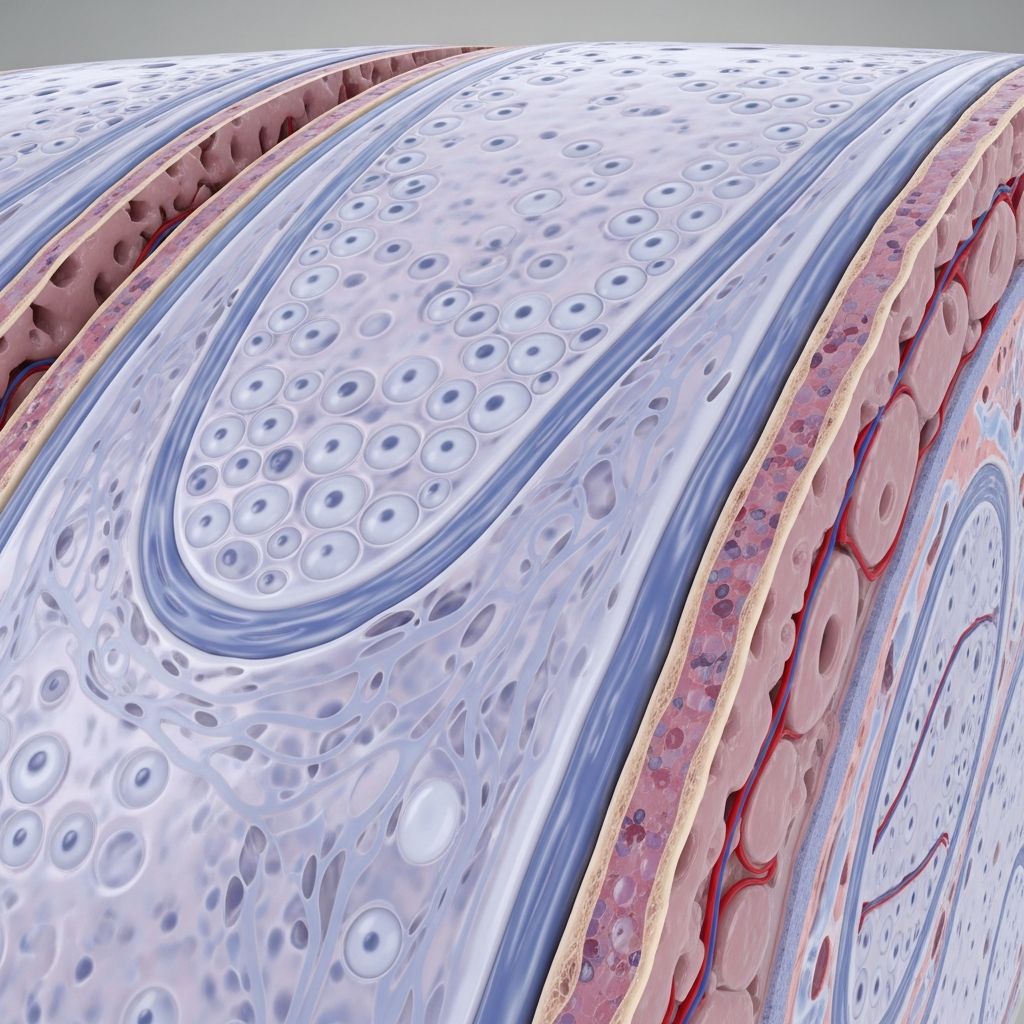
Understanding Cartilage: The Body’s Natural Shock Absorber
Cartilage is a strong, flexible connective tissue that serves as one of your body’s most important structural components. It protects your joints and bones while allowing smooth, pain-free movement throughout your body. Acting as a sophisticated shock absorber system, cartilage reduces friction between bones and prevents them from rubbing together when you move your joints. Beyond joint protection, cartilage is also the primary tissue that gives structure and shape to various parts of your body, including your ears, nose, and windpipe. Understanding what cartilage is and how it functions is essential for maintaining long-term mobility and preventing degenerative joint conditions like osteoarthritis.
What Cartilage Does: Three Essential Functions
Cartilage performs several critical functions in your body that are fundamental to your ability to move, stand, and engage in daily activities. These functions work together to maintain joint health and skeletal integrity:
1. Protection and Cushioning
Cartilage surrounds the ends of your bones and cushions the spaces in your joints where bones meet. This protective layer acts as a buffer, absorbing shock and impact from everyday movements, athletic activities, and even simple actions like walking or climbing stairs. Without this cushioning effect, bones would bear the full force of impacts, leading to rapid deterioration and pain.
2. Friction Reduction
One of cartilage’s most important jobs is reducing friction between bones. The smooth surface of cartilage allows bones to glide past each other effortlessly during movement. This frictionless motion is what enables you to bend, flex, rotate, and move your joints with ease and without discomfort. The lubricating properties of cartilage work in concert with synovial fluid to create an ideal environment for joint movement.
3. Structural Support
Beyond its role in joints, cartilage provides structural support and shape to many parts of your body. It gives firmness and flexibility to tissues that need to maintain their form while remaining somewhat pliable. This structural role is particularly important in areas like the ears, nose, trachea, and ribs, where cartilage provides necessary rigidity without the brittleness of bone.
Where Cartilage Is Located in Your Body
Cartilage is distributed throughout your body in numerous locations, each serving specific purposes:
Joints and Skeletal System
Hyaline cartilage coats the ends of bones throughout your body, particularly in major joints like the knees, hips, shoulders, elbows, and wrists. This type of cartilage is the most common in your body and provides the smooth, protective surface necessary for joint function. The consistent, uniform appearance of hyaline cartilage makes it ideal for weight-bearing joints.
Ears
The external structure of your ears is composed primarily of cartilage covered with skin. This cartilage gives your ears their distinctive shape while remaining flexible enough to bend without breaking. Ear cartilage is elastic cartilage, which allows for greater flexibility than hyaline cartilage.
Nose
Your nose is supported and shaped by cartilage, which provides structure while allowing for slight movement and flexibility. The nasal cartilage enables you to breathe comfortably while maintaining the nose’s characteristic shape.
Windpipe (Trachea)
The trachea is reinforced with cartilage rings that keep the airway open and prevent collapse during breathing. These C-shaped cartilage rings provide structural support while allowing flexibility for neck movement and breathing variations.
Ribcage
Costal cartilage connects your ribs to your breastbone, allowing your ribcage to expand and contract during breathing. This cartilage provides flexibility to the thoracic cage while maintaining its protective function around your lungs and heart.
Related Stories



Spine
Intervertebral discs contain cartilage that cushions the vertebrae and allows for spinal flexibility and movement. This cartilage is crucial for your ability to bend, twist, and maintain proper posture.
Types of Cartilage
There are three primary types of cartilage in the human body, each with distinct characteristics and functions:
Hyaline Cartilage
Hyaline cartilage is the most abundant type of cartilage in your body. It appears smooth, white, and glossy and has a translucent quality. This type of cartilage covers the ends of bones in your joints and provides a smooth surface for movement. Hyaline cartilage is particularly prevalent in weight-bearing joints like the knees and hips. Its firm yet slightly flexible nature makes it ideal for supporting movement while absorbing shock. However, hyaline cartilage has limited blood supply, which means it heals relatively slowly after injury.
Fibrocartilage
Fibrocartilage is a tough, dense type of cartilage that contains many collagen fibers. It provides greater strength and durability than hyaline cartilage, making it ideal for areas that require significant structural support and can withstand compression forces. Fibrocartilage is found in intervertebral discs of the spine, the menisci of the knee, and areas where tendons and ligaments attach to bones. Its strength and resilience make it valuable in high-stress areas of the body, though it is less flexible than other cartilage types.
Elastic Cartilage
Elastic cartilage contains elastic fibers in addition to collagen, giving it greater flexibility than other cartilage types. It can return to its original shape after bending or folding, making it ideal for structures that need to be both flexible and resilient. Elastic cartilage is found primarily in your ears, epiglottis, and parts of your larynx. Its flexibility allows your ears to fold without damage and your voice box to function properly during swallowing and speaking.
Cartilage Damage and Injury
Despite cartilage’s remarkable durability, it is vulnerable to damage through various mechanisms. Damage to cartilage can occur suddenly through acute injuries or develop gradually over time, potentially leading to chronic conditions like osteoarthritis.
Acute Cartilage Injuries
Acute cartilage injuries happen suddenly and result from specific traumatic events. Sports injuries, falls, motor vehicle accidents, and direct impacts can all cause immediate cartilage damage. These injuries might involve a single incident that fractures or tears cartilage, or they might involve a dislocation that damages the cartilage surface. Common acute injuries include anterior cruciate ligament (ACL) injuries that may cause associated cartilage damage, direct blows to joints, and cartilage tears from sudden twisting or bending movements.
Chronic Cartilage Deterioration
Beyond acute injuries, cartilage can gradually deteriorate over the course of your life. Repetitive stress, overuse, poor biomechanics, excess weight, and inflammation can all contribute to progressive cartilage breakdown. This chronic damage accumulates over time and can eventually lead to osteoarthritis, a degenerative joint condition characterized by cartilage loss and bone-to-bone contact in joints. The gradual nature of this process means that symptoms may initially go unrecognized, with formal diagnosis often delayed until significant damage has already occurred.
Consequences of Cartilage Damage
When cartilage is damaged or worn away, it can make it difficult or impossible to use your joints the way you’re accustomed to. Pain, swelling, stiffness, and reduced range of motion are common consequences of cartilage injury. Because cartilage lacks blood vessels, it has limited capacity for self-repair compared to other tissues. This means that once cartilage is significantly damaged, the body cannot easily regenerate new tissue to replace what was lost.
Cartilage Healing and Recovery
If you injure your cartilage, especially in a joint, the recovery process requires patience and proper care. Cartilage heals slowly due to its limited blood supply, which means nutrients and healing factors reach damaged cartilage more slowly than they would reach other tissues. The healing timeline varies depending on the severity of the injury, the location of the damage, and individual factors like age and overall health.
Protecting Cartilage During Healing
During cartilage recovery, it is crucial not to rush your body’s natural healing process. Resuming physical activities like sports or running before cartilage has fully healed significantly increases the risk of re-injury. Rest, activity modification, ice application, and compression are typically recommended in the acute phase following cartilage injury. Physical therapy can help maintain strength and mobility in surrounding muscles while protecting the damaged cartilage.
Long-Term Cartilage Health
Maintaining cartilage health long-term involves several strategies. Regular, moderate exercise strengthens muscles that support and protect joints. Maintaining a healthy weight reduces stress on weight-bearing joints and the cartilage within them. Avoiding repetitive high-impact activities and using proper technique during sports and exercise can minimize cartilage stress. Anti-inflammatory measures, including diet and lifestyle choices, may help preserve cartilage integrity. For those with existing cartilage damage, treatments ranging from conservative approaches like activity modification and physical therapy to advanced procedures like cartilage grafting and matrix-associated autologous chondrocyte implantation (MACI) may help manage symptoms and potentially restore some cartilage function.
Cartilage and Osteoarthritis
Osteoarthritis represents the most common form of arthritis and occurs when cartilage gradually wears down. In healthy joints, cartilage acts as a two-in-one shock absorber and lubricant, allowing bones to move past each other smoothly and safely. When osteoarthritis develops, the protective cartilage layer diminishes over time. As cartilage deteriorates, bones increasingly rub against each other, causing pain, inflammation, and reduced mobility. Understanding how to protect your cartilage through injury prevention, proper body mechanics, and maintaining a healthy lifestyle can significantly reduce your risk of developing osteoarthritis later in life.
The Importance of Cartilage for Daily Function
Cartilage is an indispensable component of your ability to stand, move, and perform any activity that uses your joints and bones. From simple movements like walking and bending to complex athletic movements, your cartilage works continuously to absorb shocks and ensure smooth bone movement. This critical role cannot be overstated, as cartilage dysfunction directly impacts quality of life and mobility. By understanding cartilage’s importance and taking steps to protect it through injury prevention, appropriate exercise, and maintaining healthy body weight, you can preserve your joint health and mobility throughout your lifetime.
Frequently Asked Questions About Cartilage
Q: Can cartilage repair itself?
A: Cartilage has limited ability to repair itself because it lacks blood vessels. While the body can perform minor repairs, significant cartilage damage typically does not heal completely on its own. However, various medical treatments including physical therapy, injections, and surgical procedures can help manage cartilage injuries and promote healing.
Q: What are the early signs of cartilage damage?
A: Early signs of cartilage damage may include joint pain during or after activity, mild swelling, stiffness (especially after periods of rest), and a sensation of grinding or clicking in the joint. These symptoms may initially be subtle and intermittent, but they warrant medical evaluation to prevent progressive damage.
Q: How long does cartilage injury recovery take?
A: Recovery time varies significantly depending on the severity of the injury, its location, and your individual healing capacity. Minor cartilage injuries may take several weeks to a few months to heal, while more significant damage may require many months or even longer. Your healthcare provider can give you a more specific timeline based on your particular injury.
Q: Can I prevent cartilage damage?
A: Yes, you can take several steps to protect your cartilage: maintain a healthy weight to reduce joint stress, engage in regular low-impact exercise to strengthen supporting muscles, use proper techniques during sports and exercise, avoid excessive repetitive stress on joints, and seek prompt treatment for any joint injuries to prevent long-term damage.
Q: Is cartilage damage permanent?
A: Significant cartilage damage can be permanent because cartilage regenerates slowly and incompletely. However, medical treatments can help manage symptoms and potentially restore some function. The key is early detection and appropriate intervention to prevent progressive damage that leads to chronic conditions like osteoarthritis.
Q: What foods support cartilage health?
A: Foods rich in collagen, glucosamine, and chondroitin may support cartilage health. These include bone broth, fatty fish rich in omega-3 fatty acids, colorful vegetables and fruits high in antioxidants, and foods containing vitamin C, which is essential for collagen synthesis. Maintaining a balanced, anti-inflammatory diet supports overall joint health.
References
- Cartilage: What It Is, Function & Types — Cleveland Clinic. 2024. https://my.clevelandclinic.org/health/body/23173-cartilage
- Cleveland Clinic Researchers Lead First-of-its-Kind Study to Map the Breakdown of Osteoarthritic Cartilage — Cleveland Clinic Lerner Research Institute. 2022-08-02. https://www.lerner.ccf.org/news/article/?title=Cleveland+Clinic+Researchers+Lead+First-of-its-Kind+Study+to+Map+the+Breakdown+of+Osteoarthritic+Cartilage
- Cartilage Injuries in Children: Surgical Treatment Options Abound — Cleveland Clinic Consult QD. https://consultqd.clevelandclinic.org/cartilage-injuries-in-children-surgical-treatment-options-abound
- Osteoarthritis: Symptoms, Causes and Treatment — Cleveland Clinic. 2024. https://my.clevelandclinic.org/health/diseases/5599-osteoarthritis
- Knee Joint: Function & Anatomy — Cleveland Clinic. 2024. https://my.clevelandclinic.org/health/body/24777-knee-joint
Similar Articles








Read full bio of medha deb