Cashew Nut Tree Dermatitis: Causes, Symptoms, Treatment 2025
Comprehensive guide to cashew nut tree dermatitis, allergy symptoms, diagnosis, and management strategies for skin reactions.
What is cashew nut tree dermatitis?
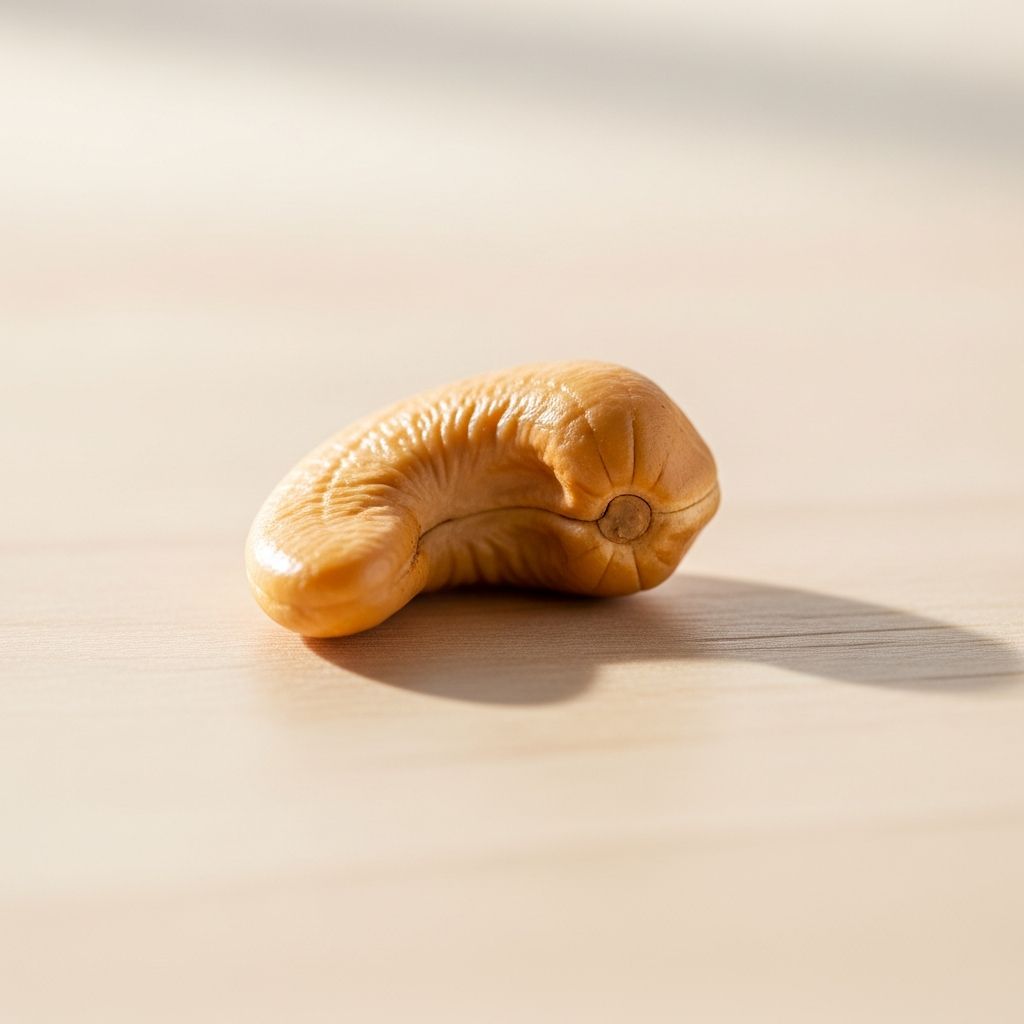
Cashew nut tree dermatitis, also known as cashew nut shell oil dermatitis, is a form of
allergic contact dermatitis
triggered by contact with the oily resin in the cashew nut shell. This resin containsurushiol
, a potent allergen chemically related to that found in poison ivy, poison oak, and the lacquer tree. The cashew tree (Anacardium occidentale) belongs to the Anacardiaceae family, notorious for producing allergenic oleoresins.The cashew nut is the kidney-shaped seed nestled within a fleshy accessory fruit called the cashew apple. While the edible kernel is safe for most, the pericarp (shell) surrounding it harbors the toxic oil. During commercial processing, the shell is roasted or steamed to extract the nuts, generating airborne fumes that can sensitize workers. Home handling of raw cashews poses risks, especially if shells are cracked manually. Up to 90% of processing workers develop dermatitis from repeated exposure, highlighting its occupational significance.
Sensitization occurs after initial exposure, with subsequent contacts eliciting delayed hypersensitivity reactions peaking 24–48 hours post-exposure. Cross-reactivity with related plants like mango and pistachio is common due to shared allergens.
Who gets cashew nut tree dermatitis?
Cashew nut tree dermatitis predominantly affects individuals in direct contact with raw cashew shells or processing byproducts. High-risk groups include:
- Cashew harvesters and shelling factory workers in major producers like India, Vietnam, Brazil, and Africa.
- Food industry personnel handling bulk raw cashews for roasting or packaging.
- Chefs or consumers cracking raw, unshelled cashews at home.
- Individuals with prior sensitization to urushiol-containing plants (e.g., poison ivy).
Prevalence among processors reaches 20–50%, with higher rates in women due to gender-specific labor roles. Genetic predisposition plays a role; those with atopy (history of eczema, asthma, hay fever) are more prone to severe reactions. Children rarely encounter raw shells, so cases are uncommon in pediatrics unless familial exposure occurs.
What causes cashew nut tree dermatitis?
The primary culprit is
cashew nut shell liquid (CNSL)
, comprising 90% anacardic acid (in natural form) that decarboxylates tocardol
andanacardol
upon heating. These catechols penetrate intact skin, haptenating proteins to trigger T-cell mediated type IV hypersensitivity.Key allergens:
- Anacardic acid: Prevalent in unroasted shells; converts during processing.
- Cardol: Potent airborne sensitizer in fumes from roasting.
- Urushiol: Structurally identical to poison ivy toxin, enabling cross-reactions.
Exposure routes include direct skin contact, inhalation of shell dust/fumes, and ocular/mucosal contamination. Contaminated tools, clothing, or smoke from burning shells exacerbate spread. Raw cashews may retain trace shell oil if incompletely processed, posing risks even in “shelled” products.
What are the clinical features of cashew nut tree dermatitis?
Reactions manifest as classic allergic contact dermatitis, varying by exposure site and severity:
- Acute phase: Erythema, vesicles, bullae, intense pruritus, and weeping. Common on hands, wrists, face, eyelids, neck, and genitals from auto-transfer.
- Airborne pattern: Facial edema, conjunctivitis, rhinitis from fumes; resembles photocontact dermatitis.
- Chronic phase: Lichenification, hyperpigmentation, nail dystrophy from repeated exposure.
- Severe cases: Systemic dermatitis with generalized rash, fever; rarely erythroderma.
Related Stories



Symptoms onset 12–72 hours post-exposure, peaking at 2–3 days. Resolution takes 2–4 weeks without intervention, but secondary infection from scratching is frequent. In sensitized individuals, minimal contact (e.g., trace oil on packaging) can provoke flares. Co-existing food allergy to cashew kernel manifests as urticaria, angioedema, or anaphylaxis via IgE-mediated type I hypersensitivity, distinct from contact dermatitis.
How is cashew nut tree dermatitis diagnosed?
Diagnosis combines history, examination, and
patch testing
with CNSL components:Patch test series:
| Allergen | Concentration | Vehicle |
|---|---|---|
| Anacardic acid | 0.01–0.1% | Petrolatum |
| Cardol | 0.01–1% | Petrolatum |
| Cashew nut shell extract | 10% | Olive oil |
| Urushiol (related) | 0.01% | Petrolatum |
Positive reactions (++ to +++) confirm sensitization. Differential diagnoses include irritant dermatitis (from shell friction), photocontact (photodistributed), or other resin allergies (e.g., mango). Oral challenge tests if food allergy suspected, under supervision. Biopsy shows spongiotic dermatitis, non-specific.
What is the treatment for cashew nut tree dermatitis?
Management follows acute contact dermatitis protocols:
- Removal: Immediate washing with soap/water; avoid solvents that spread oil.
- Topical: Potent corticosteroids (e.g., clobetasol 0.05%) for 1–2 weeks; calcineurin inhibitors for face/genitals.
- Systemic: Prednisone 0.5–1 mg/kg taper over 2–3 weeks for widespread/severe cases.
- Symptomatic: Oral antihistamines (e.g., cetirizine), cool compresses, barrier creams.
- Infection: Antibiotics if impetiginized.
For anaphylaxis from nut ingestion: Epinephrine auto-injector first-line. Emerging oral immunotherapy (OIT) desensitizes IgE-mediated cashew allergy by gradual dosing, improving tolerance but not yet FDA-approved for cashews. Strict avoidance remains cornerstone.
What is the outcome for cashew nut tree dermatitis?
With avoidance, prognosis excels; flares cease within weeks. Persistent exposure risks chronicity, hyperpigmentation, or occupational disability. Desensitization rare; most remain sensitized lifelong. Worker education and protective gear (PPE: gloves, masks, ventilation) prevent recurrences. Legislative shell-processing standards in endemic areas reduce incidence.
How can cashew nut tree dermatitis be prevented?
Prevention emphasizes exposure minimization:
- Occupational: Automated shelling, fume extraction, PPE (nitrile gloves, respirators), pre/post-shift showers.
- Consumer: Use only commercially roasted/shelled cashews; avoid raw imports.
- Hygiene: No-touch tools, dedicated uniforms laundered separately.
- Allergy management: EpiPen prescription, allergen avoidance lists, medical alert bracelets.
Hypoallergenic cashew variants under research; CNSL repurposed industrially with safeguards.
Frequently Asked Questions
Can cashew allergies develop later in life?
Yes, though most arise in childhood, adults can develop cashew allergy via cross-sensitization or new exposures.
Is roasted cashew safe for allergy sufferers?
Roasted kernels are typically safe from shell oil but test for protein allergy; traces may persist.
What to do for airborne cashew exposure?
Wash exposed areas immediately; treat as contact dermatitis with steroids/antihistamines.
Does Benadryl help cashew reactions?
Benadryl aids mild symptoms like itching/hives but not anaphylaxis—use epinephrine first.
Are cashews related to poison ivy rash?
Yes, both contain urushiol, causing identical dermatitis.
References
- Cashew Allergy: Symptoms, Treatment & What To Avoid — Wyndly. 2024. https://www.wyndly.com/blogs/learn/cashew-allergy-symptoms
- What Are the Symptoms and Treatment of Cashew Allergy? — Emerald Coast Urgent Care. 2023. https://emeraldcoasturgentcare.com/symptoms-treatment-cashew-allergy/
- Cashew Allergy Symptoms & Treatment — New York Allergy & Sinus Centers. 2024. https://www.nyallergy.com/cashew-allergy/
- Cashew Nut Allergy — Children’s Allergy Doctors. 2023. https://childrensallergydoctors.com/cashew-nut-allergy/
- Cashew Nut Allergen Facts, Symptoms, and Treatment — Thermo Fisher Scientific (Allergy Insider). 2024. https://www.thermofisher.com/allergy/us/en/allergen-fact-sheets/cashew-nut.html
- What Tree Nut Allergy Treatment Options Are Available? — Atlanta Allergy Doctor. 2023. https://atlantaallergydoctor.com/blog/what-tree-nut-allergy-treatment-options-are-available/
- Tree Nut Allergy: Causes, Symptoms & Treatment — Cleveland Clinic. 2025-01-15. https://my.clevelandclinic.org/health/diseases/tree-nut-allergy
Similar Articles








Read full bio of Sneha Tete