Castor Oil For Psoriasis: Benefits, Uses, And Risks Explained
Explore if castor oil can soothe psoriasis symptoms like itching and inflammation, backed by limited research and user experiences.
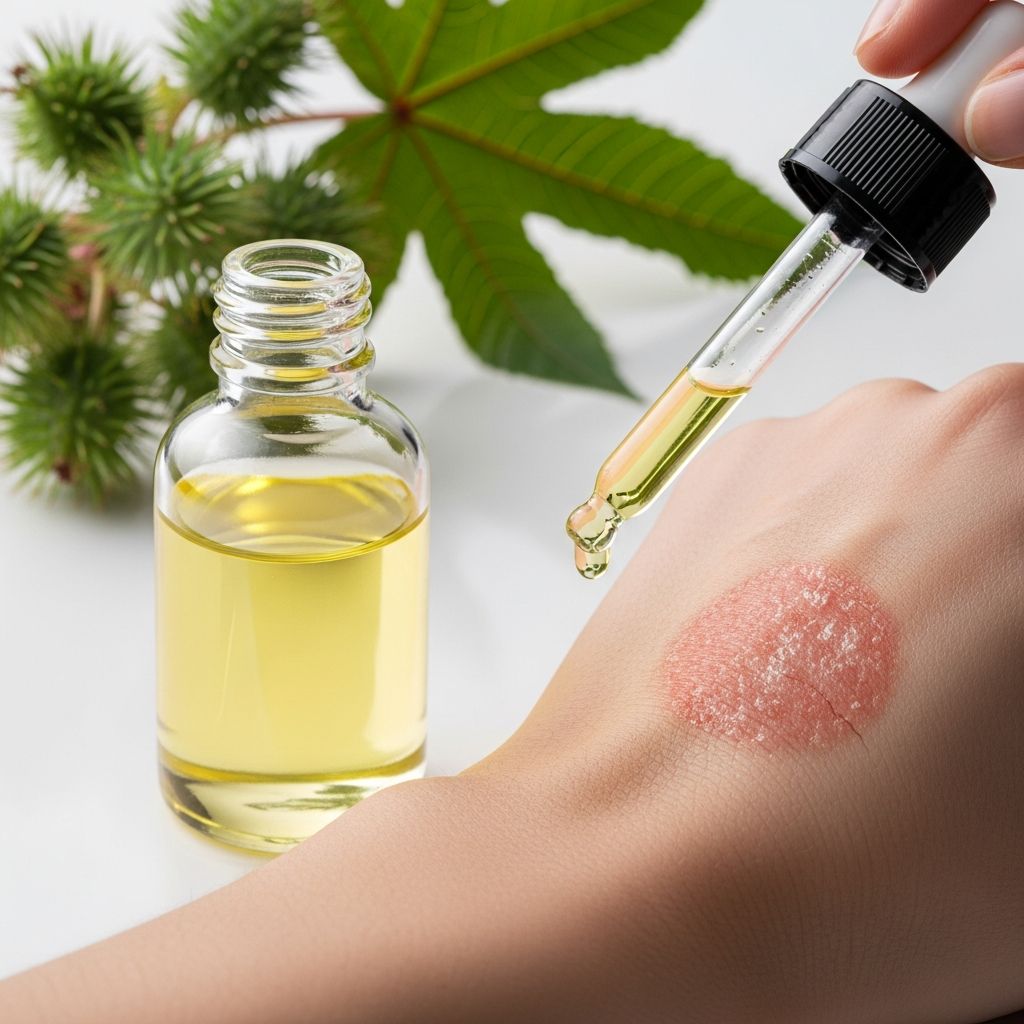
Castor oil, derived from the seeds of the Ricinus communis plant, has gained attention as a potential natural remedy for psoriasis symptoms such as dryness, itching, and inflammation. While anecdotal reports from people with psoriasis suggest relief, scientific evidence remains limited, with no large-scale clinical trials confirming its efficacy.
What Is Psoriasis?
Psoriasis is a chronic autoimmune skin condition affecting millions worldwide, characterized by rapid skin cell turnover leading to thick, scaly plaques. These patches often appear red, inflamed, and itchy, primarily on elbows, knees, scalp, and lower back. The immune system mistakenly attacks healthy skin cells, causing overproduction and inflammation. Triggers include stress, infections, and certain medications. Standard treatments range from topical steroids to biologics, but many seek complementary natural options like castor oil.
What Is Castor Oil?
Castor oil is a thick, pale yellow vegetable oil extracted from castor beans. Its primary active component, ricinoleic acid (about 90% of its composition), contributes to its anti-inflammatory and antimicrobial properties. Other fatty acids include oleic, linoleic, and stearic acids. Historically used in traditional medicine for laxative effects and skin care, it’s now common in cosmetics. For psoriasis, it’s applied topically to potentially calm irritated skin.
Does Castor Oil Help Psoriasis?
Limited research suggests castor oil’s ricinoleic acid may reduce inflammation and modulate immune responses, which could benefit psoriasis. A small study showed topical application lowered T-cell counts—overactive in psoriasis—after two weeks, potentially easing flares. Anti-inflammatory effects might soothe plaques, reducing itch and scaling. However, absorption through skin is debated, limiting benefits. No direct clinical trials exist for psoriasis, so evidence relies on smaller studies and user anecdotes. MyPsoriasisTeam members report soothing flares, with one noting it “healed scabbed areas better than shea butter.”
Potential Benefits of Castor Oil for Psoriasis
- Anti-Inflammatory Action: Ricinoleic acid inhibits inflammatory pathways, potentially shrinking plaques and reducing redness.
- Moisturizing Effects: Its emollient properties lock in hydration, combating dryness and cracking common in psoriasis.
- Immune Modulation: Preliminary data indicates it may normalize overactive T-cells, curbing autoimmune flares.
- Antibacterial Properties: May prevent secondary infections in cracked skin, as suggested by studies on castor extracts.
- Pain Relief: Topical use has analgesic effects, easing itch-induced discomfort.
These benefits align with psoriasis needs, but individual results vary. A 2017 study on castor leaf extract highlighted antibacterial potential, possibly extending to oil.
How to Use Castor Oil for Psoriasis
Always consult a dermatologist before starting. Common methods include:
- Direct Application: Massage pure castor oil onto clean, dry plaques. Leave on for 30-60 minutes or overnight, then rinse with lukewarm water.
- With Occlusion: Apply oil, cover with plastic wrap or a damp cloth, and leave overnight to enhance absorption and soften scales.
- Diluted Mix: Blend with carrier oils like coconut or jojoba (1:1 ratio) for easier spread and added benefits.
- Scalp Treatment: Part hair, apply to affected areas, wrap in a shower cap overnight, and shampoo out.
- Compress: Soak a cloth in warmed oil, apply to skin for 20-30 minutes daily.
Start with a patch test: Apply a small amount to inner arm, wait 24 hours for reactions. Use cold-pressed, organic oil for purity. Apply post-shower on damp skin for better penetration.
Related Stories



Castor Oil Types for Skin Use
| Type | Description | Best For Psoriasis |
|---|---|---|
| Cold-Pressed | Pale yellow, extracted without heat to preserve nutrients. | Preferred for maximum ricinoleic acid potency. |
| Black (Jamaican) | Roasted beans yield darker oil with smoky scent. | Good for dry, thick plaques; may be more emollient. |
| Hydrogenated | Waxy solid form used in cosmetics. | Less ideal topically; better in creams. |
Cold-pressed is most recommended for therapeutic use.
Risks and Side Effects
Castor oil is generally safe topically, with low irritation risk even on sensitive skin. However:
- Allergic Reactions: Rare but possible—hives, rash, swelling. Discontinue if symptoms appear.
- Skin Irritation: Greasy texture may clog pores or worsen acne-prone areas.
- Interactions: Avoid with certain topicals; may dilute prescription creams.
- Ingestion Warning: Not for oral use in psoriasis contexts—potent laxative.
Pregnant individuals or those with open wounds should avoid. Patch testing is essential.
What Do Dermatologists Say?
Experts view castor oil as a complementary aid, not a cure. The National Psoriasis Foundation notes natural oils can moisturize but lack robust evidence for disease modification. Dermatologists recommend it alongside proven therapies like topicals or phototherapy. “It may provide symptomatic relief but won’t address underlying autoimmunity,” per general consensus. Always integrate into a provider-guided plan to avoid delaying effective treatment.
Alternatives to Castor Oil for Psoriasis
- Coconut Oil: Antimicrobial and moisturizing; studies show similar anti-inflammatory benefits.
- Aloe Vera: Cooling gel reduces itch; backed by small trials.
- Oatmeal Baths: Soothes inflammation without oils.
- Prescription Options: Coal tar, salicylic acid, or calcipotriene for scale reduction.
- Dietary Changes: Anti-inflammatory diets (e.g., omega-3 rich) may complement.
Frequently Asked Questions (FAQs)
Is castor oil safe for psoriasis-prone skin?
Yes, it’s typically safe topically with few side effects, but perform a patch test and consult a doctor.
How often should I apply castor oil for psoriasis?
Daily or every other day, leaving on overnight for best results, but monitor skin response.
Can castor oil cure psoriasis?
No, psoriasis has no cure; castor oil offers symptom relief only.
Does castor oil work on scalp psoriasis?
Yes, many users apply it successfully to the scalp with occlusion.
What if castor oil irritates my skin?
Stop use immediately and seek medical advice; try dilution or alternatives.
Final Thoughts
While castor oil shows promise for easing psoriasis symptoms through its anti-inflammatory and moisturizing qualities, it’s not a standalone treatment. Combine with medical therapies for optimal management. Track symptoms and consult professionals for personalized advice. User communities like MyPsoriasisTeam offer shared insights, emphasizing trial and patience.
References
- Castor Oil for Psoriasis: Is It Effective? — MyPsoriasisTeam. 2023. https://www.mypsoriasisteam.com/resources/castor-oil-for-psoriasis-is-it-effective
- Castor oil for psoriasis: Does it work and is it safe? — Medical News Today. 2023-10-10. https://www.medicalnewstoday.com/articles/324183
- National Psoriasis Foundation: Natural Remedies — National Psoriasis Foundation. 2024. https://www.psoriasis.org/advance/natural-remedies/
- Ricinoleic Acid in Castor Oil: A Succinct Review — PubMed (DOI: 10.3390/molecules26133936). 2021-07-01. https://doi.org/10.3390/molecules26133936
- Topical Anti-Inflammatory Agents in Psoriasis Management — American Academy of Dermatology. 2024. https://www.aad.org/public/diseases/psoriasis/treatment/medications/non-prescription
Similar Articles








Read full bio of Sneha Tete