Castor Oil For Skin: 6 Benefits Dermatologists Recommend
Discover the science-backed benefits of castor oil for skin, from hydration and acne relief to anti-aging effects and safe usage tips.
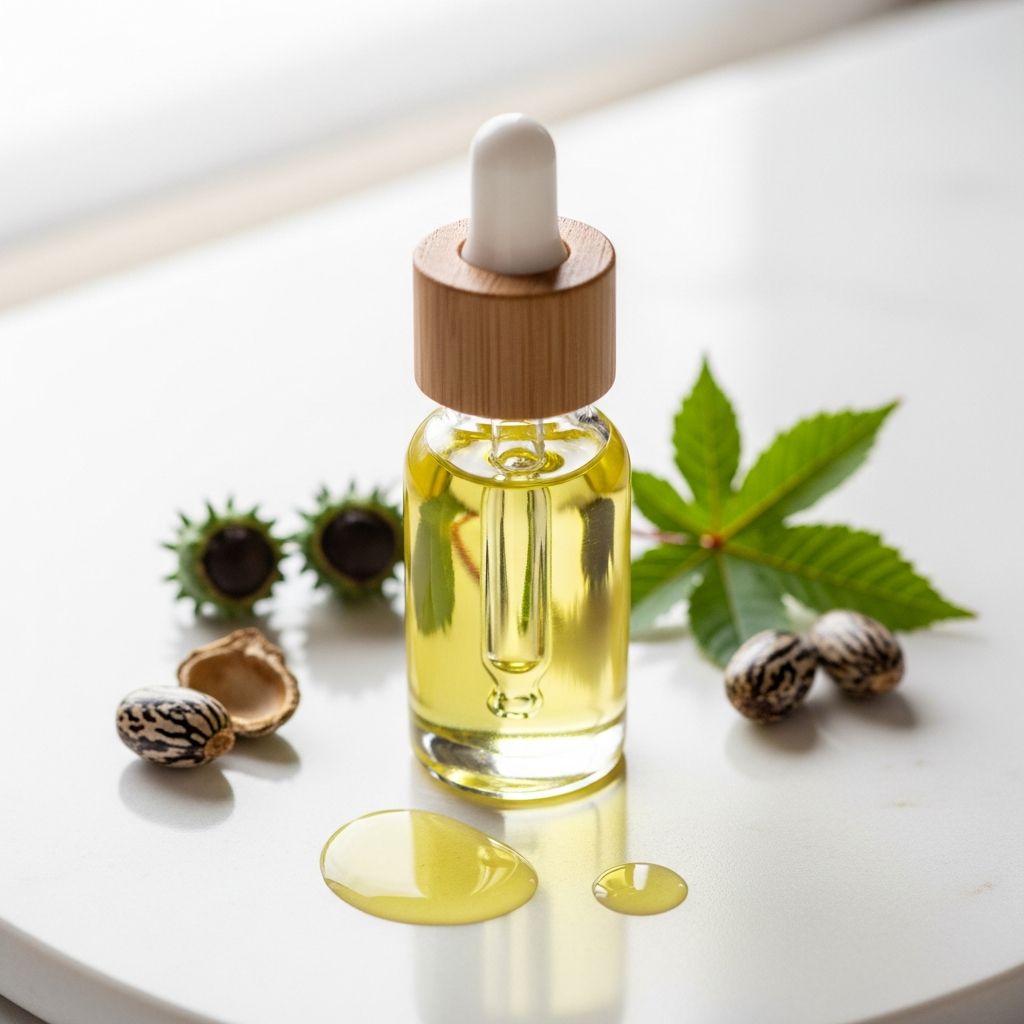
Castor oil, derived from the seeds of the Ricinus communis plant, has gained popularity in skincare for its potential moisturizing, anti-inflammatory, and antimicrobial properties. Primarily composed of ricinoleic acid—a potent fatty acid—it acts as an occlusive to lock in moisture while combating bacteria and inflammation that affect skin health.
What Is Castor Oil?
Castor oil is a thick, pale yellow vegetable oil extracted through cold-pressing castor beans, followed by heat processing for cosmetic use. Historically used since ancient times for medicinal purposes, its only FDA-approved application remains as a laxative. However, topical skincare products frequently incorporate it for its rich fatty acid profile, particularly ricinoleic acid (about 90% of its composition), which provides emollient, antioxidant, and healing benefits.
This monounsaturated fatty acid differentiates castor oil from other plant oils, enabling it to penetrate deeply into the skin barrier, hydrate tissues, and reduce transepidermal water loss. Unlike lighter oils, its viscosity makes it ideal for dry or irritated skin but often requires dilution for facial application.
Castor Oil Benefits for Skin
Research highlights several evidence-based benefits of castor oil for skin, primarily driven by ricinoleic acid’s multifaceted properties. Here’s a breakdown:
- Deep Moisturization: As an occlusive, castor oil forms a protective barrier that prevents moisture evaporation, softening skin and improving elasticity. Studies show it hydrates effectively, making it suitable for dry skin conditions like eczema.
- Antimicrobial Action: Fatty acids in castor oil exhibit antibacterial effects, helping to clear pore-clogging bacteria responsible for acne. This reduces breakouts and supports clearer skin.
- Anti-Inflammatory Effects: Ricinoleic acid fights swelling and redness, beneficial for puffiness, inflamed pimples, or post-sunburn irritation. It soothes without steroids, ideal for sensitive skin.
- Antioxidant Protection: Rich in tocopherols (vitamin E), castor oil scavenges free radicals, potentially preventing premature aging, wrinkles, and UV-induced damage when paired with sunscreen.
- Wound Healing Support: Combined with other agents, it promotes moist healing environments, reduces infection risk, and accelerates recovery in clinical settings like pressure ulcers.
- Acne Reduction: By minimizing inflammation and bacteria, it shrinks pore appearance and calms active breakouts, though best used diluted.
These benefits extend beyond the face; castor oil can hydrate the scalp, soothe dandruff, and even support hair growth via follicle nourishment.
How to Use Castor Oil on Your Face and Body
Due to its thickness, pure castor oil can feel sticky—dilute it with carrier oils like coconut, almond, jojoba, or olive oil at a 1:1 to 1:3 ratio for smoother application.
Facial Application Methods
- Overnight Mask: Cleanse face, apply diluted mixture, leave on overnight, and rinse in the morning. Ideal for hydration.
- Spot Treatment: Dab undiluted on pimples or scars before bed to target inflammation.
- Mix with Moisturizer: Add 2-3 drops to your nightly cream for enhanced occlusion without greasiness.
- Lip Balm Alternative: Blend with coconut oil for chapped lips; apply sparingly.
Body and Scalp Uses
- Massage into dry elbows, knees, or heels post-shower.
- Apply to sunburned skin to reduce peeling and discomfort.
- For scalp: Massage diluted oil weekly to hydrate and promote growth; leave 30-60 minutes before shampooing.
Always patch-test on inner arm for 24 hours to check for irritation. Start with low frequency (2-3 times weekly) to build tolerance.
Castor Oil for Acne: Does It Work?
Yes, castor oil shows promise for acne-prone skin. Its antimicrobial properties target Propionibacterium acnes bacteria, while anti-inflammatory effects reduce cystic swelling. A 2022 study confirmed ricinoleic acid’s role in pore decongestion and breakout prevention. Pair with gentle cleansers for best results, avoiding overuse to prevent milia (small cysts from occlusion).
Related Stories



| Acne Type | Castor Oil Suitability | Application Tip |
|---|---|---|
| Inflammatory (red, painful) | High | Spot treat nightly |
| Comedonal (blackheads) | Moderate | Dilute and cleanse after |
| Cystic | Caution | Consult dermatologist |
Potential Side Effects and Risks
Generally safe topically, castor oil may cause:
- Irritation: Redness or itching in sensitive skin; dilute and patch-test.
- Clogged Pores: Overuse on oily skin can trap debris; limit to PM routine.
- Allergic Reactions: Rare, but discontinue if rash occurs. Avoid internal ingestion beyond FDA laxative doses.
- Not for Open Wounds: Use only under medical supervision for cuts or burns.
Pregnant individuals should avoid due to historical labor induction risks, even topically.
What Dermatologists Say About Castor Oil
Dermatologists view castor oil positively as a natural occlusive for dry skin but emphasize dilution and moderation. “It’s excellent for barrier repair but not a cure-all—combine with actives like retinoids for comprehensive care,” notes one expert. Evidence supports its adjunct role in routines, not standalone treatment. For severe conditions, professional formulations like Venelex are preferred.
Best Castor Oil Products for Skin
Opt for cold-pressed, hexane-free, organic varieties:
- Pure oils: Spectrum Essentials or NOW Foods.
- Formulated: Serums with 5-10% castor oil in The Ordinary or Curology blends.
- Balms: For lips or cuticles.
Check labels for purity; avoid if allergic to castor plants.
Frequently Asked Questions (FAQs)
Is castor oil safe for all skin types?
Best for dry or normal skin; oily/acne-prone users dilute heavily. Patch-test always.
Can castor oil remove blackheads?
It softens sebum for easier extraction but doesn’t dissolve comedones alone—use with exfoliants.
How often should I use castor oil on my face?
2-4 times weekly initially, increasing if tolerated. Overnight use maximizes absorption.
Does castor oil help with wrinkles?
Antioxidants and hydration may minimize fine lines over time, but results vary.
Can I use castor oil while pregnant?
Avoid due to potential uterine stimulation; consult a doctor.
Final Thoughts on Incorporating Castor Oil
Castor oil offers versatile, research-supported benefits for skin hydration, acne management, and inflammation relief when used correctly. Integrate it mindfully into your routine for optimal results, always prioritizing patch-testing and professional advice for persistent issues. Its natural profile makes it a worthwhile addition for many seeking gentle, effective skincare.
References
- What does castor oil do for your skin? What the research says — Curology. 2023. https://curology.com/blog/what-does-castor-oil-do-for-your-skin-what-the-research-says/
- Castor Oil for Face: Acne and Skin — Healthline. 2022. https://www.healthline.com/health/castor-oil-for-face
- The Health Benefits of Castor Oil — WebMD. 2024. http://www.webmd.com/diet/castor-oil-health-benefits
- Put Oil on Your Skin? The Science Behind Olive, Castor, and Coconut Oil — Golden State Dermatology. 2023. https://www.goldenstatedermatology.com/blog/put-oil-on-your-skin-the-science-behind-olive-castor-and-coconut-oil/
- What Are the Benefits of Castor Oil? — Wholesale Supplies Plus. 2023. https://www.wholesalesuppliesplus.com/handmade101/learn-to-make-articles/what-are-the-benefits-of-castor-oil.aspx
Similar Articles








Read full bio of medha deb