Casts For Bone Fractures: 2 Types, Care & When They’re Needed
Complete guide to bone fracture casts: types, application process, and proper care instructions.
Understanding Medical Casts for Bone Fractures
A cast is a medical device that firmly holds an injured part of your body in place, typically after you experience a bone fracture. Casts serve as a crucial immobilization tool that healthcare providers use to stabilize and protect your body while you heal from an injury. Unlike splints, which can be adjusted or removed, a cast cannot be taken off or modified once it’s been applied to your body. Healthcare providers refer to wearing a cast as a form of immobilization, which prevents that specific part of your body from moving and allows the fractured bone to heal properly.
Casts are most commonly used to hold a body part in place during the healing process following a bone fracture. However, you might also need a cast after other types of injuries or following certain orthopedic surgical procedures, though this is much less common. The primary purpose of a cast is to keep your injured area safe, stable, and protected during the critical healing phase.
Types of Casts
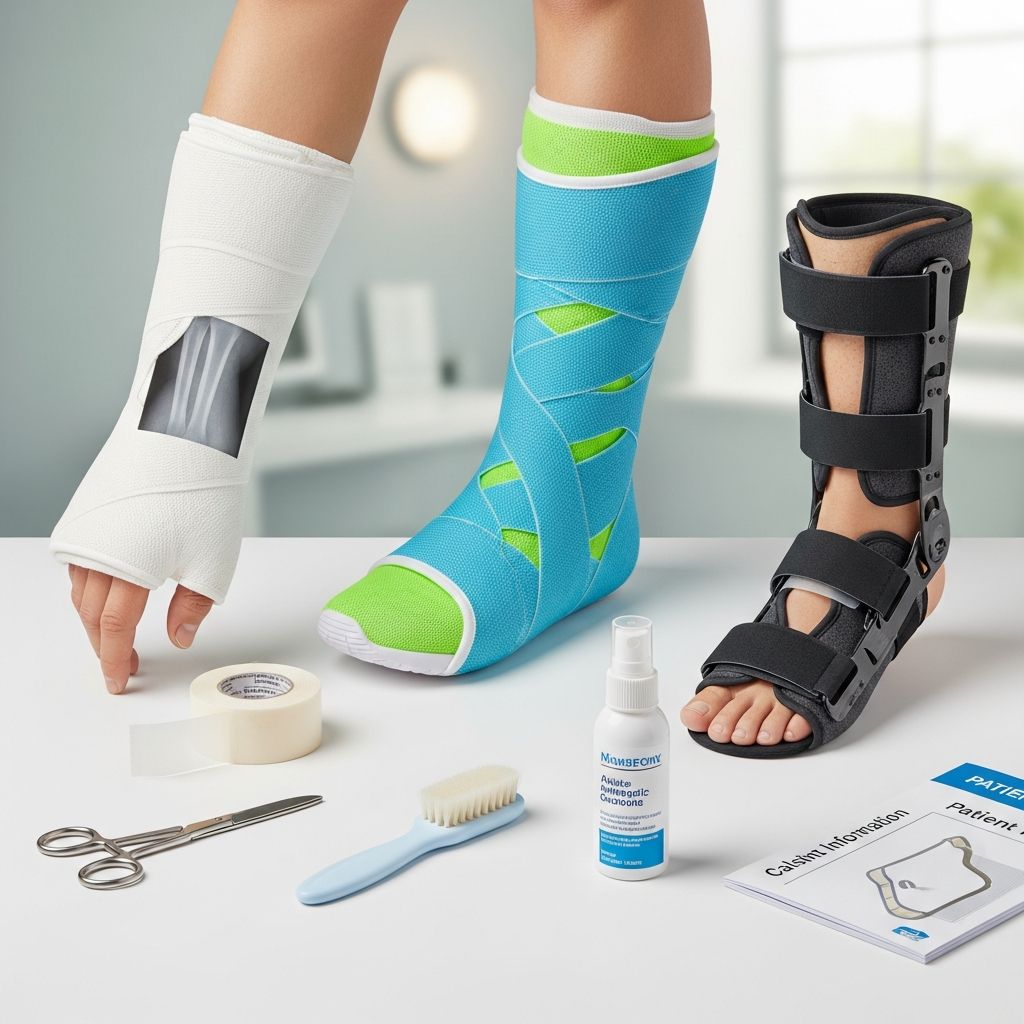
Medical casts are typically made from two primary materials, each with distinct advantages and applications:
Fiberglass Casts
Fiberglass casts are lightweight, durable, and water-resistant synthetic materials that have become increasingly popular in modern orthopedic practice. These casts dry quickly after application and are often preferred when patients need to maintain mobility or when weight is a significant concern. Fiberglass casts are also more comfortable for extended wear and can accommodate various activity levels during recovery.
Plaster Casts
Plaster casts are traditional casting materials that have been used in orthopedic medicine for many years. Plaster is typically chosen for routine applications and offers good moldability during the application process. However, plaster casts are heavier than fiberglass alternatives and take longer to dry completely. Plaster casts are also not water-resistant, meaning they cannot be exposed to water without risk of deterioration.
When You Might Need a Cast
Healthcare providers custom-fit casts to the specific part of your body that has sustained a broken bone. Common areas that require casting include:
- Arms and wrists
- Legs and ankles
- Hands and fingers
- Feet and toes
- Shoulders and clavicle
The location and severity of your fracture will determine both the type of cast you need and how long you’ll need to wear it. More severe fractures typically require longer immobilization periods, often ranging from six to eight weeks or longer, depending on the complexity of the injury.
Before Cast Application: Bone Realignment
Before a healthcare provider places a cast on your body around the broken bone, they’ll conduct a thorough examination of your injuries and assess the extent of the fracture. One of the most critical steps before casting is setting, or realigning, your bone to ensure it heals back together correctly and maintains proper function. Depending on the type and severity of your fracture, you may need either a closed reduction or surgical intervention.
Related Stories



Closed Reduction Procedure
During a closed reduction, your healthcare provider will physically push and pull your body on the outside to line up your broken bones on the inside. This non-surgical procedure allows your provider to reposition the bone fragments without making an incision. To ensure your comfort during this procedure, you’ll receive a type of anesthesia to prevent you from feeling pain. Closed reductions are typically used for simpler fractures where the bone pieces can be realigned through external manipulation.
Surgical Intervention
The most severe fractures often require surgical treatment to achieve proper bone alignment. The most common type of bone fracture surgery is internal fixation, where a surgeon inserts pieces of metal—such as pins, plates, or screws—into your bone to hold it in place while it heals. During this procedure, you’ll receive general anesthesia so you sleep through the entire surgery. Internal fixation provides maximum stability for complex fractures and allows for more controlled healing.
The Cast Application Process
Once your bone has been properly set and it’s safe to immobilize it, your healthcare provider will apply a cast to your body using a layered approach. Understanding what to expect during this process can help reduce anxiety and prepare you for the experience.
Application Steps
Healthcare providers apply a cast in several carefully planned layers:
- First, a stockinette (a soft, stretchy fabric) is applied directly to your skin
- Padding is then wrapped around the stockinette to provide cushioning and protection
- The casting material—either plaster or fiberglass—is applied in overlapping layers
- Each layer overlaps the previous one by approximately 50 percent to ensure strength and stability
- The cast is carefully shaped and molded to fit your body contours
Application Duration
The time required to apply a cast can vary significantly based on several factors. Generally, cast application takes anywhere from 15 minutes to around one hour. Smaller casts, such as those on your wrist or hand, typically take less time to apply—usually 15 to 30 minutes. Larger casts, particularly those on your legs or torso, require more time and material, often taking 45 minutes to an hour. Your healthcare provider will explain the expected timeline for your specific cast before beginning the application process.
Cast Care and Maintenance
Proper care of your cast is essential for ensuring optimal healing and preventing complications. Your healthcare provider will give you specific instructions about what you can and cannot do while wearing your cast.
Protecting Your Cast from Moisture
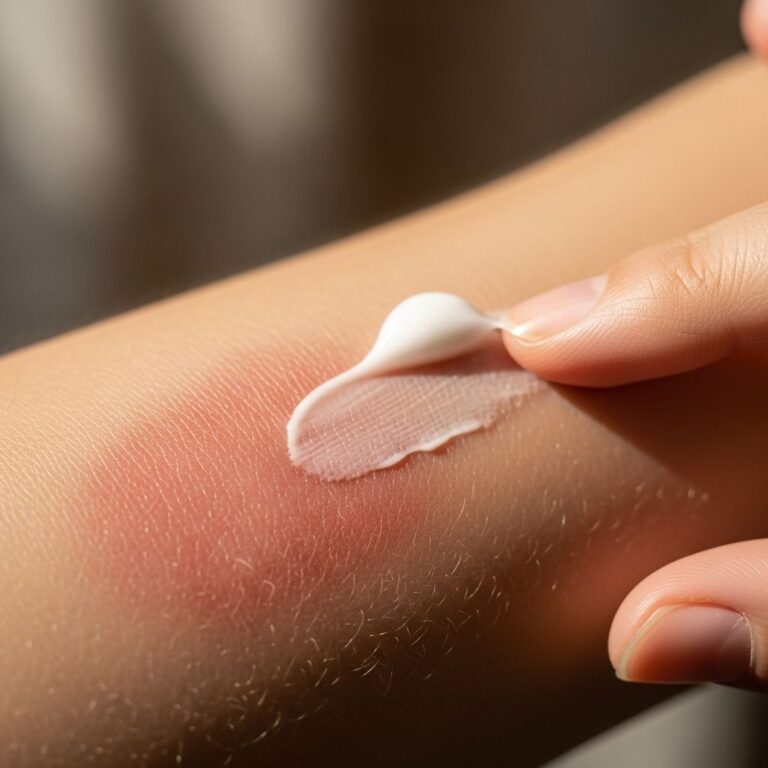
One of the most important rules for cast care is protecting your cast from water, particularly if you have a traditional plaster or non-waterproof cast. If conventional padding inside a cast gets wet, it won’t dry properly and can become a breeding ground for bacteria and fungal growth. This can lead to skin irritation, infection, and other complications. When bathing or showering, you should keep your cast completely dry. Many patients use waterproof barriers or specially designed cast covers to prevent water exposure during personal hygiene routines.
Managing Discomfort
Wearing a cast can cause various types of discomfort, including itching, heat, and the general awkwardness of having a limb immobilized. Some strategies to manage these sensations include:
- Applying ice for 15 to 30 minutes at a time over your cast to reduce swelling and provide relief
- Using fans or air conditioning to help manage heat buildup under the cast
- Avoiding inserting objects into the cast to scratch itchy areas, as this can damage your skin
- Keeping your cast elevated when possible to reduce swelling
Movement and Exercise Guidelines
While your cast immobilizes the primary injury site, you should discuss with your healthcare provider what movements and exercises are safe for the surrounding areas. In many cases, you can continue to move unaffected joints and may be encouraged to perform gentle exercises to maintain circulation and prevent muscle atrophy. Your provider will give you specific guidance on how to bathe, move, and exercise properly to ensure you heal correctly and as quickly as possible.
Monitoring for Complications
It’s extremely important that patients continually check for signs of complications while wearing a cast. The most serious concern is compartment syndrome, a condition where increased pressure within the tissues surrounding the bones can compromise blood flow and tissue viability. You should watch for and immediately report any of the following symptoms to an urgent or emergency care facility:
- Increased pain that doesn’t respond to over-the-counter pain medication
- Numbness or tingling sensations
- Coolness or color changes in the fingers or toes
- Swelling that extends beyond the cast
- Foul odors coming from inside the cast
- Skin discoloration around the cast edges
If you experience any of these warning signs, seek immediate medical attention. At the first sign of vascular compromise, your cast should be removed or split to relieve pressure.
Pain Management During Cast Wear
Managing pain while wearing a cast is an important part of the healing process. Over-the-counter pain relievers can often help manage discomfort associated with the fracture itself. However, strong opioid medications should be used with caution during the first two to three days after casting, as they can mask pain that would otherwise prompt you to seek medical attention for potential complications. Your healthcare provider will recommend the most appropriate pain management strategy based on your specific situation.
Cast Removal and Follow-Up Care
The duration you’ll need to wear a cast depends on the severity of your fracture and your individual healing progress. Your healthcare provider will schedule follow-up appointments that typically include X-rays to monitor your bone’s healing progress. Once your bones have sufficiently healed, your healthcare provider will remove the cast and may recommend transitioning to a removable splint or brace for continued support. Physical therapy may also be recommended to help restore strength, flexibility, and function to the injured area.
Frequently Asked Questions (FAQs)
Q: Can I shower or bathe with a plaster cast?
A: No, traditional plaster casts should not be exposed to water. If you need to bathe, you should use a waterproof cast cover or plastic bag secured around your cast with waterproof tape. However, if you have a waterproof fiberglass cast, your healthcare provider will let you know if water exposure is safe.
Q: How long will I need to wear a cast?
A: Cast duration varies depending on the type and severity of your fracture. Simple fractures might require 4-6 weeks of casting, while more complex fractures may need 6-8 weeks or longer. Your healthcare provider will give you a specific timeline based on your injury.
Q: What should I do if my cast feels too tight?
A: Contact your healthcare provider immediately if your cast feels uncomfortably tight, especially if you experience numbness, tingling, or color changes in your fingers or toes. These could be signs that the cast needs adjustment or removal.
Q: Can I cut or trim my cast if it’s causing discomfort?
A: No, you should never attempt to cut or trim your cast yourself, as this could cause injury or compromise the cast’s ability to immobilize your fracture. Contact your healthcare provider if you need adjustments.
Q: Is it normal to experience itching under my cast?
A: Yes, itching is a common complaint among cast wearers. However, you should never insert objects like coat hangers or pencils into the cast to scratch, as this can damage your skin and lead to infection. Instead, try blowing cool air under the cast or using over-the-counter pain relievers as recommended by your provider.
Q: Will my muscles weaken while wearing a cast?
A: Some muscle atrophy (weakening) is common during immobilization, but you can minimize this by performing gentle exercises on unaffected joints as recommended by your healthcare provider. Physical therapy after cast removal can help restore strength and function.
References
- Casts: Types & Care — Cleveland Clinic. 2023-08-11. https://my.clevelandclinic.org/health/treatments/25191-casts
- Principles of Casting and Splinting — American Academy of Family Physicians. 2009-01-01. https://www.aafp.org/pubs/afp/issues/2009/0101/p16.html
- Bone Fractures: Types, Symptoms & Treatment — Cleveland Clinic. 2022-09-01. https://my.clevelandclinic.org/health/diseases/15241-bone-fractures
- Dos and Don’ts of Caring for Your Child’s Cast — Cleveland Clinic Center for Pediatric Orthopaedic Surgery. 2025. https://www.northeastohioparent.com/health/dos-and-donts-of-caring-for-your-childs-cast/
- Potential Benefits of Limited Clinical and Radiographic Follow-up After Surgical Treatment of Ankle Fractures — National Center for Biotechnology Information. 2021. https://pmc.ncbi.nlm.nih.gov/articles/PMC8116015/
Similar Articles








Read full bio of medha deb