Cat Scratch Disease: Causes, Symptoms, and Treatment
Understanding cat scratch disease: infection signs, prevention strategies, and effective management approaches.
Understanding Cat Scratch Disease
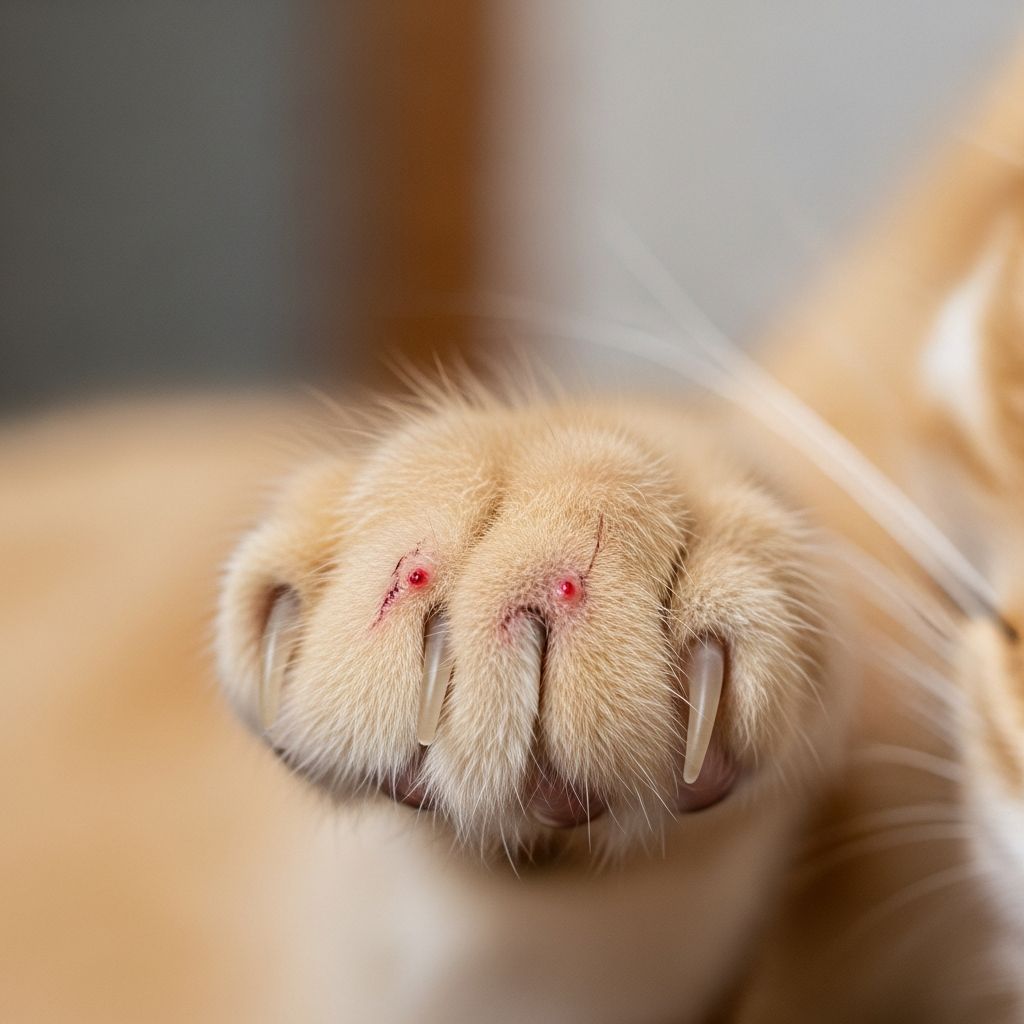
Cat scratch disease, also known as cat scratch fever, is a bacterial infection that can develop following a scratch, bite, or exposure to an infected cat. This relatively uncommon but treatable condition is caused by the bacterium Bartonella henselae, which is naturally carried by cats without typically causing them harm. While most cases resolve on their own within a few weeks to months, understanding the disease’s causes, symptoms, and treatment options is essential for proper management and prevention.
What Causes Cat Scratch Disease?
Cat scratch disease is primarily transmitted through contact with infected cats. The causative agent, Bartonella henselae, is an intracellular gram-negative bacterium that affects the lymph nodes draining the area where a cat scratch or bite occurs. Approximately 30-40% of cats and kittens carry this bacterium in their mouths, under their claws, or on their fur.
How Cats Become Infected
Cats typically acquire Bartonella henselae infection through flea bites. When infected fleas bite cats, they transmit the bacteria. The bacteria then spreads when cats scratch at flea bites or engage in self-grooming behaviors. Interestingly, infected cats often show no symptoms and may carry the bacterium for extended periods, making them asymptomatic carriers capable of transmitting the infection to humans.
Transmission to Humans
Humans contract cat scratch disease through several pathways:
- Direct scratches or bites from infected cats
- Contact with contaminated cat saliva or flea feces (flea dirt) on a cat’s fur
- Licking of open wounds or scratches by infected cats
- Rubbing eyes after petting an infected cat’s fur
Young kittens and stray cats pose higher transmission risks because they are more frequently infested with fleas and more likely to scratch aggressively. Community cats and outdoor cats have increased rates of Bartonella henselae infection compared to indoor pet cats.
Symptoms and Clinical Presentation
Cat scratch disease presents with a characteristic progression of symptoms that typically develop within three to ten days following a cat scratch or bite. The clinical presentation varies among individuals, with symptoms generally being mild to moderate in immunocompetent individuals.
Primary Symptoms
The most common manifestations of cat scratch disease include:
- Swollen and tender lymph nodes: Lymphadenopathy develops one to three weeks after the initial scratch or bite, typically appearing near the infection site. If scratched on the arm, lymph nodes in the armpit or near the elbow may swell and become tender. These nodes may remain enlarged for one to four months.
- Low-grade fever: Most patients experience mild fever, often below 101°F (38.3°C).
- Skin rash or bumps: A papule or pustule may appear at the site of the scratch or bite, along with a body rash in some cases.
- Flu-like symptoms: Patients commonly report headaches, fatigue, decreased appetite, and joint pain.
Physical Appearance Changes
The skin overlying swollen lymph nodes often becomes discolored due to increased blood flow in the area. Depending on skin tone, the appearance may be pink, red, ashen gray, purple, or dark brown. This discoloration typically resolves as swelling decreases.
Diagnosis and Evaluation
Diagnosing cat scratch disease typically involves clinical evaluation and patient history. Healthcare providers consider several diagnostic approaches:
Clinical Assessment
Diagnosis is often based on the characteristic presentation of regional lymphadenopathy following a known cat scratch or bite. A detailed history of cat exposure, particularly recent scratches or bites within the preceding 1-3 weeks, is crucial for accurate diagnosis.
Related Stories



Diagnostic Tests
Several laboratory tests may support diagnosis:
- Bartonella serology: Serological tests detecting antibodies against Bartonella henselae confirm infection.
- PCR testing: Polymerase chain reaction tests can identify bacterial DNA in blood or tissue samples.
- Culture: Direct bacterial culture is challenging and rarely performed due to the organism’s fastidious growth requirements.
- Imaging: X-rays or ultrasound may be used to evaluate lymph node size and rule out other conditions.
Who Is at Risk?
While cat scratch disease can affect people of any age, certain populations face increased risk of developing complications:
High-Risk Groups
Children under five years old and immunocompromised adults face the highest risk for severe complications. These populations include individuals with HIV/AIDS, those receiving immunosuppressive therapy, organ transplant recipients, and people with chronic illnesses affecting immune function. In immunocompromised hosts, the infection may develop a vascular-proliferative response rather than the typical granulomatous response seen in healthy individuals.
Potential Complications
While most people recover without complications, severe cases may involve dissemination to other organs, including:
- Liver and spleen enlargement (hepatosplenomegaly)
- Heart valve inflammation (endocarditis)
- Eye involvement (ocular bartonellosis)
- Central nervous system complications
- Chronic lymphadenopathy
Treatment and Management
Cat scratch disease treatment approaches vary based on symptom severity, immune status, and whether complications have developed.
Supportive Care
Most people with cat scratch disease require only supportive care. Treatment focuses on symptom management:
- Over-the-counter NSAIDs: Ibuprofen (Advil, Motrin) or naproxen (Aleve, Naprosyn) help reduce fever, pain, and inflammation.
- Acetaminophen: An alternative pain reliever for those who cannot take NSAIDs.
- Warm compresses: Applying heat to swollen lymph nodes can reduce swelling and alleviate discomfort.
- Rest: Adequate rest supports immune system function during recovery.
Antibiotic Treatment
Most immunocompetent individuals do not require antibiotics, as the infection typically resolves independently. However, antibiotics are indicated in specific situations:
- Immunocompromised patients
- Severe or disseminated disease
- Long-lasting symptoms despite supportive care
- Complications affecting other organs
Azithromycin is the antibiotic of choice for mild to moderate cat scratch disease in immunocompetent patients. For more severe cases or immunocompromised individuals, additional antibiotics such as doxycycline or ciprofloxacin may be used. The typical treatment duration ranges from four to six weeks.
Symptomatic Relief for Severe Cases
When lymph nodes become severely enlarged and painful, healthcare providers may drain them using a syringe to provide immediate pain relief. This procedure offers temporary comfort while the body continues fighting the infection.
Prevention Strategies
Reducing the risk of cat scratch disease involves practical steps to minimize exposure to infected cats and reduce flea populations:
Cat-Related Prevention
- Keep cats indoors: Indoor cats have significantly lower exposure to fleas and reduced likelihood of carrying Bartonella henselae.
- Flea prevention: Maintain regular flea and tick prevention using topical or oral treatments approved by veterinarians.
- Avoid stray cats: Minimize contact with outdoor, stray, or feral cats, which have higher infection rates.
- Limit kitten exposure: Young kittens are more likely to carry the bacteria and scratch aggressively.
Wound Care and Hygiene
- Immediate washing: If scratched or bitten by a cat, wash the wound immediately with soap and warm water to reduce bacterial contamination.
- Avoid touching face: Refrain from touching your eyes, nose, or mouth after petting cats until hands are thoroughly washed.
- Handle scratches promptly: Apply antibiotic ointment to scratches and cover with clean bandages.
Cat Scratch Disease in Cats
Cats themselves rarely develop symptoms from Bartonella henselae infection, though they serve as the primary reservoir for human infection. When symptoms do occur in cats, they may include swollen lymph nodes, lethargy, reduced appetite, and fever. Cats with weakened immune systems, such as kittens or those with chronic conditions like feline leukemia virus (FeLV), face higher risk of symptomatic infection.
Feline Treatment
Cats with symptomatic Bartonella henselae infection typically receive antibiotic treatment consisting of doxycycline or enrofloxacin for four to six weeks. Most cats with healthy immune systems naturally clear the infection without treatment. Complete symptom resolution, particularly swollen lymph nodes, may require one to two months even with antibiotic therapy. Concurrent flea prevention is essential during treatment to prevent reinfection.
Frequently Asked Questions
Q: How long does cat scratch disease last?
A: Most cases resolve within a few weeks to several months. Swollen lymph nodes may remain enlarged for one to four months. In immunocompetent individuals, symptoms typically improve without treatment, while immunocompromised patients may experience prolonged symptoms requiring antibiotic therapy.
Q: Can you catch cat scratch disease from petting a cat?
A: Direct petting of an uninfected cat does not cause disease. However, if you pet an infected cat and then touch your eyes, nose, or mouth, or if the cat’s saliva contacts open wounds, transmission is possible. Additionally, flea feces on an infected cat’s fur can transmit the bacteria.
Q: Is cat scratch disease contagious between humans?
A: No, cat scratch disease is not spread from person to person. Transmission occurs only through contact with infected cats or their contaminated saliva and flea feces.
Q: Should I get rid of my cat if they scratch me?
A: No. Most cat scratches do not result in disease transmission. Focus on regular flea prevention, keeping your cat indoors, washing scratches immediately, and practicing good hygiene. These measures significantly reduce infection risk.
Q: What should I do if a cat scratches me?
A: Wash the wound immediately with soap and warm water, dry it thoroughly, and apply an antibiotic ointment. Cover the scratch with a clean bandage. Monitor the area for signs of infection, such as increased redness, swelling, or the development of fever within 1-3 weeks.
Q: Are there any serious complications from cat scratch disease?
A: While rare, complications can include spread to the liver, spleen, eyes, heart valves, and central nervous system. These complications are more common in immunocompromised individuals and children under five years old, who should take extra precautions to avoid infection.
When to Seek Medical Attention
Consult a healthcare provider if you experience:
- Swollen, painful lymph nodes developing after a cat scratch or bite
- Fever persisting beyond one week
- Symptoms worsening instead of improving after two weeks
- Signs of systemic infection, such as severe fatigue or joint pain
- Immunocompromised status combined with any symptoms suggesting cat scratch disease
- Cat scratch or bite accompanied by signs of infection
Conclusion
Cat scratch disease, while typically self-limited in healthy individuals, warrants awareness regarding transmission, recognition of symptoms, and appropriate management. By understanding the disease’s cause—the Bartonella henselae bacterium carried by cats—and implementing prevention strategies including flea control and wound care, most people can safely enjoy cat companionship while minimizing infection risk. Those in high-risk categories should exercise additional caution and seek prompt medical evaluation when symptoms develop. With proper diagnosis and treatment, cat scratch disease can be effectively managed, allowing for full recovery in the vast majority of cases.
References
- Cat-Scratch Fever: Causes, Symptoms, Diagnosis, & Treatment — WebMD. Updated 2024. https://www.webmd.com/skin-problems-and-treatments/cat-scratch-fever
- Cat Scratch Disease – StatPearls — National Center for Biotechnology Information (NCBI). Updated 2024. https://www.ncbi.nlm.nih.gov/books/NBK482139/
- Cat Scratch Fever: Causes, Symptoms & Treatment — Cleveland Clinic. Updated 2024. https://my.clevelandclinic.org/health/diseases/23537-cat-scratch-fever
- Cat Scratch Disease — St. Louis Children’s Hospital. Accessed 2025. https://www.stlouischildrens.org/conditions-treatments/cat-scratch-disease
- About Bartonella henselae — Centers for Disease Control and Prevention (CDC). Updated 2024. https://www.cdc.gov/bartonella/about/about-bartonella-henselae.html
- Cat Scratch Disease in Cats: What Is It and How Is It Treated? — PetMD. Updated 2024. https://www.petmd.com/cat/conditions/infectious-parasitic/cat-scratch-fever-cats-what-it-and-how-it-treated
- Cat-Scratch Disease — American Academy of Family Physicians (AAFP). Published 2011-01-15. https://www.aafp.org/pubs/afp/issues/2011/0115/p152.html
Similar Articles








Read full bio of Sneha Tete