Cataract Surgery and Macular Degeneration Risks
Explore the connection between cataract surgery and age-related macular degeneration progression, weighing benefits against potential long-term risks for informed decisions.
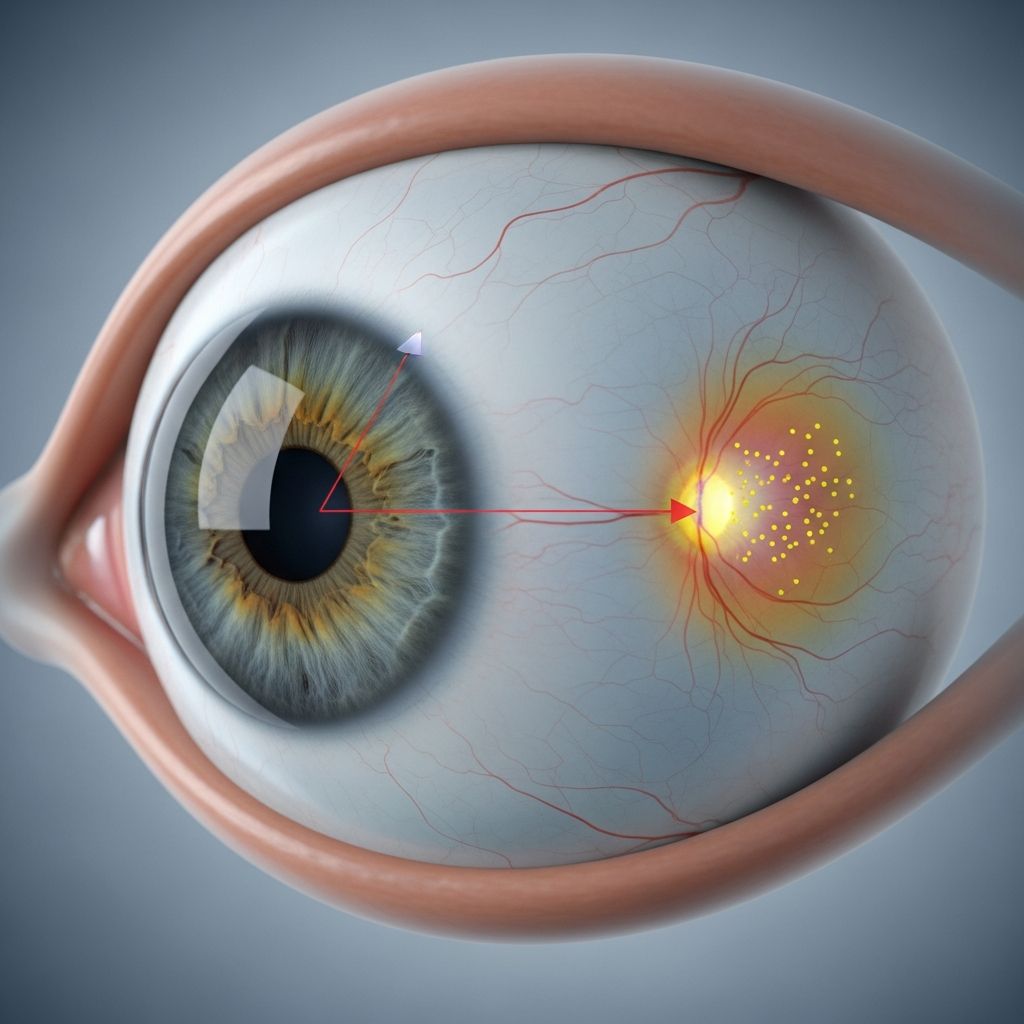
Age-related macular degeneration (AMD) and cataracts frequently occur together in older adults, raising questions about the safety of cataract surgery for those with AMD. While surgery effectively removes cataracts to restore clarity, research indicates a possible link to AMD progression, particularly over extended periods.
Understanding Coexisting Eye Conditions
**Cataracts** develop when the eye’s lens clouds, scattering light and dimming vision. This condition affects millions over age 50 and is corrected via a quick outpatient procedure replacing the lens with an artificial one.
AMD
, meanwhile, damages the macula—the retina’s central area responsible for sharp vision—leading to blurred spots or blind spots. It manifests as dry (early atrophy) or wet (neovascular growth) forms, with the latter progressing faster.These conditions often overlap because both stem from aging processes. Cataracts obscure the view of the retina, complicating AMD monitoring and treatment. Surgery addresses this by clearing the lens, but concerns persist about inflammation or oxidative stress potentially hastening AMD.
Potential Benefits of Surgery Despite AMD
Cataract removal frequently enhances overall visual function, even with AMD present. Patients report brighter vision, reduced glare, and improved peripheral sight, aiding daily activities like reading or navigating spaces.
- Enhanced retinal specialist access for AMD treatments like injections.
- Better contrast sensitivity and color perception post-surgery.
- Quality-of-life gains, such as safer mobility and independence.
In early or intermediate dry AMD, improvements can be substantial. Optical coherence tomography (OCT) scans help predict outcomes: healthier maculas yield clearer gains.
Research on Surgery’s Impact on AMD Progression
Studies yield mixed results. A meta-analysis of eight cohort studies found no short-term risk elevation (relative risk [RR] 1.194, 95% CI 0.897-1.591), but longer follow-up (>5 years) showed heightened progression risk (RR 1.372, 95% CI 1.062-1.772).
Other research supports proceeding with surgery. A Journal of Ophthalmology study tracked patients up to 10 years and found no increased late AMD risk. Retina Today notes consensus favoring surgery when cataracts impair function, with vision and life quality improvements outweighing risks.
| Study Type | Follow-up Period | Key Finding | Source |
|---|---|---|---|
| Meta-analysis (8 cohorts) | <5 years | RR 1.011 (no sig. risk) | |
| Meta-analysis (8 cohorts) | >5 years | RR 1.372 (increased risk) | |
| Longitudinal | Up to 10 years | No late AMD increase | |
| Population cohort | 10 years | Higher advanced AMD risk post-surgery |
Discrepancies arise from varying follow-ups and AMD stages. Long-term data like Beaver Dam Eye Study suggest monitoring neovascular AMD incidence.
Patient Experiences and Real-World Outcomes
Clinical anecdotes illustrate variability. A patient with intermediate dry AMD gained clarity and brightness post-surgery, easing tasks despite central vision limits. Another with advanced wet AMD saw glare reduction and peripheral gains, improving safety without central restoration.
These cases underscore realistic expectations: surgery won’t reverse AMD damage but can optimize remaining vision.
Risk Factors and Mitigation Strategies
Certain factors may amplify risks:
- Advanced AMD baseline.
- Longer post-op intervals.
- Neovascular subtype.
To minimize issues:
- Pre-op OCT for AMD severity assessment.
- Monofocal lenses for clarity in compromised eyes.
- Regular post-op fundus exams.
Macular Disease Foundation Australia notes most major studies show no definitive link, supporting surgery with vigilance.
Related Stories



Comparing Treatment Options
| Option | Pros | Cons | Best For |
|---|---|---|---|
| Cataract Surgery | Quick vision clarity; better AMD monitoring | Potential long-term AMD progression | Symptomatic cataracts + early AMD |
| Delay Surgery | Avoids progression risk | Worsens daily function; hinders retina view | Mild cataracts + advanced AMD |
| AMD Treatments First | Targets degeneration | Cataracts still obscure gains | Wet AMD priority |
Guidelines from Eye Health Authorities
Experts recommend individualized decisions. Proceed if cataracts significantly impair vision, balancing against AMD status. Post-surgery, schedule frequent retina checks—especially beyond five years.
Popular consensus affirms benefits often exceed risks, with patients reporting high satisfaction.
Frequently Asked Questions
Will cataract surgery cure my AMD?
No, it removes lens clouding but doesn’t treat retinal damage.
Is surgery safe for wet AMD?
Yes, with caveats; it aids treatment access but monitor closely for progression.
How soon after surgery might AMD worsen?
Short-term neutral; risks emerge after 5+ years per meta-analysis.
Can I choose lens types with AMD?
Monofocals maximize clarity; consult on multifocals’ suitability.
What if I skip surgery?
Vision declines from cataracts, complicating AMD management.
Long-Term Monitoring Essentials
Post-surgery vigilance is crucial. Annual or bi-annual exams detect early changes. Anti-VEGF injections for wet AMD become more feasible with clear views.
Lifestyle aids both: UV protection, antioxidant-rich diets (AREDS2 formula), smoking cessation, and exercise slow AMD.
Advances in Surgical Techniques
Modern phacoemulsification minimizes trauma, potentially lowering risks. Femtosecond lasers offer precision, though AMD impact data is emerging.
Combined procedures—cataract with AMD therapy—streamline care for advanced cases.
References
- Effect of cataract surgery on the progression of age-related macular degeneration — PMC/NCBI. 2022-11-11. https://pmc.ncbi.nlm.nih.gov/articles/PMC9646653/
- Can cataract surgery improve my vision if I have Macular Degeneration? — Cohen Eye Institute. Accessed 2026. https://coheneyeinstitute.com/blog/can-cataract-surgery-improve-my-vision-if-i-have-macular-degeneration/
- Cataract surgery and macular degeneration – your questions answered — Macular Society. 2022-09. https://www.macularsociety.org/about/media/news/2022/september/cataract-surgery-and-macular-degeneration-your-questions-answered/
- Cataract Surgery Implications for AMD — Retina Today. 2024-05. https://retinatoday.com/articles/2024-may-june/cataract-surgery-implications-for-amd
- Cataracts — Macular Disease Foundation Australia. Accessed 2026. https://www.mdfoundation.com.au/about-macular-disease/other-conditions/cataracts/
Similar Articles








Read full bio of Sneha Tete