Understanding Cataracts: Causes, Symptoms & Vision Impact
Learn how cataracts develop, recognize early warning signs, and explore treatment options for clearer vision.
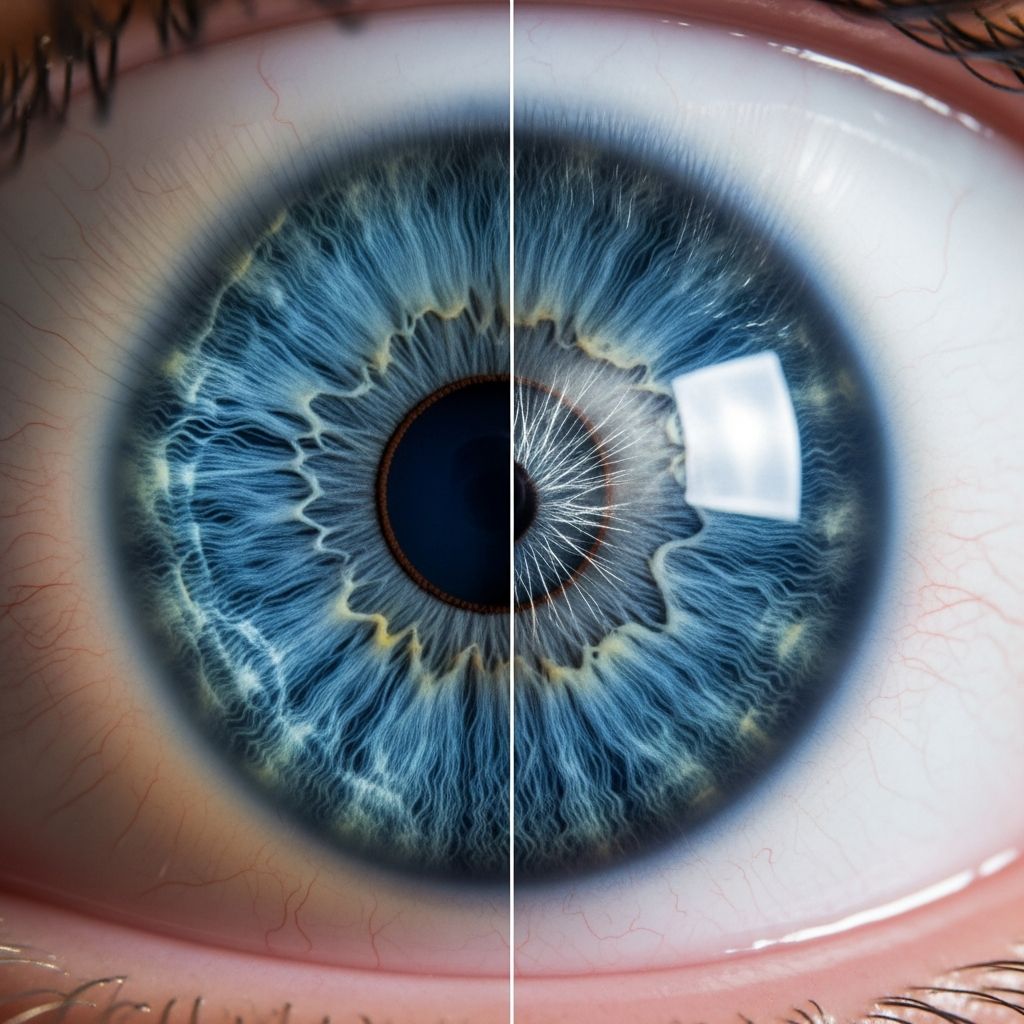
The eye’s lens is a remarkable structure designed to focus light precisely onto the retina, enabling clear vision at various distances. However, over time, this transparent lens can undergo changes that compromise its clarity, resulting in a condition known as a cataract. A cataract develops when the normally transparent lens becomes progressively opaque, obstructing light from reaching the back of the eye and causing vision to become dim, hazy, or blurred. This common eye condition affects millions of people worldwide and represents one of the leading causes of vision impairment, particularly among older adults.
The Lens and Light Transmission
To understand cataracts, it helps to first appreciate how the healthy eye lens functions. The lens sits behind the iris and pupil, acting as a dynamic focusing mechanism similar to a camera lens. Throughout your life, the lens maintains transparency by organizing its protein molecules in a precise, orderly arrangement that allows light to pass through without scattering. This clarity is essential for sharp vision across all distances and lighting conditions.
When proteins in the lens begin to break down and clump together, they create cloudy patches that interfere with light transmission. These aggregations scatter incoming light rays, preventing them from reaching the retina clearly. The result is the characteristic visual disturbance associated with cataracts: images appear blurred, faded, or distorted, similar to looking through a frosted or dirty window.
How Cataracts Develop Over Time
Cataract formation is typically a gradual process that develops silently in many cases. Most people begin experiencing microscopic changes in their lens proteins around age 40, though visible symptoms may not appear for years or decades. The lens naturally becomes thicker, less flexible, and more prone to protein accumulation as part of the normal aging process.
In the early stages of cataract development, the cloudiness may affect only a small portion of the lens, leaving vision largely unaffected. However, as the condition progresses, more of the lens becomes clouded, and the impact on vision becomes increasingly noticeable. The rate of progression varies significantly from person to person—some individuals experience slow changes over many years, while others may see more rapid vision deterioration.
Distinguishing Cataract Types
Cataracts are not all identical; they develop in different locations within the lens and produce varying effects on vision. Understanding the different types can help explain why your specific symptoms may differ from others experiencing this condition.
- Nuclear Cataracts: These form in the central nucleus of the lens and often affect color perception. People with nuclear cataracts frequently report difficulty distinguishing between colors, with hues appearing muted or yellowed.
- Cortical Cataracts: Developing in the outer cortex surrounding the nucleus, these cataracts create wedge-shaped opacities that extend from the lens edge toward the center. They often produce glare and halos around lights.
- Posterior Subcapsular Cataracts: Located at the back surface of the lens, this type progresses faster than the other varieties and particularly interferes with reading ability and near vision. It commonly causes prominent halos around light sources and increased light sensitivity.
Related Stories



Recognizing Early Warning Signs
Many people remain unaware they are developing cataracts because the condition often begins without noticeable symptoms. However, certain early indicators can alert you to changes in your lens. The most common initial warning sign involves changes to night vision—you might notice that driving at night feels more challenging or that streetlights create unusual patterns.
As the cataract progresses, additional symptoms become more apparent. These early indicators include:
- Increasing difficulty reading small print without brighter illumination
- Frequent changes in eyeglass or contact lens prescription strength
- Colors appearing less vibrant than before, with a yellowish or brownish tint
- Mild blurring or haziness in vision that resembles looking through a thin veil
- Subtle light sensitivity or mild glare when exposed to bright sunlight
The emergence of these subtle symptoms underscores the importance of regular eye examinations. An optometrist or ophthalmologist can detect cataracts in their earliest stages, often before you notice significant vision changes. Early detection allows for timely monitoring and discussion of treatment options when symptoms eventually impact your daily functioning.
Progressive Vision Changes
As cataracts advance from mild to moderate stages, vision changes become increasingly pronounced and begin affecting daily activities. The blurriness that started subtly now becomes more noticeable, and you may feel like you’re constantly looking through fog or a dirty windshield. Reading, watching television, and recognizing faces become progressively more difficult.
Light sensitivity intensifies at this stage. Exposure to bright lights—whether from the sun, overhead lighting, or headlights while driving—can become uncomfortable or even painful. This heightened sensitivity to glare often makes nighttime driving particularly challenging, as oncoming headlights may create dazzling halos or starburst patterns around light sources.
Color perception undergoes noticeable changes. Colors that appeared vivid may seem faded or yellowed, affecting your ability to appreciate visual details in artwork, nature, or everyday surroundings. Additionally, you may experience double vision or multiple images, though this symptom often improves as the cataract becomes larger and eventually stabilizes.
Understanding Vision Impact
| Vision Aspect | Early Stage Impact | Advanced Stage Impact |
|---|---|---|
| Clarity | Slight haziness in small areas | Significant blurring affecting most tasks |
| Light Sensitivity | Minimal discomfort with bright light | Marked discomfort requiring sunglasses |
| Color Perception | Subtle yellowing of some colors | Pronounced fading and yellowing throughout |
| Night Vision | Slight reduction in clarity | Substantial difficulty driving or navigating |
| Reading Ability | Occasional need for brighter light | Frequent need for magnification or brighter light |
Age as a Primary Risk Factor
While cataracts can develop at any age, advancing years represent the most significant risk factor for their formation. The majority of people who develop clinically significant cataracts are over 65 years old, though the biological processes underlying cataract development begin decades earlier. This age-related progression reflects the natural aging of the lens proteins, which gradually lose their ability to maintain transparency and flexibility.
The likelihood of developing a visually significant cataract increases substantially with each passing decade. Some estimates suggest that by age 80, most people have experienced some degree of cataract formation, though not all require surgical intervention. Understanding your age-related risk can help you adopt preventive strategies and maintain vigilance regarding vision changes.
Contributing Factors Beyond Age
While aging represents the primary cause of cataracts, other factors can accelerate their development or increase risk. UV radiation exposure over a lifetime may contribute to protein damage in the lens, making sun protection an important preventive measure. Certain medical conditions, such as diabetes, can elevate cataract risk due to changes in the lens environment. Additionally, previous eye injuries or trauma to the lens can trigger premature cataract formation in localized areas.
Lifestyle factors and environmental exposures also play a role. Some research suggests that smoking and excessive alcohol consumption may increase cataract risk, though individual susceptibility varies. Medication use, particularly long-term corticosteroid therapy, can sometimes contribute to accelerated cataract development in some individuals.
The Importance of Regular Eye Screening
Because early-stage cataracts often produce no noticeable symptoms, regular comprehensive eye examinations are crucial for early detection. During these evaluations, eye care professionals use specialized equipment to examine your lens and identify any developing opacities before they significantly impact vision. Many early cataracts are discovered during routine eye exams when patients seek help for other vision concerns or prescription updates.
If you notice any gradual changes in your vision, increased light sensitivity, or difficulty performing familiar tasks, consulting with an eye care professional is essential. They can determine whether your symptoms stem from cataracts or other eye conditions, as some visual disturbances may resemble cataract symptoms while having different underlying causes.
Living with Cataracts
In the early stages when vision remains relatively clear, many people manage cataracts by making simple lifestyle adjustments. Using brighter reading lights, wearing anti-glare sunglasses outdoors, and updating eyeglass prescriptions as vision changes can help maintain functional vision. These temporary solutions work well for mild cataracts that don’t substantially interfere with daily activities.
However, as cataracts progress and begin significantly affecting your quality of life—making it difficult to read, drive safely, or perform work tasks—more definitive treatment becomes necessary. Modern cataract surgery is highly effective and represents the only way to remove a cataract and restore clarity to the lens. Your eye care provider can help determine the optimal timing for surgery based on your specific vision needs and lifestyle.
Moving Forward with Clarity
Understanding cataracts empowers you to take proactive steps in preserving your vision. Awareness of early symptoms, commitment to regular eye care, and protective measures such as UV-blocking sunglasses can help you maintain eye health throughout your life. While cataracts are extremely common and represent a natural part of aging for many people, modern eye care offers effective solutions to restore clear vision when cataracts begin affecting your daily life.
References
- Cataracts | National Eye Institute – NIH — National Eye Institute, U.S. Department of Health & Human Services. 2024. https://www.nei.nih.gov/eye-health-information/eye-conditions-and-diseases/cataracts
- Cataracts – Symptoms, Causes & Treatment — Lions Eye Institute for Transplant & Research. 2024. https://www.lei.org.au/services/eye-health-information/cataracts/
- Cataracts Symptoms & Treatment — Specsavers. 2024. https://www.specsavers.co.uk/eye-health/cataracts
- 7 Common Signs of Cataracts — The EyeDoctors. 2024. https://www.theeyedoctors.net/signs-of-cataracts
- 5 Symptoms of Cataracts You Should Know — Suburban Eye Clinics. 2024. https://www.suburbaneyesclinics.com/blog/5-symptoms-of-cataracts-you-should-know
Similar Articles








Read full bio of Sneha Tete