Cataracts: 6 Key Symptoms, Causes, And Treatment Options
Understand cataracts: causes, symptoms, types, diagnosis, treatment, and prevention strategies for clearer vision.
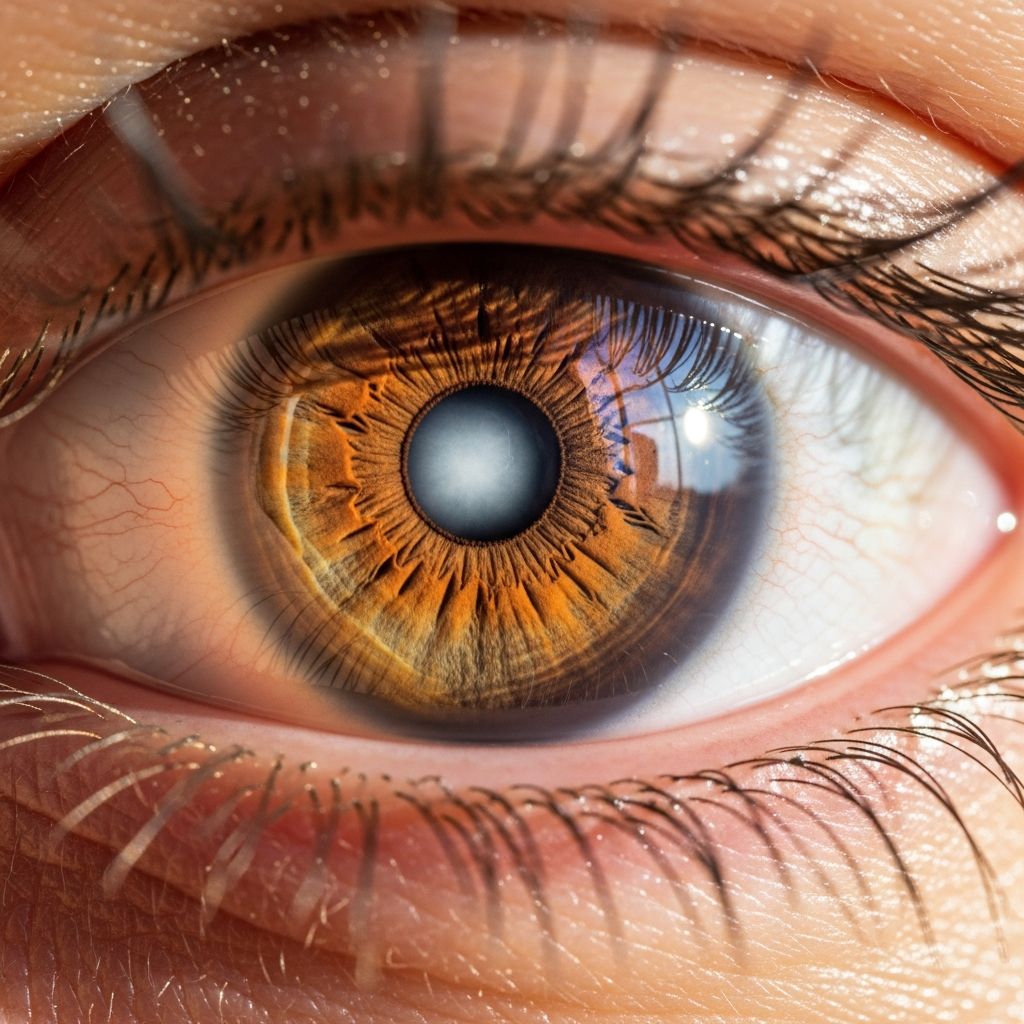
Cataracts occur when the eye’s natural lens becomes cloudy, progressively impairing vision and making daily tasks challenging. This condition primarily affects people over age 50, with surgery offering a highly effective treatment to restore clear sight.
What Are Cataracts?
A
cataract
is a clouding of the eye’s lens, the clear structure behind the iris that focuses light onto the retina for sharp vision. As proteins in the lens break down with age, they clump together, forming opaque patches that scatter light and blur images, akin to viewing through a foggy window.The lens, composed mainly of crystallin proteins, maintains flexibility in youth but hardens and clouds over decades. Early changes may start around age 40, though noticeable symptoms often emerge after 60. Globally, cataracts affect about 17% of people, causing vision impairment, with higher rates in low-income regions due to limited surgical access.
In the U.S., nearly 1 in 5 adults aged 65-74 have vision-affecting cataracts, rising to over 50% in those over 80. They are the leading cause of reversible blindness worldwide, but timely surgery prevents most cases from progressing to total vision loss.
Symptoms of Cataracts
Cataract symptoms develop gradually, often bilaterally but asymmetrically, starting subtly and worsening over years. Common signs include:
- **Blurry or cloudy vision**: Like peering through fog, affecting near and far sight.
- **Faded colors**: Tints appear washed out or yellowish.
- **Glare sensitivity**: Halos around lights, especially at night, complicating driving.
- **Poor night vision**: Difficulty discerning contrasts in low light.
- **Frequent prescription changes**: Temporary myopia shifts before full blurring sets in.
- **Double vision in one eye**: Monocular diplopia from lens opacities.
Cataracts rarely cause pain but heighten fall risks via impaired depth perception. Early symptoms mimic aging, delaying diagnosis; regular eye exams detect them via slit-lamp views of lens clouding.
Causes and Risk Factors
Age-related (senile) cataracts account for 90% of cases, driven by oxidative stress, protein clumping, and lens fiber degradation. Other causes include:
- Genetics/Family history: Earlier onset in predisposed families.
- Medical conditions: Diabetes accelerates via sorbitol accumulation; also steroids, radiation.
- Trauma/Injury: Blunt force or chemical exposure.
- Congenital: From maternal infections like rubella during pregnancy.
- Environmental: UV exposure, smoking, excessive alcohol.
Risk factors cluster into genetic, medical (e.g., hypertension), and lifestyle categories. Prolonged sun exposure without UV protection doubles odds, while antioxidants may mitigate oxidative damage.
Types of Cataracts
Cataracts are classified by location within the lens layers (nucleus, cortex, capsule). Multiple types often coexist:
| Type | Location | Characteristics | Progression/Symptoms |
|---|---|---|---|
| Nuclear | Center (nucleus) | Slow-growing, common in elderly | Myopia shift, distant blur > near; yellow-brown lens. |
| Cortical | Outer cortex | Spoke-like opacities | Glare, scatter; radial wedge shapes. |
| Posterior Subcapsular (PSC) | Back capsule | Fast-progressing | Glare, near-vision loss; hits younger diabetics. |
| Congenital | Varies | Present at birth | From infections; may resolve or require early surgery. |
| Traumatic/Secondary | Varies | Injury/drug-induced | Variable onset post-event. |
Nuclear types progress slowest, PSC fastest, often in under 60s.
Diagnosis
Diagnosis starts with a comprehensive dilated eye exam. Key tests include:
Related Stories



- Visual acuity: Snellen chart for sharpness.
- Slit-lamp biomicroscopy: Illuminates lens opacities.
- Retinal exam: Rules out co-conditions like AMD.
- Glare testing/Pinhole: Quantifies disability.
- Biometry: Pre-surgery IOL power calculation.
No blood tests needed; history assesses risks. Early detection via annual exams post-40 prevents lifestyle disruptions.
Treatment Options
Until vision impairs daily life, monitor with updated glasses or brighter lighting. Surgery is the sole definitive cure, recommended when cataracts hinder reading, driving, or safety.
Cataract Surgery
**Phacoemulsification** is standard: A 2-3mm incision allows ultrasound to emulsify and aspirate the nucleus/cortex, leaving the capsule intact. A foldable IOL is injected into the bag.
- Outpatient, 15-30 minutes per eye.
- 95-98% success; complications <1% (infection, retinal detachment).
- Monovision or premium IOLs for presbyopia/astigmatism.
Laser-assisted (femtosecond) enhances precision for complex cases but isn’t superior routinely.
Recovery and What to Expect
Post-op vision improves within days; full stabilization in 4-6 weeks. Instructions:
- Avoid rubbing/strenuous activity 1-2 weeks.
- Shield from dust/water; use prescribed drops (steroid/antibiotic) 4 weeks.
- Expect mild blur/floaters initially; 90% achieve 20/40+ vision.
Follow-up at 1 day, 1 week, 1 month. Posterior capsule opacification (PCO, 20% risk) laser-treated easily.
Prevention and Lifestyle Tips
While aging is inevitable, mitigate risks:
- UV-protective sunglasses/hat.
- Quit smoking; limit alcohol.
- Manage diabetes/hypertension.
- Antioxidant-rich diet (vitamins C/E, lutein).
- Annual eye exams post-40.
Frequently Asked Questions (FAQs)
Are cataracts preventable?
Age-related cataracts aren’t fully preventable, but UV protection, no smoking, and blood sugar control reduce risk and delay onset.
Can cataracts return after surgery?
No, the natural lens is removed permanently; rare PCO mimics recurrence but is quickly fixed with YAG laser.
Is cataract surgery painful?
Anesthetic drops numb the eye; mild pressure felt, no pain. Sedation optional for anxiety.
How do I know if I need surgery?
When vision impairs driving, reading, or safety despite glasses—consult your ophthalmologist.
Can both eyes be operated on together?
Usually sequentially, 1-4 weeks apart for safety.
References
- Overview: Cataracts – InformedHealth.org — NCBI Bookshelf. 2017 (updated 2023). https://www.ncbi.nlm.nih.gov/books/NBK390302/
- Cataracts: Signs, Symptoms & Treatment — Cleveland Clinic. 2024-05-15. https://my.clevelandclinic.org/health/diseases/8589-cataracts-age-related
- How Cataracts Affect Daily Life and When It’s Time for Surgery — Ramco Health. 2024. https://ramchealth.com/news/how-cataracts-affect-daily-life-and-when-its-time-for-surgery/
- The Importance of Cataract Awareness at All Ages — Versant Health. 2023-10-10. https://versanthealth.com/blog/the-importance-of-cataract-awareness-at-all-ages/
Similar Articles








Read full bio of medha deb