Cataracts Symptoms: Signs, Causes, Treatment Guide
Recognize the early signs of cataracts, from blurry vision to light sensitivity, and learn when to seek treatment for clearer sight.
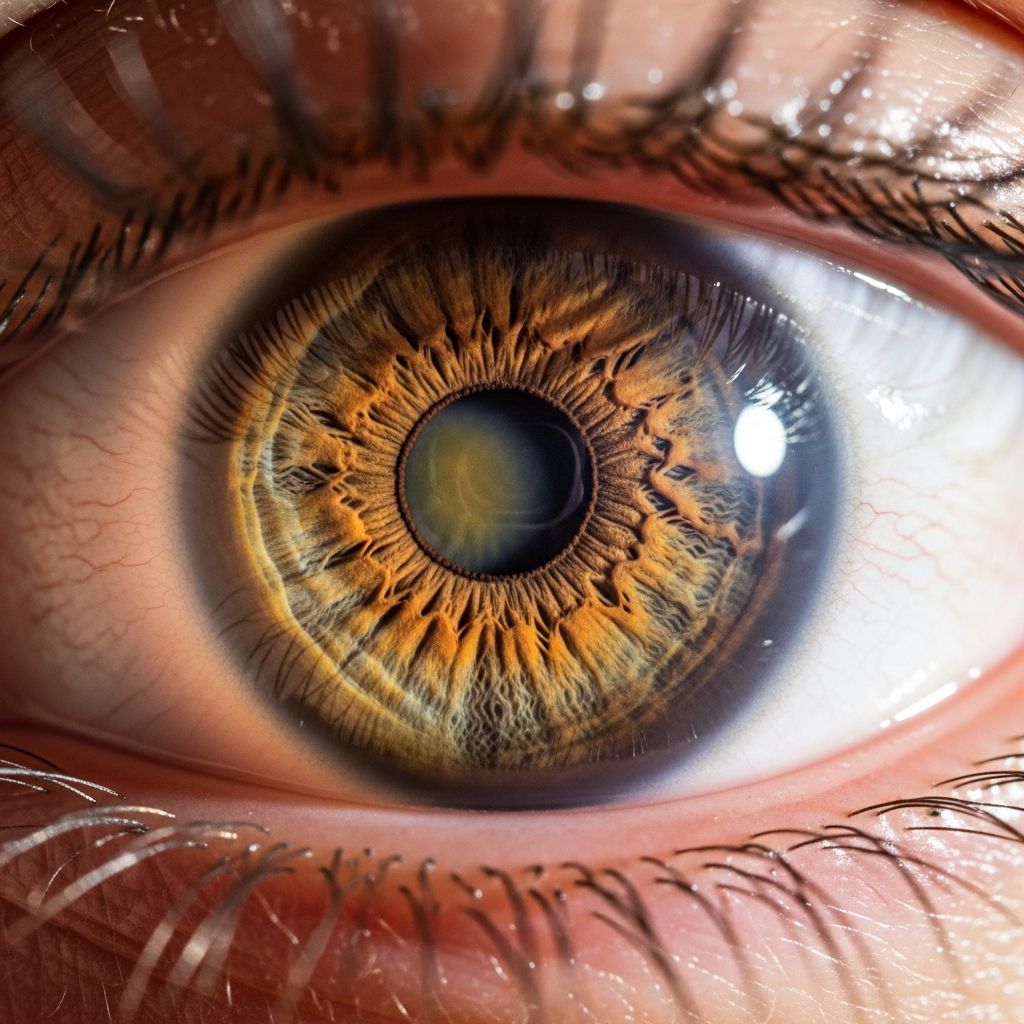
Cataracts develop when the lens of the eye becomes cloudy, leading to gradual vision impairment that affects daily activities. This condition is the leading cause of blindness worldwide, primarily in older adults, but it is highly treatable through surgery.
What Are Cataracts?
A
cataract
is a clouding of the eye’s natural lens, which lies behind the iris and pupil. The lens normally focuses light onto the retina to produce clear images, but proteins within it break down and clump together over time, creating opaque areas that scatter light and blur vision.Most cataracts form due to aging, with proteins beginning to degrade around age 40, though symptoms often appear after 60. By age 80, over half of Americans have cataracts or have undergone surgery to remove them. While common, untreated cataracts can lead to significant vision loss, making early detection crucial.
Cataracts can affect one or both eyes but do not spread between them. They progress slowly, starting small and imperceptible before interfering with reading, driving, or recognizing faces.
Types of Cataracts
Cataracts are classified by their location within the lens or underlying cause. Understanding these types helps in diagnosis and treatment planning.
- Nuclear cataracts: Form in the lens nucleus (center), common in age-related cases, causing progressive yellowing and hardening, leading to nearsightedness or “second sight.”
- Cortical cataracts: Develop in the lens cortex (outer layer), appearing as wedge-shaped opacities radiating from the edge, often causing glare and light scattering.
- Posterior subcapsular cataracts (PSC): Occur at the back of the lens capsule, progressing rapidly and causing glare, halos around lights, and blurred near vision, frequently linked to diabetes or steroid use.
- Congenital cataracts: Present at birth or in early childhood, due to genetic factors, infections during pregnancy, or metabolic diseases.
- Traumatic cataracts: Result from eye injuries, surgery, or radiation exposure.
Age-related types (nuclear, cortical, PSC) account for most cases, but multiple types can coexist in one lens.
Cataracts Symptoms: Early Warning Signs
Early cataracts may cause no noticeable issues, but as they grow, symptoms emerge and worsen. Common
cataracts symptoms
include:- Blurry, cloudy, or foggy vision, like looking through a dirty window.
- Faded or yellowed colors, reducing vibrancy in everyday sights.
- Poor night vision, making driving after dark hazardous.
- Increased sensitivity to light, glare from headlights, sun, or lamps.
- Halos or rings around lights, especially at night.
- Double vision (monocular diplopia) in one eye, which may resolve as the cataract enlarges.
- Frequent changes in glasses or contact lens prescriptions.
- Difficulty with fine tasks like reading or threading a needle.
These symptoms typically develop gradually and may affect both eyes unequally. If you experience them, consult an eye doctor promptly, as they could indicate other conditions like macular degeneration or glaucoma.
What Causes Cataracts?
The primary cause is aging: lens proteins oxidize and aggregate, forming cloudy patches. Around age 40, natural changes begin, accelerating after 60.
Other risk factors include:
- Medical conditions: Diabetes doubles risk by promoting sorbitol accumulation in the lens; hypertension and obesity contribute.
- Genetics: Family history increases susceptibility.
- Environmental factors: Prolonged UV exposure without protection; smoking triples risk by generating free radicals.
- Medications and habits: Long-term corticosteroids; excessive alcohol.
- Eye trauma or prior surgery: Injuries or procedures like glaucoma treatment.
Related Stories



Globally, 17% of people have vision-impairing cataracts, with higher rates in low-income regions due to limited access to care.
Who’s at Risk for Cataracts?
Anyone can develop cataracts, but risk escalates with age. Key groups include:
- People over 60, especially 80+ (over 50% affected).
- Those with diabetes or family history.
- Smokers, heavy drinkers, or UV-exposed individuals without sunglasses.
- People in developing regions with poor healthcare access.
Preventive steps like quitting smoking, managing diabetes, and wearing UV-protective eyewear can delay onset.
How Are Cataracts Diagnosed?
Diagnosis occurs during a comprehensive dilated eye exam by an ophthalmologist or optometrist. The process includes:
- Visual acuity test to measure clarity at various distances.
- Slit-lamp exam: Reveals lens clouding under magnification.
- Dilated pupil exam: Drops widen pupils for internal eye inspection.
- Retinal exam: Checks for coexisting issues.
- Refraction assessment: Determines prescription changes.
Adults 60+ should get exams every 1-2 years; those 40+ with risk factors annually.
Treatment Options for Cataracts
No medications or eyedrops reverse cataracts; surgery is the only cure. Early management includes:
- Brighter lighting for tasks.
- Anti-glare sunglasses and hats outdoors.
- Magnifying glasses for reading.
- Updated eyeglass prescriptions.
Surgery is recommended when vision impairs daily life (e.g., driving). It’s outpatient, safe (success rate >90%), replacing the cloudy lens with an artificial intraocular lens (IOL).
| Aspect | Details |
|---|---|
| Procedure Time | 10-20 minutes per eye |
| Anesthesia | Local/topical |
| Recovery | Vision improves in days; full healing 4-8 weeks |
| Risks | Infection (<0.1%), retinal detachment (rare) |
Post-surgery: Use prescribed drops, avoid rubbing eyes, wear shields at night. Most resume normal activities quickly.
Prevention and Lifestyle Tips
While inevitable with age, you can slow progression:
- Wear UV-blocking sunglasses and hats.
- Eat antioxidant-rich foods (leafy greens, fruits).
- Quit smoking and limit alcohol.
- Control diabetes and blood pressure.
- Regular eye exams.
When to See a Doctor
Seek immediate care for sudden vision changes, pain, or post-surgery issues like flashes, floaters, or curtain-like vision loss (possible retinal detachment).
Frequently Asked Questions (FAQs)
What are the first signs of cataracts?
Early signs include blurry vision, faded colors, and glare sensitivity, worsening over time.
Can cataracts be prevented?
Not entirely, but UV protection, healthy diet, no smoking, and diabetes control help delay them.
Is cataract surgery painful?
No, local anesthesia ensures comfort; mild post-op discomfort resolves quickly.
How quickly do cataracts progress?
Slowly over years, but subcapsular types advance faster.
Can you get cataracts in only one eye?
Yes, though both eyes are often affected asymmetrically.
Latest Research on Cataracts
Ongoing studies explore non-surgical options, early detection via AI imaging, and advanced IOLs for presbyopia correction. NIH-funded research aims at protein stabilization to prevent formation.
References
- Cataracts — National Eye Institute (NIH). Accessed 2026. https://www.nei.nih.gov/eye-health-information/eye-conditions-and-diseases/cataracts
- Cataracts: Signs, Symptoms & Treatment — Cleveland Clinic. 2023-03-07. https://my.clevelandclinic.org/health/diseases/8589-cataracts-age-related
- Five warning signs of cataracts — UTMB Health. 2023-06-19. https://www.utmb.edu/utmb/news-article/health-blog/2023/06/19/cataracts
Similar Articles








Read full bio of medha deb