Catastrophizing: 6 Proven Ways To Break The Cycle
Understand catastrophizing, its impact on pain and anxiety, and evidence-based strategies to break the cycle of negative thinking.

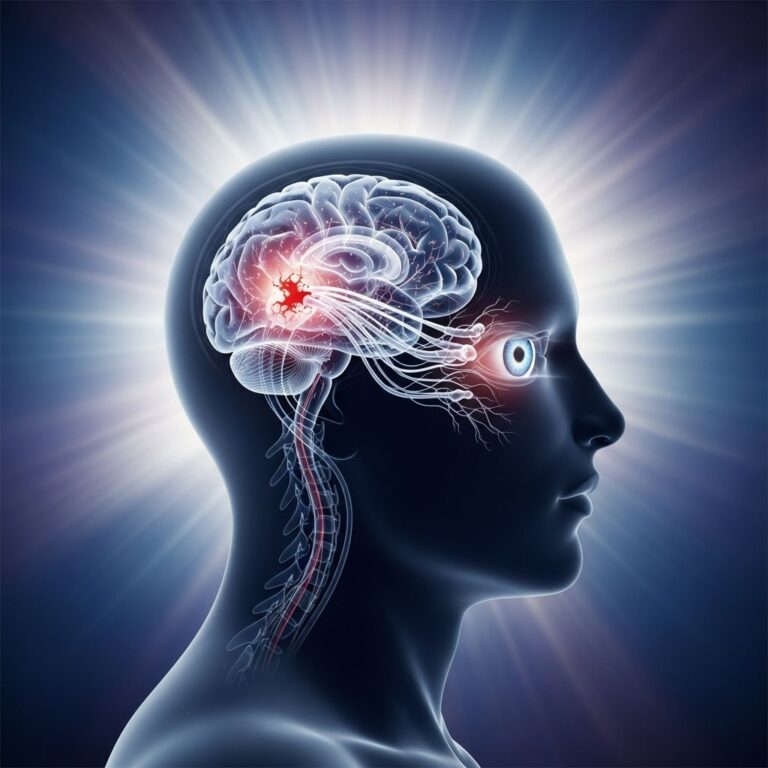
Catastrophizing is a cognitive distortion characterized by exaggerated negative thinking, where individuals anticipate the worst possible outcomes from events or sensations, often magnifying pain, anxiety, or everyday challenges into insurmountable disasters. This pattern significantly impacts mental health, chronic pain management, and overall quality of life, but can be addressed through targeted psychological strategies.
What Is Catastrophizing?
Catastrophizing involves viewing situations as far worse than they are, often spiraling from a minor issue into imagined catastrophe. In psychological terms, it is defined by the American Psychological Association as “exaggerating the negative consequences of events or decisions.” Merriam-Webster describes it as imagining the worst possible outcome of an action or event. In medical contexts, particularly pain management, it refers to an exaggerated negative mental set during actual or anticipated painful experiences, comprising three key dimensions: rumination (can’t stop thinking about pain), magnification (it’s awful and overwhelming), and helplessness (I feel it overwhelms me).
This thinking pattern was first introduced by Albert Ellis in 1962 and adapted by Aaron Beck in 1979 to describe maladaptive cognition in anxiety and depression. In chronic pain, it manifests as heightened focus on pain’s threat value, worry, fear, and inability to divert attention, leading patients to describe sensations in catastrophic terms despite objective evidence.
Catastrophizing and Chronic Pain
Pain-related catastrophizing is strongly linked to worsened pain perception, increased disability, and poorer health outcomes. Studies show it predicts greater pain severity, higher healthcare utilization, and even early mortality in conditions like interstitial cystitis/bladder pain syndrome (IC/BPS). For instance, research on women with IC/BPS found that increased catastrophizing preceded heightened pain over 12 months, with helplessness showing a bidirectional relationship—increases in helplessness predicted more pain, and vice versa.
- Rumination: Persistent dwelling on pain symptoms.
- Magnification: Exaggerating pain’s seriousness or consequences.
- Helplessness: Feeling powerless against pain, amplifying suffering.
Critically, labeling patients as catastrophizers can lead to pain shaming, where providers dismiss pain as “in your head,” eroding trust and exacerbating isolation. With 20 million Americans living with high-impact chronic pain—the leading cause of long-term disability—and chronic pain involved in at least 10% of suicides, such stigma is harmful. Modern neuroscience reveals pain alters brain structure via neuroplasticity and central sensitization, validating patients’ experiences rather than pathologizing thoughts.
Effects of Catastrophizing
Catastrophizing amplifies emotional and physical suffering. It correlates with increased pain intensity, post-operative complications, depression, anxiety, and hopelessness, particularly in youth where it independently predicts depressive disorders. Physiologically, it alters brain activity, intensifying pain signals and stress responses. In pelvic pain patients, it reduces quality of life and drives up costs. Socially, it fosters stigma, with some feeling dismissed due to gendered biases evoking “hysteria.”
| Dimension | Impact on Pain | Example |
|---|---|---|
| Rumination | Pain predicts later rumination | “I can’t stop thinking about how much it hurts.” |
| Magnification | Predicts later pain increases | “I worry something serious may happen.” |
| Helplessness | Bidirectional with pain | “It’s awful and overwhelms me.” |
Real-world example: Failing an exam spirals to “I’m a failure, jobless forever,” ignoring evidence of recovery paths.
Signs You Are a Catastrophizer
- Assuming disaster from minor setbacks (e.g., headache means brain tumor).
- Endless “what if” loops predicting ruin.
- Magnifying flaws into total worthlessness.
- Focusing on worst outcomes, ignoring positives.
- Feeling helpless against problems.
- Physical symptoms like rapid heartbeat from thoughts alone.
Related Stories



These signs often operate unconsciously, rooted in past traumas or low distress tolerance.
Health Impacts of Catastrophizing
Beyond pain, it heightens anxiety, depression risk, and healthcare needs. In chronic pain, it contributes to suicide risk, with data showing 10.2% of U.S. suicides in 2014 linked to pain. It impairs coping, leading to avoidance and isolation. Brain imaging confirms it changes pain processing pathways, making interventions essential.
Treatments for Catastrophizing
Cognitive behavioral therapy (CBT) is gold-standard, teaching recognition and reframing of distortions. Other approaches:
- Mindfulness: Observe thoughts without judgment.
- CBT Techniques: Challenge evidence for catastrophes.
- Exposure Therapy: Gradually face fears.
- Medication: Antidepressants/anxiolytics for co-occurring issues.
- Psychoeducation: Understand the pattern to depower it.
For pain patients, early CBT integration improves outcomes in IC/BPS and beyond.
How to Stop Catastrophizing: 6 Strategies
- Ask Key Questions: “What’s the evidence? Alternatives? Worst/best/most likely?”
- Practice Mindfulness: Note thoughts as passing clouds.
- Use Positive Rumination: Recall past successes.
- Focus on Solutions: Shift from problems to actions.
- Deep Breathing: Ground in present via 4-7-8 technique.
- Journal: Write fears, then realistic rebuttals.
Consistency builds resilience; seek therapy for severe cases.
FAQ
What is catastrophizing?
A cognitive distortion exaggerating negatives into disasters, common in pain/anxiety.
Is catastrophizing the same as worrying?
No—worrying is time-limited; catastrophizing assumes inevitable doom.
Can catastrophizing cause physical pain?
Yes, it heightens pain perception via brain changes.
How does CBT help catastrophizing?
It identifies/reframes distortions, reducing helplessness.
Is catastrophizing a sign of weakness?
No—it’s a learned pattern, treatable with skills.
References
- “Catastrophizing”: A form of pain shaming — U.S. Pain Foundation. 2018-09-12. https://uspainfoundation.org/blog/catastrophizing-a-form-of-pain-shaming/
- It’s all in your head: Managing catastrophizing before it becomes a maladaptive response — Canadian Urological Association Journal (PubMed Central). 2021-10. https://pmc.ncbi.nlm.nih.gov/articles/PMC8525530/
- Chronic Pain May Contribute to Suicide — U.S. CDC National Center for Injury Prevention and Control. 2018-09-12. https://www.cdc.gov/media/releases/2018/p0912-chronic-pain-suicide.html
Similar Articles








Read full bio of Sneha Tete