Catathrenia: Sleep Groaning Causes and Treatment
Understanding nocturnal groaning: symptoms, causes, and effective treatment options for catathrenia.
What Is Catathrenia?
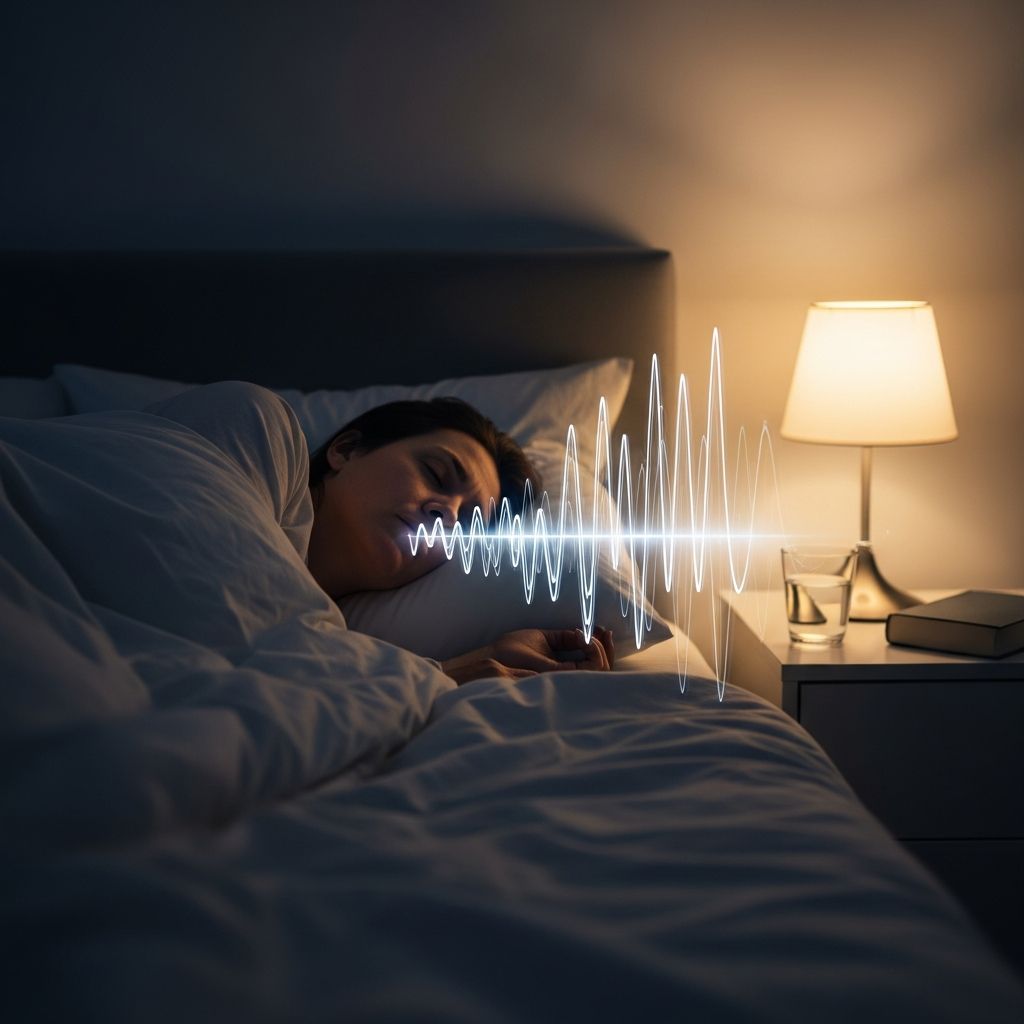
Catathrenia is a rare sleep disorder characterized by prolonged groaning or moaning sounds during sleep, typically occurring during exhalation. Sometimes referred to as nocturnal groaning, this condition is classified as a sleep-related breathing disorder, though it differs significantly from more common sleep conditions like obstructive sleep apnea (OSA). Unlike sleep apnea, catathrenia does not involve actual interruptions in breathing; rather, it features a distinctive breathing pattern consisting of a slow, deep inhalation followed by a long exhalation accompanied by a groaning sound.
The condition is usually chronic and can persist for years, often without the affected individual’s awareness, since the groaning typically does not cause the person to awaken. However, the sounds can be quite disturbing to bed partners or roommates, which often prompts people with catathrenia to seek medical evaluation and treatment.
Understanding the Characteristics of Catathrenia
Catathrenia is marked by several distinctive characteristics that differentiate it from other sleep disorders. The groaning or moaning sounds are typically monotonous and irregular, beginning with a deep inspiration followed by prolonged exhalation. These sounds can be described variously as groaning, moaning, humming, or even roaring, with some individuals characterizing the noise as eerie or “ghostlike.”
The duration and frequency of catathrenia episodes vary considerably among individuals:
- Groaning episodes typically last between a few seconds to nearly one minute
- Episodes may occur multiple times throughout a single night
- Events are likely to occur every night, though some people experience much more infrequent occurrences
- The condition most frequently occurs during REM (Rapid Eye Movement) sleep, though episodes can happen during non-REM sleep as well
Recognizing Catathrenia Symptoms
The primary symptoms of catathrenia are distinctive and relatively easy to identify, though the person experiencing the condition often remains unaware of the sounds they produce. Understanding these symptoms is crucial for early identification and diagnosis.
Main Symptoms
- Long, slow groans or moans during exhalation – The most characteristic symptom, occurring when breathing out rather than breathing in
- Slowed breathing (bradypnea) – Periods of reduced breathing rate during groaning episodes
- Daytime sleepiness – Nearly 45% of catathrenia patients report significant daytime sleepiness
- Morning symptoms – Dry mouth, morning headache, or grogginess upon waking
- Concentration difficulties – Some individuals report trouble concentrating during the day
- Unrefreshing sleep – The sleep does not feel restorative despite appearing to be uninterrupted
- Sore throat – Morning throat discomfort similar to that experienced with other sleep-breathing disorders
Associated Symptoms
Research indicates that while groaning is the primary symptom, other related sounds and phenomena may occur:
- Snoring (reported in about 18% of catathrenia patients)
- Breath holding episodes (reported in approximately 50% of patients)
- Sleep disturbances for bed partners, though not typically for the affected individual
What Causes Catathrenia?
The exact cause of catathrenia remains not entirely understood, making it somewhat of a medical enigma. However, researchers have proposed several theories about potential mechanisms underlying this rare disorder.
Neurological Factors
Some researchers suggest that neurological dysfunction in the part of the brain that controls the respiratory system may cause excessive exhaling during sleep. This hypothesis points to potential abnormalities in the respiratory control center of the brain, which could cause irregular breathing patterns characteristic of catathrenia. The research showing that over 85% of catathrenia episodes occur in tandem with EEG arousals supports the theory that neurological factors play a significant role.
Related Stories



Anatomical Factors
Physical characteristics may contribute to catathrenia development. People with this condition tend to have smaller jaws and smaller upper airways, which may predispose them to the disorder. The distinct breathing pattern observed in catathrenia—characterized by subtotal closure of the glottis during events—may be related to these anatomical variations.
Genetic Predisposition
Genetics may play a role in catathrenia susceptibility. Research indicates that nearly 15% of people experiencing catathrenia have a family history of the problem, suggesting a hereditary component to the condition.
Important Clarification
It is important to note that catathrenia is not linked to any psychological or psychiatric conditions, which clearly distinguishes it from disorders like night terrors or sleepwalking. This classification as a physical sleep-breathing disorder rather than a psychological condition has important implications for diagnosis and treatment.
How Is Catathrenia Diagnosed?
Diagnosis of catathrenia requires clinical evaluation and specialized sleep testing. Since the person with catathrenia is often unaware of the groaning, the condition is frequently identified based on complaints from bed partners or family members who notice the distinctive sounds.
Diagnostic Process
- Clinical History – Discussion of symptoms, family history, and the presentation of complaints from sleep partners
- Polysomnography (Sleep Study) – A comprehensive overnight sleep study is essential for confirming catathrenia diagnosis. This test records brain waves, oxygen levels, heart rate, breathing patterns, and limb movements during sleep
- EEG Monitoring – Electroencephalographic monitoring helps identify the relationship between arousals and groaning episodes
- Airflow Analysis – Examination of characteristic airflow patterns showing inspiration preceding protracted expiration
Differential Diagnosis
Catathrenia is frequently misdiagnosed as obstructive sleep apnea because the symptoms can be similar. However, several key differences distinguish catathrenia from OSA:
| Feature | Catathrenia | Obstructive Sleep Apnea |
|---|---|---|
| Breathing Interruptions | No complete cessation of breathing | Frequent pauses in breathing |
| Primary Sound | Groaning during exhalation | Snoring during inhalation |
| Sleep Stage | Predominantly REM sleep (81%) | Occurs throughout sleep stages |
| Arousal Pattern | 85% associated with EEG arousals | Associated with oxygen desaturation |
| Duration of Events | Few seconds to one minute of groaning | 10-90 second breathing pauses |
Impact on Sleep Quality
Although catathrenia does not typically cause the affected individual to awaken, evidence suggests it may still interfere with sleep quality and restorative sleep. The association with daytime sleepiness in nearly 45% of patients indicates that the condition may impact overall sleep architecture and effectiveness.
The presence of arousals preceding or coinciding with groaning episodes suggests that sleep continuity is being disrupted at the physiological level, even if the person does not consciously experience awakening. This distinction—between physiological sleep disruption and conscious awareness of awakening—is important for understanding catathrenia’s impact on health and wellbeing.
Treatment Options for Catathrenia
Treatment approaches for catathrenia vary in effectiveness and may require personalized strategies based on individual patient characteristics and associated conditions.
CPAP Therapy
Continuous Positive Airway Pressure (CPAP) therapy remains a viable therapeutic option, particularly for patients with catathrenia who also have concurrent obstructive sleep apnea. CPAP works by delivering pressurized air to keep the airway open during sleep, and has shown subjective improvement in some catathrenia patients. However, long-term adherence to CPAP therapy can be challenging for catathrenia patients without accompanying OSA.
Pharmacological Treatment
Sleep-consolidating medications have shown promise in catathrenia management. These medications work by promoting deeper, more consolidated sleep and reducing arousals, which may help prevent catathrenia episodes. However, similar to CPAP therapy, long-term adherence to pharmacological treatments may be limited.
Lifestyle Modifications
While specific lifestyle modifications for catathrenia are not extensively documented, general sleep hygiene improvements may help:
- Maintaining a consistent sleep schedule
- Creating an optimal sleep environment
- Avoiding alcohol and sedatives before sleep
- Managing stress and anxiety
Management Strategies
For individuals whose catathrenia significantly impacts bed partners’ sleep:
- Separate sleeping arrangements may be considered
- Soundproofing measures in the bedroom
- White noise machines to mask groaning sounds
Frequently Asked Questions
Q: Is catathrenia dangerous?
A: Catathrenia itself is not considered dangerous, as it does not involve actual cessation of breathing. However, the associated daytime sleepiness and potential sleep quality reduction warrant medical evaluation and monitoring.
Q: Can catathrenia go away on its own?
A: Catathrenia is typically a chronic condition that persists for years without treatment. There is no documented natural resolution, making medical intervention important for symptom management.
Q: How common is catathrenia?
A: Catathrenia is considered a rare sleep disorder. Research on the largest series to date identified 38 confirmed cases, indicating its uncommon nature compared to other sleep disorders.
Q: Can children have catathrenia?
A: Yes, both adults and children can experience catathrenia, though it is uncommon in pediatric populations. The average age at diagnosis is approximately 33 years.
Q: Should I seek treatment if I have catathrenia?
A: If you or your bed partner notice groaning during sleep, especially if accompanied by daytime sleepiness or unrefreshing sleep, evaluation by a sleep specialist is recommended for proper diagnosis and management.
Q: How long do catathrenia episodes last?
A: Episodes typically last from a few seconds up to nearly one minute, with groaning sounds occurring during the exhalation phase of each episode.
When to See a Sleep Specialist
Medical evaluation is recommended if you experience or exhibit signs of catathrenia, particularly if:
- A bed partner reports consistent groaning during sleep
- You experience daytime sleepiness or difficulty concentrating
- You notice unrefreshing sleep despite adequate sleep duration
- You have morning headaches or dry mouth
- You have a family history of sleep-related groaning
A sleep specialist can conduct appropriate diagnostic testing, including polysomnography, to confirm catathrenia and rule out other sleep disorders such as obstructive sleep apnea.
Conclusion
Catathrenia remains a rare and poorly understood sleep-related breathing disorder characterized by distinctive groaning or moaning sounds during sleep, most commonly occurring during REM sleep. While the exact cause remains uncertain, research suggests neurological dysfunction, anatomical factors, and genetic predisposition may all contribute to its development. Although catathrenia does not involve actual breathing cessation, the associated daytime sleepiness and potential impact on sleep quality make proper diagnosis and treatment important. With options including CPAP therapy and sleep-consolidating medications, individuals with catathrenia can work with sleep specialists to manage symptoms and improve overall sleep quality and daytime functioning.
References
- Catathrenia as a REM predominant disorder of arousal — National Center for Biotechnology Information (NCBI), PubMed Central. 2019. https://pmc.ncbi.nlm.nih.gov/articles/PMC6554196/
- Groaning in Sleep and Sleep Apnea: Catathrenia — Sleep Care Online. https://www.sleepcareonline.com/articles/groaning-in-sleep/
- Catathrenia: The Little-Known Sleep Disorder That Could Be Affecting Your Rest — Sonnos Sleep Center. https://sonnosleepcenter.com/catathrenia-the-little-known-sleep-disorder-that-could-be-affecting-your-rest/
- Catathrenia Symptoms and Treatment — Baptist Health. https://www.baptisthealth.com/care-services/conditions-treatments/catathrenia
- Catathrenia: Causes of Groaning in Your Sleep — Healthline. https://www.healthline.com/health/sleep/catathrenia
- Catathrenia: Why Do I Moan in My Sleep? — Sleep Foundation. https://www.sleepfoundation.org/sleep-related-breathing-disorders/catathrenia
Similar Articles








Read full bio of Sneha Tete