Catatonic Schizophrenia: Symptoms, Treatment & Diagnosis
Understanding catatonic schizophrenia: symptoms, causes, and effective treatment options available today.

Understanding Catatonic Schizophrenia
Catatonic schizophrenia is a term that has become obsolete in modern psychiatric practice. Mental health experts no longer recognize it as a specific diagnostic category, though the condition itself remains clinically significant. Instead of referring to “catatonic schizophrenia,” healthcare providers now diagnose schizophrenia and note catatonia as an additional feature or specifier. This shift reflects a broader evolution in how psychiatry understands and classifies mental health conditions. Understanding this distinction is important for patients and families navigating mental health care, as it affects how diagnosis is documented and how treatment is approached.
Schizophrenia is fundamentally a condition that disrupts how the brain processes information, particularly affecting thinking, focus, memory, and sensory perception. When catatonia occurs alongside schizophrenia, it creates a particularly distinctive clinical presentation characterized by extreme changes in movement and responsiveness. These changes can range from complete immobility and unresponsiveness to periods of intense, unpredictable activity. Most individuals experience presentations somewhere between these extremes, but the defining feature remains the profound effect on motor behavior and awareness.
What Is Catatonia?
Catatonia represents a complex neurobehavioral syndrome that affects movement, communication, and responsiveness to the environment. When present with schizophrenia, catatonia becomes a central feature of the clinical picture, distinguishing the presentation from other forms of schizophrenia. Mental health professionals recognize three main forms of catatonia: excited, withdrawn, and mixed types.
The Withdrawn Form
The immobilizing or withdrawn form of catatonia is the more commonly observed presentation. This manifestation includes several characteristic behaviors and symptoms that mental health professionals use to guide diagnosis and treatment planning. Individuals experiencing withdrawn catatonia may exhibit:
- Mutism (complete inability or refusal to speak)
- Stupor (minimal responsiveness to external stimuli)
- Waxy flexibility (slight resistance to movement, where limbs maintain positioned poses)
- Negativism (consistent refusal to follow instructions or respond to requests)
- Posturing (maintaining striking or unusual body positions)
- Stereotyped movements (repetitive, purposeless motions)
- Automatic obedience (mechanically following commands without apparent awareness)
- Echolalia (involuntarily repeating words or phrases spoken by others)
- Echopraxia (involuntarily mimicking movements of those nearby)
- Staring and unusual facial expressions or grimacing
These symptoms often leave patients appearing frozen in time, unresponsive to their surroundings. However, research has revealed a crucial insight: many individuals experiencing this immobile form of catatonia remain aware of their environment and can retain memories of events, even when unable to respond or communicate during the episode.
The Excited Form
Excited catatonia presents the opposite extreme, characterized by excessive motor activity and unpredictable, often impulsive behaviors. During excited catatonia episodes, individuals may experience rapid onset of delirium, manic-like states, and psychotic symptoms. This form of catatonia requires urgent attention because it can lead to dangerous complications, including hyperthermia (dangerously elevated body temperature), autonomic nervous system dysfunction, and behaviors that pose risks to the individual or those around them.
The Mixed Form
Mixed catatonia combines elements of both withdrawn and excited presentations. Individuals may cycle between periods of complete immobility and responsiveness, suddenly shifting into hyperactive, impulsive, or even violent behavior. These unpredictable transitions add complexity to treatment planning and require close clinical monitoring.
Related Stories



How Schizophrenia with Catatonia Develops
Schizophrenia typically progresses through distinct phases, but when catatonia is present, the condition often develops and worsens more rapidly than uncomplicated schizophrenia. Most cases of schizophrenia involving catatonia develop acutely and progress quickly, sometimes over days or weeks rather than the gradual onset seen in other schizophrenia presentations.
The interplay between schizophrenia symptoms and catatonia creates a unique clinical trajectory. The psychotic features of schizophrenia—such as delusions and hallucinations—combine with the motor and behavioral manifestations of catatonia, creating a particularly challenging presentation that requires coordinated, multifaceted treatment approaches.
Recognizing Symptoms and Clinical Presentation
The symptoms of schizophrenia with catatonia affect multiple domains of functioning. Beyond the movement-related symptoms already described, individuals may experience several related manifestations that compound the difficulty of daily living:
- Refusal to eat or drink, leading to nutritional complications
- Lack of awareness or insight into their condition
- Inability to maintain personal hygiene
- Social withdrawal and isolation
- Difficulty with employment and educational pursuits
- Impaired ability to maintain relationships and friendships
- Risk of self-harm or suicidal ideation
- Potential dangerous or violent behavior during excited catatonia episodes
When schizophrenia remains untreated, particularly when catatonia is present, these disruptions can become severe and long-lasting, affecting every aspect of a person’s life and social functioning.
Diagnostic Criteria and Classification
Modern diagnostic approaches have evolved significantly in how catatonia is identified and classified. The Diagnostic and Statistical Manual of Mental Disorders (DSM-5) establishes that catatonia can be diagnosed when at least three of twelve specific behaviors are present for a period of one hour or longer. These diagnostic criteria provide standardized guidance for mental health professionals worldwide.
Various subtypes of catatonia have been recognized in clinical practice:
- Periodic catatonia: Symptoms that come and go over time
- Malignant catatonia: A severe form affecting the entire body with potentially life-threatening consequences
- Neuroleptic malignant syndrome: A dangerous reaction to antipsychotic medications
- Toxic serotonin syndrome: A reaction to certain mood-disorder medications
- Excited catatonia: Characterized by rapid onset of delirium, mania, and psychosis
- Benign stupor: A less severe form of reduced responsiveness
- Oneirophrenia: A dreamlike state with difficulty assessing reality
Accurate diagnosis requires careful clinical assessment, often including neuroimaging studies, particularly in cases of new-onset symptoms or atypical age of presentation. Healthcare providers may order CT scans or other imaging to rule out underlying medical or neurological conditions that could mimic catatonia symptoms.
Treatment Approaches for Schizophrenia with Catatonia
Schizophrenia is typically manageable with proper treatment, though not curable. When catatonia is present, treatment requires specific modifications to standard schizophrenia management. Two primary treatment modalities are used:
Medication Management
Antipsychotic medications form the foundation of schizophrenia treatment. However, when catatonia accompanies schizophrenia, medication selection and dosing may require adjustment. First-generation antipsychotics have traditionally been used, though second-generation medications may also be employed depending on individual patient factors and response patterns.
Electroconvulsive Therapy (ECT)
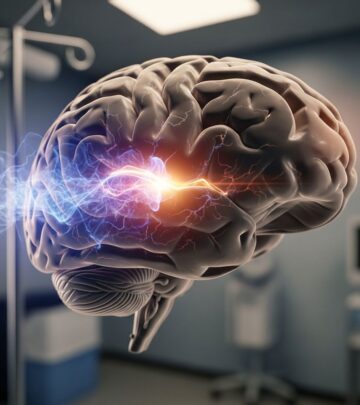
Electroconvulsive therapy represents a crucial treatment option, particularly for severe presentations. ECT is frequently the first-line treatment for malignant catatonia and delirious catatonia because these forms carry serious health risks requiring rapid intervention. During ECT, a patient receives brief electrical pulses to the brain while under anesthesia, a procedure that can produce rapid resolution of catatonic symptoms.
ECT may cause side effects including temporary confusion and short-term memory difficulties, but these typically resolve as the brain heals. For patients with life-threatening catatonia, the benefits of ECT often outweigh these temporary effects.
Special Considerations: Malignant Catatonia
Malignant catatonia represents the most dangerous form of catatonia and requires immediate medical attention. This severe subtype can cause dangerously elevated body temperatures and disrupt the autonomic nervous system—the system that automatically regulates vital functions such as breathing, heart rate, and blood pressure without conscious thought.
The combination of these complications makes malignant catatonia potentially fatal if left untreated. Early recognition and aggressive treatment, typically beginning with ECT rather than medication alone, offers the best chance for survival and recovery.
Treatment Outcomes and Prognosis
Schizophrenia with catatonia generally responds well to appropriate treatment, with outcomes ranging from fair to good, especially when diagnosis and intervention occur promptly. The speed of recognition and initiation of treatment significantly influences the trajectory and ultimate outcomes.
However, catatonic schizophrenia tends to be more difficult to treat than catatonia occurring alongside other mental health conditions. This complexity reflects the interaction between psychotic symptoms and motor dysfunction, requiring coordinated management of multiple symptom domains.
With proper medical care and ongoing support, many individuals with schizophrenia can manage their condition effectively and build fulfilling, enjoyable lives. Recovery is possible, and many people benefit from a combination of pharmacological treatment, psychosocial support, and rehabilitation services.
Can Catatonic Schizophrenia Be Prevented?
Schizophrenia, including presentations with catatonia, occurs unpredictably, making prevention extremely difficult. Current scientific understanding indicates that genetic, neurobiological, and environmental factors interact in ways that are not yet fully understood. Therefore, it remains impossible to prevent schizophrenia or significantly reduce individual risk of developing it, emphasizing the importance of early recognition and treatment when symptoms emerge.
Living with Schizophrenia and Catatonia
Individuals with untreated schizophrenia and catatonia often experience significant life disruption. Many struggle to maintain employment, friendships, and meaningful relationships. Some individuals unconsciously or consciously attempt self-medication through alcohol or substance use, which can lead to co-occurring alcohol and substance use disorders, complicating treatment and recovery.
With proper treatment and support systems, however, the trajectory can be markedly different. Healthcare providers, family members, and support networks play crucial roles in facilitating recovery and helping individuals rebuild their lives.
Frequently Asked Questions
Q: Is catatonic schizophrenia still used as a diagnosis?
A: No, catatonic schizophrenia is an obsolete term. Mental health professionals now diagnose schizophrenia and note catatonia as a specifier or additional feature. This reflects modern understanding that schizophrenia is better understood as a spectrum of disorders rather than distinct subtypes.
Q: Can people with catatonia hear and understand what’s happening around them?
A: Research indicates that many individuals experiencing catatonia, particularly withdrawn forms, remain aware of their surroundings and can retain memories of events, even when unable to respond or communicate during episodes. However, awareness levels vary among individuals.
Q: Is malignant catatonia life-threatening?
A: Yes, malignant catatonia is potentially dangerous because it can cause dangerously high fevers and disrupt the autonomic nervous system. Without rapid treatment, typically beginning with ECT, this form of catatonia can be fatal. Immediate medical attention is essential.
Q: What should I do if someone shows signs of catatonia?
A: If you observe signs of catatonia in yourself or someone else, seek medical attention immediately. Early diagnosis and prompt treatment with medication or brain stimulation are critical for preventing serious complications and achieving better outcomes.
Q: Can people recover from schizophrenia with catatonia?
A: Yes, recovery is possible with appropriate medical care and support. While schizophrenia is not curable, it is usually treatable and manageable. Many individuals with schizophrenia, including presentations with catatonia, can manage their condition effectively and lead fulfilling lives with proper treatment.
Q: What are the side effects of ECT?
A: Electroconvulsive therapy may cause temporary confusion and short-term memory loss, but these side effects typically resolve as the brain heals. The benefits of ECT for serious catatonia often outweigh these temporary effects.
References
- Catatonic Schizophrenia: What It Is, Symptoms & Treatment — Cleveland Clinic. 2024. https://my.clevelandclinic.org/health/diseases/23499-catatonic-schizophrenia
- Catatonic Schizophrenia — Britannica Academic Encyclopedia. 2024. https://www.britannica.com/science/catatonic-schizophrenia
- Catatonic Schizophrenia: Symptoms, Causes, Treatment and More — WebMD. 2024. https://www.webmd.com/schizophrenia/mental-catatonic-schizophrenia-overview
- Diagnostic and Statistical Manual of Mental Disorders — American Psychiatric Association. 2013. Fifth Edition (DSM-5).
- Catatonia: Definition, Causes, Symptoms & Treatment — Cleveland Clinic. 2024. https://my.clevelandclinic.org/health/diseases/23503-catatonia
Similar Articles








Read full bio of medha deb