Cat’s Claw: Evidence, Benefits, Risks, And Dosage Guide
Explore cat's claw herb benefits, uses, and safety considerations backed by scientific research.
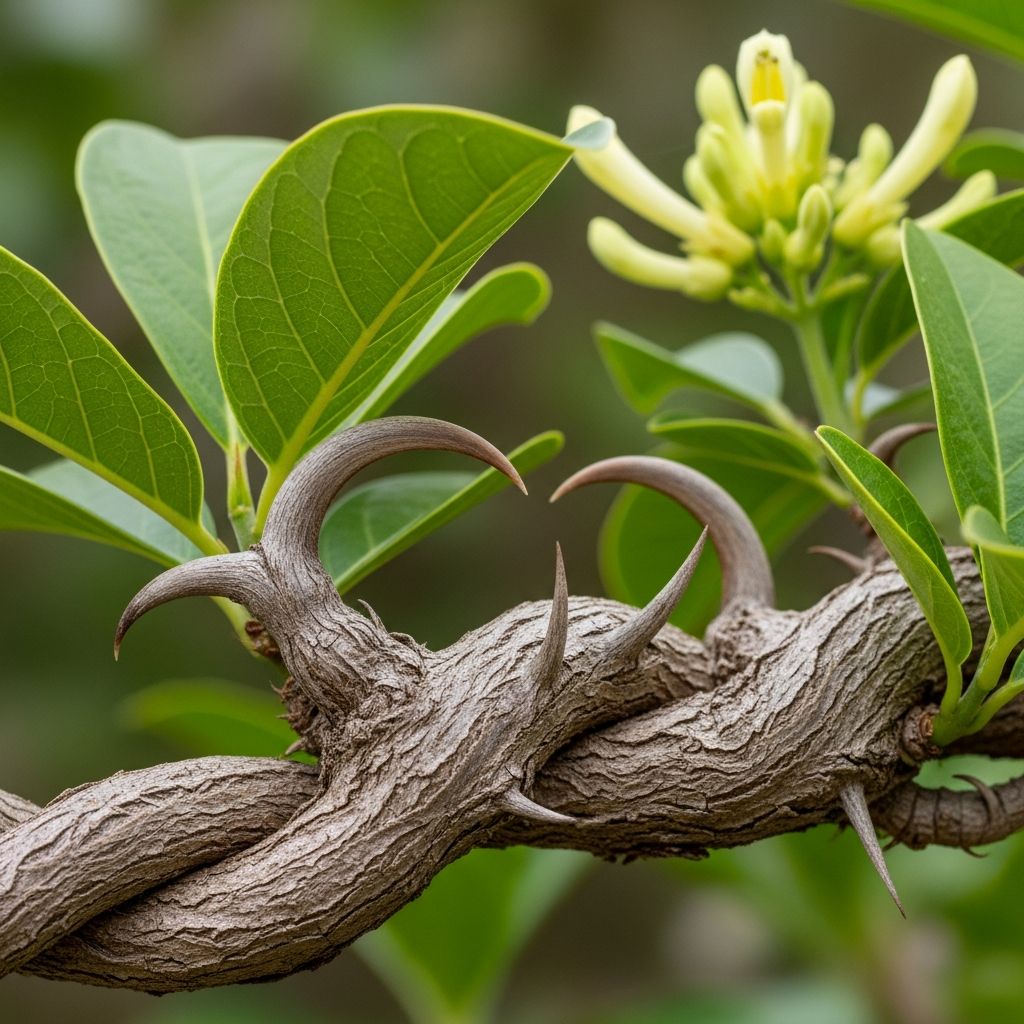
Cat’s claw, scientifically known as Uncaria tomentosa, is a woody vine native to the Amazon rainforest and other tropical areas of South America, particularly the Andes Mountains. The herb derives its common name from the curved thorns at the base of its leaves, which resemble the claws of a cat. For centuries, indigenous peoples have traditionally used cat’s claw in folk medicine to address various health conditions. In recent decades, this botanical has gained significant popularity in North America and Europe as a complementary health approach. However, despite its widespread use, the scientific evidence supporting many claimed benefits remains limited and inconclusive.
What Is Cat’s Claw?
Cat’s claw is extracted from the bark and roots of the Uncaria tomentosa vine. The plant contains numerous bioactive compounds, including alkaloids, glycosides, and polyphenols, which are believed to contribute to its medicinal properties. Different extraction methods—such as aqueous extracts, hydroethanolic extracts, and freeze-dried preparations—can yield varying concentrations of these active constituents. Traditional preparations include decoctions and infusions made from the plant material, while modern supplements often feature standardized extracts designed to provide consistent levels of key compounds.
Traditional Uses and Historical Background
Indigenous Amazonian peoples have employed cat’s claw for generations to support immune function, reduce inflammation, and promote overall wellness. Traditional applications included treating arthritis, digestive issues, and various inflammatory conditions. Peruvian traditional medicine practitioners incorporated cat’s claw into their healing practices, recognizing its potential anti-inflammatory properties. As ethnobotanical knowledge spread and scientific interest grew, cat’s claw supplements became increasingly available in health food stores and pharmacies throughout North America. However, the transition from traditional use to modern supplementation has outpaced rigorous scientific validation.
How Cat’s Claw May Work
Research has identified several mechanisms through which cat’s claw components may exert biological effects:
Immune System Modulation
According to laboratory studies, cat’s claw contains oxindole alkaloids that may stimulate immune function by increasing the activity of phagocytes and T-helper cells. These immune cells play crucial roles in identifying and eliminating pathogens. Studies suggest that cat’s claw may enhance white blood cell production and activity, potentially supporting the body’s natural defense mechanisms. A small preliminary study found that men consuming 700 mg of cat’s claw extract for 2 months showed increased white blood cell counts.
Anti-Inflammatory Properties
Laboratory research indicates that compounds in cat’s claw may reduce inflammatory markers, particularly by decreasing the production of inflammatory cytokines such as tumor necrosis factor-alpha (TNF-α) and interleukin-6 (IL-6). A systematic review of in vivo studies found that most extracts decreased NF-κB and IL-6 levels without significantly altering IL-1, IL-10, or TNF-α. The herb appears to work by inhibiting NF-κB signaling, a pathway central to inflammatory responses.
Antioxidant Activity
Cat’s claw extracts demonstrate antioxidant properties in laboratory settings, helping to neutralize harmful free radicals and reduce oxidative stress. Some research suggests these antioxidants may enhance DNA repair mechanisms, potentially offering cellular protection against damage from environmental stressors.
Potential Health Applications
Arthritis and Joint Health
One of the most studied applications of cat’s claw involves its potential benefits for arthritis. A purified extract showed modest benefits in patients with active rheumatoid arthritis, with reductions in painful joints, morning stiffness, pain intensity, and joint edema. Studies examining osteoarthritis have yielded mixed results. While some research suggests cat’s claw may reduce pain and improve function, other studies found limited effects on pain at rest or knee swelling. An eight-week study combining cat’s claw and maca root supplementation reduced pain and stiffness in people with osteoarthritis, with participants reporting decreased need for pain medications.
Related Stories



Immune Support and Infections
Preliminary laboratory and small human studies suggest cat’s claw may enhance immune responses through increased white blood cell production and improved immune cell function. However, most evidence comes from in vitro studies or very small human trials, limiting the ability to draw firm conclusions about effectiveness for preventing or treating infections.
Cancer and Chemotherapy Support
Laboratory investigations have identified potential anticancer properties in cat’s claw compounds, with some studies showing inhibition of specific cancer cell lines, including breast cancer cells. A small case report documented decreased urinary cancer markers in a cigarette smoker taking freeze-dried cat’s claw extract for one month. Small studies suggest cat’s claw might help protect against abnormally low white blood cell counts in patients receiving certain cancer treatments. However, one laboratory study raised concerns that cat’s claw might stimulate pediatric leukemia cells, highlighting the complexity of its effects. All current cancer-related evidence comes from laboratory or animal studies, with no conclusive human trials demonstrating efficacy or safety.
HIV and AIDS
Standardized extracts of cat’s claw have been tested in small, preliminary trials in people with HIV infection, showing some benefits in potentially preventing CD4 cell count decline and reducing opportunistic infections. However, these findings remain preliminary, and further rigorous research is needed to establish whether cat’s claw provides genuine benefit for people with HIV or AIDS.
Other Proposed Uses
Cat’s claw has been traditionally recommended for various other conditions, including Lyme disease support (through a specific extract called Samento), Alzheimer’s disease prevention, and general gastrointestinal health. However, current scientific evidence supporting these applications remains extremely limited, consisting primarily of laboratory studies or anecdotal reports rather than well-designed human clinical trials.
Safety and Side Effects
Overall, cat’s claw extracts demonstrate low toxicity in laboratory and animal studies. Most commonly reported side effects are generally mild and may include gastrointestinal symptoms such as nausea, diarrhea, or constipation. Some individuals experience dizziness or headaches. The herb’s effect on anxiety appears biphasic, with initial induction of anxiety followed by reversal of this effect with long-term administration, attributed to the presence of alkaloids and flavonols.
Contraindications and Precautions
Pregnant and breastfeeding women should avoid cat’s claw supplementation due to insufficient safety data in these populations. Individuals with autoimmune diseases should use cat’s claw cautiously, as its immune-stimulating effects might theoretically exacerbate autoimmune conditions, though this remains largely theoretical. People taking immunosuppressive medications or preparing for surgery should consult healthcare providers before use. Additionally, cat’s claw may interact with medications, and individuals on prescription therapies should seek medical guidance before supplementation.
Current Scientific Evidence
The National Center for Complementary and Integrative Health (NCCIH) emphasizes that there is no conclusive scientific evidence based on rigorous studies in people that definitively supports using cat’s claw for any specific health purpose. While laboratory and animal studies suggest promising mechanisms of action, human clinical trials remain limited in number, size, and methodological rigor. Most available human studies involve fewer than 100 participants and use varying preparation methods and dosages, making comparison and generalization difficult. Systematic reviews consistently highlight the need for larger, well-designed, randomized controlled trials to establish true efficacy and optimal dosing.
Dosage Considerations
Cat’s claw supplements vary considerably in form and concentration, including capsules, tablets, tinctures, and powdered extracts. Recommended dosages in research studies have ranged from 100 mg to 700 mg daily, typically divided into multiple doses. However, standardized dosage recommendations remain unclear due to limited human trials. The quality and active compound concentration of commercial products can vary significantly between manufacturers. Consumers should select products from reputable manufacturers that provide third-party testing verification and clear labeling of active ingredients and concentrations.
Frequently Asked Questions
Q: Is cat’s claw safe for long-term use?
A: While laboratory studies suggest low toxicity, long-term safety in humans has not been extensively studied. Individuals considering long-term supplementation should consult their healthcare providers.
Q: Can cat’s claw replace conventional arthritis medications?
A: No. While preliminary evidence suggests potential benefits for arthritis symptoms, cat’s claw should not replace prescribed medications without medical guidance. It may be considered as a complementary approach alongside conventional treatment.
Q: Are there different types of cat’s claw supplements?
A: Yes. Cat’s claw comes in various forms including capsules, tablets, powders, and tinctures. Different extraction methods (aqueous, hydroethanolic, freeze-dried) may yield varying potencies and active compound profiles.
Q: Who should avoid cat’s claw?
A: Pregnant women, breastfeeding women, people with autoimmune diseases, and those taking immunosuppressive medications should avoid cat’s claw. Anyone on prescription medications should consult their doctor before use.
Q: What does current research say about cat’s claw effectiveness?
A: Current research demonstrates promising laboratory findings but lacks conclusive human evidence. More rigorous, large-scale clinical trials are needed to establish definitive benefits for any health condition.
Research Gaps and Future Directions
Despite growing interest in cat’s claw, significant research gaps remain. Most studies employ small sample sizes, lack proper control groups, or use non-standardized preparations making results difficult to interpret and replicate. Future research should focus on conducting large, double-blind, placebo-controlled trials using standardized extracts with clearly defined active compounds. Investigations should clarify optimal dosages, treatment duration, patient populations most likely to benefit, and potential long-term effects. Additionally, mechanistic studies should further elucidate how cat’s claw compounds interact with human physiology to produce observed effects.
Conclusion
Cat’s claw represents an interesting botanical with a long history of traditional use and laboratory evidence suggesting potential immune-modulating and anti-inflammatory properties. However, current scientific evidence does not definitively support its use for any specific health condition. While preliminary findings regarding arthritis and immune support appear promising, these results require validation through large-scale human clinical trials. Individuals interested in exploring cat’s claw supplementation should do so under medical supervision, particularly if they have existing health conditions or take medications. As research continues to evolve, a clearer picture of cat’s claw’s true benefits and limitations will likely emerge. Until then, cat’s claw remains best categorized as an investigational botanical supplement with theoretical but unproven clinical benefits.
References
- Cat’s Claw – Health Information Library — PeaceHealth. 2024. https://www.peacehealth.org/medical-topics/id/hn-2064008
- Cat’s Claw — Memorial Sloan Kettering Cancer Center. 2024. https://www.mskcc.org/cancer-care/integrative-medicine/herbs/cat-claw
- A systematic review and meta-analysis of in vivo studies — Frontiers in Pharmacology. 2024. https://www.frontiersin.org/journals/pharmacology/articles/10.3389/fphar.2024.1378408/full
- Cat’s Claw: Usefulness and Safety — National Center for Complementary and Integrative Health (NCCIH). 2024. https://www.nccih.nih.gov/health/cats-claw
- Cat’s Claw – LiverTox — National Center for Biotechnology Information (NCBI) Bookshelf. 2024. https://www.ncbi.nlm.nih.gov/books/NBK548323/
- Cat’s Claw: Benefits, Side Effects, and Dosage — Healthline. 2024. https://www.healthline.com/nutrition/cats-claw
Similar Articles








Read full bio of medha deb