Cauliflower Benefits: 11 Health-Boosting Reasons To Eat More
Discover the impressive health benefits of cauliflower, from cancer prevention to heart health, digestion, and more with this nutrient-packed cruciferous vegetable.
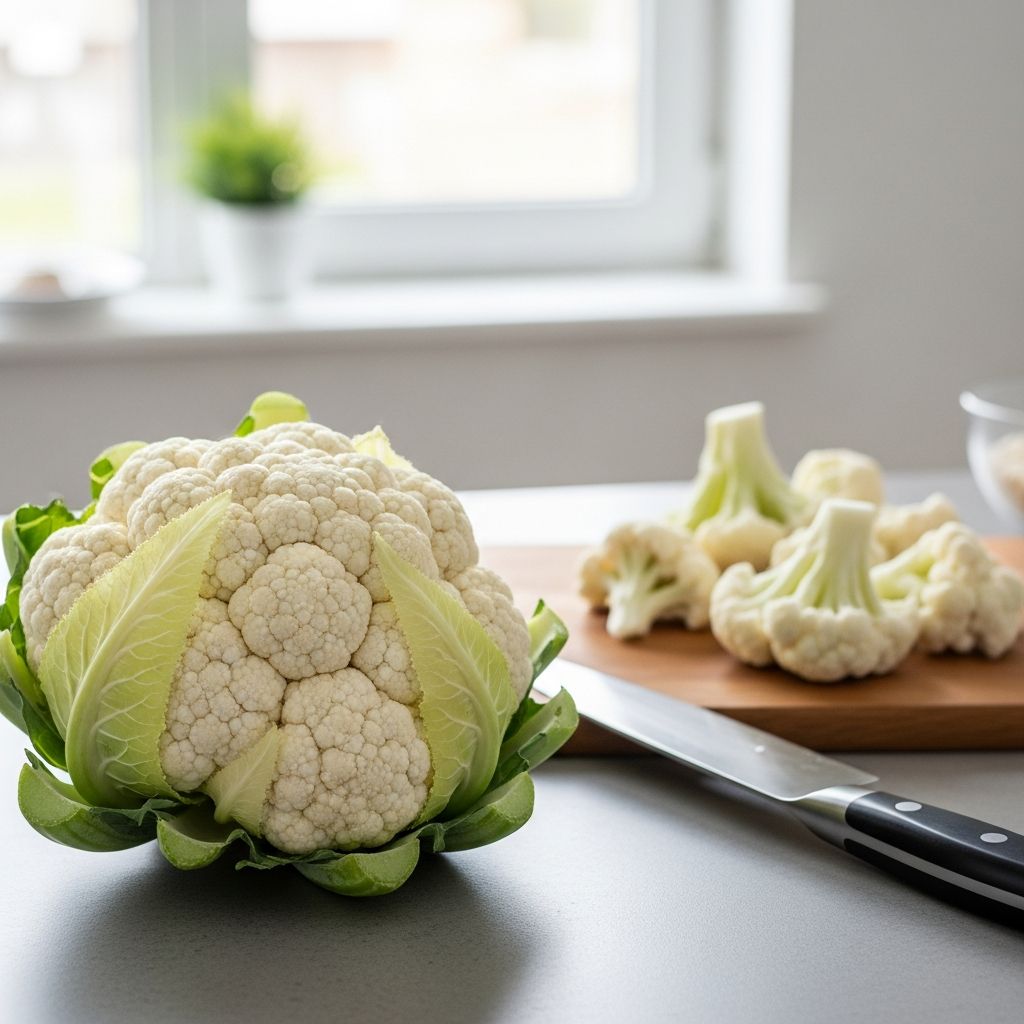
Cauliflower, a versatile cruciferous vegetable from the Brassica oleracea species, rivals its colorful counterparts in nutritional value despite its pale appearance. Rich in vitamins, minerals, fiber, and potent antioxidants, it supports immune function, reduces chronic disease risk, aids digestion, and promotes weight management. This low-calorie powerhouse is ideal for diverse diets, including keto and low-carb plans.
What Is Cauliflower?
Cauliflower is the edible flower head of a cultivated plant in the Brassica family, alongside broccoli, cabbage, and Brussels sprouts. Its dense white curds form the familiar head, protected by green leaves. Varieties include white (most common), purple (rich in anthocyanins), orange (high in beta-carotene), and green Romanesco (fractal spirals with extra vitamin C). Select firm, creamy heads without brown spots; store in the fridge up to two weeks.
Cauliflower Nutrition Facts
One cup (107g) raw cauliflower delivers just 27 calories, 5g carbs (2g fiber, 2g sugar), 2g protein, and negligible fat. It’s exceptionally nutrient-dense:
- Vitamin C: 77% DV – boosts immunity, collagen synthesis, iron absorption.
- Vitamin K: 20% DV – essential for blood clotting, bone mineralization.
- Folate: 14% DV – supports DNA synthesis, red blood cell formation, pregnancy health.
- Choline: Notable source for brain health, neurotransmitter production, liver function.
- Fiber: 2g – promotes gut regularity, feeds beneficial bacteria.
- Other: Manganese, magnesium, potassium (low 164mg per ½ cup), B vitamins, antioxidants like glucosinolates, sulforaphane, carotenoids.
Low in sodium, phosphorus (kidney-friendly), and carbs, it’s perfect for blood sugar control.
| Nutrient | Amount per 1 Cup (107g) | % Daily Value |
|---|---|---|
| Calories | 27 | 1% |
| Carbs | 5g | 2% |
| Fiber | 2g | 9% |
| Protein | 2g | 4% |
| Vitamin C | 52mg | 77% |
| Vitamin K | 16mcg | 20% |
| Folate | 57mcg | 14% |
Colorful varieties amplify benefits: purple for eye-protective anthocyanins, orange for vision-supporting beta-carotene.
Health Benefits of Cauliflower
1. Powerful Antioxidant & Anti-Inflammatory Effects
Cauliflower brims with antioxidants like vitamins C and K, manganese, glucosinolates (convert to sulforaphane and isothiocyanates), flavonoids, and carotenoids. These neutralize free radicals, curb inflammation, and protect cells from oxidative stress linked to cancer, heart disease, arthritis.
Sulforaphane activates Nrf2 pathway for detoxification enzymes; studies link cruciferous veggies to lower chronic disease risk.
2. May Reduce Cancer Risk
Glucosinolates break down into cancer-fighting compounds: sulforaphane neutralizes carcinogens, induces apoptosis in tumor cells; indoles support estrogen detoxification. Population studies associate high cruciferous intake with reduced risk of colorectal, breast, prostate, lung cancers, though human trials show mixed results.
Antioxidants reduce inflammation, a cancer precursor.
3. Supports Heart Health
Fiber binds cholesterol; antioxidants like sulforaphane strengthen vessels, lower hypertension, atherosclerosis risk. Studies link cruciferous consumption to decreased cardiovascular disease; low carbs aid blood sugar balance for metabolic health.
Potassium, folate support blood pressure; vitamin K prevents arterial calcification.
4. Aids Digestion & Gut Health
Insoluble fiber bulks stool, prevents constipation; soluble fiber produces short-chain fatty acids (SCFAs) like butyrate, fueling colon cells, reducing inflammation, strengthening gut barrier. Boosts Akkermansia muciniphila for metabolic health.
Related Stories



Low FODMAP, suitable for IBS; prebiotic effects regulate immunity, mood via gut-brain axis.
5. Helps with Weight Loss
Low-calorie (25kcal/100g), high-fiber, high-water content promotes satiety. Carb swap (rice, mash, pizza crust) cuts calories while maintaining volume; stabilizes blood sugar, curbs insulin spikes driving fat storage.
6. Balances Hormones
Indole-3-carbinol (I3C) converts to DIM, aiding liver estrogen metabolism via healthier pathways. Supports PMS, fibroids, endometriosis; animal studies promising, human data emerging.
7. Boosts Brain Health
Choline forms acetylcholine for memory, mood; folate aids DNA repair; SCFAs protect blood-brain barrier. Antioxidants combat neurodegeneration.
8. Promotes Eye Health
Vitamin C, sulforaphane, beta-carotene, lutein, zeaxanthin, anthocyanins (purple varieties) shield retina from oxidative damage, slowing macular degeneration, retinopathy.
9. Strengthens Bones & Blood
Vitamin K mineralizes bones, aids clotting; vitamin C enhances calcium absorption, collagen for bone matrix.
10. Immune & Detox Support
Vitamin C powers white blood cells; glucosinolates enhance phase II detoxification enzymes.
11. Kidney-Friendly
Low potassium (164mg), phosphorus (24mg) per ½ cup suits renal diets.
Potential Downsides of Cauliflower
Generally safe, but excess may cause gas/bloating from fiber, raffinose. Goitrogenic raw in large amounts (thyroid interference); cooking deactivates. Pesticide residue possible—wash thoroughly. Rare allergies exist.
How to Add More Cauliflower to Your Diet
Raw: Salads, dips.
Roasted: Toss florets in oil/spices, 425°F 20-25min.
Riced: Pulse in processor; sauté as rice alternative.
Mashed: Steam, blend with garlic/butter.
Other: Pizza crust, wings, soups, steaks, tots, curry.
- Cauliflower Fried Rice: Sauté riced cauliflower with soy sauce, eggs, veggies.
- Buffalo Cauliflower Bites: Roast florets, toss in hot sauce.
- Cauliflower Mash: Creamier potato substitute.
- Loaded Cauliflower: Bacon, cheese bake.
Frequently Asked Questions (FAQs)
Is cauliflower low-carb?
Yes, 5g net carbs per cup—ideal for keto, low-carb diets.
Is cauliflower anti-inflammatory?
Yes, sulforaphane, antioxidants reduce inflammation.
Does cooking cauliflower destroy nutrients?
Steaming preserves most; boiling leaches some water-soluble vitamins.
Can you eat cauliflower every day?
Yes, in moderation; vary veggies for nutrient diversity.
Is purple cauliflower healthier?
Yes, extra anthocyanins for antioxidants, eye health.
Does cauliflower cause gas?
Possibly due to fiber; introduce gradually, cook well.
References
- Food Facts Friday: Cauliflower — DaVita Kidney Care. 2023. https://davita.com/diet-nutrition/kidney-diet-tips/food-facts-friday-cauliflower/
- Six surprising health benefits of cauliflower — The Telegraph. 2024-01-13. https://www.telegraph.co.uk/health-fitness/diet/nutrition/health-benefits-cauliflower/
- Cauliflower: Health Benefits & Nutrition Facts — Live Science. 2023. https://www.livescience.com/54552-cauliflower-nutrition.html
- The Health Benefits of Cauliflower — Advanced Health. 2018-06-09. https://advancedhealth.com/wp-content/uploads/2018/06/9-Jun-Cauliflower-table-tents.pdf
- Cauliflower: A versatile nutrition superstar — Mayo Clinic Health System. 2024. https://sncs-prod-external.mayo.edu/hometown-health/speaking-of-health/cauliflower-the-new-nutrition-superstar
Similar Articles








Read full bio of medha deb