Cauliflower Vs. Broccoli: Nutrition, Benefits, Healthier Choice
Discover the nutritional showdown between cauliflower and broccoli: similarities, differences, health benefits, and smart ways to enjoy both cruciferous powerhouses in your diet.
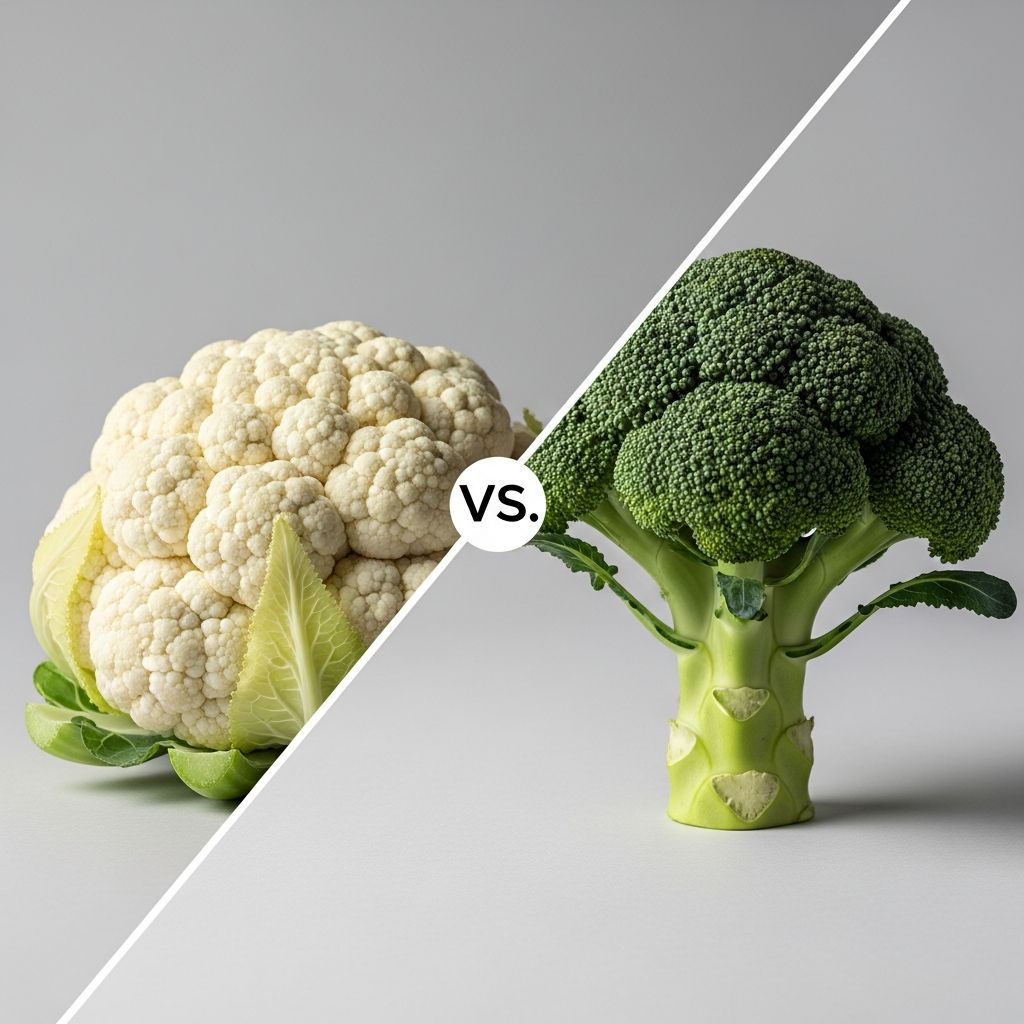
Cauliflower and broccoli, both beloved cruciferous vegetables, offer impressive nutritional profiles that support weight management, digestion, and disease prevention. While they share a genetic heritage from the wild mustard plant, subtle differences in vitamins, fiber, and flavor make each unique. This comprehensive comparison draws from reliable health analyses to help you decide how to incorporate them into your meals.
What’s the Genetic Connection Between Cauliflower and Broccoli?
Cauliflower and broccoli belong to the
Brassica oleracea
species, commonly known as the Cole family or wild cabbage group. These vegetables originated from selective breeding of the wild mustard plant (*Brassica oleracea*), domesticated thousands of years ago to produce diverse varieties including kale, cabbage, Brussels sprouts, and more.Broccoli evolved earlier from a kale-like predecessor, where ancient cultivators selected for larger, tastier flower buds over generations. This process emphasized the development of dense, green florets sprouting from a thick central stem. Cauliflower, a more recent innovation, resulted from further breeding of broccoli varieties, yielding its signature white, tightly packed heads. Visually, broccoli features looser, more spread-out florets in vibrant green, while cauliflower forms compact, curd-like clusters that are pale and milder.
- Shared ancestry: Both trace back to wild mustard, explaining their similar textures and sulfurous compounds responsible for that distinctive ‘cruciferous’ aroma when cooked.
- Breeding timeline: Broccoli predates cauliflower; the latter emerged as breeders refined bud density and muted pigmentation.
- Family perks: As Brassicas, they contain glucosinolates, compounds linked to anti-cancer properties via the liver’s detoxification pathways.
This genetic kinship means they thrive in similar growing conditions—cool weather, well-drained soil—and peak seasonally in fall and spring, making them staples in Mediterranean and European cuisines.
Is Broccoli Healthier Than Cauliflower?
Broccoli slightly outshines cauliflower in overall nutrient density, particularly in
vitamin C
,vitamin K
,vitamin A
, fiber, and beneficial fatty acids. However, cauliflower holds its own with lower oxalate levels (beneficial for kidney stone prevention) and a milder taste that suits diverse diets. Neither is ‘superior’; the best approach is eating both for complementary benefits.Both are
low-calorie
(around 25-30 kcal per cup), high-fiber foods ideal for satiety and gut health. They support cancer prevention through sulforaphane and other isothiocyanates, lower cholesterol via soluble fiber, and aid weight loss by promoting fullness without excess carbs.| Nutrient Edge | Broccoli Winner | Cauliflower Strength |
|---|---|---|
| Vitamin C (immune boost) | Higher (89mg vs. 48mg per cup) | Still excellent source |
| Vitamin K (bone health) | 245% DV vs. 20% DV | Moderate levels |
| Fiber (digestion) | 5g per cup vs. 2g | Good but lower |
| Oxalates (kidney health) | Higher risk | Lower, safer option |
Data adapted from USDA nutrient databases via health comparisons. Broccoli’s green pigmentation signals more carotenoids like lutein for eye health, absent in white cauliflower.
Nutritional Comparison: Cauliflower vs. Broccoli
Cauliflower and Broccoli Similarities
These veggies align closely in several key areas, making them interchangeable for basic health goals:
- Low calories and carbs: Roughly 25-30 kcal and 5g carbs per cup raw, perfect for keto, low-carb, or weight-loss plans.
- High fiber: Promotes regular digestion, stabilizes blood sugar, and feeds gut microbiota.
- Shared minerals: Potassium for blood pressure, folate for cell repair, and amino acids for muscle support.
- Cancer-fighting potential: Glucosinolates break down into sulforaphane, which activates Nrf2 pathways for antioxidant defense (per NIH studies on Brassicas).
- Pesticide safety: Ranked low on Environmental Working Group’s Dirty Dozen, safe as conventional produce if washed thoroughly.
Related Stories



Cauliflower and Broccoli Differences
Broccoli packs a bigger punch in vitamins and fiber, while cauliflower offers versatility and gentler digestion:
- Vitamin profile: Broccoli: 135% DV vitamin C, 245% vitamin K, plus vitamin A (890 IU). Cauliflower: 77% vitamin C, 20% vitamin K, no vitamin A.
- Fiber and fats: Broccoli has 2.6g fiber and more polyunsaturated fats (heart-healthy omega-3/6); cauliflower lower at 2g fiber with fewer saturates.
- Minerals: Broccoli edges in folate (57mcg vs. 57mcg tie), iron, and calcium.
- Flavor and texture: Broccoli’s bold, grassy bite vs. cauliflower’s nutty mildness; broccoli firmer raw.
- Special perks: Broccoli excels for vision (lutein/zeaxanthin); cauliflower for low-FODMAP diets (less bloating).
Incorporate variety: A plate with both maximizes phytonutrients, as per dietary guidelines from the CDC emphasizing colorful produce.
What Is a Broccoflower?
Broccoflower is a hybrid from cross-pollinating broccoli and cauliflower, resulting in lime-green heads with spiky, fractal-like florets. It’s essentially ‘green cauliflower’—tender, slightly sweet, with nutrition mirroring a blend of parents: high vitamin C, milder than broccoli, milder.
Don’t confuse it with
Romanesco broccoli
, an Italian heirloom with vibrant chartreuse spirals, firmer texture, nutty-earthy taste, and similar sulforaphane levels. Both hybrids combine the best: visual appeal, enhanced sweetness, and nutrient retention.- Appearance: Lime-green, spiked florets vs. broccoli’s loose green or cauliflower’s white domes.
- Taste: Sweeter, less bitter—ideal for kids or picky eaters.
- Nutrition: Comparable fiber/vitamins; steaming preserves antioxidants best.
- Availability: Seasonal specialty; sub in any broccoli/cauliflower recipe.
Health Benefits of Cauliflower and Broccoli
Beyond basics, these veggies combat chronic disease:
- Anti-cancer: Sulforaphane induces phase II detox enzymes (Johns Hopkins research).
- Heart health: Fiber binds bile acids, reducing LDL cholesterol.
- Weight control: High volume, low energy density curbs overeating.
- Anti-inflammatory: Polyphenols and vitamin C lower oxidative stress.
- Bone and blood: Vitamin K for clotting/osteocalcin; folate prevents anemia.
How to Add Broccoli and Cauliflower to Your Weekly Recipes
Versatile and flavor-absorbent, they shine raw, steamed, roasted, or pureed. Prioritize gentle cooking to retain nutrients.
Best methods:
- Steaming (top choice): Preserves 80-90% vitamins vs. boiling’s 50% loss (per Journal of Food Science study).
- Roasting/Baking: At 400°F, enhances antioxidants via Maillard reaction.
- Raw: Max crunch and enzymes; pair with dips.
- Boiling: Reuse water for soups to recapture leached nutrients.
Recipe ideas:
- Simple side: Steam florets, toss with garlic, olive oil, lemon zest.
- Salad: Raw broccoli + quinoa, dried cranberries, tahini dressing.
- Soup: Slow-cooker blend with cheese, onions, stock.
- Swaps: Cauliflower rice/pizza crust; broccoli in stir-fries, slaws.
- Broccoflower twist: Roast with parmesan for popcorn-like snack.
Aim for 2-3 cups weekly per MyPlate guidelines for optimal Brassica benefits.
Frequently Asked Questions (FAQs)
Which has more vitamin C: broccoli or cauliflower?
Broccoli wins with 89mg per cup (135% DV) vs. cauliflower’s 48mg (77% DV), boosting immunity and collagen.
Can I eat cauliflower and broccoli raw?
Yes, raw maximizes enzymes and fiber, but chew thoroughly to avoid bloating; steam if digestion-sensitive.
Is broccoflower healthier than regular broccoli?
Similar profiles; broccoflower’s sweeter taste encourages consumption without nutrient sacrifice.
Are they good for weight loss?
Absolutely—low-cal, high-fiber for fullness; sub for grains to cut carbs effortlessly.
How do I store them to keep fresh?
Refrigerate unwashed in perforated bags up to 1 week; freeze blanched florets for 6-8 months.
References
- Broccoli vs. Cauliflower | Which is Better for Health? — PlushCare. 2023. https://plushcare.com/blog/broccoli-vs-cauliflower-differences
- Cruciferous Vegetables and Cancer Prevention — National Cancer Institute (NIH). 2024-10-15. https://www.cancer.gov/about-cancer/causes-prevention/risk/diet/cruciferous-vegetables-fact-sheet
- USDA FoodData Central: Broccoli, raw — United States Department of Agriculture. 2025-01-10. https://fdc.nal.usda.gov/fdc-app.html#/food-details/170379/nutrients
- USDA FoodData Central: Cauliflower, raw — United States Department of Agriculture. 2025-01-10. https://fdc.nal.usda.gov/fdc-app.html#/food-details/169986/nutrients
- Shopper’s Guide to Pesticides in Produce — Environmental Working Group. 2025. https://www.ewg.org/foodnews/summary.php
Similar Articles








Read full bio of Sneha Tete