14 Causes of Burping: When It’s Normal and When to Worry
Discover the common and serious causes of excessive burping, from everyday habits to underlying digestive conditions, and learn when to seek medical help.

Burping, medically known as belching or eructation, is the release of gas from the digestive tract through the mouth. It’s a normal bodily function that helps expel swallowed air, but excessive or frequent burping can signal underlying issues ranging from harmless habits to gastrointestinal disorders.
Most people burp several times a day without concern, but when it becomes intrusive, painful, or accompanied by other symptoms, it warrants attention. This article explores 14 common causes of burping, differentiates normal from problematic belching, offers practical remedies, and outlines when to consult a healthcare provider.
What Causes Burping?
Burping primarily results from aerophagia, the involuntary or voluntary swallowing of air into the stomach. This air accumulates and is expelled as a belch. According to the American College of Gastroenterology, everyday activities like eating, talking, or drinking introduce air into the digestive system.
Gas can enter via two main pathways: swallowed air during meals or produced by gut bacteria fermenting undigested food. Normal gastric belching involves air moving from the stomach up the esophagus. However, supragastric belching—a behavioral pattern where air is sucked into the esophagus and immediately expelled—often drives excessive cases and is detectable via esophageal impedance studies.
Everyday Causes of Burping
Many burps stem from lifestyle habits that promote air swallowing. These are typically benign and manageable with simple changes.
- Eating or drinking too quickly: Gulping food traps air in the stomach, leading to frequent belching.
- Chewing gum or sucking hard candies: These habits increase saliva production and air intake.
- Carbonated beverages: Soda, beer, and sparkling water introduce dissolved CO2 gas that expands in the stomach.
- Smoking or using straws: Both encourage repeated swallowing motions.
- Talking while eating: Conversations during meals amplify aerophagia.
Gastrointestinal Causes of Burping
Serious burping often links to digestive disorders disrupting normal gas flow or digestion. Here are key medical causes:
- Gastroesophageal reflux disease (GERD): Acid reflux relaxes the lower esophageal sphincter, allowing gas escape. Up to 80% of GERD patients experience belching.
- Gastritis: Stomach lining inflammation from H. pylori infection or NSAIDs irritates the mucosa, trapping gas.
- Food intolerances (e.g., lactose intolerance): Undigested sugars ferment, producing excess gas.
- Peptic ulcers: Erosions in the stomach or duodenum impair digestion and cause bloating with belching.
- Gastroparesis: Delayed stomach emptying traps food and air.
Other Common Causes of Excessive Burping
Beyond habits and GI issues, these factors contribute:
- Hiatal hernia: Part of the stomach protrudes into the chest, weakening the esophageal barrier.
- Pancreatic insufficiency: Poor enzyme production hinders fat digestion, leading to gas.
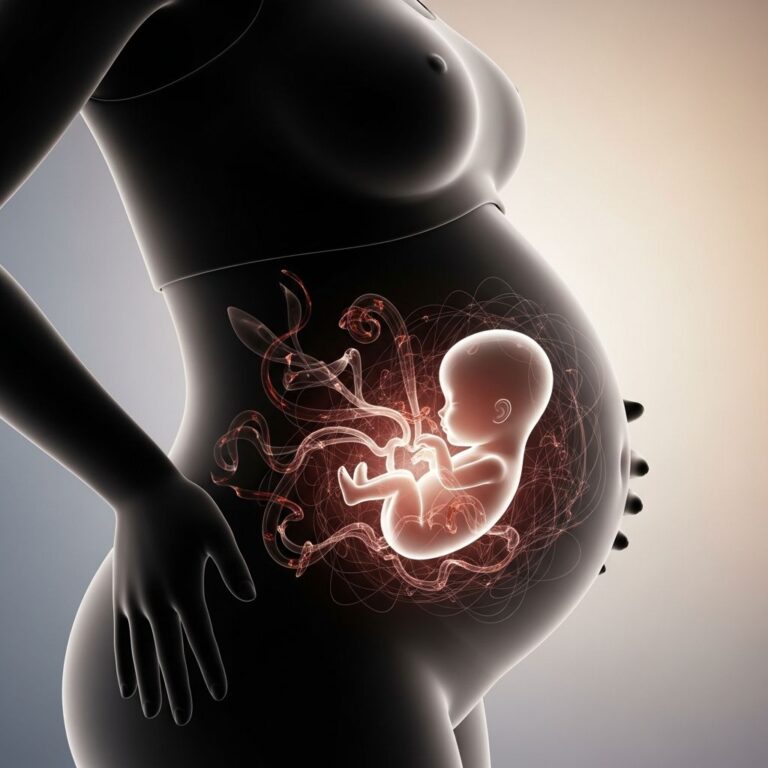
- Pregnancy: Uterine pressure on the stomach increases reflux and belching.
- Anxiety or stress: Heightened breathing swallows more air; linked to supragastric belching.
- Medications: Some antibiotics or painkillers alter gut flora, boosting gas.
Supragastric vs. Gastric Belching: Key Differences
Understanding belch types aids diagnosis. Use this table for clarity:
| Type | Mechanism | Frequency | Associated Conditions |
|---|---|---|---|
| Gastric Belching | Air from stomach refluxes via lower esophageal sphincter | Occasional | Normal digestion, aerophagia |
| Supragastric Belching | Air sucked into esophagus (air sucking/pushing) and expelled | Up to 20/min, repetitive | Behavioral, GERD, functional dyspepsia |
Related Stories



Supragastric belching, seen in 70% of excessive cases, shows on high-resolution manometry (HRM) as rapid esophageal air influx without stomach involvement.
When Is Burping a Red Flag?
Occasional burping is harmless, but seek medical evaluation if accompanied by:
- Severe abdominal pain, vomiting blood, or black stools (possible ulcer perforation).
- Unintentional weight loss or difficulty swallowing (cancer risk).
- Chest pain mimicking heart attack.
- Persistent bloating with bowel changes (obstruction or infection).
High-resolution studies like pH-impedance monitoring distinguish belching from reflux.
How to Stop or Reduce Burping
Lifestyle tweaks resolve most cases:
- Eat slowly in upright position; chew thoroughly.
- Avoid triggers: gum, carbonation, straws, gas-producing foods (broccoli, beans).
- Manage portions; limit dairy if intolerant.
- Quit smoking; reduce stress via mindfulness.
- For supragastric belching, behavioral therapy like speech therapy shows promise.
Treat underlying issues: PPIs for GERD, antibiotics for H. pylori, enzymes for intolerances.
Potential Complications
Belching itself rarely complicates, but associated conditions can: GERD risks Barrett’s esophagus; untreated ulcers bleed. Chronic aerophagia may cause bloating or social distress.
Frequently Asked Questions (FAQs)
Is excessive burping normal?
Occasional yes, but frequent belching (e.g., post-meals) may indicate diet issues or GERD. Consult if lifestyle changes fail.
Can anxiety cause burping?
Yes, stress increases air swallowing, linking to supragastric belching.
Does burping mean good digestion?
Not necessarily; it’s often just air release. Excessive may signal poor digestion.
When to see a doctor for burping?
If persistent with pain, weight loss, or blood—promptly.
Are there home remedies for burping?
Yes: slow eating, ginger tea, probiotics, avoid triggers.
References
- Belching: Causes, Remedies, and More — Healthgrades. 2023. https://resources.healthgrades.com/right-care/digestive-health/belching
- Managing a patient with excessive belching — PMC – NIH (Frontline Gastroenterol). 2017-04-11. https://pmc.ncbi.nlm.nih.gov/articles/PMC5369716/
Similar Articles








Read full bio of Sneha Tete