Causes and Risk Factors of Sleep Paralysis
Uncover the key triggers and risk factors behind sleep paralysis episodes and learn how to minimize their occurrence.
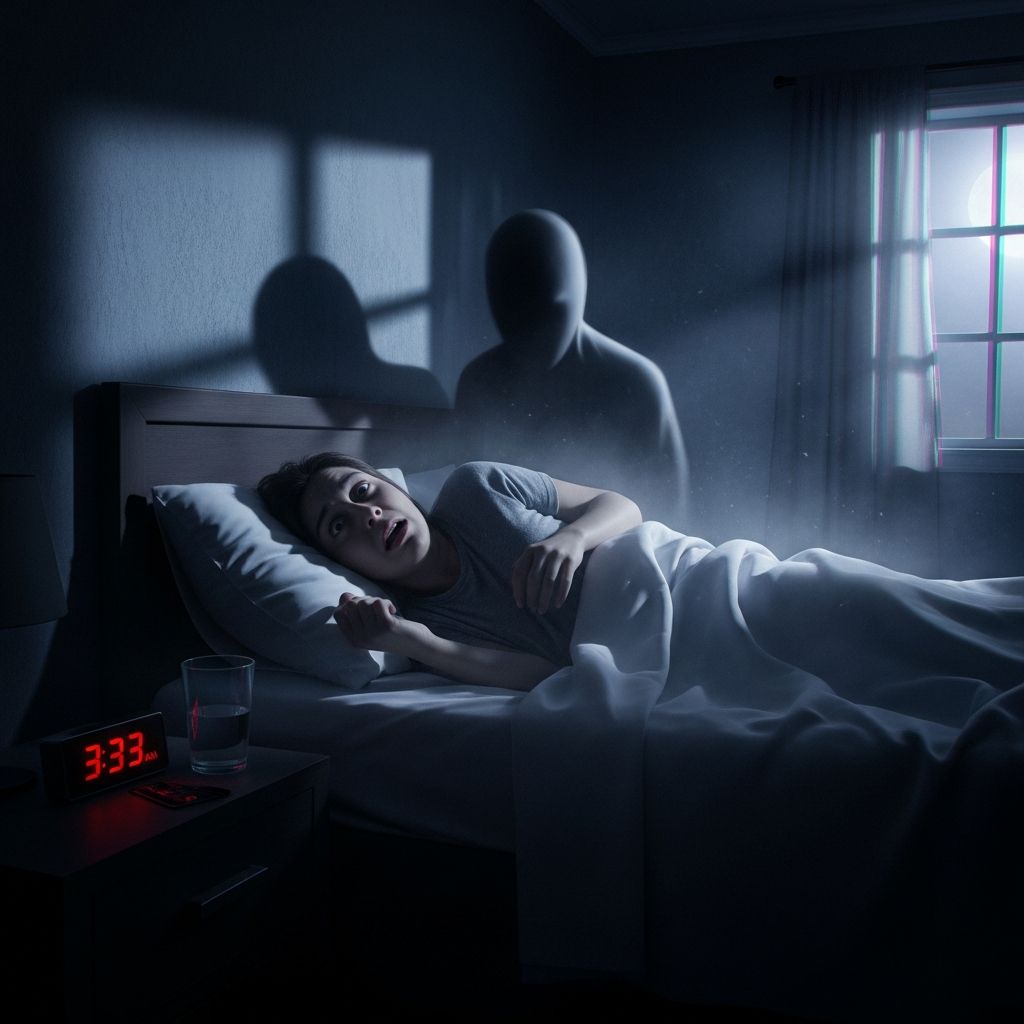
Sleep paralysis is a temporary inability to move or speak that occurs when falling asleep or waking up, often accompanied by hallucinations and intense fear. It affects up to 40% of people at least once in their lifetime, stemming from disruptions in the rapid eye movement (REM) sleep cycle where muscle atonia persists into wakefulness.
Understanding the causes and risk factors is crucial for prevention and management. This article delves into the science behind sleep paralysis, its symptoms, associated conditions, and evidence-based strategies to reduce episodes.
What Is Sleep Paralysis?
Sleep paralysis is classified as a parasomnia, specifically a REM parasomnia, characterized by brief episodes of muscle atonia during the transition between sleep and wakefulness. During normal REM sleep, the brain remains active for dreaming while the body experiences postural atonia to prevent acting out dreams. In sleep paralysis, this atonia lingers as consciousness returns, creating a hybrid state of wakefulness and REM sleep.
Episodes typically last from a few seconds to 20 minutes, averaging around six minutes. They can occur as hypnagogic (when falling asleep) or hypnopompic (when waking up) paralysis. While not dangerous, frequent occurrences may signal underlying issues like narcolepsy or sleep apnea.
Types of Sleep Paralysis
Sleep paralysis is categorized into two main types:
- Isolated sleep paralysis: Occasional episodes not linked to narcolepsy or other disorders. This is the most common form, affecting healthy individuals.
- Recurrent sleep paralysis: Multiple episodes over time, often associated with narcolepsy. Recurrent isolated sleep paralysis (RISP) describes repeated episodes without narcolepsy.
Isolated cases are benign, but recurrent ones warrant medical evaluation to rule out narcolepsy, where brain neurotransmitters fail to regulate wake-sleep cycles properly.
Symptoms of Sleep Paralysis
The hallmark symptom is atonia, rendering the body immobile except for eye and possibly respiratory movements. Additional symptoms include:
- Chest pressure or difficulty breathing sensation
- Intense fear, panic, or helplessness
- Hallucinations in 75% of cases: intruder (sense of presence), incubus (chest pressure), or vestibular-motor (out-of-body sensations)
- Daytime fatigue or excessive sleepiness post-episode
Hallucinations are hypnagogic or hypnopompic and distinct from regular dreams. Episodes often end spontaneously or with external stimuli like touch or sound.
Causes of Sleep Paralysis
The precise cause remains unknown, but it results from a mismatch in REM sleep regulation, where atonia mechanisms (involving GABA and glycine neurotransmitters in the pons and medulla) fail to disengage upon waking.
Sleep paralysis arises during sleep-wake transitions, particularly in REM stages with heightened neuronal activity in the pons, lateral geniculate nucleus, and occipital cortex. Multiple factors disrupt this balance, including sleep deprivation, irregular schedules, and underlying disorders.
Sleep Disorders as a Primary Cause
Sleep disorders show the strongest links to sleep paralysis. Obstructive sleep apnea (OSA) correlates with 38% prevalence in affected individuals due to repeated breathing interruptions fragmenting REM sleep. Chronic insomnia, circadian rhythm disorders, and nighttime leg cramps also heighten risk by destabilizing sleep architecture.
Related Stories



Narcolepsy and Neurological Factors
Narcolepsy, affecting neurotransmitter function, leads to frequent sleep paralysis in about 20% of cases beyond general population rates. Symptoms like sudden sleep attacks and cataplexy signal this disorder.
Mental Health Conditions
Conditions like PTSD, panic disorder, anxiety, and depression disrupt REM patterns, increasing episodes. PTSD’s irregular sleep contributes independently of trauma history, while panic disorders show higher rates in certain demographics.
Lifestyle and Environmental Triggers
Irregular sleep schedules, sleep deprivation, stress, and substance use (caffeine, alcohol) precipitate episodes by altering REM intrusion. Back sleeping positions may exacerbate risk.
Risk Factors for Sleep Paralysis
Beyond direct causes, several risk factors amplify susceptibility:
| Risk Factor | Description | Prevalence Impact |
|---|---|---|
| Age | Most common in adolescents and young adults (20s-30s) | Peak incidence |
| Sex | Slightly higher in females | Gender disparity |
| Family History | Genetic predisposition in some cases | Hereditary link |
| Sleep Deprivation | <6 hours/night increases episodes | Strong correlation |
| Shift Work | Circadian disruption | High risk |
| Substance Use | Alcohol, caffeine, drugs | Triggers REM imbalance |
These factors often interact; for instance, stress combined with poor sleep hygiene multiplies risk.
Prevention and Treatment Strategies
Prevention focuses on addressing root causes through sleep hygiene, therapy, and medical intervention if needed. Improving overall sleep quality reduces REM dysregulation.
Sleep Hygiene Tips:
- Maintain consistent sleep-wake times for 7-9 hours nightly
- Avoid caffeine/alcohol 6 hours before bed
- Create a dark, cool, quiet sleep environment
- Practice relaxation: meditation, deep breathing 1 hour pre-bed
- Sleep on your side, not back
- Exercise regularly but not late evening
For recurrent cases, treat underlying conditions: CPAP for OSA, CBT-I for insomnia, or antidepressants for narcolepsy. Specialized CBT for sleep paralysis shows promise.
Consult a sleep specialist if episodes exceed weekly or accompany narcolepsy symptoms.
Frequently Asked Questions (FAQs)
Is sleep paralysis dangerous?
No, sleep paralysis is benign but can be frightening. Frequent episodes may indicate treatable conditions like narcolepsy or apnea.
How common is sleep paralysis?
About 8-40% of people experience it at least once; 20% have recurrent episodes.
Can stress cause sleep paralysis?
Yes, stress disrupts sleep cycles, increasing risk alongside anxiety and PTSD.
Does medication help sleep paralysis?
For associated disorders, yes—e.g., REM-suppressing drugs or therapy for mental health issues.
How to stop sleep paralysis in the moment?
Focus on small movements like eye wiggling or fingers; external touch or sound can break it.
References
- Sleep Paralysis: Symptoms, Causes, and Treatment — Sleep Foundation. 2023. https://www.sleepfoundation.org/parasomnias/sleep-paralysis
- Sleep Paralysis, a Medical Condition with a Diverse Cultural… — National Institutes of Health (PMC). 2018-08-07. https://pmc.ncbi.nlm.nih.gov/articles/PMC6082011/
- What to know about the scary sensation of sleep paralysis — UCLA Health. 2023. https://www.uclahealth.org/news/article/what-to-know-about-the-scary-sensation-of-sleep-paralysis
- Sleep paralysis — MedlinePlus (National Library of Medicine). 2023. https://medlineplus.gov/ency/article/000801.htm
Similar Articles








Read full bio of medha deb