Causes Of Gray Hair: 6 Key Factors And How To Slow It
Discover the science behind gray hair, from genetics and aging to stress, deficiencies, and medical conditions that trigger premature graying.
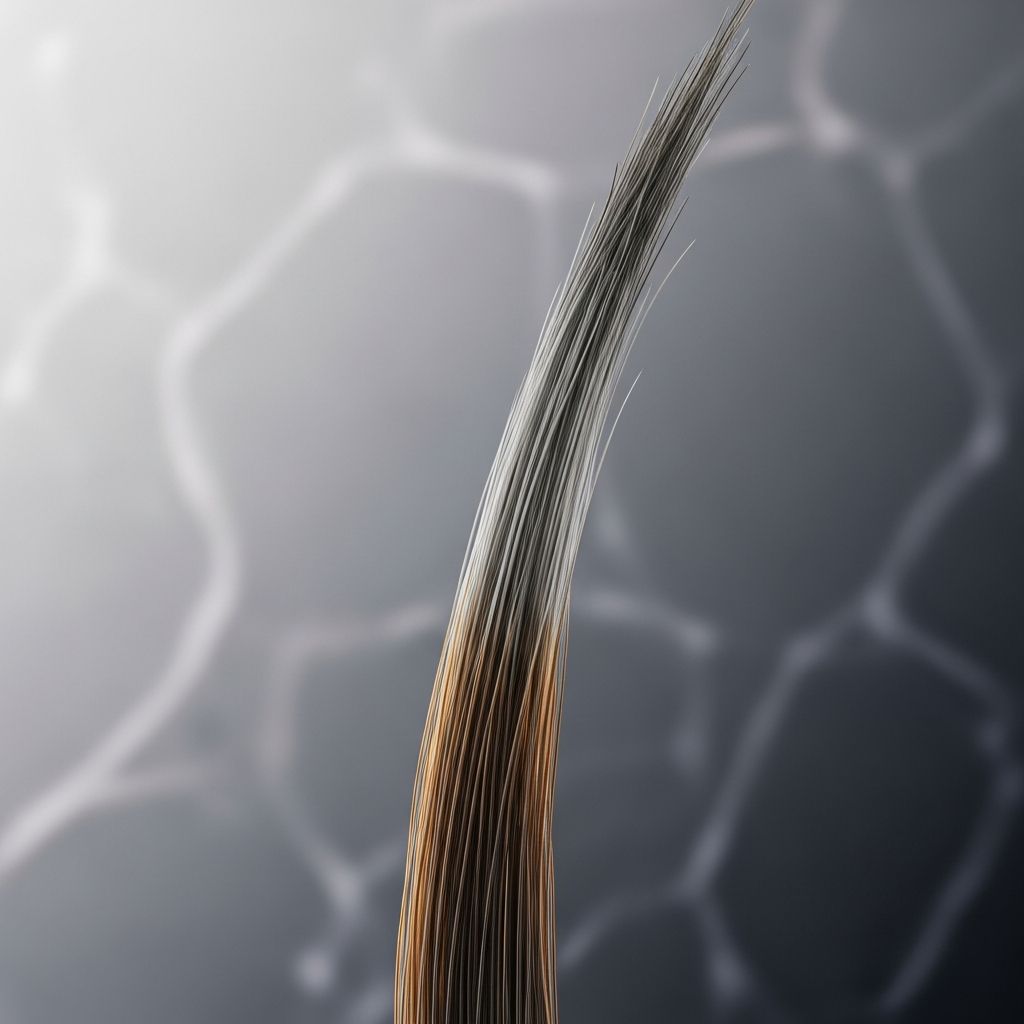
Gray hair is a natural part of aging for most people, but premature graying can occur due to a variety of factors beyond genetics. Understanding the mechanisms behind hair color loss—primarily the depletion of melanin-producing melanocytes in hair follicles—helps explain why some individuals notice silver strands earlier than expected. This article delves into the science of graying, covering everything from inevitable age-related changes to reversible causes like nutritional deficiencies and stress.
What Causes Gray Hair?
Hair gets its color from melanin, a pigment produced by specialized cells called melanocytes located in the hair follicle’s bulb. There are two types of melanin: eumelanin (responsible for black and brown shades) and pheomelanin (for red and blond tones). As we age, melanocyte stem cells deplete, leading to reduced melanin production and unpigmented, gray, or white hair.
The process involves two key failure points: (1) melanocyte stem cells fail to differentiate into active melanocytes, and (2) existing melanocytes become damaged and produce less melanin. Free radicals—unstable molecules from metabolism, UV exposure, pollution, and lifestyle factors—play a central role by causing oxidative stress, DNA damage, and cell death in these pigment cells.
- Melanocyte depletion: Stem cells in the hair bulge stop renewing, reducing the pool of pigment-producing cells.
- Oxidative damage: Excess free radicals overwhelm antioxidants, harming melanocytes directly.
- Hair cycle impact: Each hair growth cycle (anagen phase) relies on fresh melanocytes; disruptions accelerate graying.
While graying is progressive and typically starts at the temples or crown, individual hairs can sometimes regain color if underlying causes are addressed early.
Genetics Play a Major Role
Your DNA largely determines when gray hair appears. If your parents or grandparents went gray early, you’re more likely to follow suit due to inherited traits governing melanocyte longevity and antioxidant defenses.
Studies show premature graying (before age 20 in Caucasians, 25 in Asians, or 30 in Africans) often has a genetic basis, sometimes as an autosomal dominant trait. It’s linked to genes regulating melanin synthesis and oxidative stress response. For instance, variations in the IRF4 gene influence when melanocyte stem cells exhaust.
Environmental factors can accelerate genetic predispositions, but family history is the strongest predictor—up to 80% heritability in some populations.
You’re Getting Older
Age-related graying is universal, affecting nearly 50% of people by age 50 and 100% eventually. It begins when cumulative oxidative stress from decades of free radical exposure depletes melanocyte stem cells.
In the 30s and 40s, hydrogen peroxide—a byproduct of melanin production—builds up in follicles, bleaching hair from within due to insufficient catalase enzyme to break it down. This ‘second-stage’ failure damages active melanocytes, while ‘first-stage’ stem cell loss prevents replenishment.
| Age Group | % with Significant Graying | Typical Onset Areas |
|---|---|---|
| 20s | 5-10% | Temples |
| 30s-40s | 20-50% | Crown, sides |
| 50+ | 50-100% | Full scalp |
Related Stories



Ethnic differences exist: Caucasians gray earliest (mid-30s average), followed by Asians (late 30s), and Africans (mid-40s).
Stress Can Trigger Gray Hair
Chronic stress accelerates graying by activating the sympathetic nervous system, which depletes melanocyte stem cells via norepinephrine release. A landmark Columbia University study on humans showed individual hairs turning gray during high-stress periods, with partial reversal upon stress reduction.
Stress hormones like cortisol boost free radicals and oxidative stress, mimicking accelerated aging in follicles. A Turkish study linked perceived stress and poor coping to premature graying in young adults.
- Sympathetic nerve signals: Directly kill off melanocyte reservoirs.
- Mitochondrial dysfunction: Stress alters energy production in follicle cells, halting pigment synthesis.
- Reversibility: Hairs can repigment if stress is managed before full depletion.
Medical Conditions and Gray Hair
Certain diseases trigger premature graying by attacking melanocytes or disrupting metabolism.
- Thyroid disorders: Hypothyroidism reduces T3/T4 hormones needed for melanogenesis; hyperthyroidism causes oxidative stress.
- Autoimmune diseases: Vitiligo (melanocyte destruction), alopecia areata, and neurofibromatosis lead to poliosis (localized white patches).
- Genetic syndromes: Progeria, Werner syndrome, tuberous sclerosis cause early graying alongside premature aging.
Rarely, pituitary issues or heavy metal accumulation (e.g., from pollution) contribute.
You’re Deficient in Key Nutrients
Nutritional shortfalls impair melanin production and antioxidant defenses.
- Vitamin B12: Deficiency from pernicious anemia, vegan diets, or GI issues causes reversible graying; 55% of cases show early onset vs. 30% controls.
- Copper/Iron: Essential for tyrosinase enzyme in melanin synthesis; low copper levels in premature graying patients.
- Others: Protein malnutrition, folate, biotin, vitamin D deficiencies linked via oxidative stress.
Supplementation can reverse early cases if deficiency is confirmed via blood tests.
Lifestyle Factors That Speed Up Graying
Habits increasing free radicals hasten melanocyte loss.
- Smoking: Toxins generate massive oxidative stress; smokers gray 2-4x faster.
- UV/Pollution: External oxidants damage follicles; mice studies show UV-induced graying.
- Alcohol excess: Depletes antioxidants, promotes inflammation.
- Poor diet/Obesity: Low antioxidants (vitamins C/E) and high inflammation accelerate free radical buildup.
Can You Reverse Gray Hair?
Full reversal is rare post-depletion, but addressing reversible causes shows promise.
- Stress reduction: Meditation, exercise repigmented hairs in studies.
- Nutrient correction: B12, copper supplements restored color in deficiency cases.
- Antioxidants: Catalase boosters, pseudocatalase creams under research.
- Medical treatment: Thyroid meds, anti-inflammatories for underlying conditions.
Spontaneous reversals occur post-cancer treatments or lifestyle changes, indicating melanocyte reactivation potential.
Frequently Asked Questions (FAQs)
Does stress really cause gray hair?
Yes, chronic stress triggers sympathetic signals that deplete melanocyte stem cells, leading to graying; reversal is possible with stress management.
Can vitamin deficiencies cause premature gray hair?
Absolutely—B12, copper, and iron deficiencies disrupt melanin production and are often reversible with supplementation.
Is gray hair a sign of poor health?
Not always; it’s often genetic or age-related, but sudden premature graying warrants checking for thyroid issues, autoimmunity, or deficiencies.
Can you prevent gray hair?
Genetics can’t be changed, but antioxidants, stress reduction, quitting smoking, and balanced nutrition slow the process.
Why does one gray hair lead to more?
Hairs gray individually due to local oxidative stress; surrounding follicles may follow as shared factors accumulate.
References
- What To Do If Stress Causes Gray Hair — Healthline. 2023. https://www.healthline.com/health/does-stress-cause-gray-hair
- 4 Reasons Why Your Hair Is Turning Gray — TIME. 2017-07-27. https://time.com/4574073/gray-hair-growth-in-20s/
- Grey Hair: What Causes It, And Can It Be Reversed? A Scientific Review — Perfect Hair Health. 2023. https://perfecthairhealth.com/grey-hair-causes-can-it-be-reversed/
- Premature Graying of Hair: Review with Updates — PMC (National Library of Medicine). 2018-11-22. https://pmc.ncbi.nlm.nih.gov/articles/PMC6290285/
- What Are the Causes of Gray Hair as You Age? — AARP. 2023. https://www.aarp.org/health/healthy-living/causes-gray-hair/
Similar Articles








Read full bio of Sneha Tete