What’s Causing Your Itching & Teary Eyes?
Discover the common causes of itchy, teary eyes and effective relief strategies.
Understanding Itchy and Teary Eyes
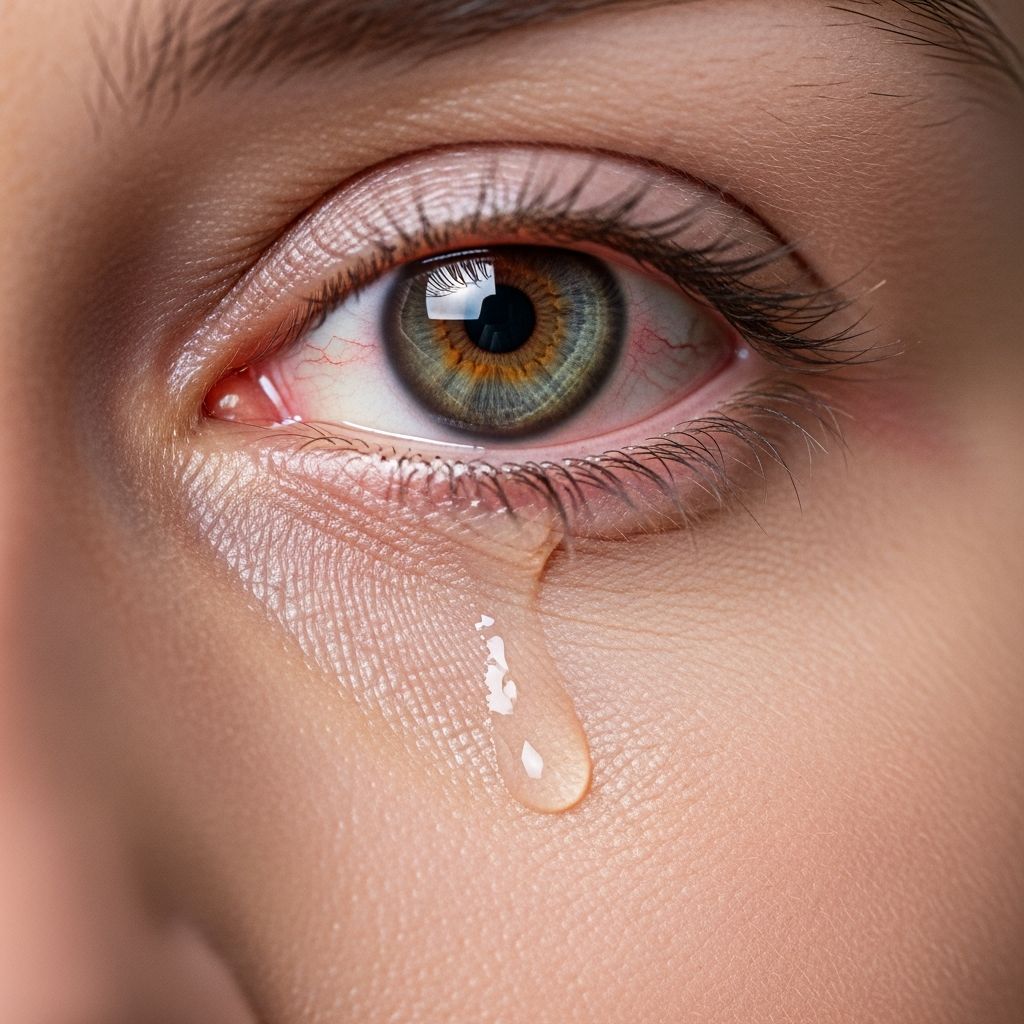
Itchy and teary eyes are common problems that affect millions of people worldwide. These symptoms can be annoying, distracting, and significantly impact your quality of life. The causes of itchy and teary eyes vary widely, ranging from simple environmental factors to more serious underlying medical conditions. Understanding the root cause of your eye symptoms is the first step toward finding effective relief and preventing future episodes.
Common Causes of Itchy and Teary Eyes
Allergies
Allergies are one of the most common causes of itchy and teary eyes. When your eyes come into contact with allergens such as pollen, dust mites, mold spores, or pet dander, the membranes surrounding your eyes become inflamed. This allergic reaction, known as allergic conjunctivitis, triggers the production of histamine, which causes itching, redness, and excessive tearing. Seasonal allergies often cause temporary eye symptoms, while year-round allergies may lead to chronic itching and watery eyes. The symptoms typically appear in both eyes shortly after exposure to the allergen.
Dry Eyes
Paradoxically, dry eyes can cause both itching and excessive tearing. When your eyes don’t produce enough tears or when the tear film is of poor quality, your eyes become irritated and uncomfortable. In response to this irritation, your eyes may produce excessive tears as a compensatory mechanism. Dry eye syndrome can be caused by reduced tear production, increased tear evaporation, or an imbalance in tear composition. Factors that contribute to dry eyes include prolonged screen time, air conditioning, heating systems, and certain medications.
Environmental Irritants
Exposure to environmental irritants such as smoke, dust, air pollution, and chemical vapors can cause immediate eye irritation, itching, and tearing. These irritants damage the protective layer of your eyes and trigger an inflammatory response. The irritation is typically temporary and resolves once you remove yourself from the irritant source. However, repeated or prolonged exposure can lead to more serious eye problems.
Eye Infections
Bacterial, viral, and fungal infections can cause significant eye irritation, including itching, tearing, redness, and discharge. Conjunctivitis, commonly known as pink eye, is one of the most prevalent eye infections. Symptoms may include pus or mucus discharge, crusting of the eyelids, and swelling of the eye membranes. Styes, which are painful lumps at the edge of the eyelid, can also cause itching and discomfort.
Blepharitis
Blepharitis is an inflammatory condition affecting the eyelids, characterized by inflammation, scaling, and irritation. This condition often results from bacterial overgrowth or problems with oil production in the glands along the eyelid margin. Blepharitis can cause persistent itching, redness, and watery eyes, and it may recur frequently, making it difficult to treat.
Contact Lens Issues
Contact lenses can disrupt and irritate the tear film, leading to dry eye symptoms and associated itching and tearing. Poor lens hygiene, overwearing contacts, or using incompatible lens solutions can exacerbate these problems. Some individuals may develop allergic reactions to contact lens materials or cleaning solutions.
Related Stories



Blocked Tear Ducts
Normally, tears drain through tear ducts into the nose where they are reabsorbed. When tear ducts become blocked, tears cannot drain properly, leading to eye irritation, excessive tearing, and crusting of the eyelids. Blocked tear ducts can also increase the risk of recurring eye infections. Treatment options range from dilation of the tear duct to surgical procedures that create a new drainage pathway.
Medication Side Effects
Certain medications can contribute to dry eyes and associated itching and tearing. These include antihistamines, blood pressure medications such as ACE inhibitors, cholesterol-lowering drugs like statins, nonsteroidal anti-inflammatory drugs (NSAIDs), and hormonal medications including oral contraceptives and hormone replacement therapy for menopause. If you suspect your medication is causing eye problems, consult your healthcare provider before making any changes.
Other Medical Conditions Associated with Eye Irritation
Several underlying medical conditions can cause or contribute to itchy and teary eyes:
Ocular Rosacea
People with the chronic skin condition rosacea may develop ocular rosacea, characterized by dry, itchy, and red eyes. This condition requires specialized treatment from an ophthalmologist.
Glaucoma
Glaucoma involves damage to the optic nerve and can cause dry eyes as a side effect of medication. Some types of glaucoma may also cause eye pain and vision changes.
Rheumatoid Arthritis
This chronic inflammatory disease can lead to dry eyes as a common eye-related symptom. In some cases, the sclera (white part of the eye) may become inflamed and painful.
Other Systemic Conditions
Cluster headaches, multiple sclerosis, and brain tumors affecting the vision centers can also cause eye irritation, tearing, and related symptoms.
Why You Should Avoid Rubbing Your Eyes
Although rubbing itchy eyes feels temporarily soothing, this habit can cause significant harm to your eyes and surrounding tissues. Understanding why you should resist the urge to rub is crucial for protecting your eye health.
How Rubbing Feels Good
Rubbing your eyes feels good because it releases histamine, the chemical responsible for causing itching, and stimulates the production of endorphins, your body’s natural painkillers. This creates a temporary sense of relief, but it perpetuates a cycle of worsening symptoms.
Risks and Complications of Eye Rubbing
Habitual eye rubbing can lead to numerous complications:
Worsening Itching: Rubbing your eyes can make itching worse by spreading allergens and irritants from your fingers to your eyes.
Increased Infection Risk: Rubbing introduces bacteria and viruses from your hands to your eyes, significantly increasing the risk of eye infections.
Corneal Damage: Vigorous eye rubbing can cause corneal abrasions, scratches, inflammation, and weakening of the corneal structure. This makes the cornea more susceptible to future injury and disease.
Keratoconus Development: Excessive eye rubbing can cause thinning and weakening of the cornea, leading to a condition called keratoconus characterized by corneal bulging and distorted vision. In severe cases, this may require a corneal transplant or specialized contact lenses.
Vision Loss: Eye rubbing is particularly harmful for individuals with progressive myopia or glaucoma, potentially worsening eyesight and causing permanent vision loss, retinal tears, or detachment.
Skin and Tissue Damage: Rubbing can damage the delicate skin and tissues around the eyes, leading to wrinkles, dark circles, and bloodshot eyes.
Effective Strategies to Avoid Rubbing Your Eyes
Practical Prevention Techniques
Hand Hygiene and Placement: Keep your hands away from your face as much as possible. If you need to touch your face, ensure your hands are clean and dry first.
Cool Compress Application: Use a cool compress, such as a cold gel pack or damp cloth, to soothe itching and discomfort. The cooling sensation provides relief without the harmful effects of rubbing.
Eye Drops and Sprays: Over-the-counter artificial tear drops can relieve itching and redness. For allergy-related symptoms, antihistamine eye drops may be particularly effective.
Systemic Antihistamines: If itching is due to allergies, taking oral antihistamines or using nasal sprays can help relieve symptoms throughout your body, including your eyes.
Prevention Strategies for Itchy and Teary Eyes
Environmental Management
Minimize exposure to known irritants and allergens. Use air purifiers, maintain proper humidity levels, and avoid smoke and pollution. When outdoors during high pollen seasons, consider wearing wraparound sunglasses to reduce pollen exposure to your eyes.
Contact Lens Care
If you wear contact lenses, follow proper hygiene protocols, replace them as directed, use compatible solutions, and consider taking breaks from lens wear. Some individuals benefit from daily disposable lenses or specialized lens materials.
Screen Time Management
To prevent dry eyes caused by prolonged screen viewing, follow the 20-20-20 rule: every 20 minutes, take a 20-second break and look at something 20 feet away. This helps reduce eye strain and tear evaporation.
Medication Review
If you suspect your medications are contributing to eye irritation, discuss this with your healthcare provider. They may be able to adjust your dosage, switch you to an alternative medication, or recommend additional treatments.
When to Seek Medical Attention
While many cases of itchy and teary eyes resolve on their own with home care, certain situations warrant professional medical evaluation. You should see an ophthalmologist or other eye care professional if:
- Your symptoms persist for more than a few weeks
- Symptoms worsen despite home treatment efforts
- You experience eye pain or vision changes
- You have discharge from your eyes
- You suspect an eye infection
- You have a history of eye conditions such as glaucoma or myopia and experience new eye symptoms
Treatment Options for Different Causes
Allergy-Related Symptoms
Treatment typically includes antihistamine eye drops, oral antihistamines, or nasal sprays. In some cases, topical decongestants or mast cell stabilizers may be prescribed.
Dry Eye Syndrome
Management includes artificial tears, lubricating ointments, warm compresses, and lifestyle modifications. Prescription medications such as cyclosporine or lifitegrast may be recommended for moderate to severe cases.
Infections
Treatment depends on the type of infection. Bacterial infections typically require antibiotic eye drops or ointments, while viral infections usually resolve on their own with supportive care. Fungal infections require antifungal medications.
Blepharitis
Treatment includes eyelid hygiene, warm compresses, antibacterial ointments, and sometimes oral antibiotics. Management is often ongoing to prevent recurrence.
Frequently Asked Questions
Q: Can allergies cause both itchy and teary eyes?
A: Yes, allergies are a common cause of both symptoms. When allergens irritate your eyes, they trigger inflammation and excessive tear production along with itching.
Q: Why do my eyes tear when they itch?
A: Tearing is your eye’s natural response to irritation. The tears attempt to flush away irritants and provide lubrication. However, excessive tearing can occur when the tear drainage system is blocked or when your eyes are overstimulated.
Q: Is it safe to use eye drops for itchy eyes?
A: Yes, artificial tear drops and antihistamine eye drops are generally safe when used as directed. However, decongestant eye drops should be used sparingly as prolonged use can cause rebound redness.
Q: How long should I use home remedies before seeing a doctor?
A: If symptoms persist beyond two weeks or worsen despite home treatment, consult an eye care professional to rule out infections or other serious conditions.
Q: Can dry eyes cause watery eyes?
A: Yes, this is a common paradox. When eyes are dry and irritated, they may overproduce tears as a compensatory response, resulting in watery eyes.
Q: What’s the difference between itchy eyes and burning eyes?
A: Itching usually indicates allergies or irritation, while burning often suggests dry eyes or strain. However, these symptoms can coexist and may have overlapping causes.
References
- How to Avoid Rubbing Itchy Eyes — MTHK. 2024. https://mthk.com/blog/how-to-avoid-rubbing-itchy-eyes
- Eye Irritation Causes and Treatment: Allergies and More — Healthline Medical Network. 2024. https://www.healthline.com/health/eye-irritation
- Regulation of Mucin and Fluid Secretion by Conjunctival Epithelial Cells — Dartt, D. A. Progress in Retinal and Eye Research, 28(6), 2009. https://pubmed.ncbi.nlm.nih.gov/19715795/
- An Open-Label, Investigator-Masked, Crossover Study of the Ocular Drying Effects of Two Antihistamines — Ousler III, G. W., Workman, D. A., & Torkildsen, G. L. Clinical Therapeutics, 37(4), 2015. https://pubmed.ncbi.nlm.nih.gov/25817953/
Similar Articles








Read full bio of medha deb