Causes Of Chest Pain: 8 Cardiac And Noncardiac Triggers
Chest pain has many causes beyond heart issues, from GI disorders to muscle strain. Learn to identify serious symptoms.
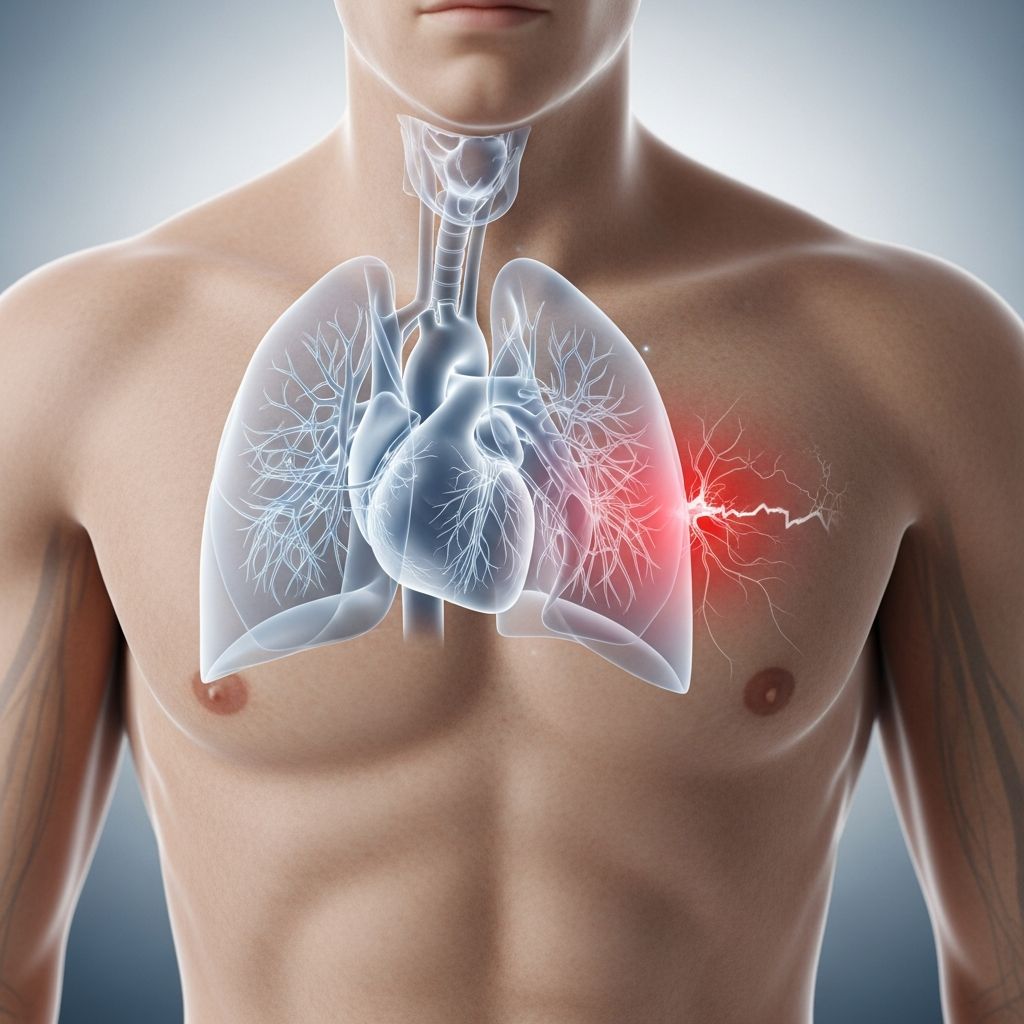
Chest pain is a common symptom that can stem from various sources, ranging from life-threatening cardiac conditions to benign musculoskeletal issues. While it often prompts fear of a heart attack, most cases of chest pain are noncardiac in origin. Understanding the potential causes is crucial for appropriate diagnosis and treatment.
Chest Pain Overview
Chest pain affects millions annually and serves as a critical warning signal for underlying health issues. It can manifest as sharp, dull, burning, or pressure-like sensations in the chest area. The pain may radiate to the arms, neck, jaw, or back, mimicking cardiac events even when unrelated.
Immediate medical evaluation is essential if chest pain is sudden, severe, or accompanied by shortness of breath, sweating, nausea, or dizziness. Cardiologists recommend ruling out cardiac causes first through ECG, stress tests, or angiography.
Cardiac Causes of Chest Pain
Heart-related chest pain, often termed angina, results from reduced blood flow to the heart muscle. This is a medical emergency until proven otherwise.
Angina
Angina occurs when the heart muscle doesn’t receive enough oxygen-rich blood, typically due to coronary artery disease (CAD). Stable angina is triggered by exertion and relieved by rest or nitroglycerin. Unstable angina, however, signals an impending heart attack and requires urgent care.
- Classic symptoms: Pressure, squeezing, or heaviness in the chest
- Risk factors: High cholesterol, hypertension, smoking, diabetes
- Duration: 2-10 minutes for stable; longer for unstable
Heart Attack (Myocardial Infarction)
A heart attack happens when a coronary artery is blocked, starving heart tissue of oxygen. Symptoms include crushing chest pain, often with arm/jaw radiation, sweating, and vomiting. Women and diabetics may experience atypical symptoms like fatigue or back pain.
According to the American Heart Association, prompt intervention with aspirin, thrombolytics, or angioplasty saves lives. Time is muscle—call emergency services immediately.
Pericarditis
Inflammation of the pericardium (heart sac) causes sharp, pleuritic pain worsened by lying down or breathing deeply. Often viral in origin, it may follow a heart attack or autoimmune disease. ECG shows characteristic ST elevation.
Aortic Dissection
A tear in the aorta’s inner layer causes sudden, tearing pain radiating to the back. Risk factors include hypertension and Marfan syndrome. This is a surgical emergency with high mortality if untreated.
Noncardiac Causes of Chest Pain
Noncardiac chest pain (NCCP) accounts for up to 60% of emergency room visits for chest pain. These mimic cardiac pain but originate elsewhere.
Gastrointestinal Causes
Gastroesophageal reflux disease (GERD) is the most common esophageal cause of NCCP, even in patients with coronary artery disease. Acid reflux irritates the esophagus, producing burning chest pain indistinguishable from angina.
- GERD mechanisms: Esophageal spasms, sustained longitudinal muscle contractions, or hypersensitivity
- Treatment response: Proton pump inhibitors (PPIs) like omeprazole often resolve symptoms, confirming causality
- Associated symptoms: Heartburn, regurgitation, worse after meals or lying down
Related Stories



Esophageal dysmotility, affecting a minority, involves abnormal peristalsis. Balloon distension studies show hypersensitivity rather than motor issues as primary in functional chest pain.
Musculoskeletal Causes
Costochondritis (inflammation of rib cartilage) causes sharp, localized pain reproducible by palpation. Common after injury, coughing, or strain. Treatment includes NSAIDs and rest.
- Triggers: Heavy lifting, viral infections, poor posture
- Key feature: Pain worsens with movement or pressing on the chest wall
Muscle strain from workouts or coughing fits similarly presents with tenderness.
Pulmonary Causes
Pulmonary embolism (PE) blocks lung arteries, causing pleuritic pain, dyspnea, and hemoptysis. Risk factors: DVT, surgery, cancer. CT angiography confirms diagnosis.
Pneumothorax (collapsed lung) leads to sudden sharp pain and shortness of breath, more common in tall, thin males or smokers.
Pleurisy (pleural inflammation) from infections or autoimmune diseases causes pain on inspiration.
Psychological Causes
Panic disorder and anxiety frequently manifest as chest tightness, hyperventilation, and tingling. Epidemiological studies link NCCP to psychiatric comorbidities like depression. Childhood factors such as parental illness correlate with adult NCCP.
Cognitive behavioral therapy and SSRIs help manage these episodes.
How Chest Pain Feels by Cause
| Cause | Sensation | Radiation | Triggers/Aggravators | Relief |
|---|---|---|---|---|
| Angina/Heart Attack | Pressure/squeezing | Arm, jaw, back | Exertion, stress | Nitroglycerin, rest |
| GERD | Burning | Central chest | Meals, lying down | Antacids, upright position |
| Costochondritis | Sharp, localized | None | Palpation, movement | NSAIDs |
| Panic Attack | Tightness | None | Stress | Breathing exercises |
| PE | Pleuritic (sharp on breathe) | Shoulder | Breathing, coughing | Anticoagulants |
When to Seek Emergency Care
- Call 911 if: Pain lasts >5 minutes, with sweating, nausea, fainting, or irregular heartbeat
- Urgent doctor visit: Recurrent pain, unexplained weight loss, fever
- Diagnostic tests: ECG, troponin, chest X-ray, endoscopy, stress test
Diagnosis and Testing
Evaluation starts with history and physical exam. Cardiac workup includes ECG, cardiac enzymes, and echocardiography. For NCCP, upper endoscopy, manometry, or pH monitoring identifies GI causes. Ambulatory pH testing links reflux episodes to pain.
Treatment Approaches
Treatment targets the underlying cause:
- Cardiac: Aspirin, statins, beta-blockers, PCI
- GERD: Lifestyle changes (elevate head, avoid triggers), PPIs, fundoplication
- Musculoskeletal: Rest, ice, PT
- Anxiety: Therapy, medications
Prevention Strategies
Lifestyle modifications reduce risk: Maintain healthy weight, exercise regularly, quit smoking, manage stress. For GERD-prone individuals, small frequent meals and avoiding alcohol help.
Frequently Asked Questions (FAQs)
Is all chest pain a heart attack?
No, most chest pain is noncardiac, but always get evaluated to rule out serious causes.
Can acid reflux feel like a heart attack?
Yes, GERD commonly mimics angina with burning chest pain.
How do I tell if chest pain is muscular?
Muscular pain is reproducible by touch and worsens with specific movements.
Should I go to the ER for chest pain?
Yes, if sudden/severe or with warning signs; otherwise, see your doctor promptly.
Can stress cause chest pain?
Yes, anxiety and panic disorders frequently cause NCCP.
References
- Noncardiac Chest Pain: Epidemiology, Natural Course and Pathogenesis — National Center for Biotechnology Information (PMC). 2011-05-01. https://pmc.ncbi.nlm.nih.gov/articles/PMC3093002/
- Chest Pain — American Heart Association. 2024-07-15. https://www.heart.org/en/health-topics/heart-attack/warning-signs-of-a-heart-attack
- Noncardiac Chest Pain: Diagnosis and Management — American College of Gastroenterology. 2023-10-20. https://journals.lww.com/ajg/fulltext/2023/10000/noncardiac_chest_pain__diagnosis_and.12.aspx
- Acute Chest Pain Guidelines — American College of Cardiology. 2025-01-10. https://www.acc.org/guidelines
Similar Articles








Read full bio of medha deb