Causes of Gout: Understanding the Triggers and Risk Factors
Explore the main causes of gout, including diet, genetics, and lifestyle factors, and learn how to reduce your risk.
What Is Gout?
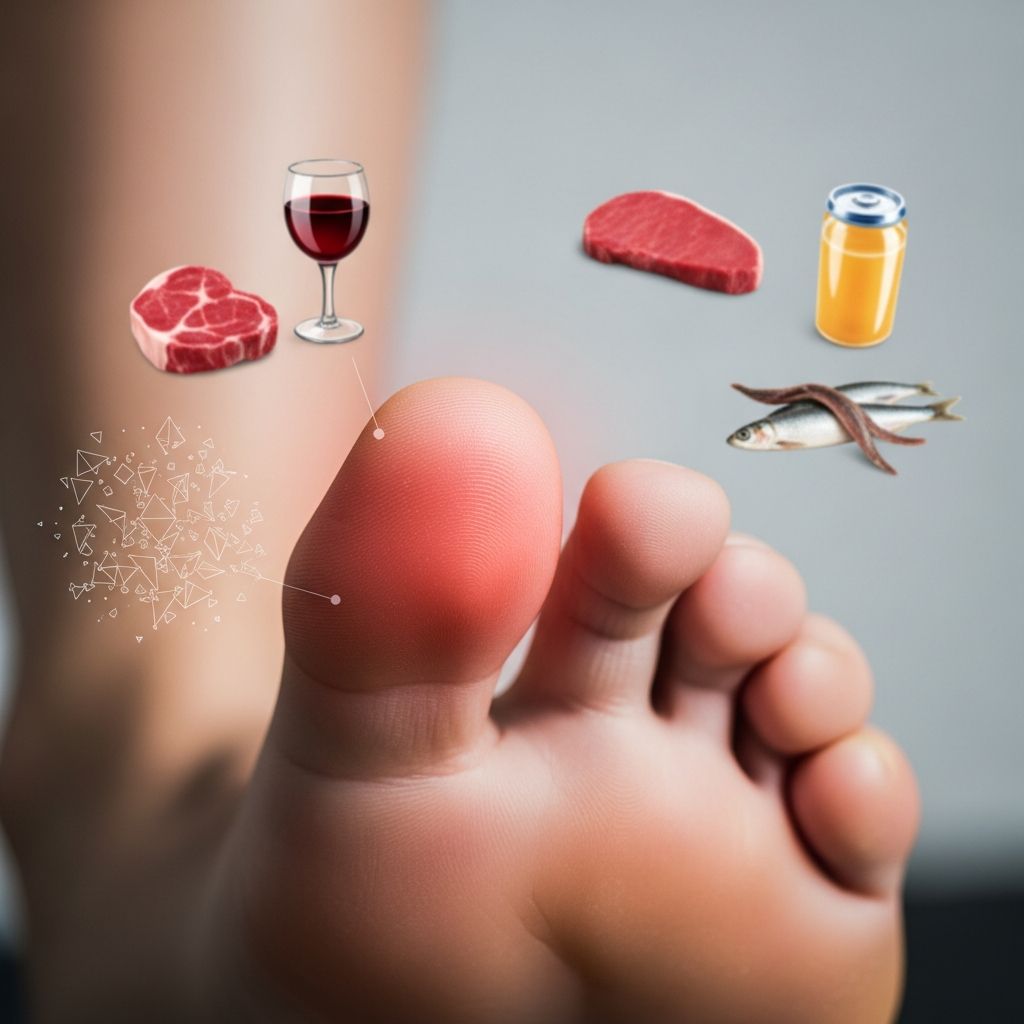
Gout is a form of inflammatory arthritis characterized by sudden, severe attacks of pain, swelling, redness, and tenderness in the joints, most commonly the big toe. These symptoms occur when uric acid crystals accumulate in the joint, triggering inflammation. Gout is often referred to as the “disease of kings” due to its historical association with rich diets, but it is now a common condition affecting millions worldwide.
Understanding Hyperuricemia
Hyperuricemia, or elevated levels of uric acid in the blood, is the primary underlying cause of gout. Uric acid is a waste product formed when the body breaks down purines, which are found in certain foods and naturally in the body. When uric acid levels become too high, it can crystallize and deposit in joints, leading to gout attacks.
Metabolic Syndrome and Gout
Gout and hyperuricemia are closely linked to metabolic syndrome, a cluster of conditions that include obesity, high blood pressure, insulin resistance, and abnormal cholesterol levels. Insulin resistance, a key feature of metabolic syndrome, can reduce the kidneys’ ability to excrete uric acid, leading to higher levels in the blood. Studies have shown that the prevalence of metabolic syndrome is significantly higher among gout patients compared to the general population.
Obesity and Gout
Obesity is a major risk factor for gout. Excess body weight increases the production of uric acid and reduces its excretion. Research indicates that body mass index (BMI) is the most important modifiable risk factor for hyperuricemia, with a population attributable risk of 44%. The rising prevalence of gout in recent decades closely follows the obesity epidemic in Westernized nations.
Diet and Gout
Diet plays a crucial role in the development and management of gout. Certain foods and beverages can increase uric acid levels and trigger gout attacks. The conventional advice to follow a low-purine diet, which restricts protein intake, may not be the best approach. Reducing protein intake can lead to increased consumption of refined carbohydrates and fats, which can worsen insulin resistance and other cardiometabolic comorbidities.
High-Purine Foods
- Red meat
- Organ meats (liver, kidney)
- Seafood (anchovies, sardines, mussels)
- Alcohol (especially beer)
Other Dietary Factors
- Fructose-rich foods and beverages (sugary drinks, processed foods)
- High-fat foods (saturated and trans fats)
- Low intake of dairy products
Genetics and Gout
Genetics also play a significant role in the development of gout. Some people have a genetic predisposition to higher uric acid levels or reduced ability to excrete uric acid. Family history of gout increases the risk of developing the condition.
Lifestyle Factors
Lifestyle choices can influence the risk of gout. Sedentary behavior, lack of physical activity, and poor dietary habits contribute to obesity and metabolic syndrome, both of which are risk factors for gout. Regular exercise and a healthy diet can help reduce the risk of gout attacks.
Related Stories



Comorbidities and Gout
Gout is often associated with other health conditions, including:
- Type 2 diabetes
- Hypertension
- Dyslipidemia
- Cardiorenal disease
These comorbidities can complicate the management of gout and increase the risk of complications.
Medications and Gout
Certain medications can increase the risk of gout. Diuretics, commonly used to treat high blood pressure, can reduce the excretion of uric acid and trigger gout attacks. Other medications, such as low-dose aspirin and immunosuppressants, may also contribute to hyperuricemia.
Prevention and Management
Preventing and managing gout involves a combination of lifestyle changes, dietary modifications, and medical treatment. Key strategies include:
- Maintaining a healthy weight
- Following a balanced diet rich in fruits, vegetables, and whole grains
- Limited intake of high-purine foods and alcohol
- Regular physical activity
- Managing comorbidities such as diabetes and hypertension
- Medication as prescribed by a healthcare provider
FAQs
Q: What foods should I avoid if I have gout?
A: Avoid high-purine foods such as red meat, organ meats, certain seafood, and alcohol, especially beer. Limit intake of fructose-rich foods and beverages.
Q: Can exercise help prevent gout?
A: Yes, regular physical activity can help maintain a healthy weight and reduce the risk of gout attacks.
Q: Is gout hereditary?
A: Yes, genetics play a role in the development of gout. Family history increases the risk.
Q: What are the main risk factors for gout?
A: Main risk factors include obesity, high blood pressure, insulin resistance, high intake of purine-rich foods, alcohol consumption, and certain medications.
Q: How is gout diagnosed?
A: Gout is diagnosed based on symptoms, blood tests to measure uric acid levels, and sometimes joint fluid analysis to detect uric acid crystals.
References
References
- The Role of Diet in Hyperuricemia and Gout — PMC – NIH. 2021. https://pmc.ncbi.nlm.nih.gov/articles/PMC7886025/
- Gout: Disease of Kings now a 21st Century Epidemic — News-Medical. 2021. https://www.news-medical.net/health/Gout-Disease-of-Kings-now-a-21st-Century-Epidemic.aspx
Similar Articles








Read full bio of Sneha Tete