Causes Of Kidney Disease: Key Insights, Prevention Strategies
Uncover the primary and secondary causes of kidney disease, from diabetes to rare genetic conditions, and learn prevention strategies.
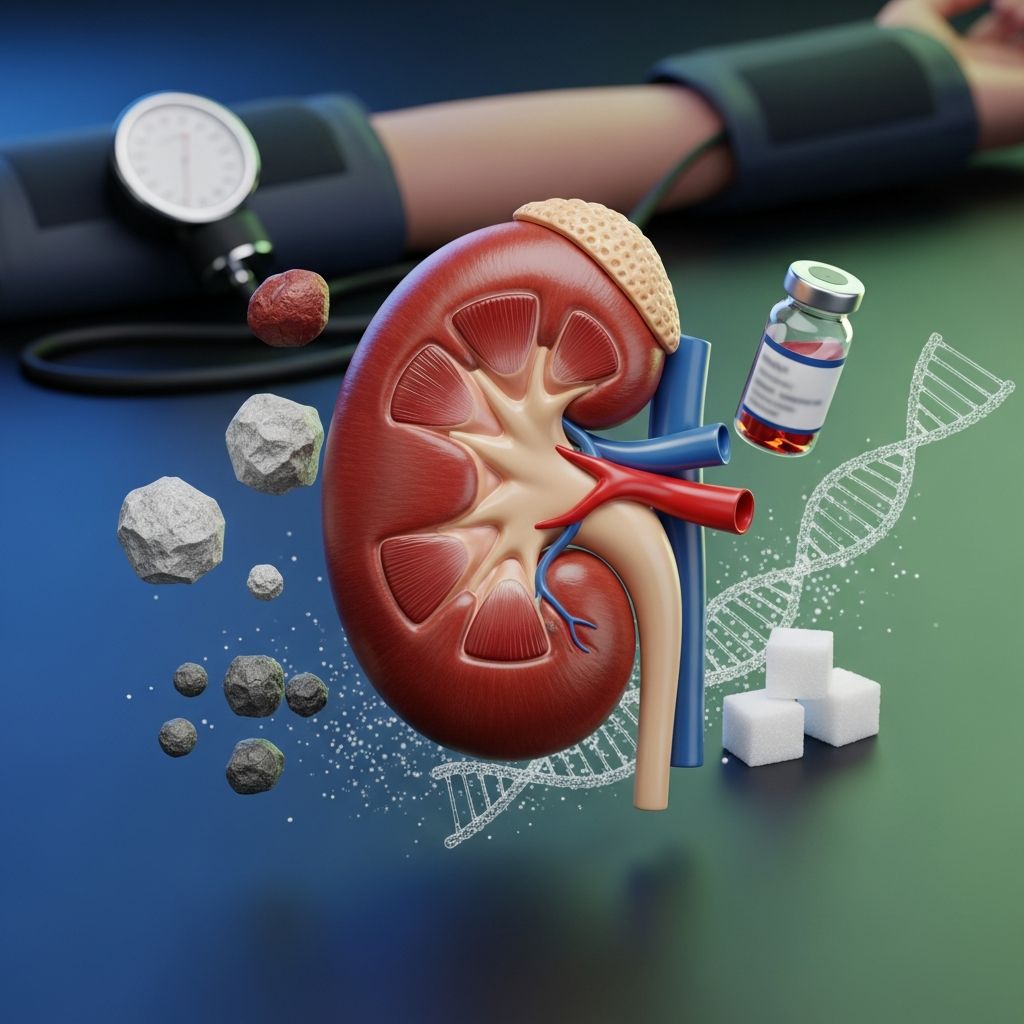
The kidneys are vital organs that filter waste from the blood, regulate fluids, and maintain electrolyte balance. When they fail, it can lead to chronic kidney disease (CKD) or acute kidney injury (AKI). Understanding the causes is crucial for prevention and early intervention. This article examines the primary and secondary causes of kidney disease, drawing from authoritative medical sources.
Primary Causes of Kidney Disease
Primary causes originate directly within the kidneys, often involving structural or inflammatory issues.
Diabetes
Type 2 diabetes is the leading cause of kidney disease in the United States, accounting for about 44% of new end-stage renal disease (ESRD) cases. High blood sugar levels damage the kidneys’ filtering units (glomeruli), leading to diabetic nephropathy. Over time, this causes protein leakage into urine (proteinuria) and progressive kidney damage. According to the Centers for Disease Control and Prevention (CDC), more than 1 in 3 adults with diabetes have CKD.
Managing blood sugar through diet, exercise, and medications like SGLT2 inhibitors can slow progression. Early screening with albumin-to-creatinine ratio tests is recommended for all diabetic patients.
High Blood Pressure (Hypertension)
Hypertension is the second most common cause, responsible for 28% of ESRD cases. Persistent high blood pressure damages the blood vessels in the kidneys, reducing filtration efficiency and causing scarring (nephrosclerosis). The National Kidney Foundation notes that uncontrolled hypertension accelerates kidney decline, creating a vicious cycle where kidney damage further raises blood pressure.
Lifestyle changes like reducing salt intake, weight loss, and medications such as ACE inhibitors are key to protection.
Secondary Causes of Kidney Disease
Secondary causes stem from conditions affecting the kidneys indirectly.
Glomerulonephritis
This inflammation of the glomeruli can be acute or chronic. Causes include infections (post-streptococcal), autoimmune diseases like lupus, or IgA nephropathy (Berger’s disease), the most common primary glomerulonephritis. Symptoms include hematuria (blood in urine) and proteinuria. The National Institute of Diabetes and Digestive and Kidney Diseases (NIDDK) reports it affects about 1 in 10 people with CKD.
- Post-infectious: Follows bacterial infections like strep throat.
- Autoimmune: Lupus nephritis damages kidneys via immune complexes.
- Genetic forms: Alport syndrome linked to collagen gene mutations.
Polycystic Kidney Disease (PKD)
PKD is a genetic disorder causing fluid-filled cysts to grow in the kidneys, enlarging them and impairing function. Autosomal dominant PKD affects 1 in 500 to 1,000 people, per NIDDK. Symptoms emerge in adulthood, including pain, hypertension, and urinary tract infections. Progression to ESRD occurs in about 50% of cases by age 60.
Treatment focuses on symptom management; tolvaptan (a vasopressin antagonist) may slow cyst growth in select patients.
Obstructive Nephropathy
Blockages in the urinary tract prevent urine flow, causing backup pressure that damages kidney tissue. Common culprits include kidney stones, enlarged prostate (BPH), or tumors. Prolonged obstruction leads to irreversible atrophy. Acute cases are reversible if addressed promptly via stents or surgery.
Related Stories



Acute Kidney Injury Causes
AKI is a sudden decline in kidney function, often reversible.
Prerenal Causes
Reduced blood flow to kidneys from dehydration, heart failure, or blood loss. Severe cases like hypovolemic shock from trauma or sepsis are critical.
Intrinsic Renal Causes
Direct kidney damage from toxins (e.g., NSAIDs, contrast dye), infections (pyelonephritis), or ischemia.
Postrenal Causes
Obstructions as noted above.
Other Causes and Risk Factors
Autoimmune and Vascular Diseases
Lupus, vasculitis (e.g., ANCA-associated), and scleroderma can inflame kidney vessels. Antiphospholipid syndrome promotes clots damaging renal arteries.
Medications and Toxins
Prolonged use of NSAIDs, certain antibiotics (aminoglycosides), and chemotherapy agents like cisplatin. Heavy metals (lead) and illicit drugs (heroin) also pose risks. Always consult providers before long-term use.
Infections
Untreated UTIs can ascend to pyelonephritis. Rare: Hantavirus or leptospirosis.
Congenital and Genetic Conditions
- Alport syndrome: Hearing loss, eye abnormalities.
- Fabry disease: Lysosomal storage disorder.
- ARPKD: Affects infants severely.
Lifestyle and Demographic Risks
Obesity, smoking, and poor diet exacerbate risks. African Americans, Hispanics, and Native Americans have higher incidence due to genetic and socioeconomic factors.
| Risk Factor | Prevalence Impact | Prevention Strategy |
|---|---|---|
| Diabetes | 44% of ESRD | Glycemic control, annual screening |
| Hypertension | 28% of ESRD | Blood pressure <130> |
| Obesity | 2-7x risk | Weight management, exercise |
| Family history | Genetic predisposition | Early testing |
| Age >60 | 1 in 5 affected | Routine check-ups |
Prevention and Early Detection
Control modifiable risks: Manage diabetes/BP, stay hydrated, avoid nephrotoxins, eat kidney-friendly (low sodium, moderate protein). Routine tests: eGFR, urine albumin. The U.S. Preventive Services Task Force recommends screening high-risk adults.
Frequently Asked Questions (FAQs)
What is the number one cause of kidney disease?
Diabetes, particularly type 2, tops the list, damaging kidney filters over time.
Can kidney disease be reversed?
Acute injury often is, but chronic damage is typically progressive, though slowable.
Does high blood pressure cause kidney failure?
Yes, uncontrolled hypertension scars kidneys, hastening failure.
Are NSAIDs bad for kidneys?
Chronic use can cause injury, especially with dehydration or pre-existing CKD.
How do you know if your kidneys are failing?
Watch for fatigue, swelling, foamy urine, or blood tests showing high creatinine.
Early detection saves kidneys. Consult healthcare providers for personalized advice.
References
- Chronic Kidney Disease in the United States, 2023 — Centers for Disease Control and Prevention. 2023-03-01. https://www.cdc.gov/kidneydisease/publications-resources/ckd-national-facts.html
- High Blood Pressure & Kidney Disease — National Institute of Diabetes and Digestive and Kidney Diseases. 2024-05-15. https://www.niddk.nih.gov/health-information/kidney-disease/high-blood-pressure
- Polycystic Kidney Disease — National Kidney Foundation. 2023-11-20. https://www.kidney.org/atoz/content/polycystic
- Glomerulonephritis — National Institute of Diabetes and Digestive and Kidney Diseases. 2023-08-10. https://www.niddk.nih.gov/health-information/kidney-disease/glomerular-diseases
- Quick Reference Guide on Kidney Disease Screening — National Kidney Foundation. 2024-01-12. https://www.kidney.org/atoz/content/gfr
Similar Articles








Read full bio of medha deb