Causes Of Sinus Infections: 5 Common Triggers And Prevention
Discover the primary causes of sinus infections, from viral triggers to allergies and structural issues, and learn prevention strategies.
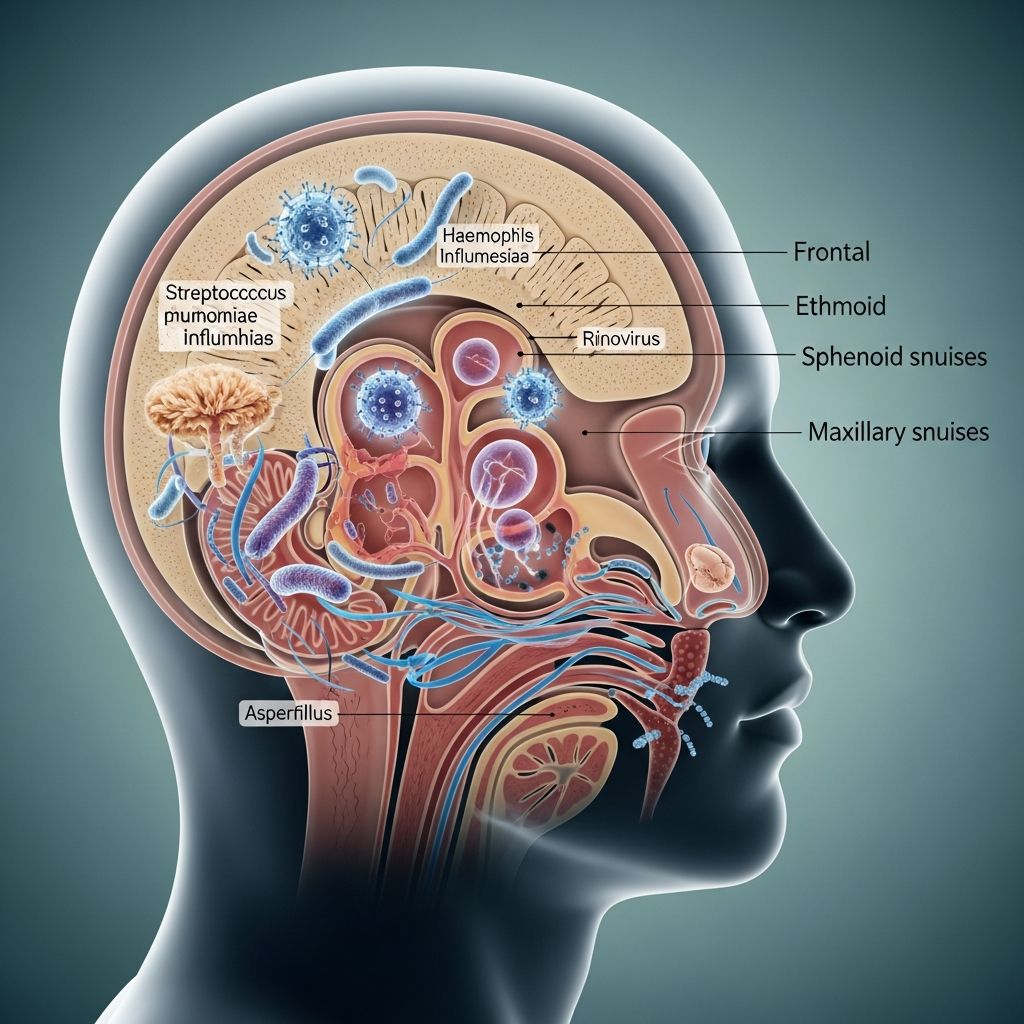
Sinus infections, medically known as sinusitis, occur when the tissue lining the sinuses becomes inflamed or swollen, often due to infections or other irritants. The sinuses are air-filled cavities in the skull that connect to the nasal passages, and blockage or infection leads to painful symptoms like facial pressure and congestion. Most cases are acute and resolve within 10 days, but chronic forms can persist longer.
What Are Sinuses?
The sinuses consist of four pairs of air-filled spaces around the nose, cheeks, eyes, and forehead: frontal, maxillary, ethmoid, and sphenoid sinuses. These cavities produce mucus to moisten the nasal passages and trap particles, draining into the nose through small openings. When these openings become blocked, mucus builds up, creating an environment for bacteria or other pathogens to grow, resulting in sinusitis.
Sinus Infection Symptoms
Symptoms of sinus infections often mimic those of a common cold but intensify due to sinus involvement. Common signs include:
- Facial pain or pressure around the eyes, cheeks, nose, or forehead
- Nasal congestion or a stuffy, runny nose with thick, discolored mucus (yellow or green)
- Postnasal drip, leading to sore throat or cough
- Headache, reduced sense of smell, and bad breath
- Fever, fatigue, toothache, or ear pressure in more severe cases
Acute sinusitis symptoms peak within 7-10 days and improve, while bacterial cases may worsen after initial relief. Chronic sinusitis features milder but persistent symptoms lasting over 12 weeks.
Common Causes of Sinus Infections
Sinus infections arise from various triggers that block sinus drainage or introduce pathogens. Understanding these helps in prevention and treatment.
Viral Infections
Viruses cause 90-98% of acute sinusitis cases, typically following a common cold or upper respiratory infection. Rhinoviruses, influenza, or even COVID-19 swell nasal tissues, blocking sinus openings and trapping mucus. Symptoms usually resolve in 7-10 days without antibiotics, as viral infections self-limit.[10]
Bacterial Infections
Bacteria like Streptococcus pneumoniae or Haemophilus influenzae cause secondary infections in 0.5-2% of cases, often after a viral cold. Symptoms persist beyond 10 days, worsen after improvement, or include severe pain and high fever. Antibiotics are effective here but reserved to avoid resistance.
Fungal Infections
Fungi rarely cause sinusitis in healthy people but affect those with weakened immunity, diabetes, or chronic conditions. Allergic fungal sinusitis involves immune reactions to fungal spores, while invasive forms require urgent antifungal treatment. Diagnosis often needs imaging or endoscopy.
Allergies and Sinus Infections
Allergic rhinitis inflames nasal passages, blocking sinuses and promoting infections. Pollen, dust mites, or pet dander trigger histamine release, causing congestion and postnasal drip. People with allergies or asthma face higher chronic sinusitis risk. Antihistamines and nasal steroids help manage this link.
Structural Problems That Cause Sinus Infections
Anatomical issues prevent proper drainage:
- Deviated septum: Crooked nasal divider blocks airflow
- Nasal polyps: Noncancerous growths from chronic inflammation
- Enlarged turbinates: Swollen nasal structures narrowing passages
Related Stories



Surgery like septoplasty or polypectomy may be needed for recurrent cases.
Risk Factors for Sinus Infections
Certain factors increase susceptibility:
| Risk Factor | Description |
|---|---|
| Previous respiratory infections | Colds or flu weaken sinus defenses |
| Allergies or asthma | Chronic inflammation heightens risk |
| Smoking or secondhand smoke | Irritates and impairs ciliary function |
| Weakened immune system | From HIV, chemotherapy, or age |
| Environmental irritants | Pollution, dry air, or frequent flying |
Children and those with cystic fibrosis or immotile cilia syndrome are also vulnerable.
When to See a Doctor for a Sinus Infection
Seek medical care if symptoms last over 10 days, worsen severely, or include high fever (>102°F), vision changes, swelling around eyes, stiff neck, or confusion. These signal complications like orbital cellulitis or meningitis. Providers diagnose via exam, symptoms, or CT scans; cultures guide antibiotic choice.
How Sinus Infections Are Diagnosed
Diagnosis starts with history and nasal exam. Imaging (CT/MRI) visualizes blockages; endoscopy inspects sinuses; allergy/sweat tests identify contributors. Bacterial confirmation uses antral puncture, though rarely.
Treatments for Sinus Infections
Treatment targets cause and symptoms:
- Home remedies: Saline irrigation, humidifiers, warm compresses, hydration
- OTC meds: Decongestants (pseudoephedrine), pain relievers (ibuprofen), nasal steroids
- Prescription: Antibiotics for bacterial (amoxicillin-clavulanate); antifungals for fungal
- Surgery: For chronic cases—balloon sinuplasty or functional endoscopic surgery
Acupuncture or massage may ease pain.
How to Prevent Sinus Infections
Prevention focuses on hygiene and management:
- Wash hands frequently; avoid touching face
- Use saline sprays during colds or allergies
- Manage allergies with meds and avoidance
- Quit smoking; use humidifiers in dry climates
- Get flu/COVID vaccines; stay hydrated
Frequently Asked Questions (FAQs)
How long does a sinus infection last?
Acute viral sinusitis lasts 7-10 days; bacterial up to 2 weeks with treatment. Chronic exceeds 12 weeks.
Do I need antibiotics for a sinus infection?
No, most are viral. Antibiotics are for confirmed bacterial cases to prevent resistance.
Can allergies cause sinus infections?
Yes, by blocking sinuses and promoting mucus buildup.
What’s the difference between a cold and sinus infection?
Colds resolve quicker without facial pain; sinusitis adds pressure and lasts longer.
Can sinus infections spread to the brain?
Rarely, but severe untreated cases can lead to meningitis—seek immediate care for warning signs.
References
- Sinusitis — MedlinePlus (U.S. National Library of Medicine). 2023. https://medlineplus.gov/sinusitis.html
- Sinus Infection (Sinusitis): Causes, Symptoms & Treatment — Cleveland Clinic. 2023-08-25. https://my.clevelandclinic.org/health/diseases/17701-sinusitis
- Sinus Infection — ACAAI Public Website. 2023. https://acaai.org/allergies/allergic-conditions/sinus-infection/
- Sinusitis — Merck Manuals. 2024. https://www.merckmanuals.com/home/ear-nose-and-throat-disorders/nose-and-sinus-disorders/sinusitis
- Sinusitis (sinus infection) — NHS. 2020-03-02. https://www.nhs.uk/conditions/sinusitis-sinus-infection/
- Acute sinusitis — Mayo Clinic. 2023-10-10. https://www.mayoclinic.org/diseases-conditions/acute-sinusitis/symptoms-causes/syc-20351671
- Sinus Infection Symptoms, Diagnosis, Treatment & Management — AAAAI. 2023. https://www.aaaai.org/conditions-treatments/allergies/sinusitis
Similar Articles








Read full bio of Sneha Tete