27 Causes of Stomachaches and How to Treat Them
Understand the most common causes of stomach pain and discover effective relief strategies for each condition.
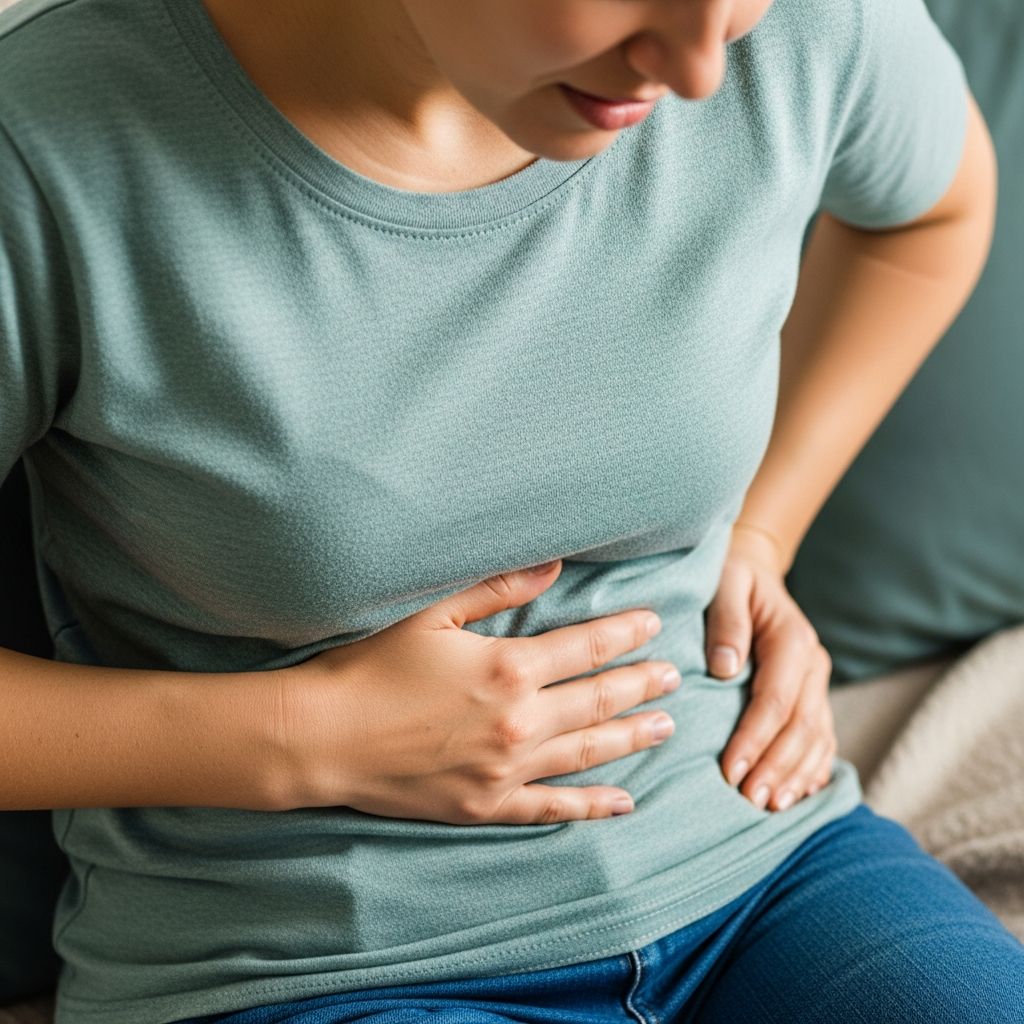
Stomach pain is one of the most common complaints people experience, ranging from mild discomfort to severe cramping that interferes with daily activities. While some stomachaches resolve on their own within hours or days, others may signal an underlying medical condition requiring professional attention. Understanding the potential causes of your stomach pain is the first step toward finding appropriate relief and knowing when to seek medical care.
Abdominal pain can originate from various organs and systems within the digestive tract, including the stomach, small intestine, large intestine, pancreas, and gallbladder. The intensity, duration, and location of pain can provide valuable clues about its underlying cause. This comprehensive guide explores 27 common causes of stomachaches and provides evidence-based strategies for managing each condition.
Common Functional Digestive Disorders
1. Indigestion (Dyspepsia)
Indigestion is characterized by discomfort or pain in the upper abdomen, often accompanied by bloating, belching, and nausea. This common condition typically occurs after eating, particularly after consuming fatty, greasy, or spicy foods. Stress and eating too quickly can also trigger indigestion symptoms.
Relief strategies: Eat smaller, more frequent meals; avoid trigger foods; take over-the-counter antacids like calcium carbonate or magnesium hydroxide; and allow adequate time for digestion before lying down.
2. Gas and Bloating
Excessive gas production and bloating result from fermentation of undigested food by intestinal bacteria. Certain foods like beans, cruciferous vegetables, whole grains, and carbonated beverages are common culprits.
Relief strategies: Reduce consumption of gas-producing foods; eat slowly and chew thoroughly; use simethicone products that help break up gas bubbles; consider probiotics; and increase physical activity to promote gas movement through the digestive tract.
3. Acid Reflux and GERD
Gastroesophageal reflux disease (GERD) occurs when stomach acid backs up into the esophagus, causing heartburn and chest discomfort that can mimic heart pain. This condition affects millions of people worldwide and can develop into serious complications if left untreated.
Relief strategies: Elevate the head of your bed; avoid eating before bedtime; limit acidic foods and beverages; maintain a healthy weight; and use proton pump inhibitors or H2 blockers as directed by a healthcare provider.
4. Irritable Bowel Syndrome (IBS)
IBS is a functional disorder characterized by abdominal pain, bloating, diarrhea, and constipation. It affects the large intestine and is one of the most common gastrointestinal conditions, with symptoms that vary widely between individuals.
Relief strategies: Follow a low-FODMAP diet; increase dietary fiber gradually; manage stress through meditation or yoga; stay hydrated; and work with a gastroenterologist to develop a personalized treatment plan that may include medications or behavioral therapy.
Related Stories



Inflammatory and Infectious Causes
5. Gastroenteritis (Stomach Flu)
Viral or bacterial gastroenteritis causes inflammation of the stomach and intestines, resulting in acute abdominal pain, diarrhea, vomiting, and fever. This highly contagious condition spreads through contaminated food, water, or direct contact with infected individuals.
Relief strategies: Stay hydrated with electrolyte solutions; rest; eat bland, easy-to-digest foods once nausea subsides; and avoid dairy and fatty foods during recovery. Most cases resolve within a few days without specific treatment.
6. Food Poisoning
Food poisoning results from consuming food contaminated with harmful bacteria, viruses, or toxins. Symptoms typically appear within hours of exposure and include severe abdominal cramps, diarrhea, vomiting, and fever.
Relief strategies: Rest your digestive system; drink clear fluids and electrolyte solutions; eat light, bland foods; and avoid anti-diarrheal medications unless advised by a healthcare provider, as these can sometimes prolong infection. Seek medical attention if symptoms persist beyond 48 hours or if dehydration develops.
7. Inflammatory Bowel Disease (IBD)
Crohn’s disease and ulcerative colitis are chronic inflammatory conditions affecting the digestive tract. These autoimmune diseases cause persistent abdominal pain, diarrhea, and other serious complications requiring long-term medical management.
Relief strategies: Work closely with a gastroenterologist; follow prescribed anti-inflammatory medications; maintain a food diary to identify triggers; consider dietary modifications; and manage stress, which often exacerbates symptoms.
Organ-Specific Conditions
8. Gallstones and Gallbladder Disease
Gallstones form when bile hardens into crystals within the gallbladder, causing sudden, severe pain in the upper right abdomen, often after eating fatty meals. This condition is more common in women, people over 40, and those with obesity.
Relief strategies: Apply heat to the affected area; reduce dietary fat intake; maintain a healthy weight; avoid trigger foods; and consult a physician if pain persists, as surgical intervention may be necessary.
9. Kidney Stones
Kidney stones are hard mineral deposits that form in the kidneys and cause intense, radiating pain in the abdomen and back. This condition predominantly affects middle-aged adults and requires immediate medical evaluation for severe pain.
Relief strategies: Take over-the-counter pain relievers; drink plenty of water to promote stone passage; apply heat to reduce discomfort; and seek medical treatment if pain is severe or if infection develops.
10. Appendicitis
Inflammation of the appendix causes acute pain that typically begins near the navel and moves to the lower right abdomen. This is a medical emergency requiring immediate surgical intervention to prevent rupture and serious complications.
Relief strategies: Do not attempt self-treatment. Seek emergency medical care immediately if you suspect appendicitis, as delay increases risk of perforation and sepsis.
11. Diverticulitis
Diverticulitis occurs when small pouches in the colon become inflamed or infected, causing severe pain usually concentrated in the lower left abdomen. This condition is more prevalent in older adults and can lead to serious complications.
Relief strategies: Rest; consume clear liquids initially; gradually reintroduce soft, low-fiber foods; take prescribed antibiotics; and increase dietary fiber once acute inflammation resolves. Severe cases may require hospitalization or surgery.
12. Peptic Ulcer Disease
Peptic ulcers are open sores that develop in the stomach lining or small intestine, typically caused by Helicobacter pylori infection or excessive NSAID use. These ulcers cause burning pain in the upper abdomen, particularly between meals.
Relief strategies: Take proton pump inhibitors to reduce stomach acid; undergo treatment for H. pylori infection if present; avoid NSAIDs; reduce stress; and eliminate smoking and alcohol use.
Food-Related and Lifestyle Causes
13. Lactose Intolerance
Lactose intolerance develops when the body lacks sufficient lactase enzyme to digest lactose, the primary sugar in milk and dairy products. This causes abdominal pain, bloating, gas, and diarrhea after consuming dairy.
Relief strategies: Avoid or limit dairy products; use lactose-free alternatives; take lactase enzyme supplements before consuming dairy; or try fermented dairy products like yogurt and cheese, which are easier to digest.
14. Celiac Disease and Non-Celiac Gluten Sensitivity
Celiac disease is an autoimmune condition where consuming gluten triggers intestinal inflammation and damage. Non-celiac gluten sensitivity causes similar symptoms without the autoimmune component. Both conditions cause abdominal pain, bloating, and diarrhea.
Relief strategies: Strictly avoid gluten-containing foods; work with a dietitian to ensure adequate nutrition; take supplements as needed for nutrient deficiencies; and consult a gastroenterologist for proper diagnosis and management.
15. Constipation
Constipation causes pain and discomfort when stool remains in the colon too long. Contributing factors include low fiber intake, inadequate hydration, physical inactivity, and certain medications.
Relief strategies: Increase dietary fiber gradually; drink adequate water; engage in regular exercise; use over-the-counter stool softeners or laxatives as needed; and establish a regular bathroom routine. Chronic constipation may require medical evaluation.
16. Diarrhea
Diarrhea accompanied by cramping and abdominal pain can result from infections, food sensitivities, medications, or underlying gastrointestinal conditions. Acute diarrhea typically resolves within a few days.
Relief strategies: Stay hydrated with electrolyte solutions; rest your digestive system; gradually reintroduce bland, easy-to-digest foods; avoid dairy and fatty foods; and use antidiarrheal medications only if recommended by a healthcare provider.
Other Common Causes
17. Stress and Anxiety
The gut-brain connection is powerful, and stress or anxiety can trigger genuine physical symptoms including stomach pain, nausea, and changes in bowel habits. This psychosomatic response is mediated by the enteric nervous system.
Relief strategies: Practice stress-reduction techniques such as meditation, deep breathing, or progressive muscle relaxation; engage in regular exercise; maintain consistent sleep schedules; consider therapy or counseling; and limit caffeine and alcohol consumption.
18. Menstrual Cramps
Dysmenorrhea refers to painful menstrual cramps caused by uterine contractions and prostaglandin production. This affects many women during their menstrual cycle and can significantly impact quality of life.
Relief strategies: Take over-the-counter nonsteroidal anti-inflammatory drugs like ibuprofen; apply heat to the abdomen or lower back; engage in light exercise; practice relaxation techniques; and consult a gynecologist if pain is severe or worsening.
19. Urinary Tract Infections (UTIs)
UTIs can cause abdominal and pelvic pain along with urinary symptoms like dysuria and frequency. Untreated UTIs may progress to more serious kidney infections.
Relief strategies: Drink plenty of water; take prescribed antibiotics as directed; apply heat to provide temporary relief; and seek prompt medical evaluation if symptoms develop.
20. Muscle Strain
Abdominal wall muscle strain from excessive exercise, heavy lifting, or sudden movements can cause localized pain that worsens with specific movements or positions.
Relief strategies: Rest the affected area; apply ice initially, then heat after 48 hours; take over-the-counter pain relievers; use compression wraps; and gradually return to activity once pain subsides.
Serious and Emergency Conditions
21. Pancreatitis
Inflammation of the pancreas causes severe, constant abdominal pain in the upper middle region, often radiating to the back. This condition requires immediate medical evaluation.
Relief strategies: Seek emergency medical care immediately; expect hospitalization for pain management and treatment of underlying causes; avoid alcohol; and follow dietary restrictions as recommended by healthcare providers.
22. Bowel Obstruction
Intestinal obstruction prevents food and digestive juices from moving normally through the digestive tract, causing severe pain, vomiting, and constipation. This is a surgical emergency.
Relief strategies: Do not attempt self-treatment. Seek emergency medical care immediately for severe pain, persistent vomiting, inability to pass stool, or abdominal distension.
23. Abdominal Aortic Aneurysm
An abdominal aortic aneurysm represents a potentially life-threatening condition involving weakening of the aorta wall. This causes sudden, severe pain in the abdomen or back and requires immediate emergency intervention.
Relief strategies: Call emergency services immediately if sudden, severe abdominal or back pain develops. Do not delay seeking emergency care.
24. Meningitis
While primarily a brain infection, meningitis can cause abdominal pain along with fever, headache, and neck stiffness. This is a serious, potentially life-threatening condition requiring immediate medical attention.
Relief strategies: Seek emergency medical care immediately if symptoms suggesting meningitis develop. Early antibiotics are crucial for survival and recovery.
25. Heart Attack
In some cases, particularly in women, heart attacks present with abdominal pain rather than classic chest symptoms. Any unexplained severe abdominal pain should be medically evaluated.
Relief strategies: Call emergency services immediately if chest discomfort, shortness of breath, or severe abdominal pain develops, especially with nausea or sweating.
Less Common Causes
26. Endometriosis
In women, endometriosis—where uterine tissue grows outside the uterus—causes chronic pelvic and abdominal pain, particularly during menstruation. This condition requires specialized medical management.
Relief strategies: Take prescribed pain medications; use hormonal contraceptives to manage symptoms; apply heat; engage in gentle exercise; and work with a gynecologist to develop a comprehensive treatment plan.
27. Food Allergies
True food allergies trigger immune responses that can cause abdominal pain, swelling, and potentially life-threatening anaphylaxis. Severe reactions require immediate emergency intervention.
Relief strategies: Strictly avoid allergens; carry an epinephrine auto-injector if prescribed; wear medical alert identification; and work with an allergist to identify and manage food allergies safely.
When to Seek Medical Care
While many stomachaches resolve independently, certain situations warrant immediate medical attention:
- Severe pain that prevents normal activities
- Pain lasting more than a few days without improvement
- Pain accompanied by fever, persistent vomiting, or inability to keep fluids down
- Signs of dehydration such as excessive thirst, dark urine, or dizziness
- Blood in stool or vomit
- Sudden onset of severe pain without preceding symptoms
- Pain radiating to the chest or shoulders
- Abdominal swelling or rigidity
- Symptoms suggesting serious underlying conditions
Prevention Strategies
Many stomachaches can be prevented through lifestyle modifications:
- Eat slowly and chew food thoroughly
- Maintain regular meal schedules
- Stay adequately hydrated throughout the day
- Increase dietary fiber gradually while maintaining proper hydration
- Identify and avoid personal food triggers
- Manage stress through relaxation techniques and regular exercise
- Maintain a healthy weight
- Get adequate sleep
- Practice food safety and proper hygiene
- Limit alcohol and caffeine consumption
Frequently Asked Questions
Q: How long should I wait before seeking medical care for stomach pain?
A: If pain is severe or accompanied by warning signs like fever, persistent vomiting, or blood in stool, seek immediate care. For mild to moderate pain, monitor symptoms for 24-48 hours. If pain persists beyond this timeframe or worsens, consult a healthcare provider.
Q: What over-the-counter medications are safe for stomach pain?
A: Antacids, H2 blockers, and proton pump inhibitors work well for acid-related pain. Acetaminophen is generally safe for pain relief. Avoid NSAIDs if you have ulcers or take blood thinners. Always follow package directions and consult a pharmacist or physician with questions.
Q: Can stress really cause stomach pain?
A: Yes, the gut-brain connection is well-established. Stress triggers the release of hormones and neurotransmitters that affect digestive function, causing genuine physical symptoms including pain, cramping, and changes in bowel habits.
Q: Are there dietary changes that can help prevent stomachaches?
A: Yes, eating slowly, consuming smaller meals more frequently, avoiding trigger foods, increasing fiber gradually, and staying hydrated all help prevent many types of stomachaches. Identifying personal food sensitivities is also important.
Q: When is stomach pain a sign of something serious?
A: Sudden severe pain, pain accompanied by fever or vomiting, inability to keep fluids down, blood in stool or vomit, and pain radiating to the chest are warning signs requiring immediate medical evaluation.
References
- Gastroenterology Overview — National Institute of Diabetes and Digestive and Kidney Diseases (NIDDK), U.S. Department of Health and Human Services. 2024. https://www.niddk.nih.gov/health-information/digestive-diseases
- Abdominal Pain in Adults — American College of Gastroenterology. 2023. https://gi.org/topics/abdominal-pain/
- Irritable Bowel Syndrome: Clinical Manifestations and Diagnosis — UpToDate Medical Information Database. Last updated 2024. https://www.uptodate.com
- Peptic Ulcer Disease — Mayo Clinic. 2024. https://www.mayoclinic.org/diseases-conditions/peptic-ulcer/symptoms-causes/syc-20354537
- Celiac Disease Diagnosis and Management — National Institutes of Health (NIH). 2024. https://www.nih.gov/health-information
- Acute Gastroenteritis in Adults and Children: Management and Prevention — American Gastroenterological Association. 2023. https://gastro.org
Similar Articles








Read full bio of Sneha Tete