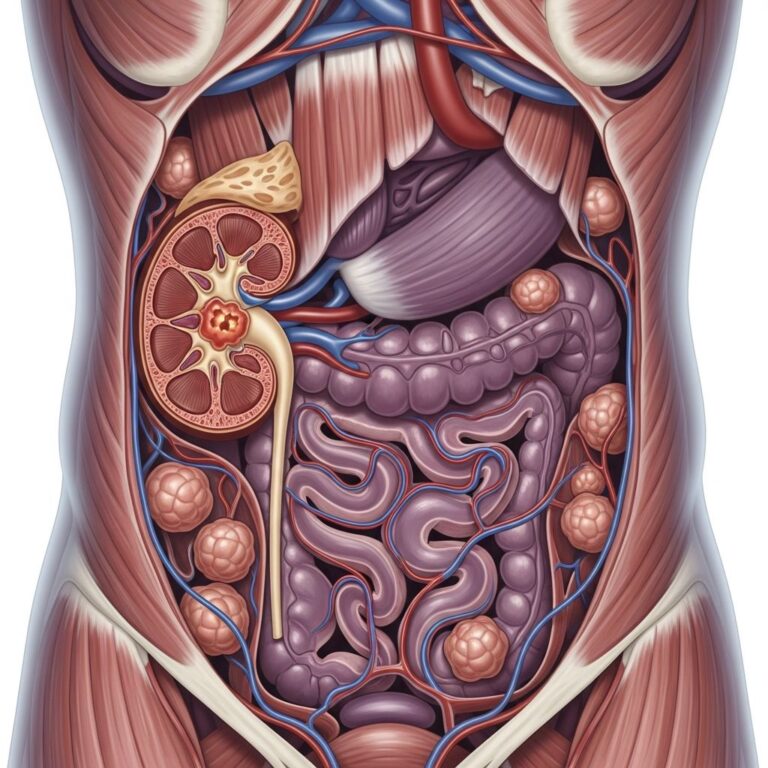
Causes of Vitamin D Deficiency and How to Treat It
Discover why vitamin D deficiency happens and proven strategies to restore healthy levels naturally.

Vitamin D deficiency is a widespread health concern affecting millions of people worldwide. Often called the “sunshine vitamin,” vitamin D is produced by your body when your skin is exposed to sunlight and is essential for bone health, immune function, and overall wellness. Understanding the causes of this deficiency and how to address it can help you maintain optimal health and prevent serious complications.
What Is Vitamin D and Why Does Your Body Need It?
Vitamin D is a fat-soluble vitamin that plays critical roles in your body’s functioning. Your body naturally produces vitamin D from cholesterol when your skin is exposed to ultraviolet (UV) rays from sunlight. Beyond sun exposure, you can obtain vitamin D from certain foods and supplements.
This vital nutrient serves multiple essential functions:
- Regulates calcium and phosphorus absorption in the intestines
- Maintains healthy bone density and supports bone growth
- Strengthens your immune system by interacting with cells that address infections
- Regulates cell growth and neuromuscular function
- Reduces inflammation throughout the body
- May help prevent certain cancers and protect against chronic diseases
Without adequate vitamin D, your bones become thin, brittle, and prone to fractures. Your muscles weaken, and your immune system becomes compromised, making you more susceptible to illness.
Common Causes of Vitamin D Deficiency
Vitamin D deficiency develops when your body doesn’t get enough of this crucial nutrient from sun exposure, diet, or supplements. Multiple factors can contribute to inadequate vitamin D levels:
Limited Sun Exposure
One of the primary causes of vitamin D deficiency is insufficient sunlight exposure. Your skin naturally synthesizes vitamin D when exposed to UVB rays, but several circumstances can restrict this process:
- Geographic location: People living far from the equator or in regions with minimal sunlight year-round produce less vitamin D naturally
- Seasonal variations: Winter months provide fewer daylight hours and weaker UVB rays, reducing vitamin D production
- Indoor lifestyle: Spending most of your time indoors limits sun exposure significantly
- Sunscreen use: While protective against skin cancer, sunscreen blocks UVB rays needed for vitamin D synthesis
- Clothing coverage: Wearing clothing that covers most of your body reduces sun exposure on skin
Dietary Insufficiency
Few foods naturally contain significant amounts of vitamin D. While some foods are fortified with this nutrient, relying solely on diet can make it difficult to achieve adequate vitamin D levels. Limited dietary sources include fatty fish (salmon, mackerel, sardines), egg yolks, and fortified dairy or plant-based milk alternatives.
Darker Skin Tone
Individuals with darker skin tones require significantly more sun exposure to produce adequate vitamin D compared to those with lighter skin. This is because melanin, the pigment that gives skin its color, reduces the skin’s ability to synthesize vitamin D from sunlight. African American infants and children are at particularly high risk of vitamin D deficiency and related complications like rickets.
Related Stories



Age-Related Factors
Certain age groups face increased risk of vitamin D deficiency:
- Infants who are breastfeeding: Breast milk contains minimal vitamin D, putting exclusively breastfed infants at risk unless they receive supplementation
- Adults age 65 and older: Older adults have reduced ability to synthesize vitamin D from sunlight and may have dietary restrictions that limit vitamin D intake
Weight-Related Issues
People with overweight or obesity have increased risk of vitamin D deficiency. Vitamin D is fat-soluble, meaning it dissolves in fat. In individuals with excess body fat, vitamin D becomes sequestered in fatty tissue and is less available for use by the body.
Malabsorption Disorders
Certain health conditions affect your body’s ability to absorb nutrients, including vitamin D:
- Crohn’s disease
- Celiac disease
- Cystic fibrosis
- Ulcerative colitis
- Inflammatory bowel disease
Kidney and Liver Disease
Your kidneys and liver play essential roles in converting vitamin D into its active form. Chronic kidney disease or liver disease impairs this conversion process, leading to vitamin D deficiency even if your intake is adequate.
Medications That Interfere With Vitamin D
Certain medications can affect vitamin D metabolism and absorption:
- Statins: Cholesterol-lowering medications
- Anticonvulsants: Including carbamazepine, used for seizures and nerve pain
- Steroids: Such as dexamethasone and prednisone, used to reduce inflammation
- Cholesterol-lowering drugs: Including cholestyramine and colestipol
- Antifungal medications: Such as clotrimazole
If you take any of these medications regularly, discuss vitamin D levels with your healthcare provider.
Symptoms and Signs of Vitamin D Deficiency
Vitamin D deficiency symptoms can be subtle and often go unrecognized. Many people attribute their symptoms to other causes, delaying diagnosis and treatment. Common signs include:
Fatigue and Tiredness
One of the most frequently reported symptoms of vitamin D deficiency is persistent fatigue. Research demonstrates a clear connection between low vitamin D levels and exhaustion. A 2019 study involving 480 older adults linked vitamin D deficiency with fatigue symptoms, while a 2015 study of female nurses found that 89% of those with vitamin D deficiency reported self-reported fatigue. In children, vitamin D deficiency has been associated with poor sleep quality, shorter sleep duration, and delayed bedtimes, all contributing to increased daytime fatigue.
Bone and Back Pain
Vitamin D helps maintain bone health by improving your body’s absorption of calcium. Insufficient vitamin D leads to weakened bones and characteristic pain patterns. A 2018 review of 81 studies found that people with arthritis, muscle pain, and chronic widespread pain had significantly lower vitamin D levels than those without these conditions. Another 2018 study in 98 adults with lower back pain showed that reduced vitamin D levels correlated with more severe pain.
Muscle Weakness and Pain
Muscle pain and weakness are common manifestations of vitamin D deficiency. The vitamin D receptor is present in nerve cells called nociceptors, which sense pain. This vitamin also plays a role in your body’s pain signaling pathways. A 2014 study found that 71% of people with chronic pain had a vitamin D deficiency. Athletes may experience particular difficulties with muscle cramps and general weakness.
Frequent Illness and Infections
Vitamin D directly interacts with cells responsible for addressing infections. People with low vitamin D levels experience more frequent colds, respiratory tract infections such as bronchitis and pneumonia, and other viral diseases. A weakened immune system makes you more susceptible to bacterial and fungal infections as well.
Mood Changes and Mental Health
Vitamin D deficiency has been linked to depression, anxiety, and other mood disturbances. Some research suggests vitamin D plays a role in neurotransmitter regulation and brain function, explaining the connection between deficiency and mental health symptoms.
Impaired Wound Healing
Slow wound healing after surgery or injury may indicate low vitamin D levels. A 2019 review found that vitamin D deficiency compromised healing in people who had dental surgery. Vitamin D increases production of compounds crucial for forming new skin during wound repair. A 12-week study involving 60 people with diabetes-related foot ulcers showed that those taking vitamin D supplements experienced significant improvements in healing compared with those receiving placebo.
Symptoms in Children
Children with vitamin D deficiency may show more obvious symptoms because they are still growing:
- Weak, sore, and painful muscles
- Incorrect growth patterns with bowed or bent bones
- Delayed motor development
- Muscle weakness and bone pain
Serious Complications of Untreated Vitamin D Deficiency
When left untreated, severe vitamin D deficiency can lead to serious health complications:
Rickets in Children
Rickets is a rare but serious disease causing bones to become soft and bend incorrectly. While treatable and often curable, early intervention is crucial. Without proper treatment, mild cases can result in long-term bone damage preventing normal growth. Severe untreated rickets can lead to seizures, heart damage, and death.
Osteomalacia in Adults
Severe vitamin D deficiency in adults causes osteomalacia, characterized by weak bones, diffuse bone pain, and muscle weakness. Adults with osteomalacia often experience global bone discomfort and muscle aches, sometimes leading to misdiagnosis as fibromyalgia, chronic fatigue syndrome, or arthritis.
Osteoporosis and Fractures
Chronic vitamin D deficiency reduces bone density, contributing to osteoporosis and increased fracture risk, particularly in older individuals. The deficiency triggers secondary hyperparathyroidism, which accelerates bone turnover and causes cortical bone thinning.
How Vitamin D Deficiency Is Treated
Treatment for vitamin D deficiency is highly effective and typically straightforward. Your healthcare provider will create a personalized treatment plan based on your specific needs and lifestyle.
Vitamin D Supplements
The primary treatment for vitamin D deficiency involves supplementation. Over-the-counter options include:
- Vitamin D2 (ergocalciferol): Plant-derived form
- Vitamin D3 (cholecalciferol): Animal-derived form, often more effective
For severe deficiency, doctors prescribe high-dose vitamin D (up to 50,000 IU), or recommend vitamin D injections. Your healthcare provider will determine the appropriate dosage for your condition.
Increased Sun Exposure
Spending more time in sunlight helps your body produce vitamin D naturally. However, safe sun exposure practices are essential to prevent skin cancer. Generally, 10-30 minutes of midday sun exposure several times per week is sufficient for most people to maintain adequate vitamin D levels.
Dietary Changes
Incorporating vitamin D-rich foods supports supplementation and sun exposure efforts:
- Fatty fish (salmon, mackerel, sardines)
- Egg yolks
- Fortified milk and plant-based milk alternatives
- Fortified cereals and orange juice
- Mushrooms exposed to sunlight
Addressing Underlying Conditions
If malabsorption disorders or kidney/liver disease contribute to your deficiency, treating these underlying conditions is essential. Your healthcare provider may adjust medications that interfere with vitamin D metabolism.
Avoiding Vitamin D Toxicity
While vitamin D deficiency is common, toxicity can occur with excessive supplementation. Taking more than recommended amounts raises blood calcium levels, potentially causing nausea, fatigue, confusion, and kidney damage in severe cases. Always work with your doctor to determine the appropriate dose for your individual needs.
Frequently Asked Questions
Q: How do I know if I have vitamin D deficiency?
A: The only way to know for certain is through a blood test measuring your 25-hydroxyvitamin D level. Consult your healthcare provider if you experience symptoms like fatigue, bone pain, or muscle weakness, especially if you’re at higher risk.
Q: How long does it take to correct vitamin D deficiency?
A: Treatment duration depends on the severity of your deficiency and your individual circumstances. Mild deficiencies may improve in weeks, while severe cases may require months of supplementation. Your doctor will monitor your progress through follow-up blood tests.
Q: Can I get enough vitamin D from food alone?
A: For most people, it’s challenging to obtain sufficient vitamin D from diet alone. A combination of sun exposure, dietary sources, and supplementation is typically necessary to maintain optimal levels.
Q: Are certain people at higher risk for vitamin D deficiency?
A: Yes. People with darker skin, older adults, those with limited sun exposure, individuals with malabsorption disorders, and people taking certain medications face increased risk.
Q: Should I take vitamin D supplements year-round?
A: This depends on your location, sun exposure, diet, and individual needs. Consult your healthcare provider about whether year-round supplementation is appropriate for you.
References
- Vitamin D Deficiency: Symptoms, Treatments, and Causes — Healthline. Accessed 2025. https://www.healthline.com/nutrition/vitamin-d-deficiency-symptoms
- What Causes Vitamin D Deficiency and How to Treat It — Scripps Health. Accessed 2025. https://www.scripps.org/news_items/7374-what-causes-vitamin-d-deficiency
- Vitamin D Deficiency: Causes, Symptoms & Health Risks — WebMD. Accessed 2025. https://www.webmd.com/diet/vitamin-d-deficiency
- Vitamin D Deficiency: Causes, Symptoms & Treatment — Cleveland Clinic. Accessed 2025. https://my.clevelandclinic.org/health/diseases/15050-vitamin-d-vitamin-d-deficiency
- Vitamin D Deficiency — NCBI Bookshelf (StatPearls). National Center for Biotechnology Information. 2024. https://www.ncbi.nlm.nih.gov/books/NBK532266/
- Vitamin D Deficiency — MedlinePlus. U.S. National Library of Medicine. Accessed 2025. https://medlineplus.gov/vitaminddeficiency.html
- Recognition and Management of Vitamin D Deficiency — American Academy of Family Physicians. 2009. https://www.aafp.org/pubs/afp/issues/2009/1015/p841.html
- Vitamin D Deficiency — Mayo Clinic. Accessed 2025. https://www.mayoclinic.org/healthy-lifestyle/nutrition-and-healthy-eating/expert-answers/vitamin-d-deficiency/faq-20058397
Similar Articles








Read full bio of Sneha Tete