CBT For Insomnia: 6-8 Sessions To Improve Sleep
Discover how cognitive behavioral therapy for insomnia (CBT-I) tackles sleep problems through proven techniques like stimulus control and sleep restriction.
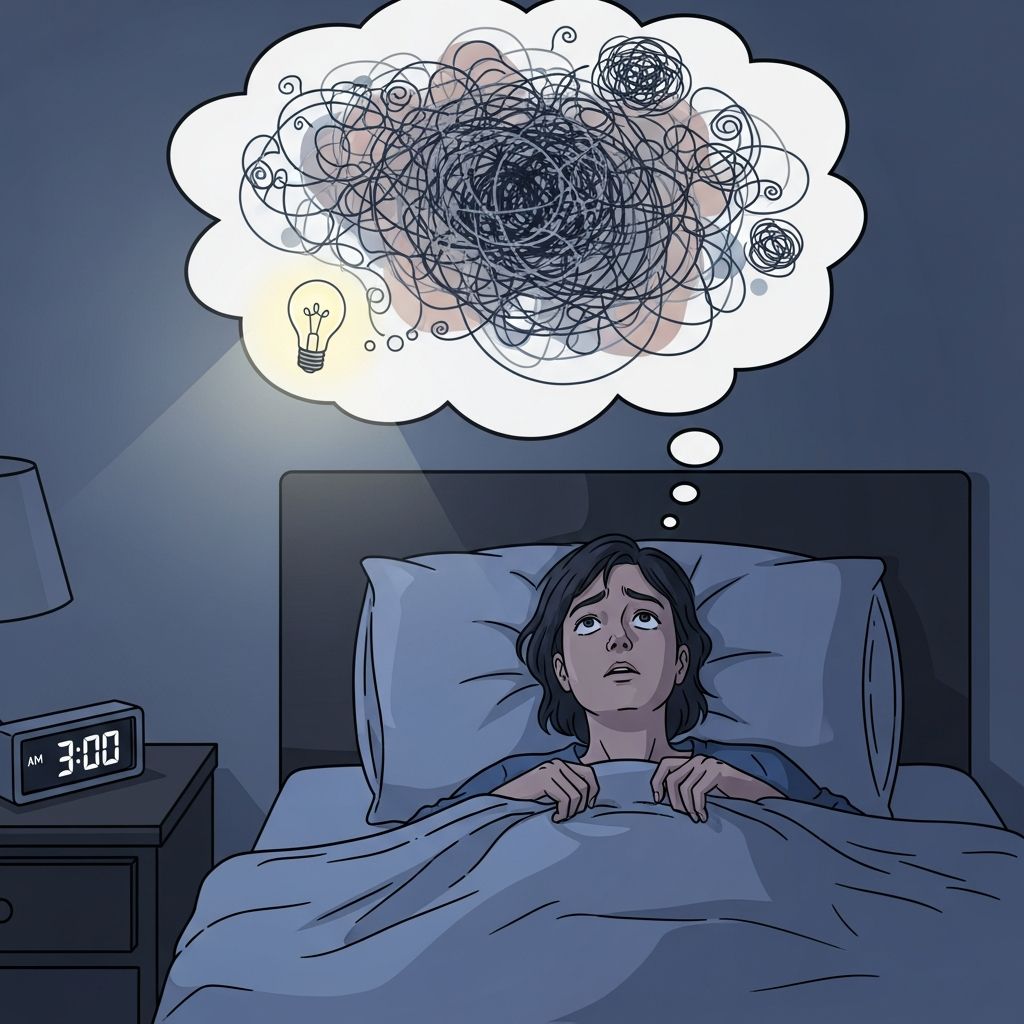
Cognitive behavioral therapy for insomnia (CBT-I) is a structured, evidence-based treatment that addresses the thoughts, behaviors, and habits perpetuating poor sleep. Unlike medications, CBT-I targets root causes for long-term relief, with studies showing remission rates up to 70-80% in patients.
What is insomnia?
Insomnia involves difficulty falling asleep, staying asleep, or achieving restorative sleep despite adequate opportunity. It affects about 10-30% of adults chronically, leading to daytime fatigue, impaired concentration, mood disturbances, and increased health risks like hypertension and depression.
Acute insomnia lasts days to weeks, often triggered by stress or life changes. Chronic insomnia persists for three months or more, maintained by conditioned arousal, irregular sleep schedules, and unhelpful beliefs about sleep needs.
What causes insomnia?
Insomnia arises from a three-factor model: predisposing factors (genetics, personality), precipitating factors (stress, illness), and perpetuating factors (poor sleep hygiene, worry in bed).
- Predisposing: Hyperarousal, perfectionism, or family history make some more vulnerable.
- Precipitating: Jet lag, loss, or pain initiate episodes.
- Perpetuating: Napping, clock-watching, or caffeine use sustain it.
CBT-I focuses on perpetuating factors, breaking the cycle where anxiety about sleeplessness worsens arousal.
How is insomnia diagnosed?
Diagnosis relies on patient history, sleep diaries (two weeks tracking bedtime, wake time, quality), and validated questionnaires like the Insomnia Severity Index. Polysomnography is rarely needed except for suspected sleep apnea.
Clinicians assess duration, frequency, daytime impact, and rule out other disorders. Primary insomnia lacks another medical cause; comorbid cases coexist with anxiety or pain.
Treatment options for insomnia
First-line: CBT-I, recommended by American College of Physicians over pills due to durability (effects last years).
- CBT-I: 6-8 sessions, 70-80% success.
- Medications: Benzodiazepines short-term; risks dependency.
- Self-help: Apps, books for mild cases.
CBT-I outperforms drugs long-term, with lower relapse.
What is cognitive behavioural therapy (CBT)?
CBT treats insomnia by changing dysfunctional thoughts and behaviors. Sessions (45-60 minutes, weekly) include education, homework like sleep logs, and tailored techniques.
Delivered in-person, online, or self-guided; in-person yields best subjective quality gains.
What does CBT for insomnia involve?
CBT-I comprises core and adjunct components over 6-8 sessions.
| Session | Focus | Key Activities |
|---|---|---|
| 1-2 | Sleep diary review, education | Introduce 3P model, set baseline. |
| 3 | Sleep restriction/ stimulus control | Prescribe sleep window. |
| 4 | Sleep hygiene | Address habits. |
| 5-7 | Cognitive therapy | Challenge beliefs, adjust schedule. |
| 8 | Relapse prevention | Maintenance plan. |
Stimulus control
Reassociates bed with sleep: Leave bed if awake >20 minutes; no naps, TV, work in bed; consistent rise time.
Reduces sleep-onset latency, improves efficiency.
Sleep restriction
Limits bed time to actual sleep time (e.g., 5.5 hours if averaging 5), increases drive. Expand once efficiency >90%.
Boosts consolidation, efficiency; initial fatigue common but temporary.
Related Stories



Cognitive restructuring
Challenges myths like “8 hours or bust”; replaces with realistic views. Improves subjective quality.
Third-wave components
Mindfulness, acceptance; reduces worry, enhances quality without continuity changes.
Sleep hygiene
Rules: Consistent schedule, no caffeine post-noon, dim lights, cool room. Adjunct, not standalone.
Relaxation
Progressive muscle relaxation, imagery; may not aid remission, potential detriment.
How effective is CBT for insomnia?
Highly effective: 70-80% improve; remission iOR 1.68 for restructuring, 1.49 for restriction.
Best combo (restructuring + third-wave + restriction + control, in-person): 33% remission boost, NNT=3.
Maintains 6-24 months; works for primary/comorbid insomnia.
Side effects of CBT-I
Mild, transient: Sleep restriction causes daytime sleepiness (drive safely); rare increased awakenings.
Lower dropout than meds; third-wave may raise it slightly.
Accessing CBT for insomnia
See GP for referral to psychologist; NHS waits common. Private: £80-150/session. Apps like Sleepio (NHS-approved).
Self-help books: “Say Good Night to Insomnia”.
Can you do CBT for insomnia yourself?
Digital CBT-I (70% efficacy vs in-person). Track diary 1-2 weeks:
- Average total sleep time (TST).
- Sleep efficiency (TST/time in bed x100).
Apply techniques sequentially; consult pro if severe.
Frequently asked questions
Who is CBT-I for?
Adults with insomnia disorder, including comorbid cases.
How long until results?
2-4 weeks; full 6-8 sessions.
CBT-I vs medication?
CBT-I superior long-term, no side effects.
Does it work for everyone?
70-80% yes; adjust for needs.
Can I combine with meds?
Yes, taper meds under guidance.
Key takeaways
- CBT-I first-line for insomnia.
- Core: Stimulus control, restriction.
- Cognitive + behavioral for best results.
- In-person optimal.
References
- Components and Delivery Formats of Cognitive Behavioral Therapy for Insomnia — JAMA Psychiatry. 2023-02-01. https://jamanetwork.com/journals/jamapsychiatry/fullarticle/2814164
- Cognitive Behavioral Therapy for Insomnia (CBT-I): An Overview — Sleep Foundation. 2024-01-01. https://www.sleepfoundation.org/insomnia/treatment/cognitive-behavioral-therapy-insomnia
- Cognitive Behavioral Therapy for Insomnia (CBT-I): A Primer — PMC (NCBI). 2023-03-01. https://pmc.ncbi.nlm.nih.gov/articles/PMC10002474/
- Cognitive Behavioral Therapy for Insomnia – Procedures — Stanford Health Care. 2023-01-01. https://stanfordhealthcare.org/medical-treatments/c/cognitive-behavioral-therapy-insomnia/procedures.html
- How Cognitive Behavioral Therapy for Insomnia Works — Good Health Psych. 2022-01-01. https://goodhealthpsych.com/blog/how-cognitive-behavioral-therapy-for-insomnia-works/
Similar Articles








Read full bio of medha deb