Cefaclor: Complete Guide To Uses, Dosage, And Side Effects
Comprehensive guide to cefaclor uses, dosage, side effects, and safety for bacterial infections.
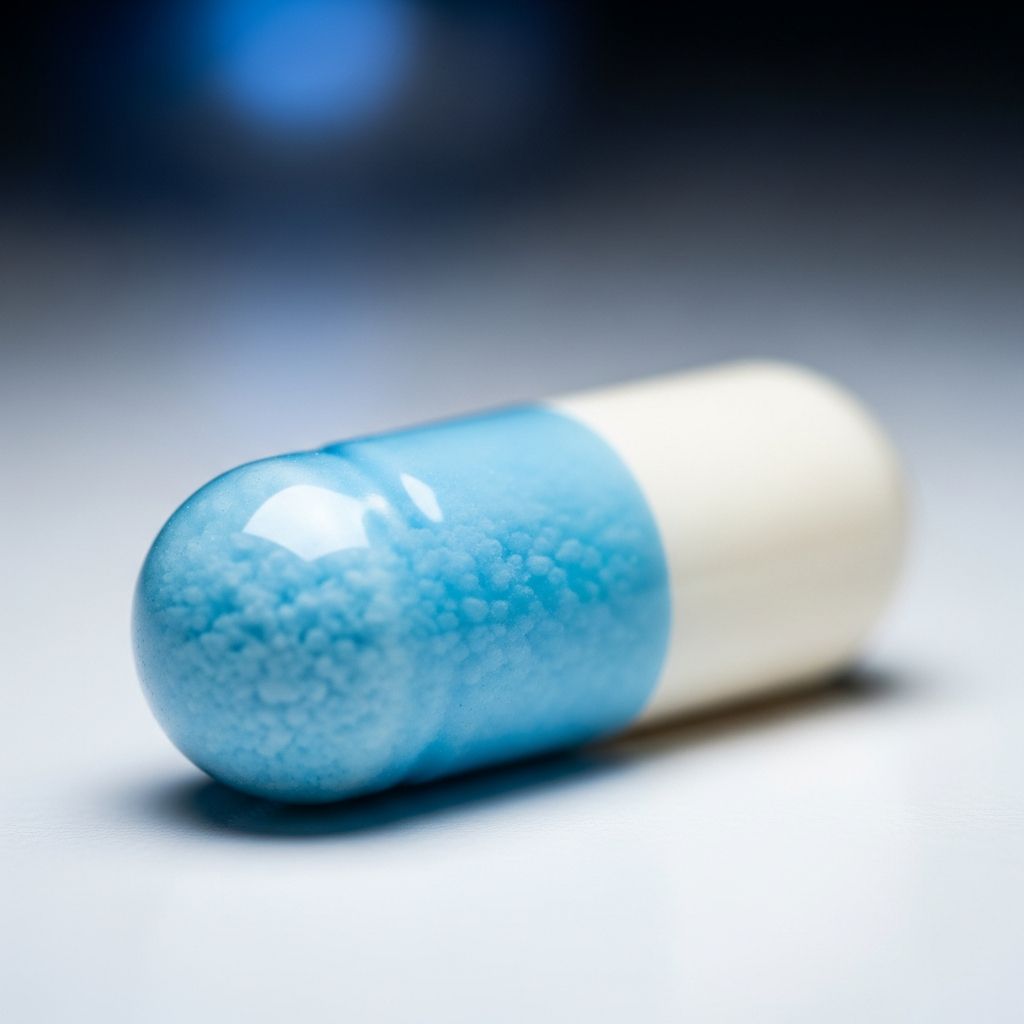
Cefaclor stands as a vital second-generation cephalosporin antibiotic, effective against a range of bacterial infections affecting the respiratory system, skin, ears, throat, and urinary tract. Developed in the 1970s, it targets bacteria by disrupting their cell wall formation, offering relief for conditions like pneumonia, otitis media, and skin infections.
Understanding How Cefaclor Functions in the Body
Cefaclor belongs to the cephalosporin class, which mimics penicillin in structure and action. It binds to penicillin-binding proteins on bacterial cell walls, inhibiting synthesis and leading to bacterial death. This bactericidal mechanism proves effective against both Gram-positive and Gram-negative bacteria.
Key targets include Staphylococcus aureus, Streptococcus pneumoniae, Haemophilus influenzae, and Escherococcus coli. Minimum inhibitory concentrations (MICs) vary: for H. influenzae, 0.03–128 μg/mL; for S. aureus, 0.6–128 μg/mL; and for S. pyogenes, 0.06–4 μg/mL.
Primary Conditions Treated with Cefaclor
Cefaclor addresses infections where first-line treatments fail or are unsuitable. Common applications include:
- Respiratory infections: Pneumonia, bronchitis, and lower respiratory tract issues caused by susceptible bacteria.
- Ear and throat infections: Otitis media, tonsillitis, and pharyngitis, especially in children.
- Skin and soft tissue infections: Cellulitis, impetigo, and wound infections from staphylococci or streptococci.
- Urinary tract infections: Those due to E. coli, Proteus mirabilis, or Klebsiella species.
It excels in outpatient settings due to oral availability, though not suitable for viral illnesses like colds or flu.
Available Forms and Proper Administration
Cefaclor is formulated as capsules, extended-release tablets, and oral suspension for flexible dosing across age groups. Standard regimens involve:
| Form | Dosage Frequency | Food Relation | Duration |
|---|---|---|---|
| Capsules/Liquid | Every 8–12 hours | With or without food | 7–14 days |
| Extended-Release Tablets | Every 12 hours | Within 1 hour of meal | 7–10 days |
Adults typically receive 250–500 mg every 8 hours, up to 4 g daily for severe cases. Children dose by weight: 20–40 mg/kg/day divided. Swallow extended-release tablets whole; shaking suspension ensures even distribution. Improvement often occurs within days, but completing the course prevents resistance.
Dosage Guidelines by Patient Group
- Adults: 250 mg every 8 hours; increase to 500 mg for serious infections.
- Children: 20 mg/kg/day divided every 8 hours; max 1 g/day. For otitis media, up to 40 mg/kg/day.
- Renal impairment: No adjustment needed usually, but monitor closely.
Always consult a healthcare provider for personalized dosing, especially in pediatrics or with comorbidities.
Potential Adverse Effects and Monitoring
While generally well-tolerated, cefaclor can cause side effects ranging from mild to severe. Common ones include:
- Gastrointestinal: Diarrhea, nausea, vomiting (higher doses increase colitis risk).
- Allergic: Rash, itching, hives; rare anaphylaxis in penicillin-allergic patients (cross-reactivity ~1–10%).
- Serum sickness-like: Especially in children—fever, joint pain, rash; may question pediatric use.
- Rare: Toxic epidermal necrolysis, false-positive urine glucose or Coombs test.
Severe signs like difficulty breathing, swelling, or bloody stools warrant immediate medical attention. Report watery diarrhea up to 2 months post-treatment, indicating possible C. difficile.
Related Stories



Special Considerations for Pregnancy and Nursing
Cefaclor poses low risk in pregnancy (Category B); no known harm observed, though data is limited. It enters breast milk in small amounts, generally safe for nursing infants, with rare reports of infant diarrhea or thrush. Acceptable for breastfeeding per expert consensus.
Discuss benefits versus risks with a doctor during pregnancy or lactation.
Drug Interactions to Watch For
Cefaclor interacts with several medications:
- Probenecid: Slows excretion, raising cefaclor levels.
- Antacids: Reduce absorption; space doses 1–2 hours apart.
- Warfarin/Coumarins: May enhance anticoagulation; monitor INR closely.
No major food interactions beyond antacids, but consistent timing aids efficacy.
Who Should Avoid Cefaclor?
Contraindicated in those with cephalosporin or severe penicillin allergy (history of anaphylaxis). Use caution in renal impairment, history of colitis, or beta-lactam sensitivity. Not for mononucleosis patients due to rash risk.
Overdose Management and Storage Tips
Overdose symptoms mimic side effects: nausea, vomiting, seizures possible. Seek emergency care; hemodialysis removes it effectively. Store capsules/tablets at room temperature, suspension refrigerated post-mixing (discard after 14 days).
Role in Modern Antibiotic Stewardship
With rising resistance, cefaclor’s broad spectrum demands judicious use. Reserve for confirmed susceptible infections via culture. Completing courses and avoiding unnecessary prescriptions curb resistance.
Frequently Asked Questions (FAQs)
What if I miss a dose of cefaclor?
Take it as soon as remembered unless near next dose; do not double up. Consistency maintains blood levels.
Can children safely take cefaclor?
Yes, commonly for ear/throat infections, but watch for serum sickness-like reactions.
Does cefaclor treat viral infections?
No, ineffective against viruses; misuse fosters resistance.
How long until cefaclor works?
Symptoms improve in 48–72 hours; finish full course.
Is cefaclor available over-the-counter?
No, prescription-only.
Cefaclor remains a cornerstone for treatable bacterial infections when used appropriately under medical guidance. Its efficacy, paired with safety profile, supports its role in clinical practice, though vigilance against allergies and resistance is essential.
References
- Cefaclor – Wikipedia — Wikipedia. 2023-10-15. https://en.wikipedia.org/wiki/Cefaclor
- Cefaclor | C15H14ClN3O4S | CID 51039 – PubChem — National Center for Biotechnology Information. 2024-01-20. https://pubchem.ncbi.nlm.nih.gov/compound/Cefaclor
- Cefaclor: MedlinePlus Drug Information — MedlinePlus (U.S. National Library of Medicine). 2023-05-15. https://medlineplus.gov/druginfo/meds/a682729.html
- Cefaclor – Mechanism, Indication, Contraindications, Dosing — Pediatric Oncall. 2023-11-10. https://www.pediatriconcall.com/drugs/cefaclor/374
- Cefaclor (Ceclor, Raniclor) – Uses, Side Effects, and More — WebMD. 2024-02-01. https://www.webmd.com/drugs/cefaclor-ceclor
Similar Articles








Read full bio of Sneha Tete