Ceftriaxone Injection: Uses, Dosage & Side Effects
Complete guide to ceftriaxone injection: uses, dosage, side effects, and safety information.
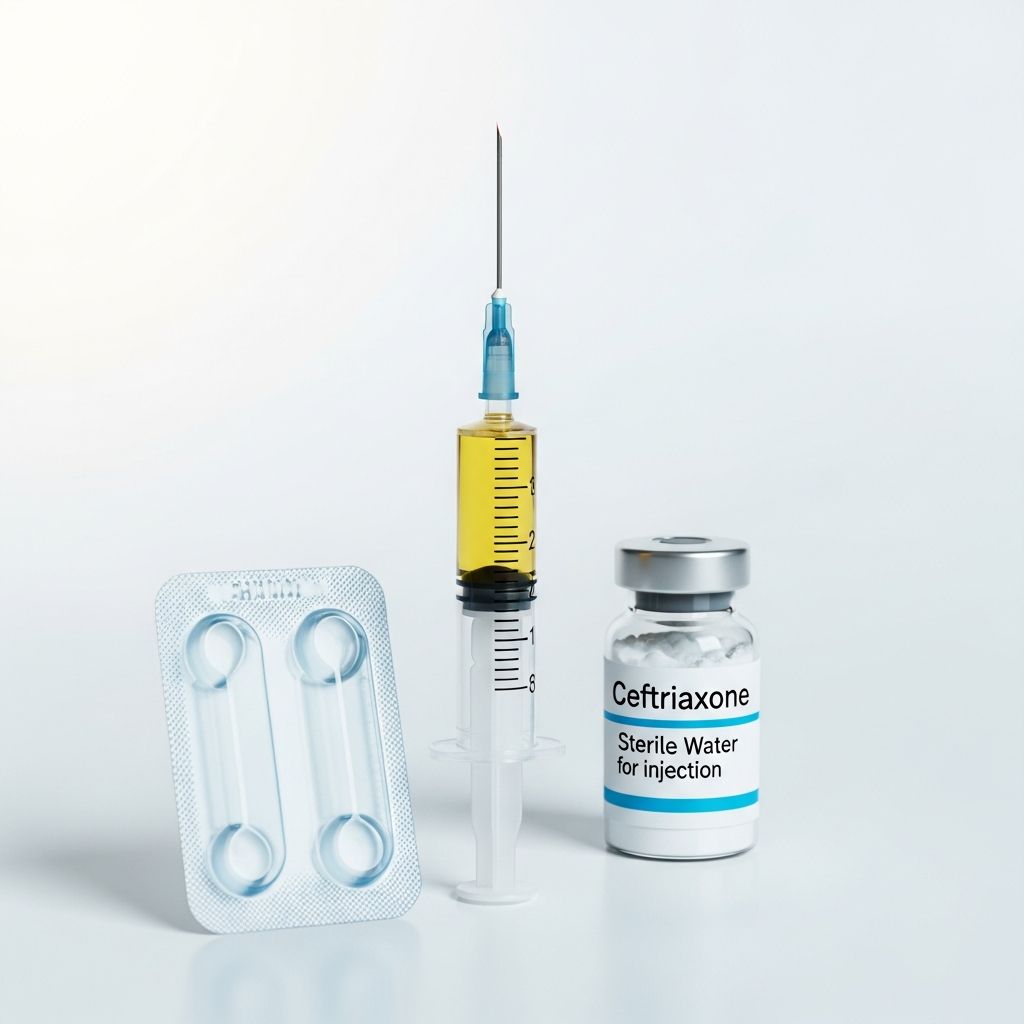
Understanding Ceftriaxone Injection
Ceftriaxone injection is a potent cephalosporin antibiotic medication used to treat a wide range of bacterial infections throughout the body. This medication works by killing bacteria responsible for various infections and preventing their growth. Healthcare providers often recommend ceftriaxone for serious infections that require immediate and effective treatment. Understanding how this medication works, its proper usage, and potential side effects is essential for patients receiving this treatment.
What Is Ceftriaxone Injection?
Ceftriaxone is a third-generation cephalosporin antibiotic that belongs to a class of medications known as beta-lactam antibiotics. This medication is administered through injection, making it suitable for patients who cannot take oral antibiotics or require rapid therapeutic action. The drug is particularly effective against a broad spectrum of bacteria, making it a versatile treatment option in clinical settings. Ceftriaxone can be delivered intravenously (into a vein) or intramuscularly (into a muscle), depending on the type and severity of the infection being treated.
Why Is This Medication Prescribed?
Ceftriaxone injection treats numerous bacterial infections affecting different body systems. Healthcare providers prescribe this medication for infections that are difficult to treat with oral antibiotics or when rapid treatment is necessary. The medication’s effectiveness against resistant bacteria makes it a first-line treatment option in many clinical scenarios.
Primary Uses
Ceftriaxone injection is used to treat infections caused by susceptible bacteria, including:
- Gonorrhea (sexually transmitted bacterial infection)
- Pelvic inflammatory disease (infection of the female reproductive organs that may cause infertility)
- Meningitis (infection of the membranes surrounding the brain and spinal cord)
- Pneumonia and other lung infections
- Ear infections
- Skin and soft tissue infections
- Urinary tract infections (UTIs)
- Bloodstream infections
- Bone and joint infections
- Abdominal infections
Preventive Uses
Beyond treating active infections, ceftriaxone injection serves as a prophylactic agent before certain surgical procedures. Administering ceftriaxone before surgery helps prevent postoperative infections that could compromise patient recovery. This preventive approach is particularly important for patients undergoing procedures with high infection risk.
Special Population Uses
Ceftriaxone is also used preventively in specific patient populations and circumstances:
- Preventing infection in penicillin-allergic patients with heart conditions undergoing dental procedures
- Protecting patients with severely compromised immune systems (very few white blood cells) who develop fever
- Preventing meningitis in close contacts of infected individuals
- Post-exposure prophylaxis for individuals who have been sexually assaulted
- Preventing infection following human or animal bites
How Should This Medicine Be Used?
Proper administration of ceftriaxone injection is critical for achieving therapeutic effectiveness and minimizing adverse effects. The medication requires proper preparation, correct dosing, and appropriate administration routes to ensure optimal treatment outcomes.
Preparation and Administration Routes
Ceftriaxone injection comes as a powder that must be mixed with liquid before use, or as a premixed product ready for injection. Healthcare professionals administer this medication through two primary routes:
- Intravenous injection: administered directly into a vein over 30 to 60 minutes
- Intramuscular injection: administered directly into a muscle
Dosage and Treatment Duration
The dosing schedule for ceftriaxone varies depending on the infection type and severity. Treatment may involve:
Related Stories



- A single dose for certain infections like uncomplicated gonorrhea
- Once or twice daily administration for 4 to 14 days depending on infection type
- Adjusted dosing based on individual patient factors and infection severity
Administration Settings
Ceftriaxone injection may be administered in various healthcare settings:
- Hospital inpatient units
- Physician offices and outpatient clinics
- Home-based settings with appropriate patient instruction
When patients receive ceftriaxone at home, healthcare providers must provide comprehensive training on proper injection technique, medication preparation, and safety precautions. Patients should ask questions and ensure complete understanding of their treatment protocol before beginning home administration.
Treatment Compliance
Completing the full course of ceftriaxone therapy is essential, even if symptoms improve quickly. Stopping treatment prematurely or skipping doses allows bacteria to survive and can lead to treatment failure and antibiotic resistance. Patients should use the medication exactly as prescribed and report any concerning symptoms to their healthcare provider immediately.
What Other Uses Exist for This Medicine?
Beyond the primary indications, ceftriaxone injection treats additional infections in specific clinical contexts. Healthcare providers may prescribe ceftriaxone for:
- Acute bacterial sinusitis
- Endocarditis (infection of the heart lining and valves)
- Chancroid (genital sores caused by bacteria)
- Lyme disease (tick-borne infection affecting the heart, joints, and nervous system)
- Relapsing fever
- Other bacterial infections caused by susceptible organisms
Discuss with your healthcare provider if ceftriaxone might be appropriate for your specific condition, as alternative treatments may be available.
Important Precautions and Warnings
Before receiving ceftriaxone injection, inform your healthcare provider about important medical history details and current conditions that may affect treatment safety and efficacy.
Special Populations
Certain patient populations require special consideration:
- Infants born prematurely or younger than 4 weeks of age may not be appropriate candidates for ceftriaxone therapy
- Newborns with elevated bilirubin levels (hyperbilirubinemia) should not receive ceftriaxone
- Dosing adjustments may be necessary for elderly patients
Medical Conditions Requiring Caution
Inform your healthcare provider if you have:
- History of allergies or hypersensitivity to cephalosporin or penicillin antibiotics
- Gastrointestinal problems, especially colitis (inflammation of the large intestine)
- Malnutrition or nutritional deficiencies
- Vitamin K deficiency
- Kidney disease
- Liver disease or impaired liver function
Side Effects and Adverse Reactions
Like all medications, ceftriaxone injection can cause side effects ranging from mild to severe. Understanding potential adverse reactions helps patients recognize when medical attention is necessary.
Common Side Effects
Mild side effects may include:
- Pain, tenderness, hardness, or warmth at the injection site
- Diarrhea
- Rash
- Nausea and vomiting
- Heartburn
- Stomach discomfort or bloating
Serious Side Effects Requiring Medical Attention
Severe side effects warrant immediate medical evaluation:
- Severe allergic reactions with difficulty breathing or swallowing
- Swelling of the throat or tongue
- Severe diarrhea (potentially bloody or watery)
- Seizures
- Chest pain or pressure
- Severe pain in the side or back below the ribs
- Difficulty breathing or shortness of breath
- Signs of infection (fever, sore throat, chills)
- Skin reactions (blistering, peeling, or severe rash)
Gastrointestinal Side Effects
Gastrointestinal reactions may occur during or after treatment:
- Diarrhea or bloody stools
- Stomach cramps
- Nausea and vomiting
- Abdominal pain or tenderness
Urinary Side Effects
Changes in urinary function may include:
- Painful urination
- Decreased urination
- Increased urination frequency
- Cloudy, discolored, or foul-smelling urine
Other Possible Side Effects
Additional side effects may occur, including:
- Pale skin or weakness
- Shortness of breath with physical exertion
- Swelling in legs and feet
- Rash or hives
- Muscle or joint inflammation
- Loss of appetite
When to Seek Medical Help
Contact your healthcare provider immediately if:
- Symptoms do not improve or worsen during treatment
- Severe side effects develop
- Signs of allergic reaction appear
- Unusual symptoms develop during or after treatment
- Severe diarrhea persists
Drug Interactions and Considerations
Certain medications and substances may interact with ceftriaxone, potentially affecting its effectiveness or increasing side effects. Inform your healthcare provider about all medications, supplements, and herbal products you take.
Conditions Requiring Dose Adjustment
Patients with specific medical conditions may require dosing modifications:
- Kidney disease
- Liver disease
- Gallbladder disease
- Pancreatitis
- History of bowel disease or colitis
- Anemia
Effectiveness and Clinical Outcomes
Ceftriaxone demonstrates excellent effectiveness for treating susceptible bacterial infections. Research indicates that ceftriaxone provides comparable or superior outcomes to standard treatment options for many infections. The medication’s once-daily dosing regimen (compared to more frequent dosing of alternative antibiotics) makes it particularly valuable for outpatient settings and home-based therapy.
For methicillin-susceptible Staphylococcus aureus bloodstream infections, ceftriaxone provides a convenient alternative to standard therapy because it requires only once-daily administration compared to multiple daily doses of other antibiotics. This convenience factor significantly improves treatment compliance and quality of life for patients receiving extended therapy.
Frequently Asked Questions
Q: How quickly does ceftriaxone injection work?
A: Patients typically begin feeling better within the first few days of treatment, though complete resolution depends on the infection type and severity. Always complete the full prescribed course even if symptoms improve early.
Q: Can ceftriaxone be used for viral infections?
A: No, ceftriaxone only treats bacterial infections. It does not work against viruses that cause colds, flu, or other viral illnesses.
Q: What should I do if I miss a dose?
A: Contact your healthcare provider immediately for instructions. Do not double-dose to make up for a missed injection.
Q: Can I stop taking ceftriaxone if I feel better?
A: No, you must complete the entire prescribed course. Stopping early allows bacteria to survive and develop antibiotic resistance.
Q: What if I’m allergic to penicillin?
A: Inform your healthcare provider before treatment. While cephalosporins are generally safe for penicillin-allergic patients, cross-reactivity can occur. Alternative antibiotics may be available.
Q: Can pregnant women receive ceftriaxone?
A: Ceftriaxone is generally considered safe during pregnancy for treating bacterial infections. Discuss risks and benefits with your healthcare provider.
Q: Are there any dietary restrictions while taking ceftriaxone?
A: No specific dietary restrictions exist, though taking with food may help minimize stomach upset if gastrointestinal side effects occur.
Q: How is ceftriaxone different from oral antibiotics?
A: Injection provides direct bloodstream delivery, achieving higher concentration levels more rapidly than oral forms. This makes it ideal for serious infections requiring immediate treatment.
References
- Ceftriaxone Injection: MedlinePlus Drug Information — U.S. National Library of Medicine. 2024. https://medlineplus.gov/druginfo/meds/a685032.html
- Ceftriaxone (injection route) – Side effects & uses — Mayo Clinic. 2024. https://www.mayoclinic.org/drugs-supplements/ceftriaxone-injection-route/description/drg-20073123
- Effectiveness and Safety of Ceftriaxone Compared to Standard of Care for Methicillin-Susceptible Staphylococcus aureus Bloodstream Infections — National Center for Biotechnology Information. 2022. https://pmc.ncbi.nlm.nih.gov/articles/PMC8944781/
- Antibiotics: What To Know — Cleveland Clinic. 2024. https://my.clevelandclinic.org/health/treatments/16386-antibiotics
Similar Articles








Read full bio of medha deb